
The annual arrival of peak summer produce marks a significant shift in both regional agricultural output and household consumption patterns across North America. As the temperatures climb, farmers’ markets and local grocery suppliers experience a surge in the availability of high-yield crops, including sweet corn, heirloom tomatoes, zucchini, stone fruits, and crisp green beans. While this abundance is a hallmark of the season, it presents a logistical challenge for home cooks: the necessity of processing large quantities of perishable goods within a relatively short window of freshness to minimize food waste.
Agricultural Context and Market Dynamics
The summer harvest season typically begins in late June and extends through early September, depending on the latitude and local climate conditions. According to data from the United States Department of Agriculture (USDA), this period accounts for a significant portion of annual fruit and vegetable sales, with July and August serving as the peak months for items like peaches, bell peppers, and vine-ripened tomatoes.
Market analysts observe that the "farm-to-table" movement, which has gained momentum over the last decade, has fundamentally changed consumer behavior. Shoppers are increasingly prioritizing produce that is harvested at peak maturity, which often means shorter shelf lives compared to long-haul commercial produce treated with preservatives. Consequently, the ability to utilize these ingredients efficiently—through rapid preparation methods such as blanching, quick-pickling, or high-heat roasting—has become a vital skill for consumers participating in local food systems.
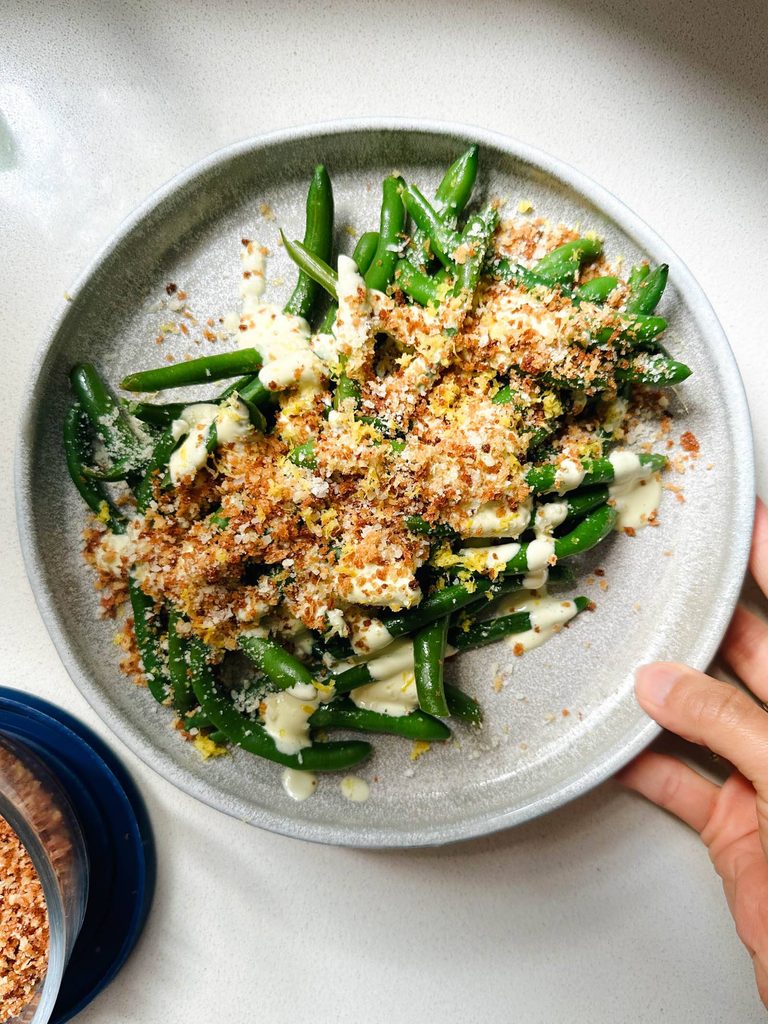
Culinary Strategies for Seasonal Surplus
To mitigate waste and maximize the nutritional density of seasonal hauls, nutritionists and culinary experts recommend a variety of processing techniques. The current trend in home economics emphasizes "30-minute meals" that incorporate raw, lightly sautéed, or oven-roasted vegetables.
Preservation and Preparation Methods
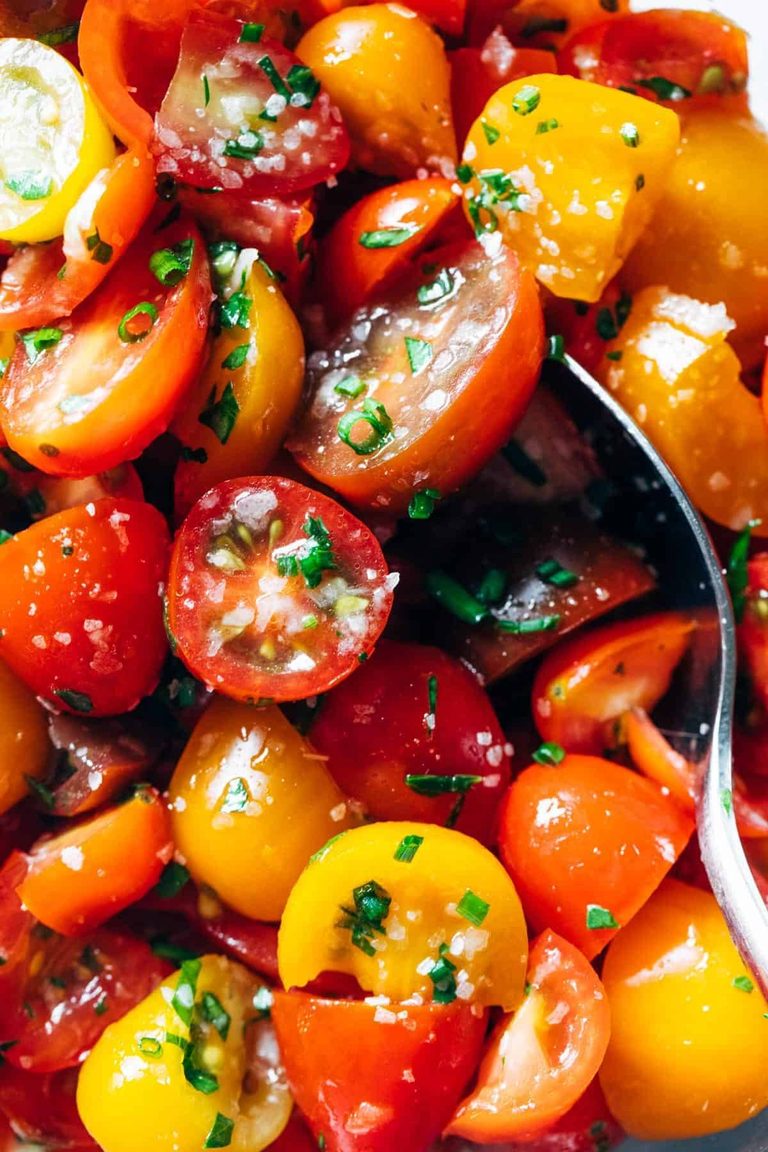
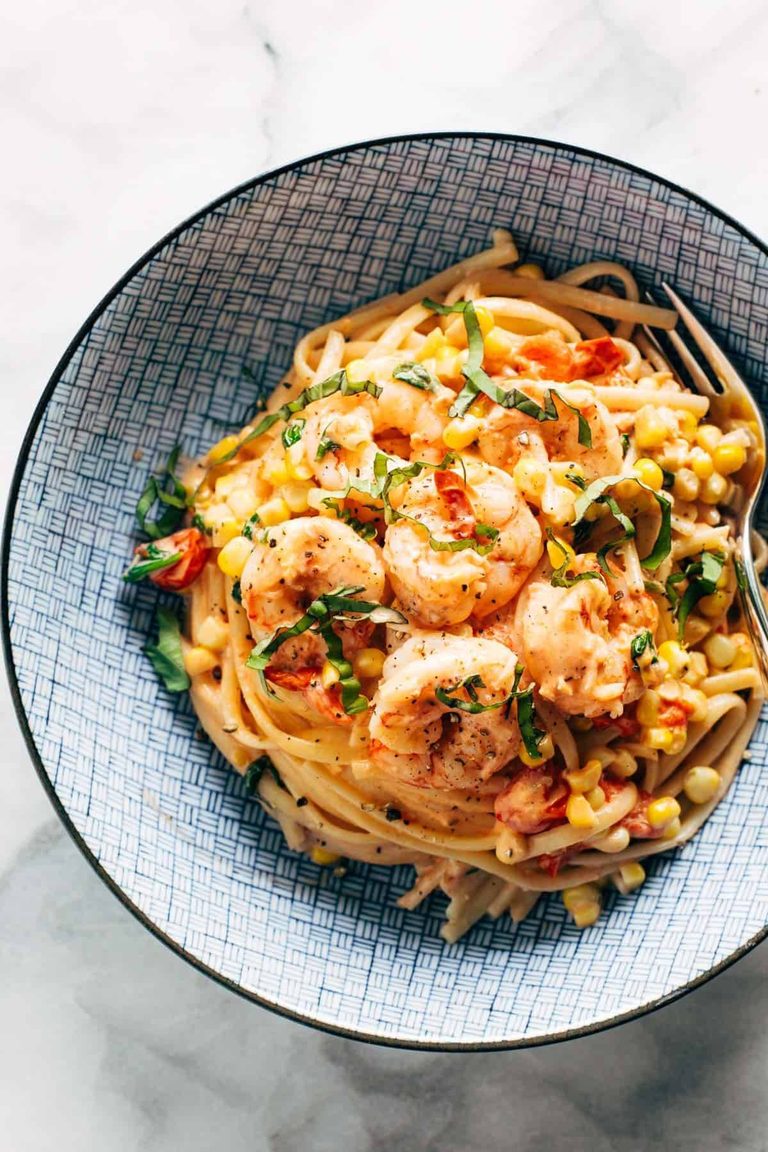
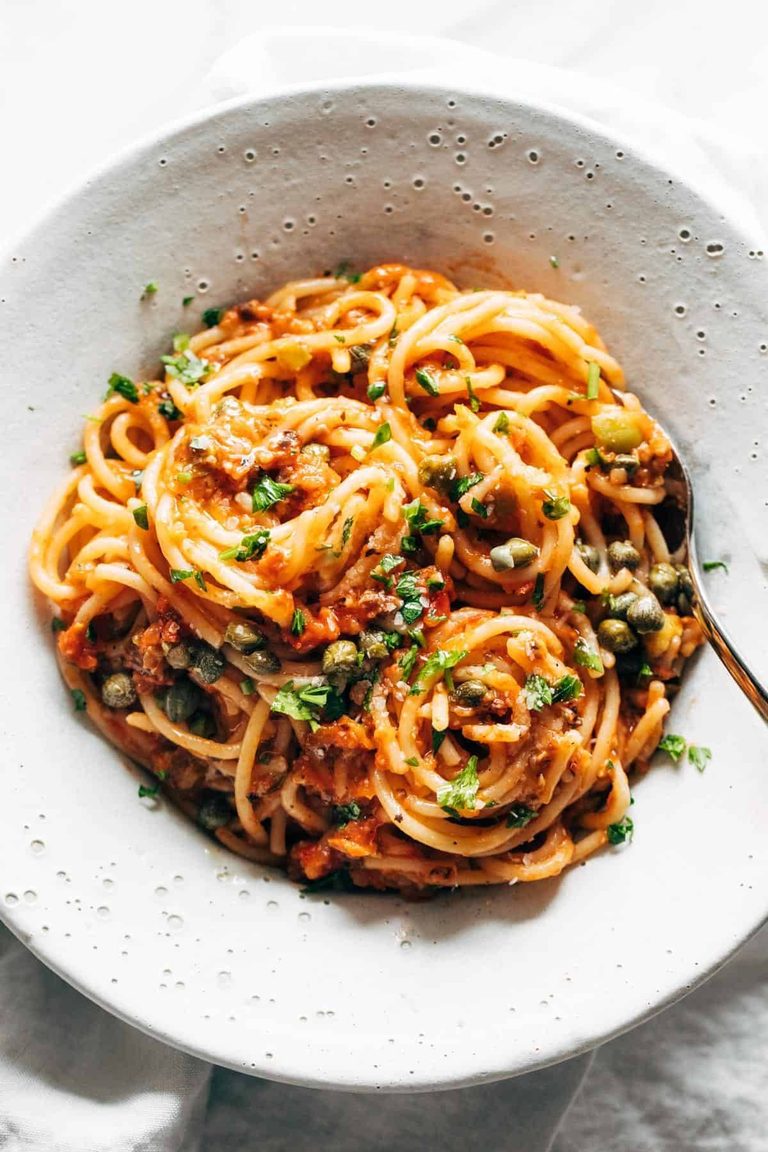
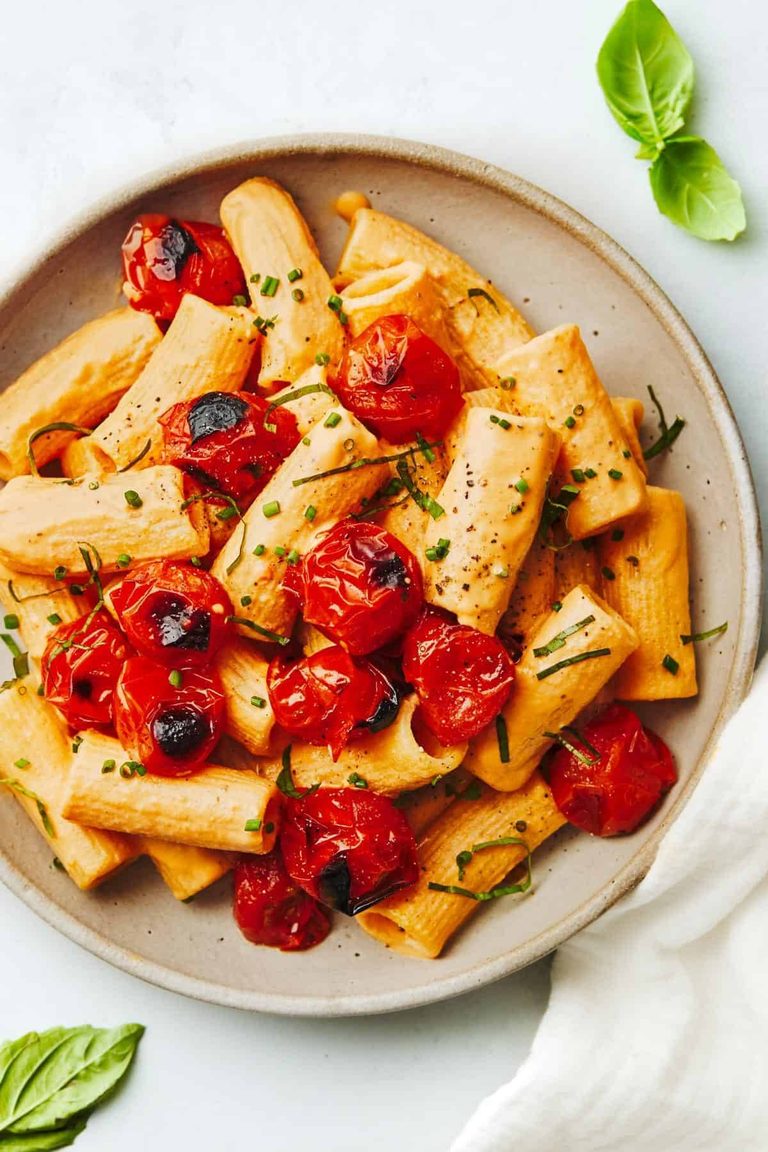
The most effective way to manage a surplus of summer vegetables is through modular meal preparation. For instance, high-yield items like cherry tomatoes can be preserved as a garlic butter sauce or roasted for use in various pasta dishes, such as puttanesca or shrimp-based recipes. Similarly, versatile staples like zucchini are being utilized in both savory and sweet applications; while traditionally sautéed as a side, the vegetable is increasingly common in nutrient-dense baked goods, such as almond butter and chocolate chip bars, where it provides moisture without altering the flavor profile.

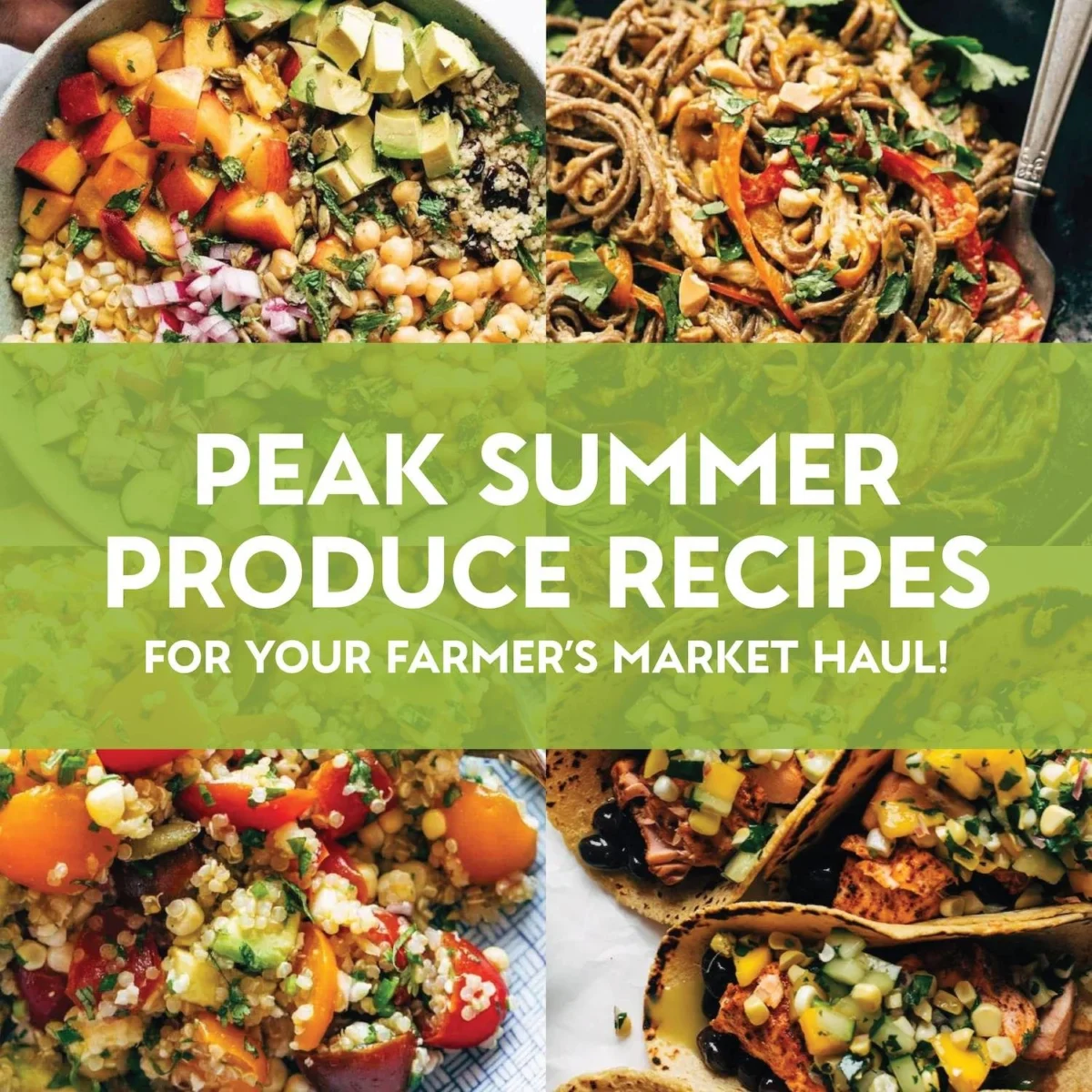
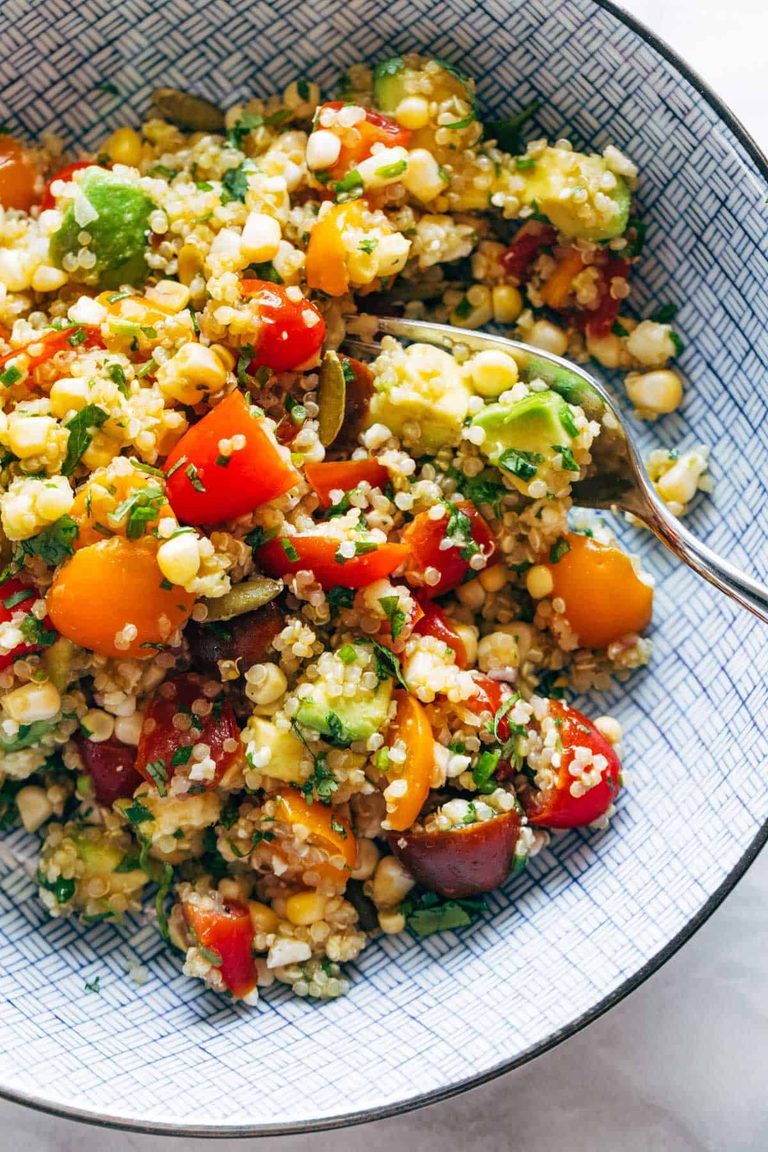
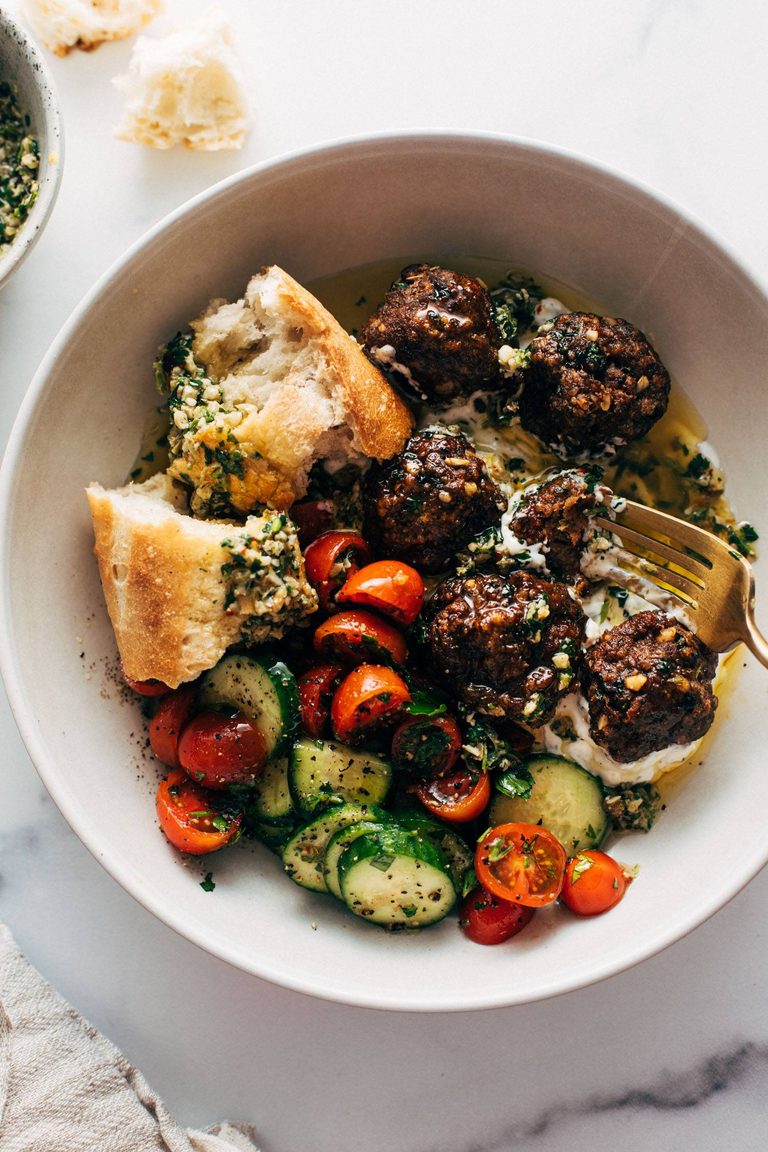
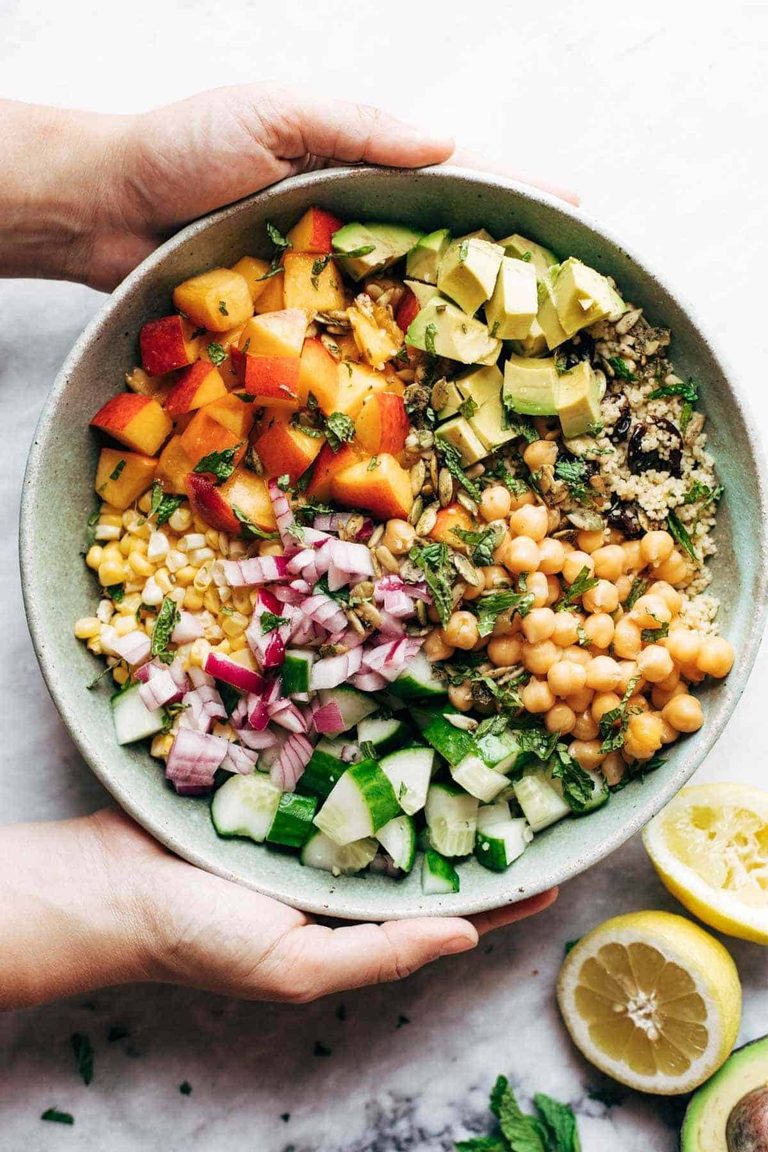
For produce with high water content, such as cucumbers and stone fruits, professionals suggest integrating them into cold-preparation dishes. Salads featuring quinoa, couscous, or soba noodles allow for the inclusion of multiple vegetable types simultaneously, ensuring that diverse harvest items are consumed before their quality degrades.
Nutritional and Economic Implications
The economic impact of seasonal produce utilization is two-fold. First, purchasing in-season produce from local markets is often more cost-effective due to the reduction in transport and storage costs. Second, minimizing food waste—which accounts for nearly 30% to 40% of the food supply in the United States according to the Environmental Protection Agency (EPA)—has clear environmental and financial benefits for the average household.
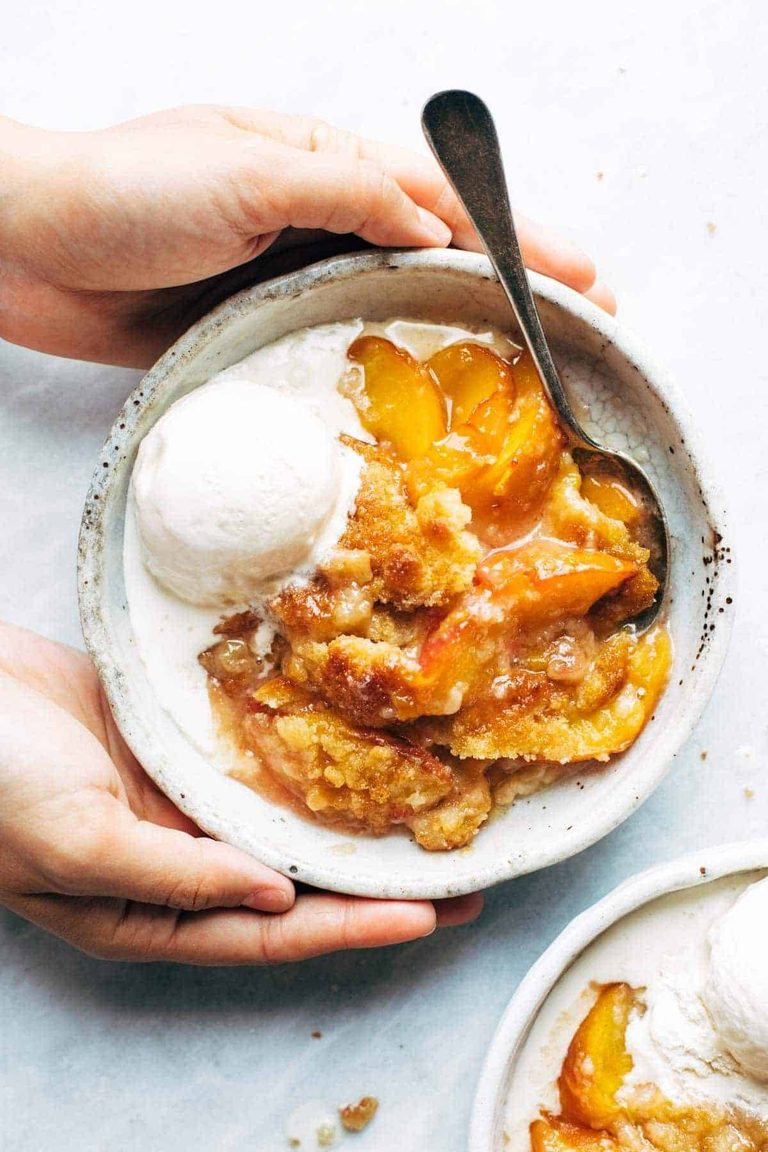
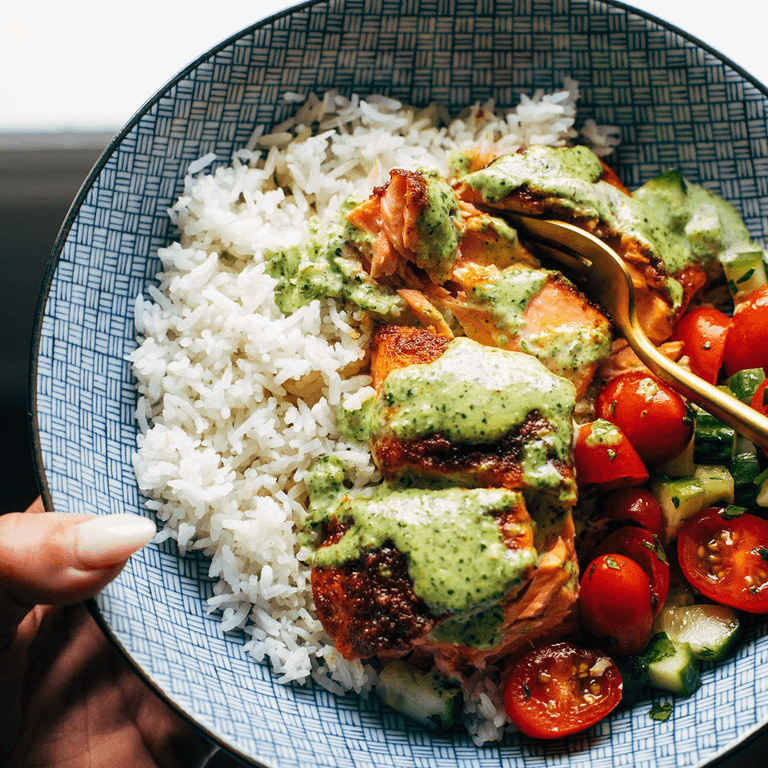
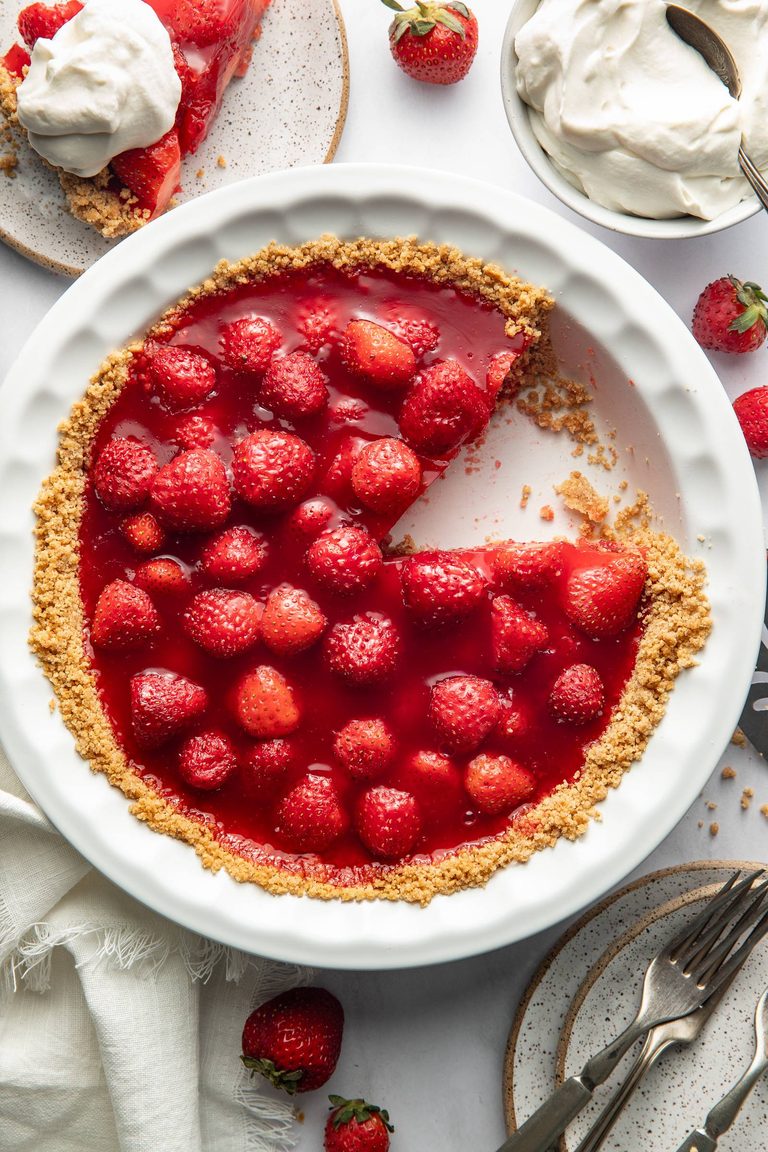
From a nutritional perspective, consuming produce at its peak ensures the highest concentration of vitamins and minerals. For example, peaches and strawberries provide essential antioxidants and vitamin C, while green beans offer a high fiber content. When these are integrated into balanced diets alongside lean proteins—such as grilled chicken, salmon, or plant-based proteins like chickpeas and black beans—they contribute to improved metabolic health.
Chronology of Summer Produce Management
- Early Summer (June): Focus shifts to the first wave of strawberries, green beans, and early zucchini. Preservation methods include quick-pickling and fresh preparation.
- Mid-Summer (July): The market sees a saturation of tomatoes, corn, and cucumbers. This is the optimal window for large-scale sauce production and the integration of these items into cold salads.
- Late Summer (August): The harvest of peaches and bell peppers reaches its peak. This period requires more intensive processing, such as baking, roasting, or creating long-lasting condiments like green sauces (aji verde) or herb-heavy vinaigrettes.
Expert Perspectives on Modern Meal Planning
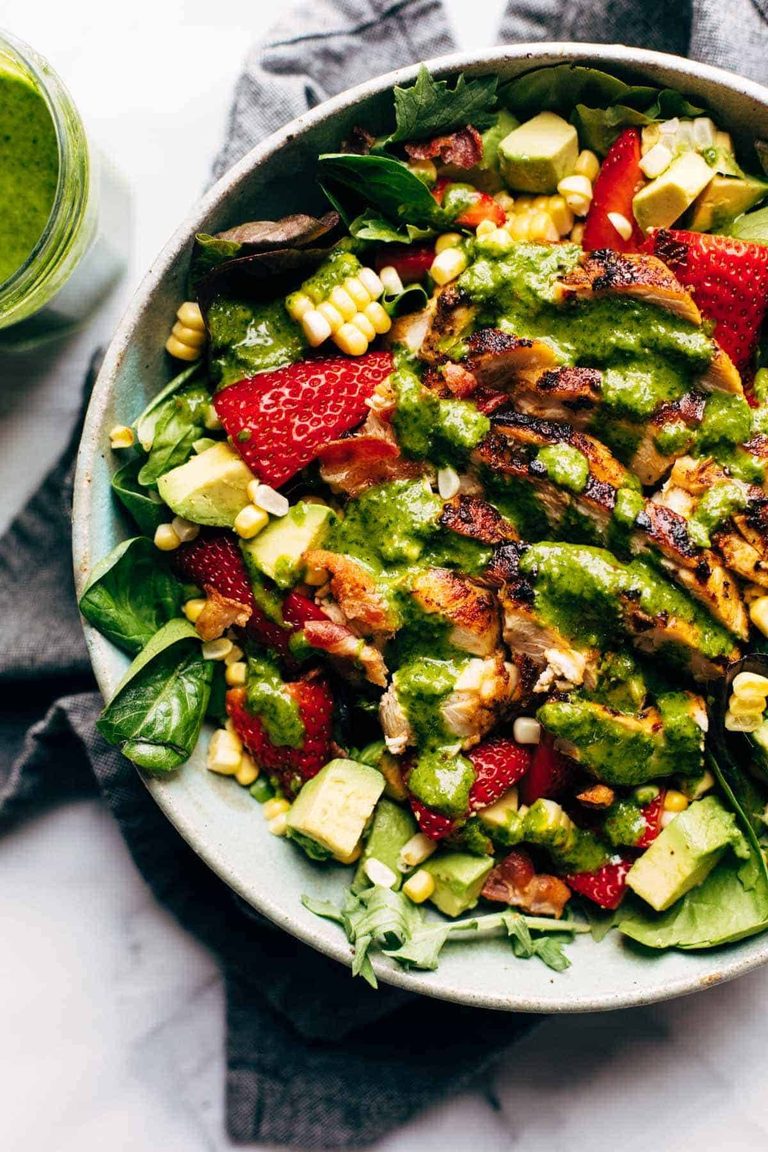
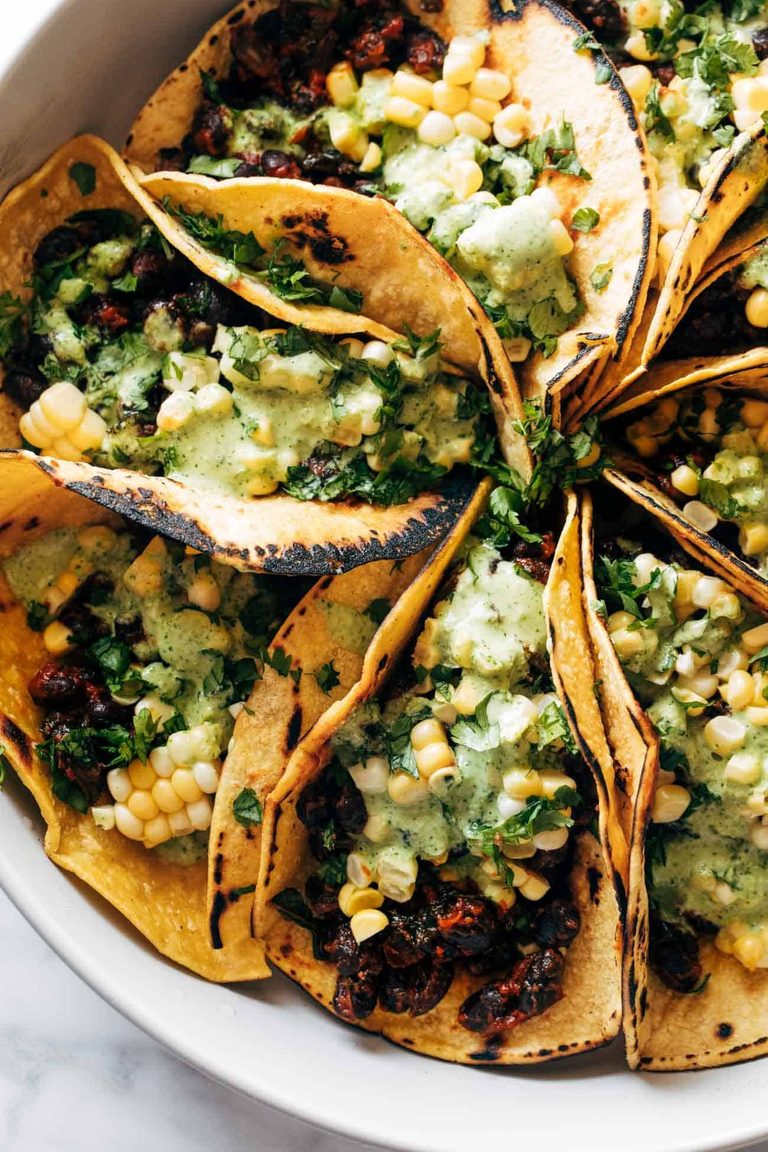
Culinary researchers suggest that the "assembly-style" meal format has become the preferred model for modern households. By keeping a selection of foundational sauces—such as a 5-minute magic green sauce made from avocado, cilantro, and lime—available, consumers can adapt their meals based on whatever produce is currently on hand.
"The key to managing a summer harvest is not necessarily following a rigid recipe, but rather understanding the structural compatibility of ingredients," notes one food industry consultant. "If you have a base of grains like farro or quinoa, you can rotate the vegetables—blistered tomatoes, roasted peppers, or shaved zucchini—without the dish feeling repetitive."
Addressing the "Waste Gap"
Despite the popularity of fresh, seasonal eating, many households still struggle with the "waste gap," where the enthusiasm of visiting a farmer’s market leads to over-purchasing. Data suggests that households that engage in even basic meal planning—identifying two or three core recipes that utilize the majority of their market haul—reduce their organic waste by approximately 20%.
Specific strategies to close this gap include:
- Direct Processing: Upon returning from the market, washing and chopping vegetables immediately to encourage usage.
- Versatile Condiments: Creating "catch-all" sauces that can be served over any protein or grain, such as herb-based pestos or marinated tomato bases.
- Cross-Utilization: Selecting recipes that use common ingredients across multiple meals, such as a large batch of sautéed kale that can be used for both tacos and grain bowls.
Broader Impact and Future Outlook
The cultural shift toward prioritizing fresh, seasonal produce is unlikely to reverse. As food prices remain a concern for many, the ability to turn raw, seasonal agricultural products into diverse, high-quality meals is becoming a essential household competency. Furthermore, as climate change impacts traditional growing seasons, the importance of local food networks becomes more pronounced. Consumers who learn to adapt to the fluctuations of the growing season are better positioned to support their local agricultural economies while simultaneously managing their personal food budgets.
Ultimately, the challenge of "what to do with all this" is a reflection of a successful harvest. By employing efficient culinary techniques, from the quick-blitzing of zucchini into muffins to the slow-roasting of tomatoes for sauces, consumers can turn the seasonal abundance of summer into a sustained, nutritious, and economically responsible dietary pattern. The integration of these strategies ensures that the labor of local farmers is fully appreciated and that the peak freshness of the summer season is fully captured in the home kitchen.
As the season progresses, the shift from fresh, raw salads to roasted, hearty grains and proteins allows for a seamless transition in the kitchen, proving that the versatility of summer produce is limited only by the creativity of the cook. Through thoughtful planning and a commitment to minimizing waste, the bounty of the summer months provides a sustainable foundation for healthy eating throughout the year.