
The Evolution of Modern Meal Prep Efficiency
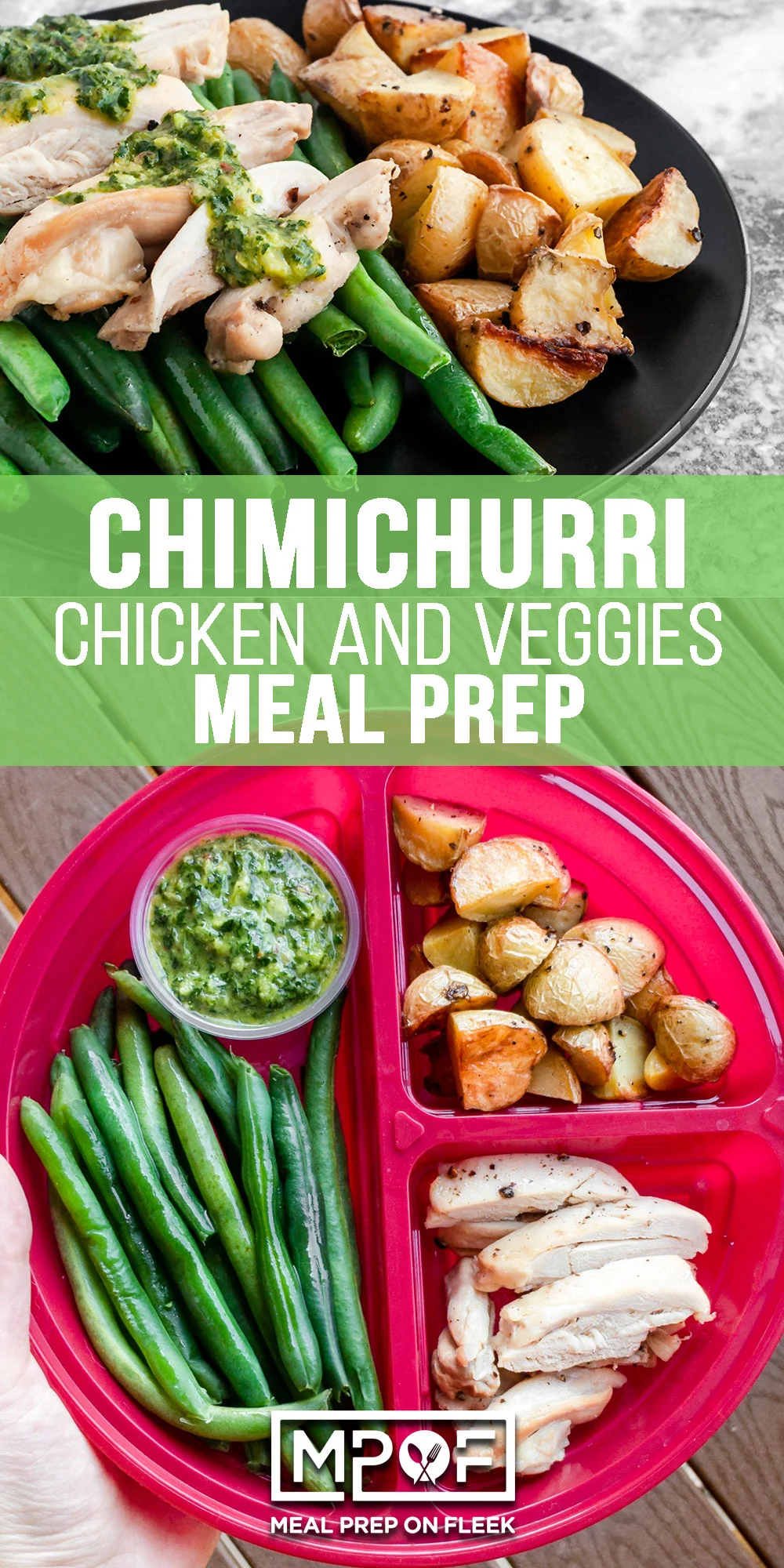
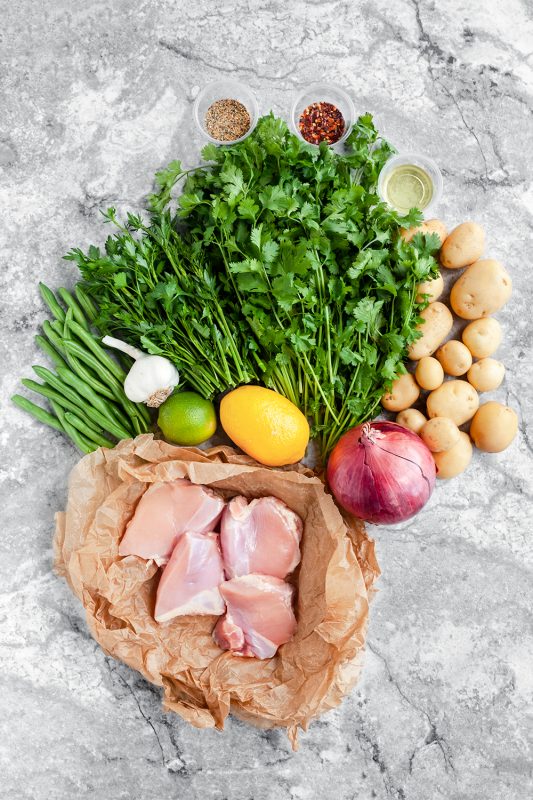
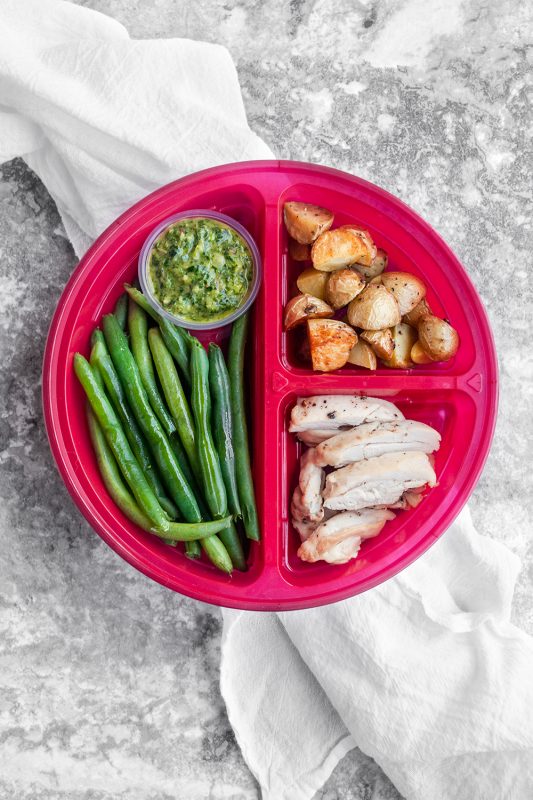
The transition toward sheet pan cooking represents a broader movement in home economics where time-saving strategies are prioritized without sacrificing dietary quality. Nutritional experts often cite the "plate method"—which balances proteins, carbohydrates, and fibrous vegetables—as the gold standard for long-term health. By integrating a protein source like chicken thighs with roasted tubers and green beans, this specific recipe adheres to these dietary guidelines while utilizing a standardized cooking environment.
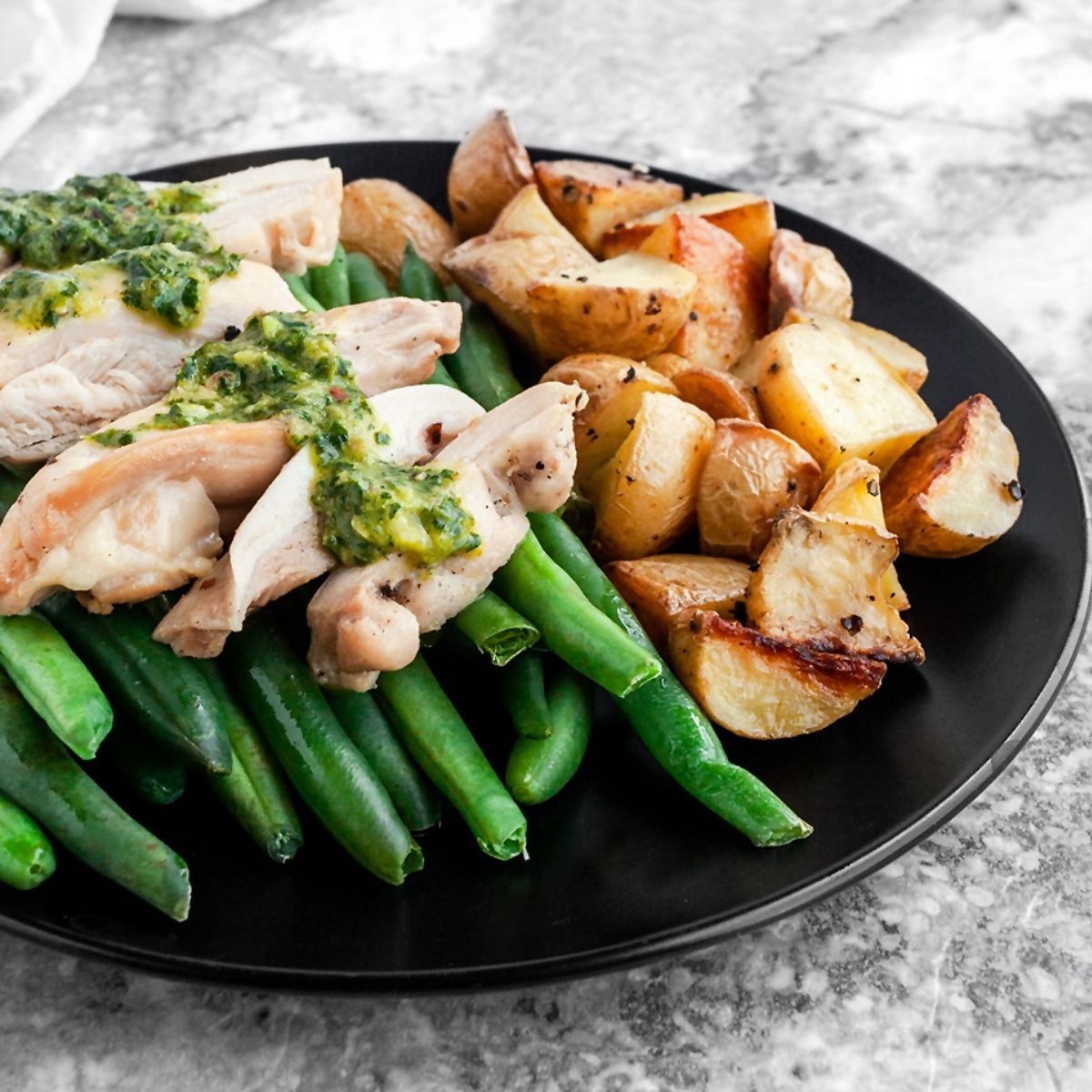
From a logistics standpoint, the sheet pan method optimizes oven thermal dynamics. By arranging ingredients on a single surface, the cook can ensure uniform exposure to convective heat. The use of chicken thighs, as opposed to breasts, is a strategic choice; the higher fat content in the dark meat ensures that the protein remains succulent throughout the 25 to 30-minute roasting process, even under the high-heat conditions required for crisping vegetables.
The Role of Chimichurri in Culinary Preservation
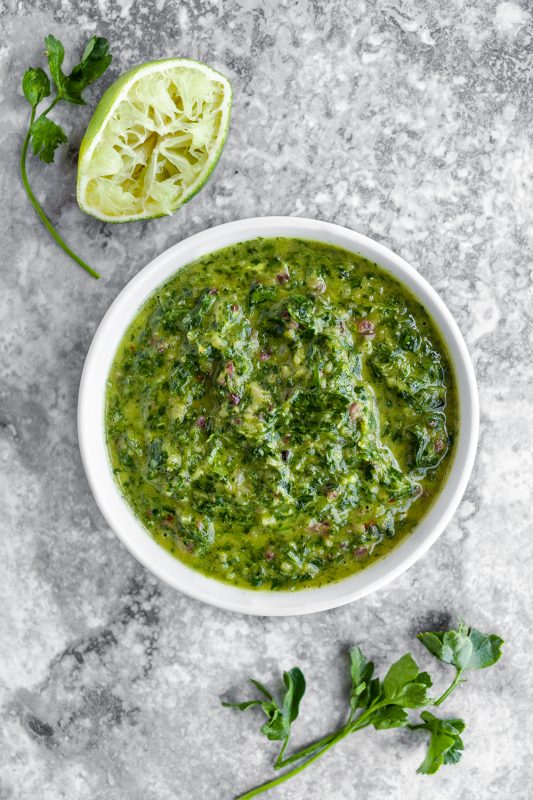
Central to the dish is the inclusion of chimichurri, an uncooked herb-based sauce originating from Argentina and Uruguay. Traditionally composed of finely chopped parsley, garlic, vinegar, olive oil, and various spices, the sauce serves as a functional component of the meal. Beyond its flavor profile, which provides a bright, acidic contrast to the roasted fats of the chicken, the chimichurri acts as a moisture-retaining element.
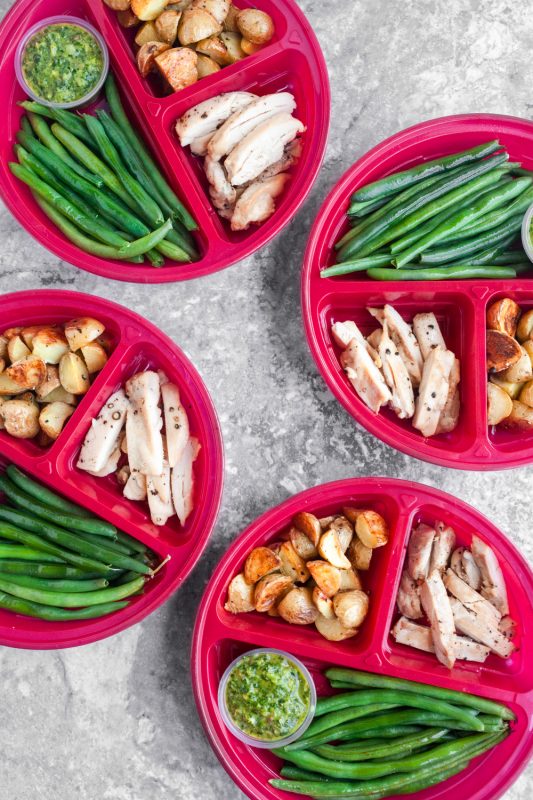
When applied to meal prep, the timing of the sauce application is critical. Culinary professionals recommend storing the chimichurri separately from the solid components of the meal until the moment of consumption. This practice prevents the acidity of the vinegar or citrus in the sauce from breaking down the cellular structure of the green beans and potatoes during storage, which would otherwise lead to an undesirable texture when reheated.
Chronological Preparation Workflow
To achieve the optimal balance of flavor and texture, the preparation process follows a structured timeline designed for maximum efficiency:
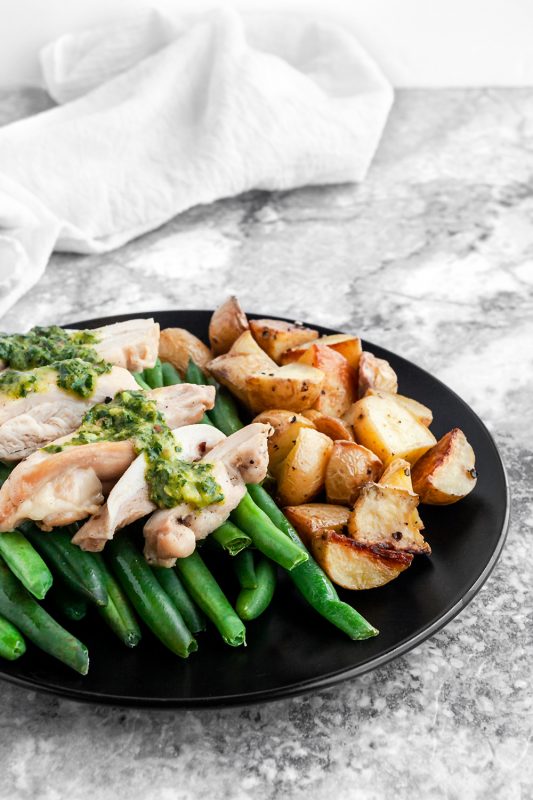
- Preparation and Seasoning (Minutes 0–15): The process begins with the thermal activation of the oven to 400°F (200°C). The primary objective during this phase is the standardization of ingredient sizes. Mini gold potatoes must be quartered to ensure the internal starch gelatinizes at the same rate as the chicken’s connective tissue. Patting the chicken thighs dry is a crucial technical step; by removing surface moisture, the cook promotes the Maillard reaction—the chemical reaction between amino acids and reducing sugars that gives browned food its distinctive flavor.
- Thermal Processing (Minutes 15–45): The ingredients are distributed across the sheet pan with intentional spacing. Arranging the components in zones—protein in one section, starch in another, and vegetables in the third—facilitates easier portioning post-roasting. The target internal temperature for the chicken is 165°F (74°C), as mandated by food safety protocols to ensure the elimination of potential pathogens.
- Sauce Emulsification (Concurrent): While the oven is operational, the chimichurri is prepared. The mechanical action of a food processor is preferred over manual chopping to achieve the correct consistency. The goal is a textured, herbaceous paste rather than a homogenized liquid, ensuring the sauce adheres to the meat during the consumption phase.
- Cooling and Storage (Minutes 45–60): The final step is the most critical for food safety and quality. Placing hot food directly into sealed containers creates an environment conducive to bacterial growth and condensation. Allowing the components to reach room temperature before sealing prevents the "steaming" effect, which would otherwise turn roasted vegetables into a mushy consistency.
Nutritional Analysis and Macro-Nutrient Composition
The nutritional profile of this meal is highly optimized for those tracking caloric and macronutrient intake. With approximately 649 calories per serving, the dish provides a robust 37.6 grams of protein, essential for muscle recovery and metabolic function. The 28.8 grams of carbohydrates are sourced from complex, nutrient-dense potatoes, providing sustained energy release.
The fat content, measured at 44.7 grams, is primarily derived from the olive oil in the chimichurri and the natural lipids in the chicken thighs. These fats are essential for the absorption of fat-soluble vitamins (A, D, E, and K) found in the green beans and parsley. Furthermore, the inclusion of 4.4 grams of dietary fiber supports digestive health, a common shortfall in modern processed diets.
Broader Impact and Industry Trends
The popularity of recipes like the Sheet Pan Chimichurri Chicken reflects a broader shift in consumer behavior toward "functional cooking." As food prices fluctuate, consumers are increasingly seeking ways to maximize the utility of their grocery purchases. A sheet pan meal minimizes food waste by utilizing versatile staples that store well for up to four days in a refrigerated environment.
Data from the meal prep industry suggests that households that adopt a structured prep routine are 30% more likely to adhere to healthy eating goals compared to those who rely on on-demand food delivery services. By controlling the ingredients—specifically the amount of sodium and the quality of the fats used—the individual gains significant autonomy over their health outcomes.
Professional Recommendations for Long-Term Storage
While the recipe is highly durable, longevity in the refrigerator is dependent on storage integrity. Experts recommend using glass, airtight containers to minimize oxygen exposure, which accelerates the oxidation of the fresh herbs in the chimichurri.
Regarding the feasibility of freezing, the consensus among food scientists is that while the chicken and potato components are freezer-stable for up to two months, the green beans and the herb-based sauce are not. Freezing breaks down the water-rich structures of the beans, leading to significant degradation upon thawing. Similarly, the bright, volatile compounds in fresh cilantro and parsley are highly sensitive to freezing temperatures, resulting in a loss of the sauce’s characteristic vibrant profile. For optimal results, users should freeze the protein and starch and prepare a fresh batch of sauce on the day of consumption.
Conclusion and Future Outlook
The Sheet Pan Chimichurri Chicken and Veggies is more than a simple recipe; it is a replicable system for healthy living. By leveraging basic culinary physics—proper heat distribution, moisture control, and the strategic use of acid-based sauces—the home cook can produce a meal that retains its quality through the work week. As the trend of home-based meal preparation matures, the focus will likely continue to shift toward such high-efficiency, nutrient-dense methods, underscoring a permanent change in how domestic kitchens function in the 21st century. Whether utilized for a standard work-week lunch or a simplified family dinner, this approach exemplifies the intersection of nutritional necessity and culinary convenience.