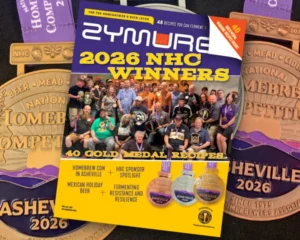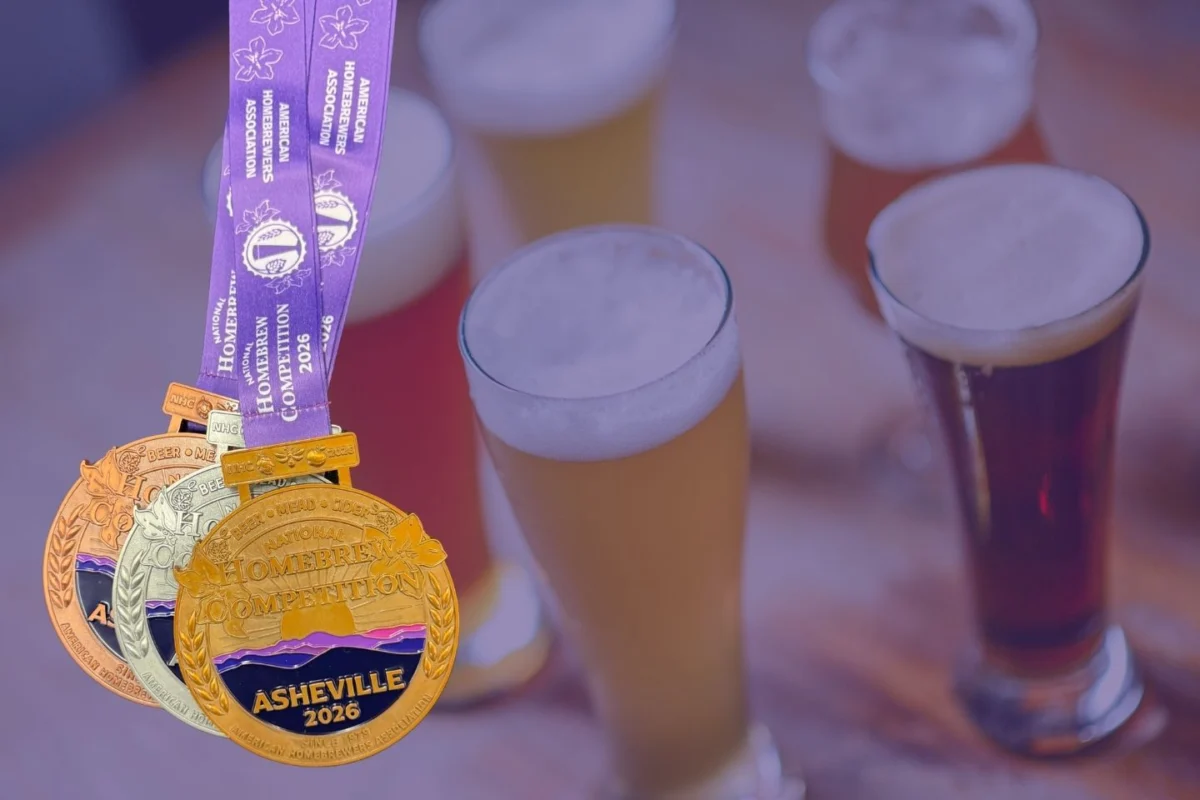

The 48th Annual National Homebrew Competition has officially concluded its final round, celebrating the pinnacle of amateur fermentation craft from across the United States and around the globe. Organized by the American Homebrewers Association (AHA), this year’s competition showcased an extraordinary array of entries spanning complex beers, exquisite meads, and innovative ciders. As the definitive event for non-commercial brewing enthusiasts, the competition serves as a premier platform for makers to test their recipes against the most rigorous judging standards in the hobby. The complete catalog of medal-winning recipes from the 2026 final round is now publicly available, offering fellow brewers a masterclass in formulation and execution.
Background Context of the Event
Established decades ago by the American Homebrewers Association, the National Homebrew Competition has evolved from a small regional gathering into the world’s largest international beer, mead, and cider competition. The event is designed to evaluate amateur brews against standardized guidelines set by the Beer Judge Certification Program (BJCP). Participation requires navigating preliminary local and regional judging rounds, meaning only the top-tier entries advance to the fiercely contested final round.
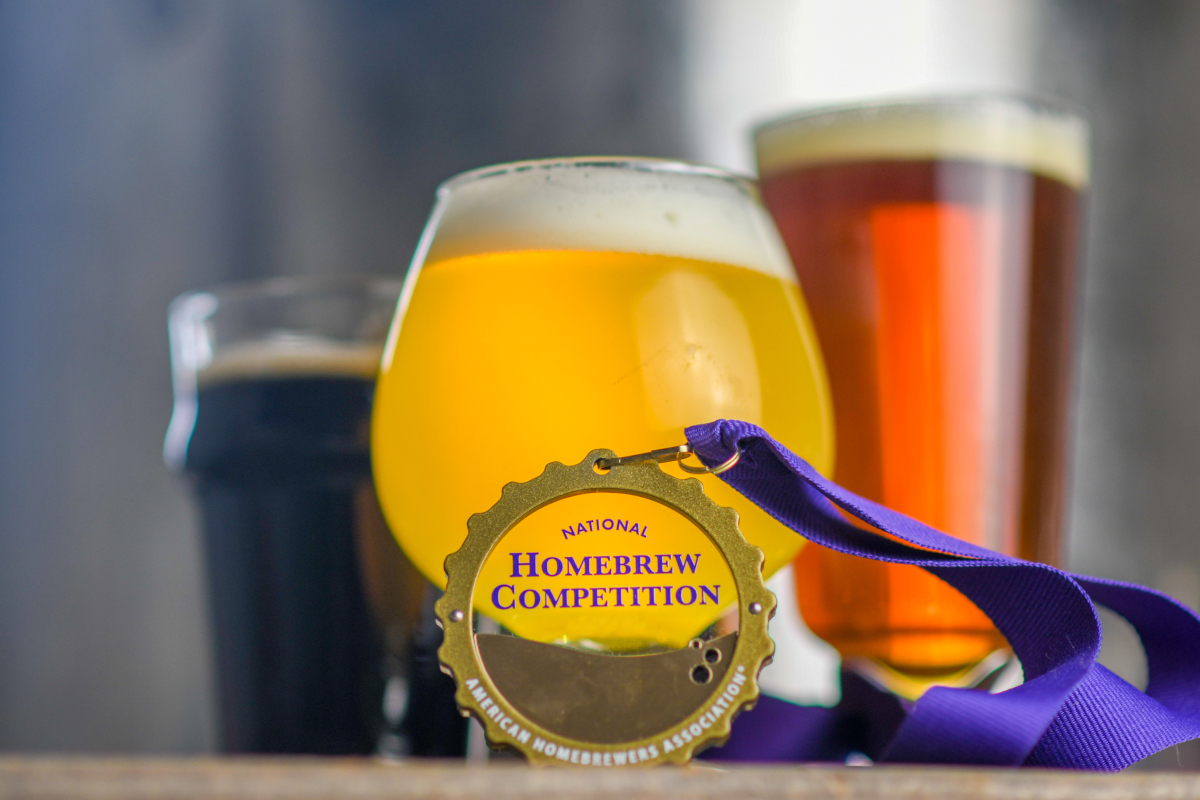
The significance of the competition extends far beyond the medals awarded. For many craft beer enthusiasts, the National Homebrew Competition functions as the primary proving ground and incubator for commercial brewing talent. Numerous professional craft brewery founders launched their careers by securing accolades on this exact stage. By releasing the winning recipes, the AHA aims to foster a collaborative culture of knowledge-sharing, encouraging the global homebrewing community to refine their craft using proven, award-winning formulas.
Chronology and Competition Timeline
The road to the 2026 final round is a months-long logistical triumph. The lifecycle of the competition begins in the late winter with registration and the submission of entry guidelines. Regional competitions take place across multiple hubs throughout the spring, where thousands of entries are meticulously evaluated by certified judges on appearance, aroma, flavor, and overall mouthfeel.
Following the preliminary filtration of entries, the surviving submissions are transported to the final round judging site. The final judging sessions occur over a concentrated multi-day period, during which an elite panel of master judges conducts blind tastings to determine the gold, silver, and bronze medalists. The culminating announcement of the medalists and the subsequent publication of their respective recipes mark the definitive conclusion of the competition season, setting the stage for the next year’s cycle.
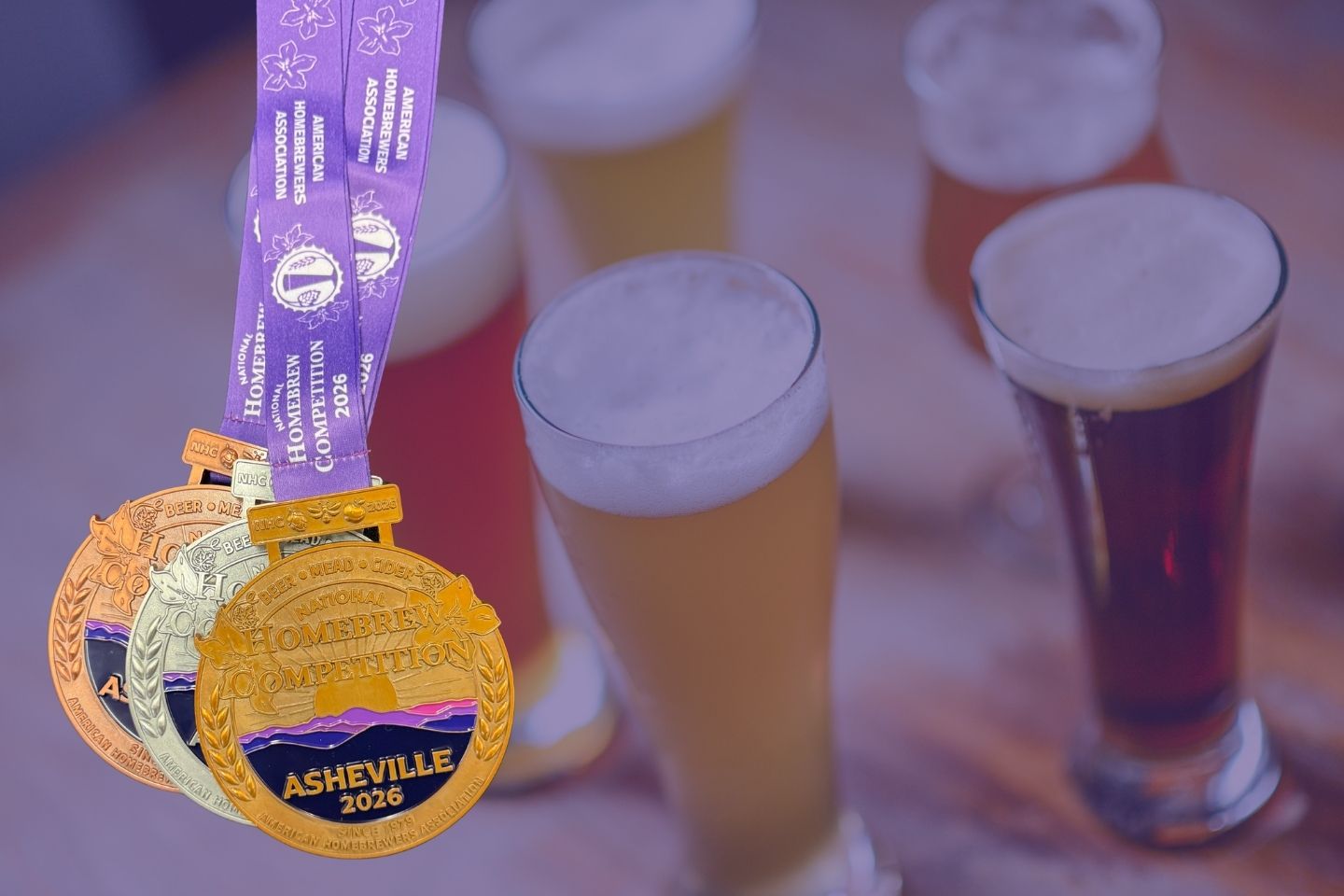
Detailed Overview of Medal-Winning Formulations
The 2026 final round presented a striking diversity of styles, ranging from hyper-traditional lagers to boundary-pushing experimental fermented beverages. Among the standout entries highlighted in this year’s recipe release are several exceptional high-gravity creations and traditional interpretations.
For instance, the perry category featured the striking "Eyes Pie Perry," an amateur masterpiece boasting a robust 14% ABV, built upon a heavy original gravity (OG) of 1.169 (38°P) and finishing at 1.066 (16.2°P). In the realm of high-alcohol dark beers, "Hard Days Night" caught the attention of judges with an ABV of 10.4%, 38 International Bittering Units (IBUs), and an SRM color rating of 22, showcasing a brilliant balance of malt depth and hop bitterness.
Other notable specialty and high-gravity offerings included "BDSM," a formidable brew clocking in at 11.2% ABV, 26 IBUs, and an SRM of 30. Cider and mead makers similarly pushed stylistic boundaries. "Westside HoneyCrisp" achieved an intriguing balance with a 7.6% ABV, an OG of 1.054 (13.3°P), and a remarkably dry final gravity of 0.996 (-1.04°P). Meanwhile, "Not If We Jam It!" offered a more sessionable approach at 4.6% ABV with an SRM of 5 and an OG of 1.048 (12°P).

Lager and ale traditionalists were equally represented. The entry previously known as "String of Perles," officially designated as "German Pils," demonstrated precision brewing with a 5.2% ABV, 35 IBUs, and a pale 3.4 SRM. Similarly, the "Czech Amber Lager" secured its medal with a 5.6% ABV, 35 IBUs, and an SRM of 14, highlighting the enduring appeal of classic Central European brewing techniques.
Supporting Data and Technical Metrics
Analyzing the technical specifications across the winning entries reveals the sheer technical competence required to medal at the national level. The spectrum of original gravities, final gravities, bitterness units, and color ratings underscores the precision demanded by BJCP judges.
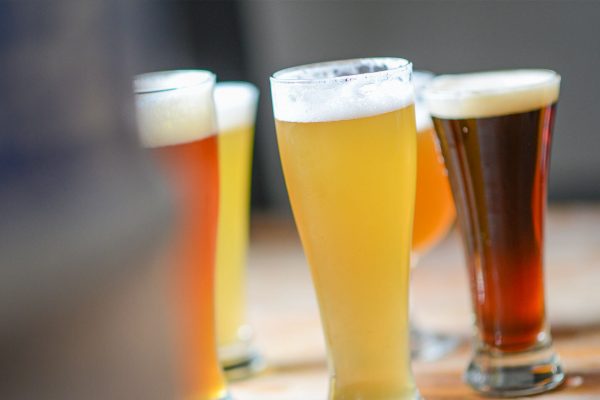
From session-strength ales like "The Bitter Formally Known as Herbal Joe’s" at 4.2% ABV and 38 IBUs, to extreme specialty fermentations like "Smoking Cassis" reaching a staggering 16% ABV and an OG of 1.160 (36.2°P), the data points illustrate a community of brewers operating with laboratory-grade control over their fermentation environments. Parameters such as SRM (Standard Reference Method) ratings ranged from straw-gold pilsners up to opaque imperial stouts and porters exceeding 35 SRM, proving that excellence is distributed evenly across the entire spectrum of beer, mead, and cider styles.
Official Responses and Industry Reception
Representatives from the American Homebrewers Association emphasized the exceptional quality of submissions in 2026. While individual competitor statements reflect a mixture of humility and excitement, the collective sentiment among organizers and participants is one of triumph over increasingly sophisticated brewing challenges.
Industry analysts note that as homebrewing equipment and ingredient availability have advanced—allowing amateur makers to utilize professional-grade yeast strains, temperature fermentation controls, and advanced water chemistry adjustments—the quality gap between commercial craft breweries and top-tier homebrewers has effectively vanished. This parity has made events like the National Homebrew Competition more competitive and prestigious than ever before.
Broader Impact and Implications for the Craft Beverage Sector
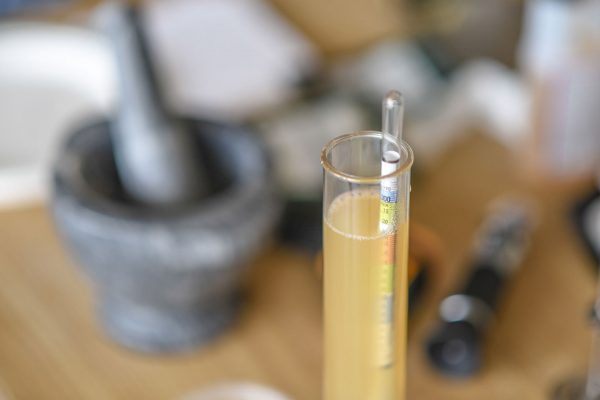
The publication of these winning recipes carries significant implications for both hobbyists and the broader commercial beverage industry. For homebrewers, access to these formulations provides a tangible roadmap for improving technical execution, recipe design, and yeast management. The AHA maintains an extensive public recipe archive on HomebrewersAssociation.org, ensuring that historical and contemporary winning formulas remain accessible as educational tools.
For the commercial sector, the competition continues to serve as an invaluable talent pipeline. Professional breweries frequently collaborate with National Homebrew Competition winners to scale up their award-winning recipes for commercial release through pro-am brewing partnerships. As consumer demand for experimental, high-quality, and niche fermented beverages persists, the innovations developed in home garages and basements—as demonstrated by the 2026 medalists—will undoubtedly continue to shape the commercial market trends of tomorrow.