
The Mechanics of Low-Sugar Preservation
The traditional method of making jam relies on high-methoxyl pectin, which requires a precise balance of high sugar (often 55% to 85% of the total weight) and high acidity to create a structural bond. In contrast, this raspberry jam recipe utilizes low-methoxyl pectin, which is activated by calcium rather than sugar. This chemical distinction allows home canners to significantly reduce the caloric density of the final product while maintaining the integrity of the fruit’s natural flavor profile.
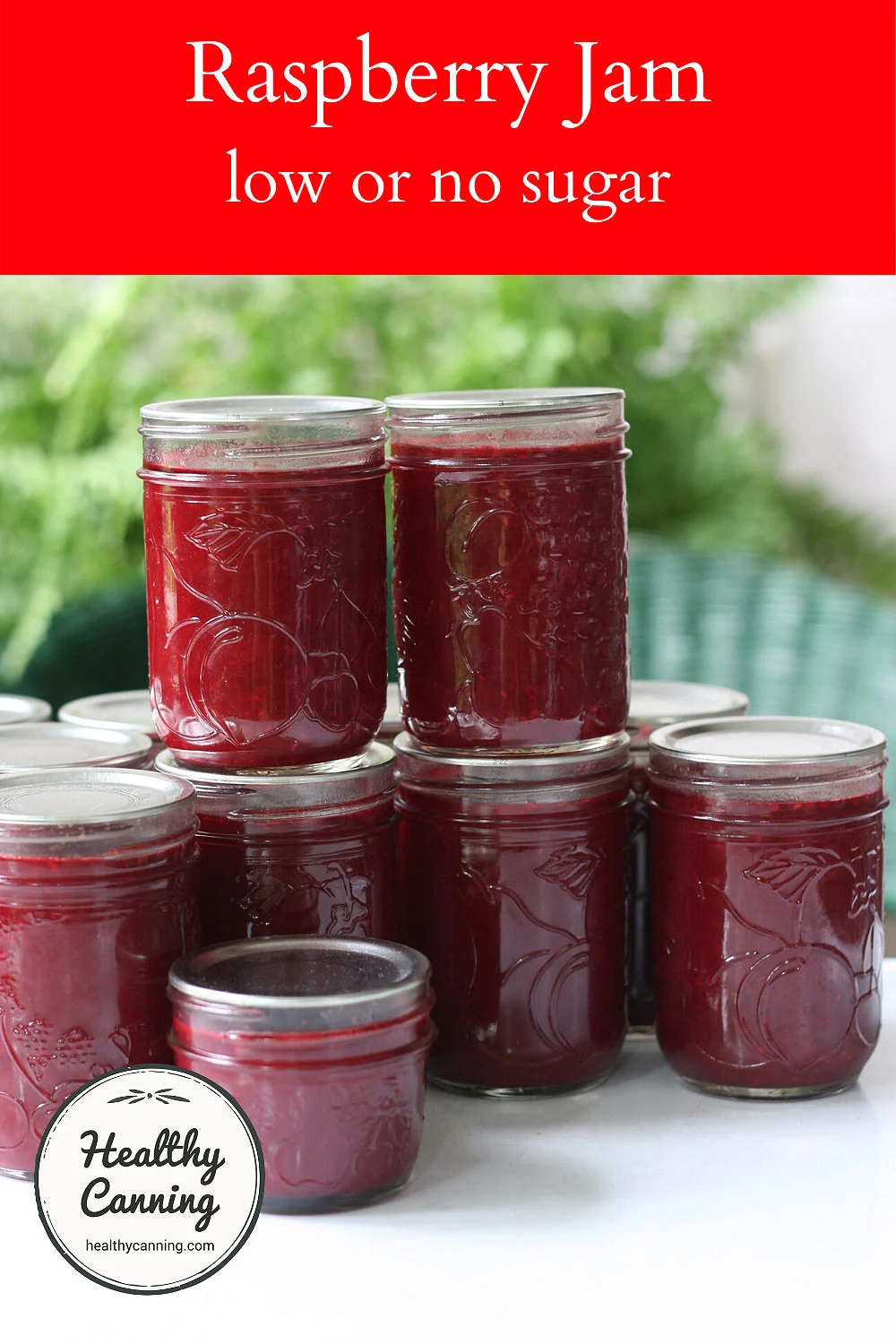
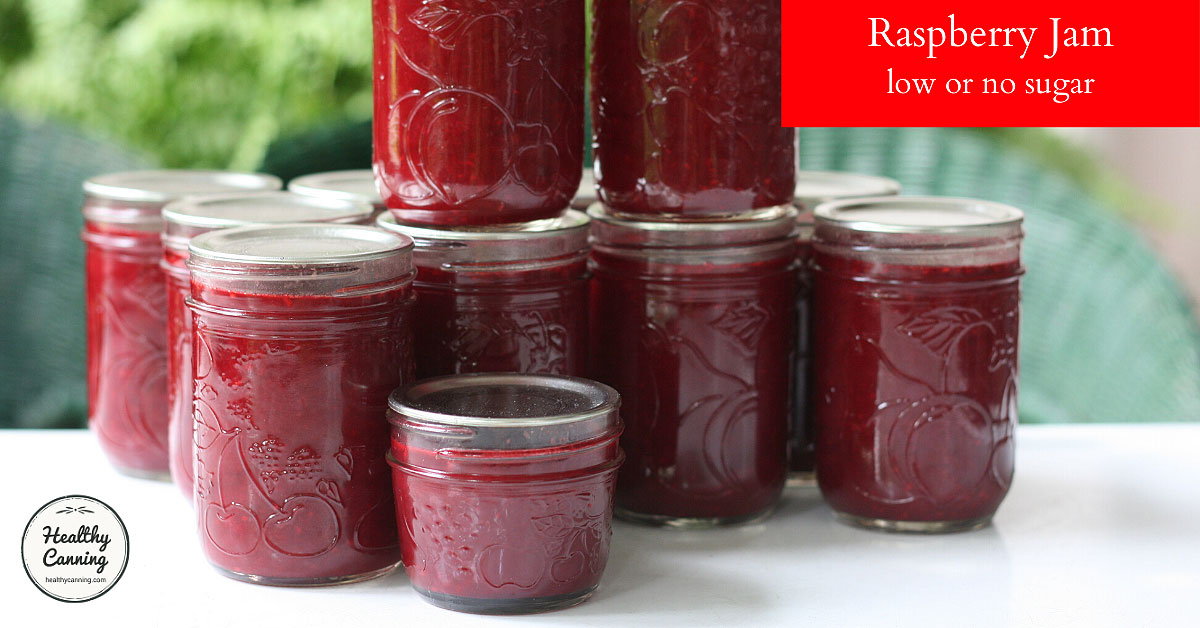
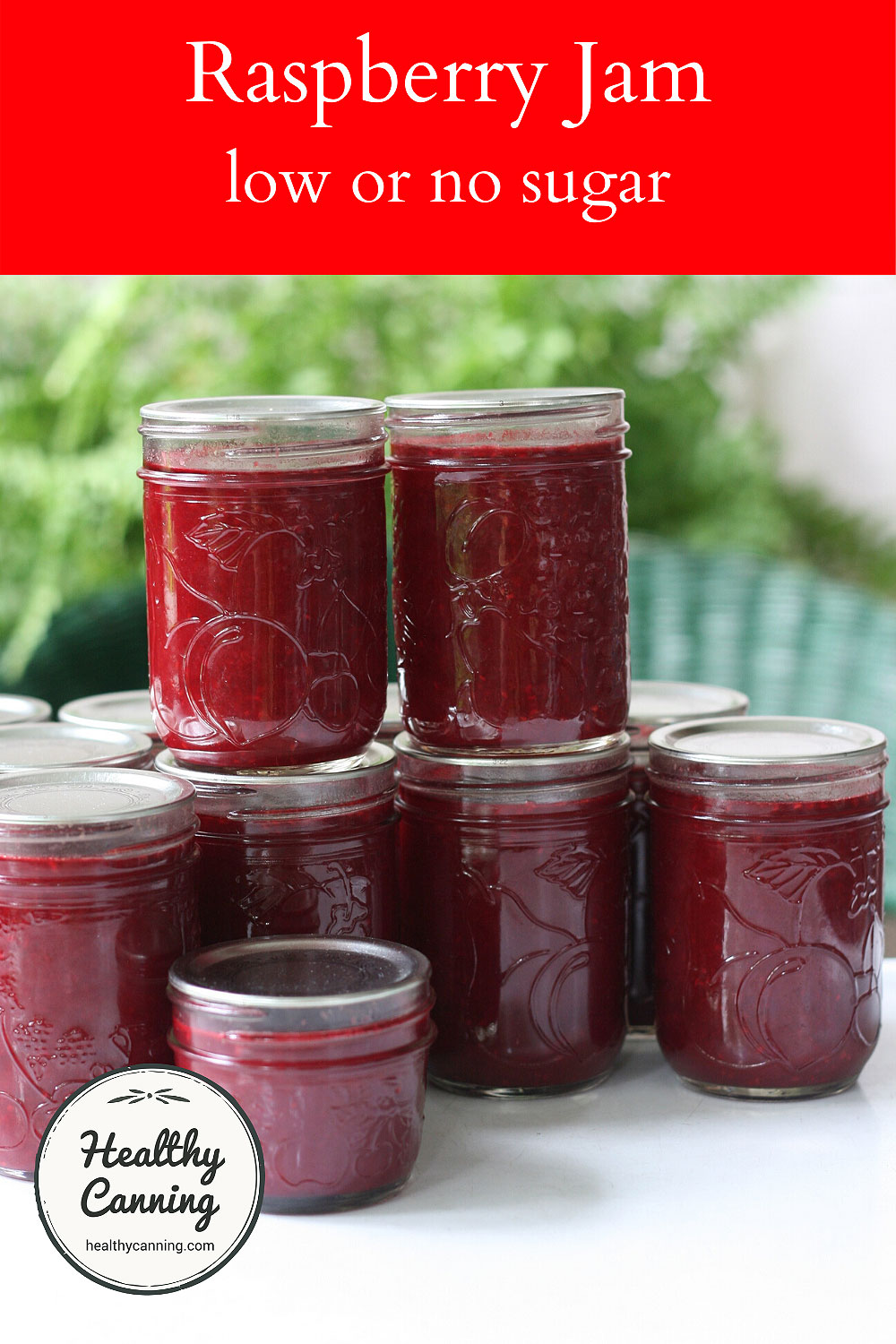
For a standard yield of four quarter-litre (250 ml / 8 oz) jars, the recipe allows for extreme flexibility in sweetening agents. Canners may choose between 200 grams of granulated sugar, honey, liquid stevia, or artificial sweeteners like Splenda. This versatility is a hallmark of modern preservation, catering to diabetic-friendly diets and those seeking to reduce their intake of processed carbohydrates.
Technical Specifications and Processing
The process of creating this jam involves specific technical parameters to ensure both culinary quality and microbiological safety. The recipe requires a 1 cm (1/4 inch) headspace—the gap between the top of the jam and the lid—to allow for a proper vacuum seal during the cooling process.
Processing is conducted via two primary methods approved by the United States Department of Agriculture (USDA) and the National Center for Home Food Preservation (NCHFP): water bath canning or steam canning. Both methods involve a 10-minute processing time, which must be strictly adjusted based on the canner’s altitude. Failure to adjust for altitude can lead to under-processing, as the boiling point of water decreases at higher elevations, potentially allowing thermophilic bacteria to survive.
The recipe is equally effective with fresh raspberries during a "glut" or harvest peak, or with frozen raspberries, providing a year-round preservation opportunity. While the removal of seeds is an optional aesthetic and textural choice, the core recipe remains robust enough to handle various fruit preparations without compromising the set of the jam.
Chronology of Modern Home Canning Trends
The evolution of home canning can be viewed through several distinct phases that have led to the current popularity of low-sugar raspberry jam:
- The Early 20th Century: Canning was a necessity for survival, focused on high-sugar and high-salt preservation to ensure caloric density through winter months.
- The 1970s and 80s: The rise of the "Back to the Land" movement saw a renewed interest in home preservation, but recipes remained largely tied to high-sugar pectin varieties.
- The Introduction of Low-Methoxyl Pectin: The commercial availability of Pomona’s Pectin provided a scientific breakthrough for home cooks, allowing for the first time the creation of jams that were "fruit-forward" rather than "sugar-forward."
- The 2020 Surge: The COVID-19 pandemic and subsequent supply chain disruptions caused a massive spike in home canning activities. According to industry reports, sales of canning supplies increased by over 300% in some regions, with a specific focus on healthier, low-sugar recipes as consumers became more health-conscious during lockdowns.
Supporting Data: Nutritional and Economic Analysis
The nutritional profile of this raspberry jam highlights its appeal to the modern consumer. When prepared with standard sugar, a single tablespoon contains approximately 21 calories. However, when substituted with granulated Splenda, the caloric count drops to roughly 10 calories per tablespoon, with only 2 grams of carbohydrates.
Nutritional Breakdown (per tablespoon with sugar):
- Calories: 21 kcal
- Carbohydrates: 5 g
- Fiber: 1 g
- Sugar: 4 g
- Vitamin C: 4 mg (providing a modest boost to daily intake)
Economically, home canning raspberries can be highly cost-effective, particularly for those with access to wild berries or home gardens. While the initial investment in jars and a canner is required, the per-unit cost of a 250 ml jar of artisanal-quality, low-sugar jam is significantly lower than equivalent retail products, which often command a premium price in specialty health food stores.
Institutional Responses and Safety Standards
Food safety experts and Master Food Preservers have emphasized the importance of following tested recipes when working with low-sugar spreads. Because sugar acts as a secondary preservative by binding water (reducing water activity), low-sugar jams have a shorter refrigerator shelf life once opened compared to traditional jams.
The NCHFP and various University Extension programs have issued statements reminding home canners that while pectin types can be swapped (provided the recipe is designed for that specific pectin), the acidity of the fruit must remain constant. Raspberries are naturally high-acid fruits, making them ideal candidates for water bath and steam canning. However, the addition of ingredients like vanilla or excessive amounts of low-acid additions must be handled with caution to maintain a pH level below 4.6, the threshold for preventing the growth of Clostridium botulinum.
Broader Impact and Environmental Implications
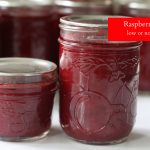
The move toward recipes like Raspberry Jam (with Pomona pectin) reflects a broader societal shift toward sustainable living and waste reduction. By utilizing "gluts" of fruit—surpluses that might otherwise rot—home canners are actively participating in a circular food economy.
Furthermore, the environmental impact of home canning is notable. The reuse of glass jars over several years reduces the carbon footprint associated with the manufacturing and recycling of single-use plastic or glass containers found in commercial settings. The ability to use frozen fruit also allows consumers to process food in smaller batches throughout the year, reducing the energy spike associated with massive, single-day harvest processing.
The Role of Ingredient Modifications
The flexibility of the Pomona pectin recipe allows for various modifications that do not compromise safety. The original source for this recipe—a Seedless Raspberry-Honey-Vanilla Jam from Pomona—was modified by enthusiasts to omit vanilla beans and include options for ascorbic or citric acid to maintain color and tanginess. These modifications represent the "citizen science" aspect of home canning, where recipes are refined for personal taste while adhering to the strict safety protocols of the processing method.
Conclusion: The Future of Preservation
As we look toward the future of food preservation, recipes like this one serve as a template for the industry. They demonstrate that the preservation of seasonal flavors does not have to come at the cost of high sugar consumption. The integration of calcium-activated pectins, the acceptance of steam canning as a validated method, and the focus on nutritional transparency are all indicators of a maturing hobby that has transitioned into a sophisticated culinary discipline.
For the modern home canner, the goal is no longer just to fill a pantry, but to curate a collection of foods that reflect personal values: health, sustainability, and the preservation of peak-season quality. Raspberry Jam (with Pomona pectin) is more than a condiment; it is a testament to the science of safe, healthy, and delicious food storage in the 21st century.