
The pursuit of extreme longevity and the reversal of aging has captivated humanity for centuries, but never before has it manifested with such public spectacle as in the case of tech entrepreneur Bryan Johnson. The subject of the Netflix documentary Don’t Die, Johnson has garnered significant media attention for his ambitious "Project Blueprint," a meticulously controlled regimen designed to achieve the lowest possible "biological age" – often referred to simply as bio age. This quest, reportedly costing him millions annually, involves an intricate daily protocol of dozens of supplements, weekly dermatological treatments like acid peels, collagen-boosting injections, hyperbaric oxygen therapy, and even plasma infusions sourced from his 17-year-old son. Central to validating these efforts, Johnson claims, are numerous bio age tests, which he asserts indicate he has effectively aged in reverse, registering 5.1 years younger than when he commenced his journey.
However, Johnson’s claims are not without controversy. A comprehensive New York Times exposé challenged these assertions, reporting that, contrary to his own statements, Johnson’s biological age may have, in fact, increased by ten years according to some metrics. This discrepancy highlights a fundamental debate within the scientific and medical communities regarding the reliability, interpretation, and utility of biological age testing. Despite these criticisms, Johnson’s “don’t die” crusade continues to gain traction, fueling a burgeoning industry around bio age assessment. The concept frequently features on popular podcasts hosted by influential figures like Peter Attia, Joe Rogan, and Andrew Huberman, and a quick online search for “bio age testing” reveals a plethora of advertisements for mail-order blood or urine testing kits promising to reveal one’s biological age, pace of aging, and more. With the perceived affordability of these tests, it is natural to question their value: Should individuals or their clients invest in bio age testing, which test is most reliable, and crucially, what actionable insights can be derived from the results?
Understanding Biological Age: Beyond the Calendar
At its core, your biological age refers to the functional state of your cells, tissues, and organs, reflecting their overall health and efficiency. This stands in stark contrast to chronological age, which is simply the number of years you have lived since birth. While chronological age progresses linearly, biological age can be influenced by a myriad of factors, both genetic and environmental, leading to significant variations among individuals of the same chronological age.
Consider the hypothetical case of two 50-year-old men, Chang and Jabari. Chang leads a sedentary life, working at a desk, spending his free time in front of the television, residing in a highly polluted urban environment, consuming processed foods, and smoking. Jabari, on the other hand, prioritizes physical activity, engaging in regular gym sessions, lives in a cleaner, mountainous region, abstains from smoking, enjoys a diet rich in fruits and vegetables, practices meditation, and spends evenings gardening. Barring extraordinary genetic predispositions, it is a reasonable inference that Jabari’s lifestyle choices would translate into a significantly younger biological age compared to Chang’s. This illustrates the profound impact of lifestyle on the aging process at a cellular level.
The Science Behind Bio Age Measurement
Biological age testing kits aim to quantify this cellular functionality by measuring specific biological markers, or biomarkers, associated with aging. These biomarkers serve as measurable indicators of biological processes, pathogenic processes, or pharmacological responses to therapeutic intervention.
One prominent area of focus involves telomeres, the protective caps found at the ends of chromosomes. Telomeres shorten with each cell division, acting as a kind of cellular clock. Critically short telomeres are associated with cellular senescence and an increased risk of age-related diseases. While telomere length is a recognized biomarker of cellular aging, its precise predictive power for overall human longevity in healthy individuals remains a subject of ongoing scientific debate.
Another widely studied mechanism is DNA methylation, a physiological process involving the addition of methyl groups to DNA molecules, which can alter gene expression without changing the underlying DNA sequence. These methylation patterns change predictably with age, making them a powerful tool for developing "epigenetic clocks." Pioneering work by scientists like Steve Horvath led to the development of the Horvath Clock, a groundbreaking method that uses DNA methylation levels across hundreds of sites in the genome to estimate biological age. More recently, the DunedinPACE (Phenotypic Age Acceleration) algorithm has emerged, designed to measure the pace of aging rather than just a snapshot of biological age, offering insights into whether an individual is aging faster or slower than their chronological counterparts. These epigenetic clocks, while invaluable research tools, were initially developed for scientific study, not for direct consumer application. Nevertheless, commercial entities have quickly adapted and marketed DNA methylation testing kits to the public, typically costing around $300.
It is important to note that commercial tests based on these complex biological processes are often derived from blood or urine samples. Once the specific markers are isolated and measured, proprietary algorithms are employed to calculate an individual’s estimated biological age. However, these tests face several scientific and practical challenges, including standardization issues, variability in results across different platforms, and the fact that aging is a multi-system process, meaning that different organs and tissues can age at different rates. A blood-based methylation test, for instance, provides information about the biological age of blood cells, which may not perfectly reflect the aging of the brain, heart, or kidneys. This underscores the need for a holistic approach to health assessment, rather than relying on a single biomarker test.
Accessible Biomarkers: Free and Doctor-Approved Tests
While sophisticated, expensive commercial tests garner significant media attention, a wealth of scientifically validated biomarkers of aging are readily accessible, often at no cost or as part of routine medical care. These methods, often overlooked, were historically used by researchers to assess the pace of aging long before the advent of high-tech blood-based assays.
Free Biomarker Tests:
-
The Sitting-Rising Test (SRT): This simple test assesses both strength and balance, two critical indicators of physical fitness and longevity. Research consistently demonstrates a strong correlation between higher levels of fitness and strength and increased lifespan. Muscles, beyond their role in movement, produce anti-inflammatory substances, regulate blood sugar, and protect arterial linings, all of which mitigate the risk of age-related diseases like type 2 diabetes and cardiovascular disease. The SRT involves lowering oneself to the floor into a crisscross leg position and then standing back up, also in a crisscross position, with minimal support. Starting with a score of 10 points, one point is deducted for each body part (hand, knee, shin) used for leverage, and half a point for unsteadiness. Studies, including a 12-year study of 4,200 adults, have linked low SRT scores to a higher risk of cardiovascular mortality. A low score serves as a proxy, signaling potential deficiencies in balance, coordination, muscle strength, and mobility that warrant attention.
-
Grip Strength Test: Grip strength serves as a robust indicator of overall muscular strength and, by extension, general health and longevity. Weakness in hand muscles often mirrors weakness throughout the body. Longitudinal studies have shown that poor grip strength can predict future functional limitations, such as difficulty walking, rising from a chair, or climbing stairs decades later. Low grip strength has been associated with increased risks of cardiovascular disease, stroke, diabetes, and certain cancers. One study even suggested that grip strength might be a better predictor of longevity than blood pressure. A simple home test involves squeezing a standard tennis ball as hard and long as possible. A duration of 15-30 seconds is considered adequate, while over 90 seconds places an individual in the upper third percentile. For more precise measurements, a hand-held dynamometer, available at many physical therapy clinics and some gyms, can be used.
-
One-Leg Stand Test: The ability to balance on one foot for an extended period is crucial for preventing falls, a leading cause of injury-related death among older adults. This test demands the coordinated function of multiple bodily systems, including the eyes, inner ear, skeletal muscles, and brain. Impaired balance can be an early warning sign of underlying health conditions such as diabetes, heart disease, or cancer. To perform the test, stand near a wall or chair for safety, hands on hips, and lift one leg, timing how long you can maintain balance before your foot touches the ground. Repeat with the other leg. Comparing personal times to age-matched averages, such as those from a Duke University study, can provide valuable insight into one’s balance capabilities relative to peers.
-
Fatigability Assessment (How You Feel): While temporary tiredness is common, persistent and unexplained fatigue that interferes with daily life is a critical biomarker. It can signal underlying health issues that accelerate aging. Beyond ruling out common culprits like poor sleep, dehydration, excessive caffeine or alcohol, and chronic stress, persistent fatigue warrants investigation for conditions such as anemia, obesity, depression, cancer, or diabetes. For individuals aged 60 or older, fatiguability—the degree of weariness experienced after an activity—is a strong predictor of longevity. The Pittsburgh Fatigability Scale allows individuals to rate their perceived fatigue (0-5) after various activities. A total score below 15 is excellent, 15-24 is a warning sign, and 25 or above is considered severe and should prompt a consultation with a healthcare professional.
-
Body Composition Analysis: Body composition, specifically the ratio of muscle mass to body fat, is a far more insightful indicator of health and longevity than simple body weight. Both excessive and insufficient body fat can negatively impact health, increasing the risk for heart disease, high blood pressure, cancer, and metabolic disorders. Crucially, adequate muscle mass is vital; low muscle mass (sarcopenia) is linked to a higher risk of falls, insulin resistance, and faster cellular aging. While gold-standard methods like DEXA scans are expensive, a tape measure can provide a comparably accurate estimate of body fat percentage when combined with height, weight, age, and sex using an online calculator. Measurements of the waist, hip, and neck are typically used.
Doctor-Approved Biomarker Tests:
These tests, often covered by insurance as part of routine preventative care, provide crucial insights into an individual’s internal health.
-
Comprehensive Blood Panel: Regular blood work is a cornerstone of preventative medicine. Monitoring markers such as total cholesterol, LDL ("bad" cholesterol), HDL ("good" cholesterol), triglycerides, Apo B, Lipoprotein (a), C-reactive protein (an inflammation marker), fasting glucose, and Hemoglobin A1C (average blood sugar over 2-3 months) can help predict the risk of type 2 diabetes and cardiovascular disease, two leading causes of premature mortality. Many of these markers are responsive to lifestyle interventions (diet, exercise, stress management) and medication within weeks or months, making them excellent tools for tracking the effectiveness of health strategies. Healthcare professionals use these values, alongside blood pressure, to calculate an individual’s overall cardiovascular disease risk score.
-
Bone Density Scan (DEXA): Strong bones are a hallmark of healthy aging, often observed in "super-agers" living past 90. Bones are metabolically active organs that secrete substances like osteocalcin, a hormone thought to influence muscle function, brain neurotransmitters, and overall metabolic health. Declining osteocalcin levels due to bone loss are hypothesized to contribute to various age-related problems, including diabetes and cognitive issues. Loss of bone density, or osteoporosis, significantly increases the risk of fractures, which can elevate mortality risk for up to a decade post-injury. DEXA (Dual-energy X-ray absorptiometry) scans measure bone mineral content and are particularly important for individuals in high-risk categories (postmenopausal women, those with a history of fractures, low body weight, or certain medical conditions). A T-score derived from DEXA compares an individual’s bone density to that of a healthy young adult, indicating normal density, osteopenia, or osteoporosis.
Commercial Bio Age Tests: Promises and Pitfalls
For those willing to invest, a growing market offers more advanced commercial bio age tests. While these tests can provide intriguing data, it is crucial to approach them with a critical perspective, understanding their current limitations and the scientific context.
Caveats for Commercial Tests:
- Variability and Organ-Specific Aging: Biological age is not static; it can fluctuate in response to stress, illness, or recovery. Moreover, different organs can age at different rates. A test measuring blood markers may not reflect the aging of other crucial systems.
- Reliability and Validation: Many commercial tests lack robust independent scientific validation for their claims of accurately predicting overall biological age or the efficacy of interventions. Research tools are not always designed for direct consumer application.
- Avoid Proprietary Sales Pitches: Be wary of companies that pair test results with aggressive sales pitches for expensive, proprietary supplement protocols. Always discuss results with a trusted healthcare professional.
Specific Commercial Tests:
-
DNA Methylation (Epigenetic Clocks): As discussed, these tests (e.g., Horvath Clock, DunedinPACE) measure specific methylation patterns to estimate biological age and aging pace. While powerful in research settings, their utility for the average consumer to pinpoint an exact biological age for all body systems is limited. They cost around $300. Crucially, a DNA methylation test is not a substitute for a comprehensive annual wellness checkup or standard blood work, as it provides only a partial picture of overall health.
-
Telomere Analysis: Telomeres, the protective caps on chromosomes, shorten with age, influencing cellular division and lifespan. While specific telomere tests (like flow-FISH) are used in medicine to diagnose certain genetic diseases, the qPCR telomere test marketed to the public (around $100) is not widely used in research or clinical practice for predicting aging in healthy individuals. While it may satisfy curiosity, health and fitness decisions should not be based solely on these results due to their uncertain predictive power and reliability.
-
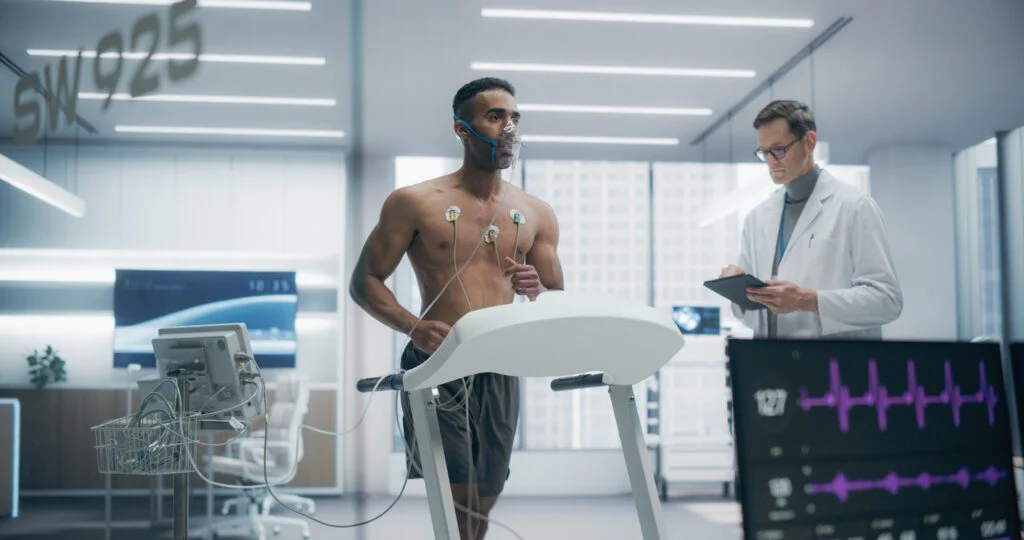
VO2 Max Testing: VO2 max, the maximum amount of oxygen the body can utilize during intense exercise, has long been a benchmark for elite athletes. Increasingly, it is recognized as a powerful predictor of overall health and longevity for everyone. Higher VO2 max correlates with greater physical fitness and a lower risk of heart disease, diabetes, cancer, and stroke. An observational study of over 5,000 Danish men over 46 years found that those with above-average VO2 max in middle age lived, on average, five years longer than their peers with below-average scores, with each unit increase in VO2 max linked to a 45-day increase in longevity. This suggests VO2 max might be a more accurate predictor of all-cause mortality than traditional risk factors like high cholesterol or blood pressure.
VO2 max naturally declines by about 10% per decade after age 30, due to age-related changes in lung elasticity, cardiac output, muscle mass, and mitochondrial efficiency. While the most accurate measurement requires a laboratory setting (wearing a metabolic mask during exhaustive exercise, costing around $150), several accessible alternatives exist:
- 1-Mile Walk Test: Walking a mile on a flat surface while wearing a heart rate monitor and plugging the data into a specific formula or online calculator can estimate VO2 max.
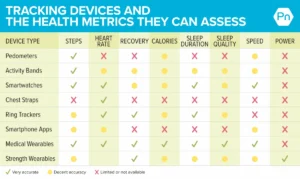
- Smartwatch Estimates: Many smartwatches provide VO2 max estimates based on workout data, sex, and age. While potentially less accurate than lab tests, especially for very unfit or extremely fit individuals, they can effectively track trends over time.
- 12-Minute Run Test (Cooper Test): This validated test, showing about 90% correlation with lab measurements, involves running as far as possible on a flat surface (e.g., track or treadmill at 1% incline) for 12 minutes. The distance covered can then be plugged into a formula or online calculator to estimate VO2 max.
Strategies for Influencing Biological Age: Turning Data into Action
The information gleaned from biological age tests, whether simple or complex, should be viewed as data points—not moral judgments or permanent pronouncements. This data offers an opportunity for intervention and improvement. However, two common pitfalls often undermine efforts to positively influence biological age.
Mistake #1: Overlooking Evergreen, High-Impact Strategies
Many individuals are drawn to novel, trendy, and often expensive anti-aging solutions while neglecting the foundational, scientifically robust lifestyle practices that consistently yield the greatest dividends in terms of longevity and quality of life. These "big rock" strategies, while perhaps perceived as mundane, are the bedrock of healthy aging:
- Consistent Physical Activity: Regular exercise, encompassing strength training, cardiovascular activity, and flexibility, is paramount.
- Nutrient-Dense Diet: Emphasizing whole foods, fruits, vegetables, lean proteins, and healthy fats, while limiting processed foods, sugar, and unhealthy fats.
- Adequate, High-Quality Sleep: Prioritizing 7-9 hours of restorative sleep per night.
- Effective Stress Management: Implementing techniques such as meditation, mindfulness, spending time in nature, or engaging in hobbies.
- Maintaining Healthy Body Composition: Optimizing muscle mass and managing body fat within healthy ranges.
- Smoking Cessation and Moderate Alcohol Consumption: Eliminating harmful habits.
- Strong Social Connections: Fostering meaningful relationships, which are linked to better health outcomes.
- Lifelong Learning and Cognitive Engagement: Keeping the brain active and challenged.
Thousands of studies underscore that individuals consistently adhering to these practices not only live longer but experience a significantly higher quality of life, marked by greater strength, happiness, and reduced incidence of age-related disability and pain. The challenge lies in behavioral change; adopting these practices consistently often requires support, which is why certified health coaches, trained in the science of behavior modification, play a crucial role.
Mistake #2: Failing to Translate Data into Action
The allure of data, particularly from advanced biomarker tests, can create a false sense of control. However, data in isolation, without corresponding behavioral change, is ultimately unproductive. Acquiring biological age data without modifying one’s lifestyle is akin to seeing a problem in the mirror but doing nothing to address it.
Biomarker testing should serve as a baseline, a starting point from which to measure progress. It empowers individuals to objectively assess whether their lifestyle adjustments—dietary changes, increased physical activity, improved sleep hygiene, stress reduction techniques, or medical interventions—are effectively moving them closer to their goals of a longer, healthier, and more vibrant life. The true value of bio age testing lies not in the number itself, but in its capacity to inform and motivate sustainable, evidence-based lifestyle modifications.
Broader Implications and Future Outlook
The rise of bio age testing, driven by figures like Bryan Johnson and increasing public interest in longevity, signals a shift in how individuals perceive and manage their health. While the scientific community remains cautious about the definitive interpretation and widespread commercial application of some of these tests, particularly the most expensive ones, the underlying research into biomarkers of aging is rapidly advancing.
The implications are significant:
- Personalized Medicine: In the future, more refined and validated bio age markers could contribute to highly personalized health interventions, allowing doctors to tailor preventative strategies based on an individual’s unique biological aging profile.
- Public Health: A greater understanding of the factors influencing biological age could inform public health campaigns, emphasizing lifestyle interventions that demonstrably slow the aging process.
- Ethical Considerations: As the science progresses, ethical debates surrounding access to these technologies, potential for discrimination based on biological age, and the societal implications of extending human lifespan will intensify.
- Industry Growth: The longevity industry, encompassing everything from nutraceuticals to advanced diagnostics and personalized health coaching, is poised for significant growth, attracting substantial investment and innovation.
In conclusion, while the headline-grabbing efforts of billionaires like Bryan Johnson bring biological age testing into the public consciousness, the most impactful strategies for influencing one’s biological age remain rooted in accessible, evidence-based lifestyle choices and regular engagement with conventional healthcare. The true promise of biological age testing lies not in providing a definitive, unchangeable number, but in offering a dynamic metric that, when properly understood and acted upon, can empower individuals to make informed decisions that promote a longer, healthier, and more fulfilling life.
References
Click here to view the information sources referenced in this article.
If you’re a health and fitness pro…
When your clients are stressed and exhausted, everything else becomes a struggle: going to the gym, choosing healthy foods, and managing cravings.
But with the right tools, you can help your clients overcome obstacles like chronic stress and poor sleep—leading them toward the lasting health transformations they’ve always wanted.
PN’s Level 1 Sleep, Stress Management, and Recovery (SSR) Coaching Certification will give you these tools. And it’ll give you confidence and credibility as a specialized coach who can solve the biggest problems blocking any clients’ progress. (You can join the SSR Early Access List for our biggest discount + exclusive perks.)