The Evolution of Morning Nutrition and Meal Prep
In the last decade, the concept of meal preparation—or "meal prepping"—has transitioned from a niche fitness-community practice to a widespread household habit. According to data from the International Food Information Council, consumer interest in home-cooked breakfasts has increased as individuals seek to avoid the high sodium and sugar content often associated with mass-produced drive-thru or pre-packaged breakfast products.
The sheet pan breakfast wrap, specifically, addresses the "time-poverty" crisis often cited in behavioral studies as the primary reason for skipping the morning meal. By consolidating the cooking process—eggs, proteins such as sausage, carbohydrates like tater tots, and cheese—onto a single flat surface, the method minimizes active cooking time and significantly reduces post-meal cleanup. This is an application of "batch processing," a supply-chain management concept now applied to domestic kitchens to optimize productivity.
Chronology of Modern Breakfast Preparation Trends
The transition from traditional, daily breakfast cooking to centralized weekly prep has occurred in distinct phases:
- The Early 2010s: The rise of social media-driven food blogs and digital recipe repositories popularized the "Sunday Reset" concept, where individuals spent the weekend preparing food for the work week.
- The 2015–2019 Period: Scientific studies published in journals like The American Journal of Clinical Nutrition emphasized the importance of protein-rich breakfasts in stabilizing blood glucose levels throughout the day. This shifted the focus of home cooks toward high-protein, portable items.
- The 2020–2022 Post-Pandemic Shift: The global health crisis forced a permanent change in eating habits. With fewer commutes, individuals gained the time to experiment with freezing techniques, leading to a surge in interest for "freezer-friendly" recipes that mimic the convenience of fast food but with higher nutritional control.
- 2024 to Present: The current era is defined by the integration of technology, such as automated meal planners and digital caloric trackers, which guide the formulation of recipes like the sheet pan wrap to ensure they meet specific macronutrient goals.
Nutritional Implications and Economic Factors
From an economic perspective, the shift toward home-prepared breakfast wraps serves as a hedge against the rising costs of inflation in the quick-service restaurant (QSR) sector. Food cost analysis suggests that preparing a batch of 10–12 breakfast wraps at home can reduce the cost per serving by approximately 60% compared to purchasing equivalent items at commercial breakfast chains.
Furthermore, the nutritional profile of a standard sheet pan wrap is more favorable for the average consumer. By controlling the quality of the sausage (e.g., sourcing nitrate-free options) and the density of the cheese, individuals can reduce hidden caloric intake by up to 300 calories per serving. The integration of eggs provides a high-quality, bioavailable protein source, while the inclusion of complex carbohydrates ensures sustained energy levels.
Methodology: The Sheet Pan Protocol
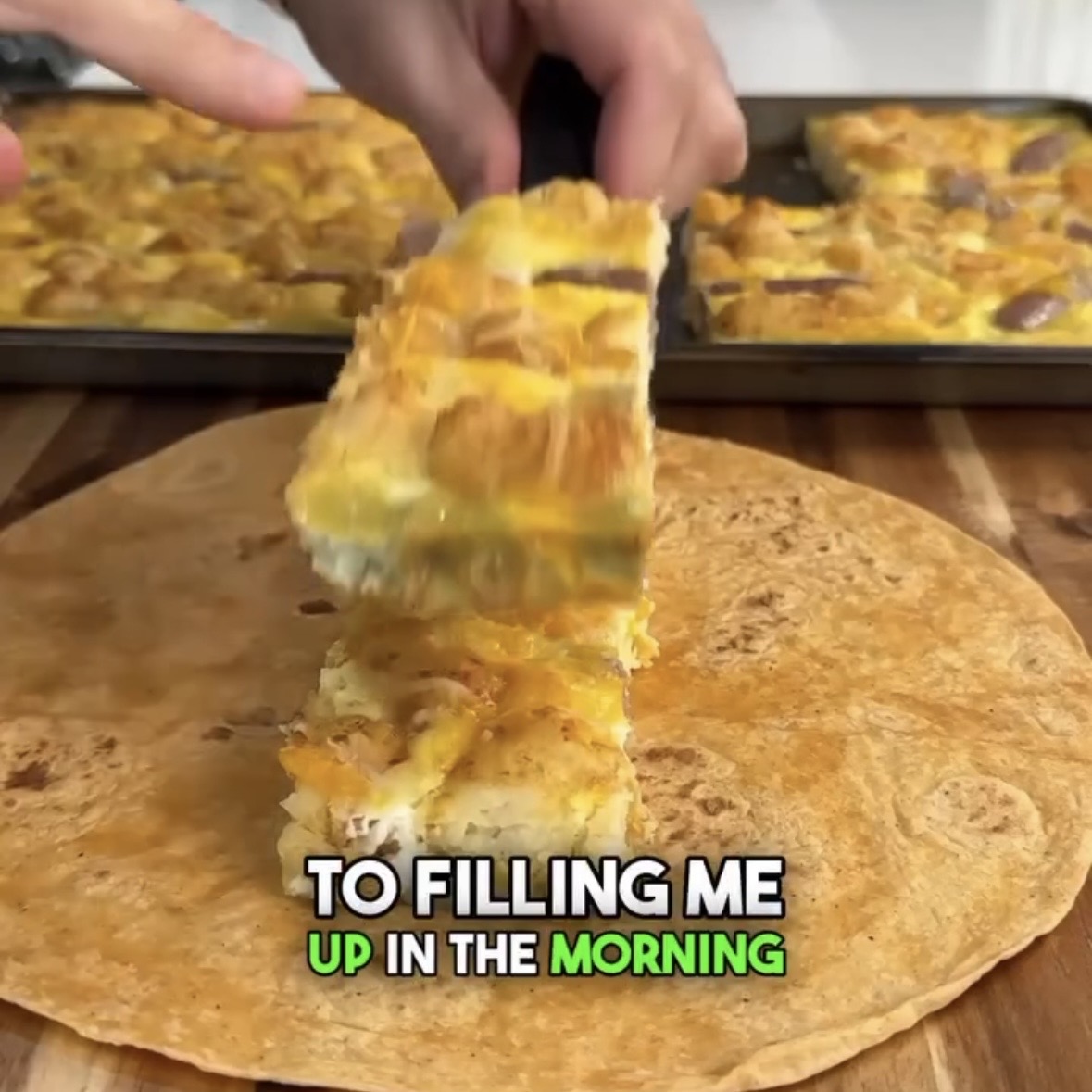
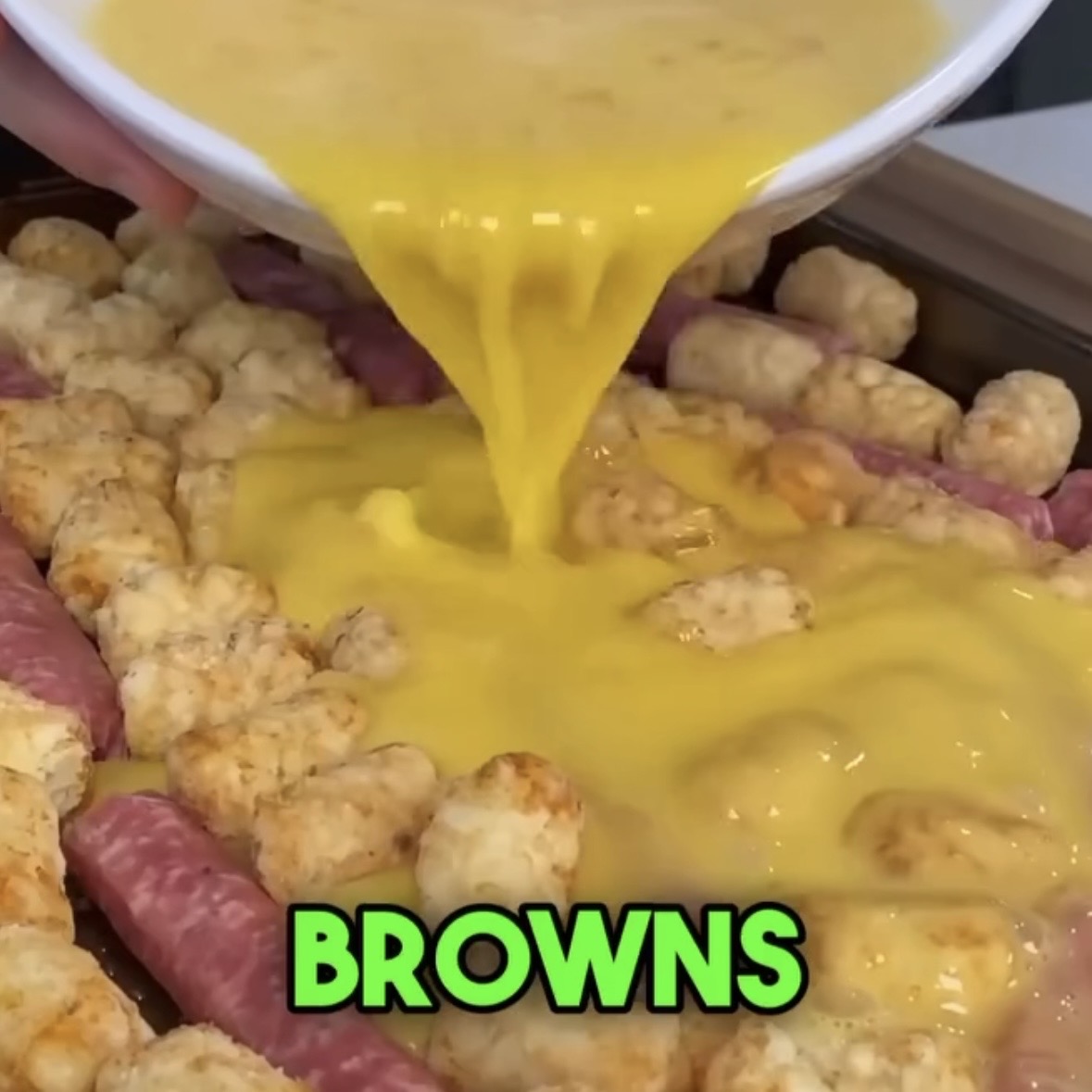
The technical execution of these wraps involves a standardized process designed for consistency. The process begins with the preparation of the baking surface. A large sheet pan is typically lined with parchment paper to prevent adhesion. The eggs are whisked and poured across the tray, creating a uniform, thin layer that acts as the base of the wrap. Sausage crumbles and tater tots are distributed evenly across the egg base, allowing for simultaneous cooking.
The thermal physics of this method is critical: the eggs reach a solid state at approximately 160°F, which aligns with the time required for tater tots to reach an optimal, crispy texture. Once the components are unified, they are sectioned into equal portions. These portions are then placed onto flour or corn tortillas. The final assembly involves rolling the tortillas tightly, which facilitates the freezing process by minimizing air pockets that could lead to freezer burn.

Storage and Preservation Science
Effective preservation of breakfast wraps is contingent upon temperature management. The industry standard for cold storage is maintaining a refrigerator temperature of 40°F (4°C) or below. For long-term storage, the "flash-freezing" method is recommended. By wrapping individual portions in foil or high-quality parchment paper, the moisture content is retained, preventing the wrap from becoming soggy during the reheating phase.
Clinical food safety guidelines suggest that such products can remain stable for up to three months in a deep-freeze environment. When transitioning from a frozen state to consumption, a two-step reheating process—thawing in a microwave for 30 seconds followed by a brief toast in a skillet or air fryer—is considered the most effective way to restore the textural integrity of the tortilla.
Industry Perspectives on Meal Planning
Dietitians and nutritionists often advocate for this level of preparation. Dr. Elena Rodriguez, a specialist in preventative nutrition, notes: "The primary barrier to healthy eating is not lack of desire, but the friction involved in decision-making when an individual is already stressed or tired. By removing the ‘what should I eat’ question from the morning equation, individuals are statistically more likely to adhere to a structured diet."
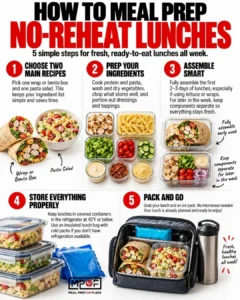
Platforms like the Workweek Lunch meal planner have emerged to fill the gap between the desire for health and the reality of a busy schedule. These tools provide the necessary organizational structure for home cooks, effectively functioning as a project management interface for the kitchen.
Broader Impact and Future Outlook
The rise of the sheet pan breakfast wrap is a microcosm of a larger trend in modern domestic management: the pursuit of "frictionless living." As the divide between professional obligations and personal health grows, the reliance on high-efficiency cooking methods will likely increase.
Future developments in this space are expected to include more sophisticated freezing technologies for the home, such as vacuum-sealing capabilities that can extend the life of pre-prepared meals even further. Additionally, as consumers become more concerned with environmental sustainability, the shift toward batch cooking is also viewed as a tool for waste reduction. By purchasing bulk ingredients and utilizing all components of a grocery haul in a single baking session, households can significantly reduce food spoilage—a major contributor to domestic waste.
In conclusion, the adoption of sheet pan breakfast wraps represents a logical, data-driven approach to the modern morning. It prioritizes nutritional consistency, fiscal responsibility, and time management. For the average professional, the integration of these methods is not merely a culinary preference but a strategic investment in daily operational efficiency. As the practice continues to evolve, it will likely remain a foundational element of the modern, health-conscious lifestyle, proving that even the most complex nutritional goals can be achieved through simple, consistent, and well-organized domestic processes.