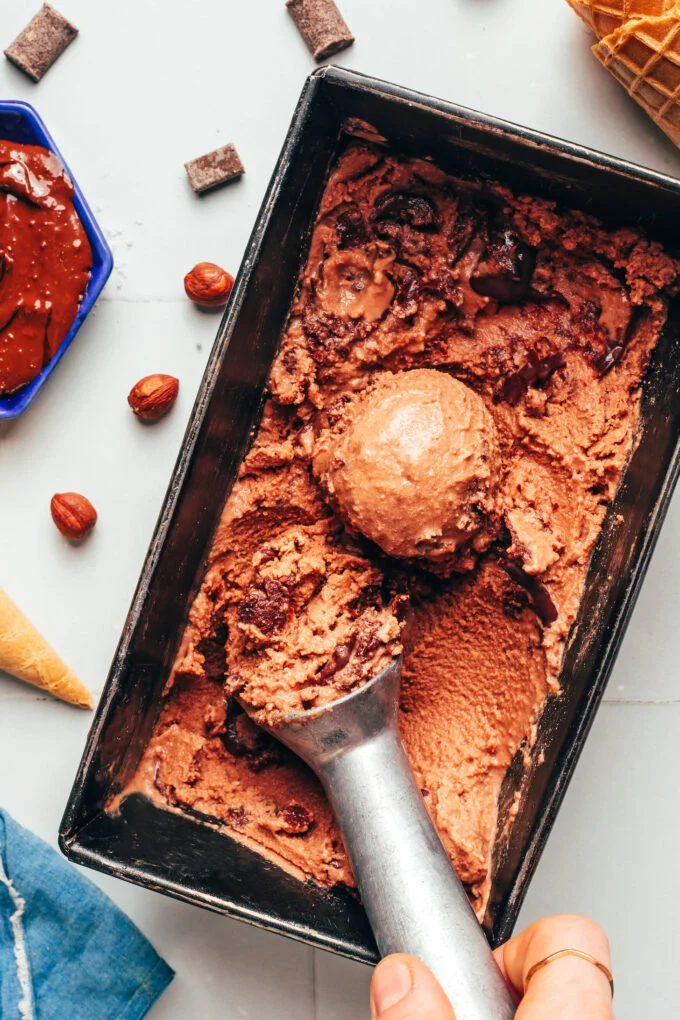

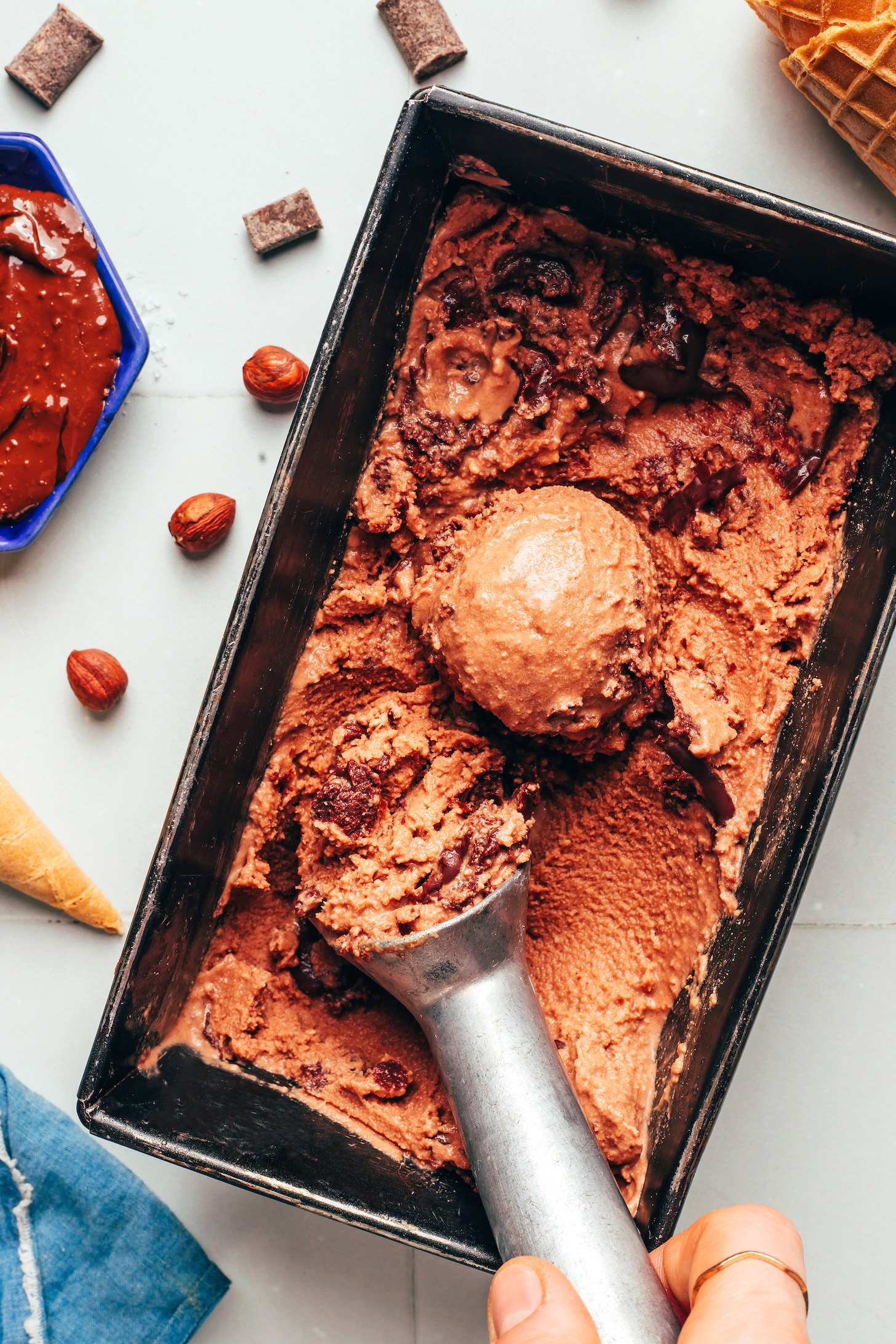
The landscape of modern dessert consumption is undergoing a significant transformation as consumer demand for plant-based, allergen-friendly alternatives continues to surge. Recent developments in culinary technology and ingredient sourcing have culminated in the creation of high-quality, dairy-free frozen desserts that rival their traditional counterparts in texture and flavor profile. Among the latest innovations is a six-ingredient vegan chocolate-hazelnut ice cream, a development that signals a broader trend toward simplified, home-crafted gourmet foods.
The Rise of Plant-Based Frozen Desserts
The global vegan ice cream market has experienced substantial growth over the last five years. According to industry reports, the market is projected to reach several billion dollars in valuation by 2030, driven by an increasing number of lactose-intolerant consumers and a growing segment of the population adopting flexitarian or vegan diets. While early iterations of plant-based ice cream were often criticized for crystalline textures or lingering aftertastes, contemporary methods—utilizing coconut milk bases and refined blending techniques—have achieved a level of creaminess comparable to traditional dairy-based gelato.
The introduction of this specific chocolate-hazelnut recipe reflects a shift in home-cooking trends: the "masterpiece" approach, which focuses on high-quality, minimal ingredients rather than complex, synthetic stabilizers. By stripping away artificial emulsifiers and relying on the natural fats found in hazelnuts and coconut milk, home cooks are able to produce professional-grade desserts that align with clean-label preferences.
Chronology and Methodology of Preparation
The creation of this dessert involves a multi-stage process that emphasizes the importance of ingredient preparation. Unlike mass-produced ice creams that rely on industrial processing to integrate flavors, this artisanal approach mandates a specific order of operations to ensure the structural integrity of the final product.
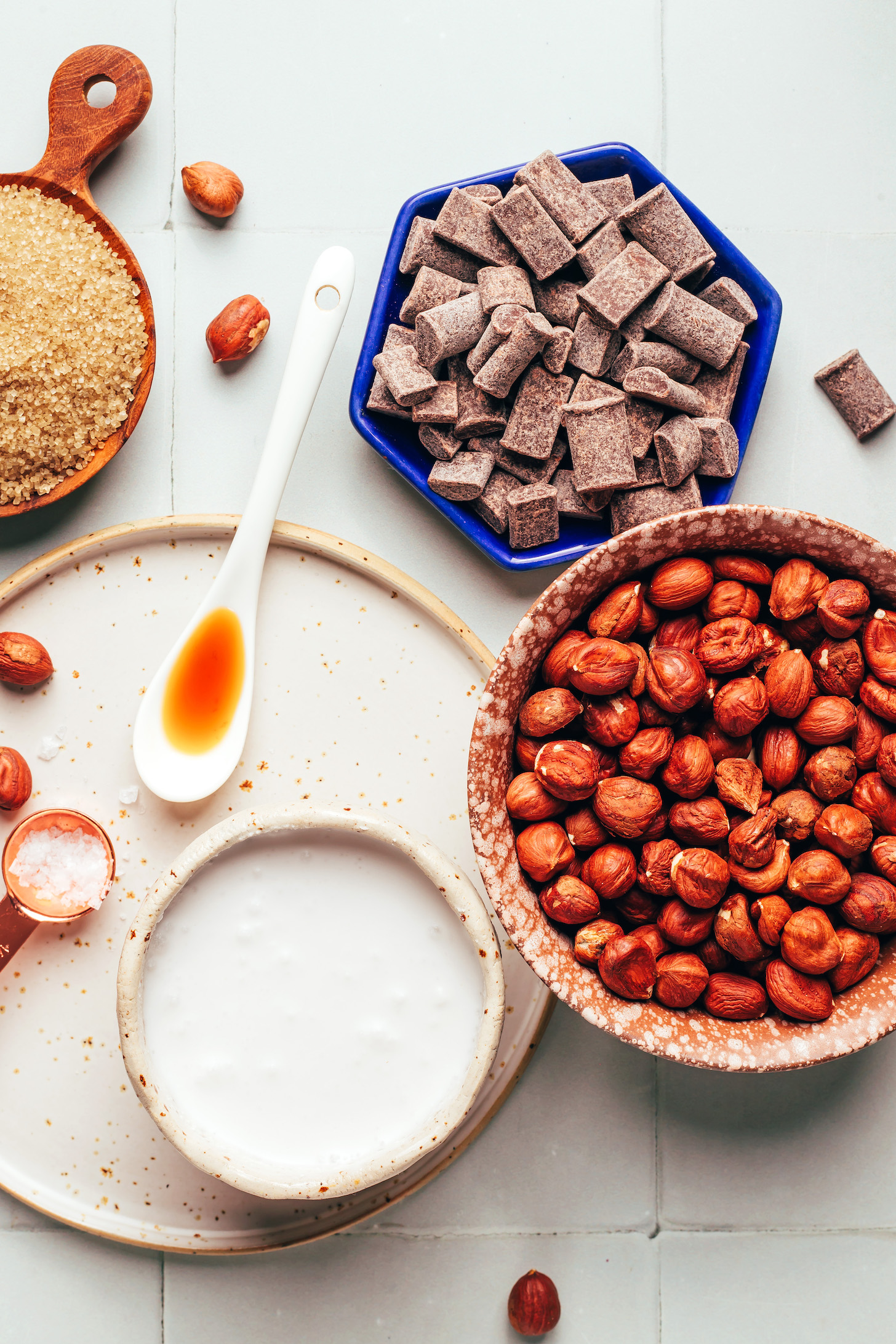
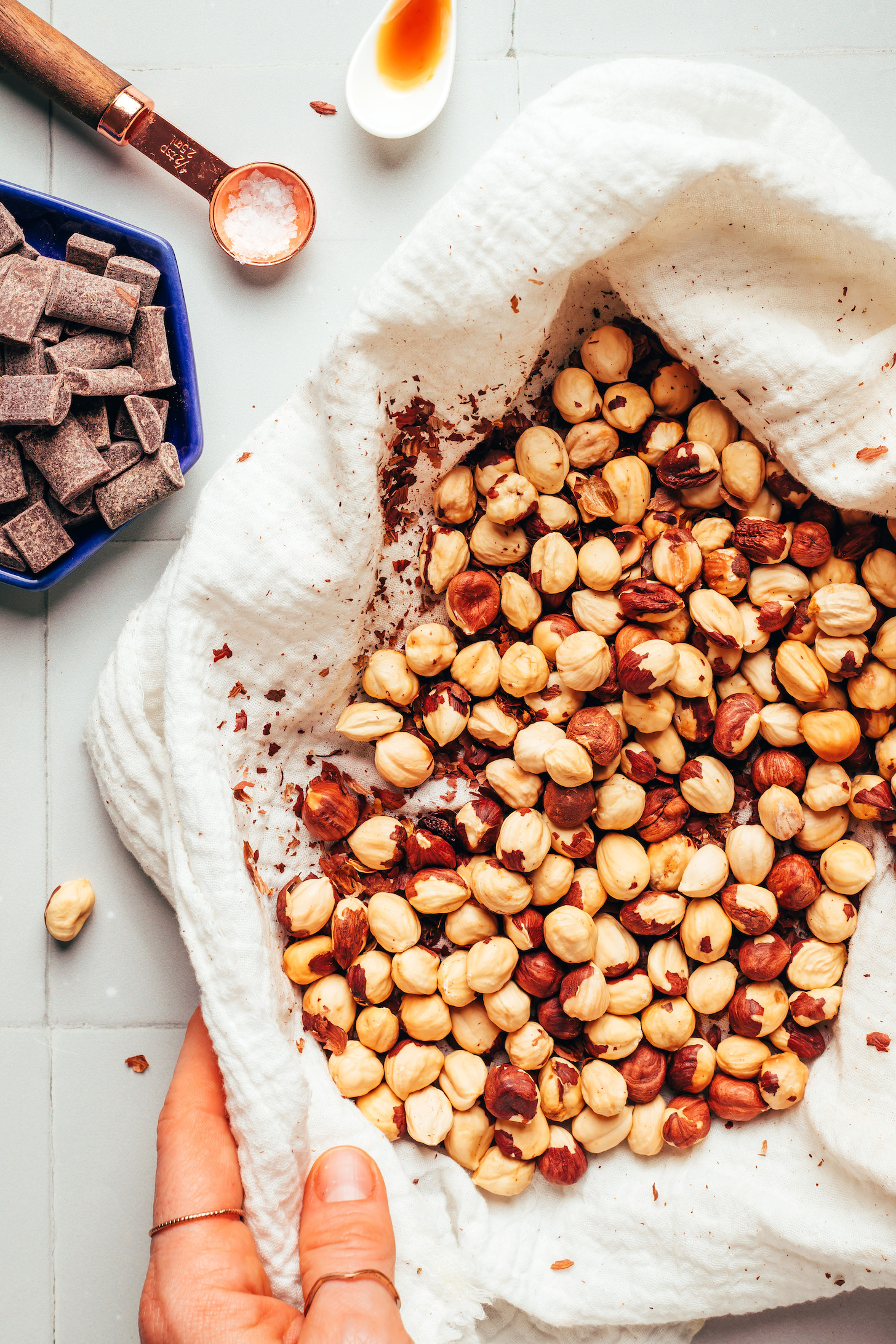
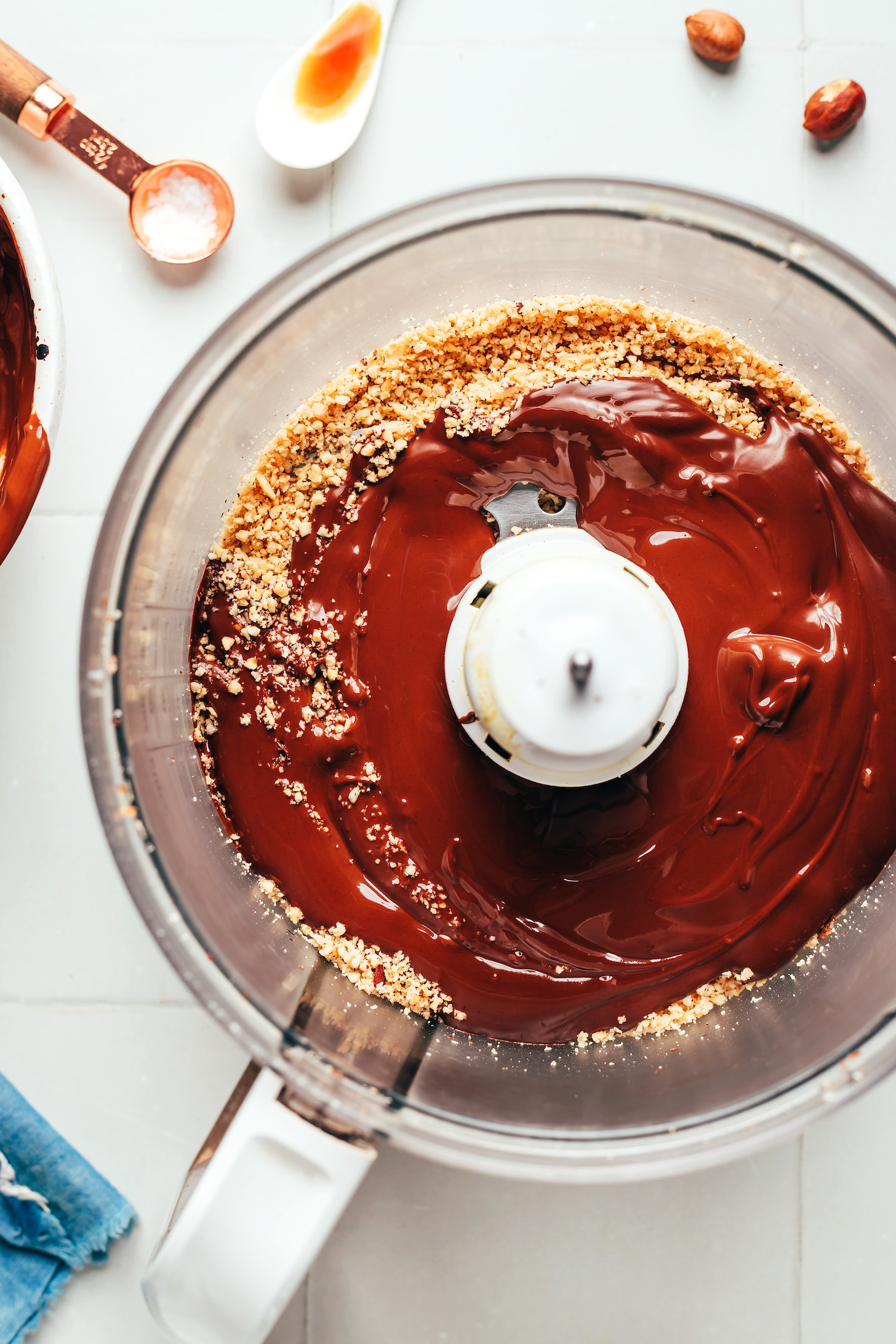
The process begins with the roasting of raw hazelnuts. This stage is critical; heat application serves two purposes: it releases the natural oils within the nut to provide a deep, aromatic base, and it facilitates the removal of the fibrous outer skins. Once roasted and cleaned, the nuts are processed with melted chocolate to create a bespoke hazelnut-cocoa butter. This base is then blended with light coconut milk, cane sugar, vanilla extract, and a pinch of salt.
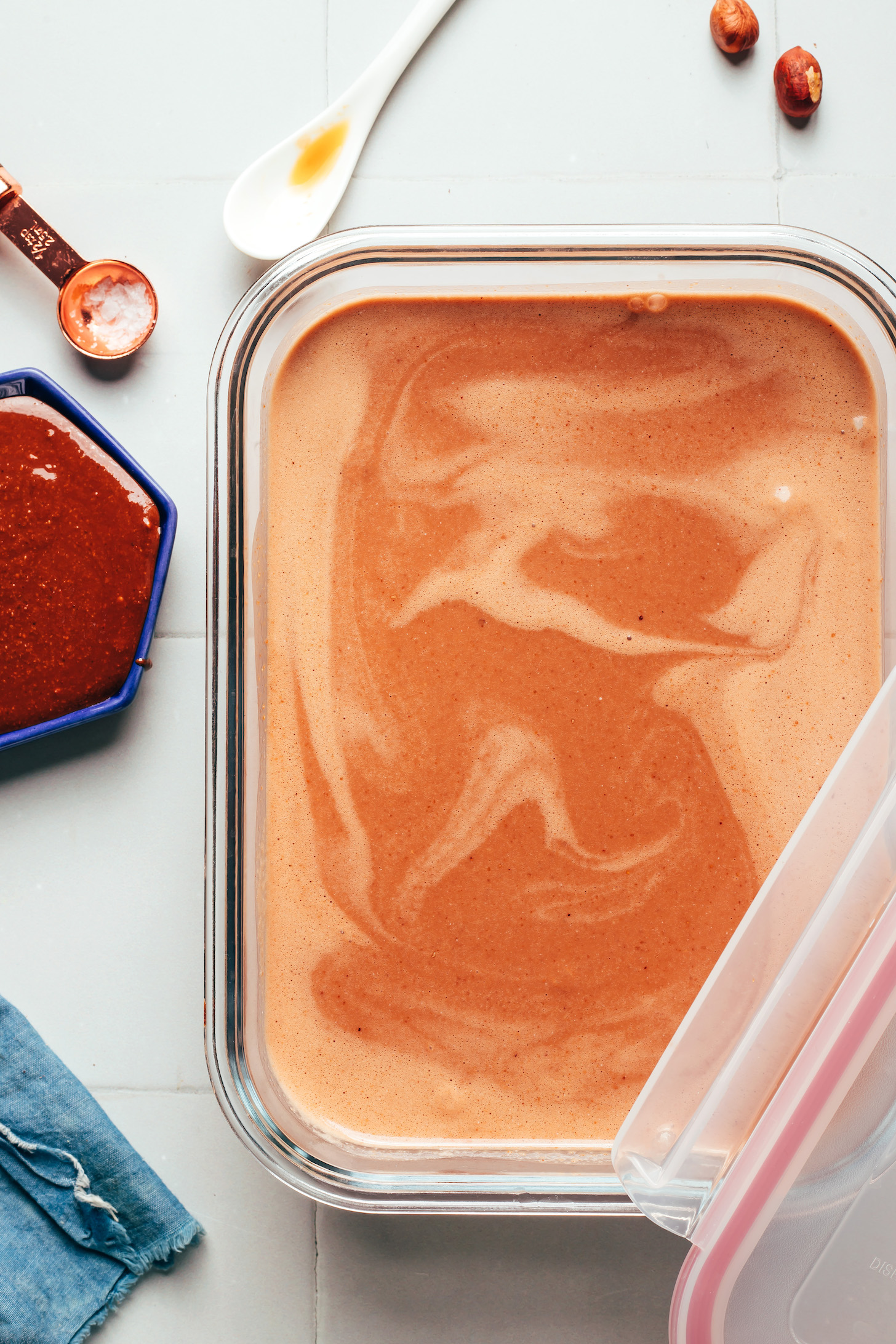
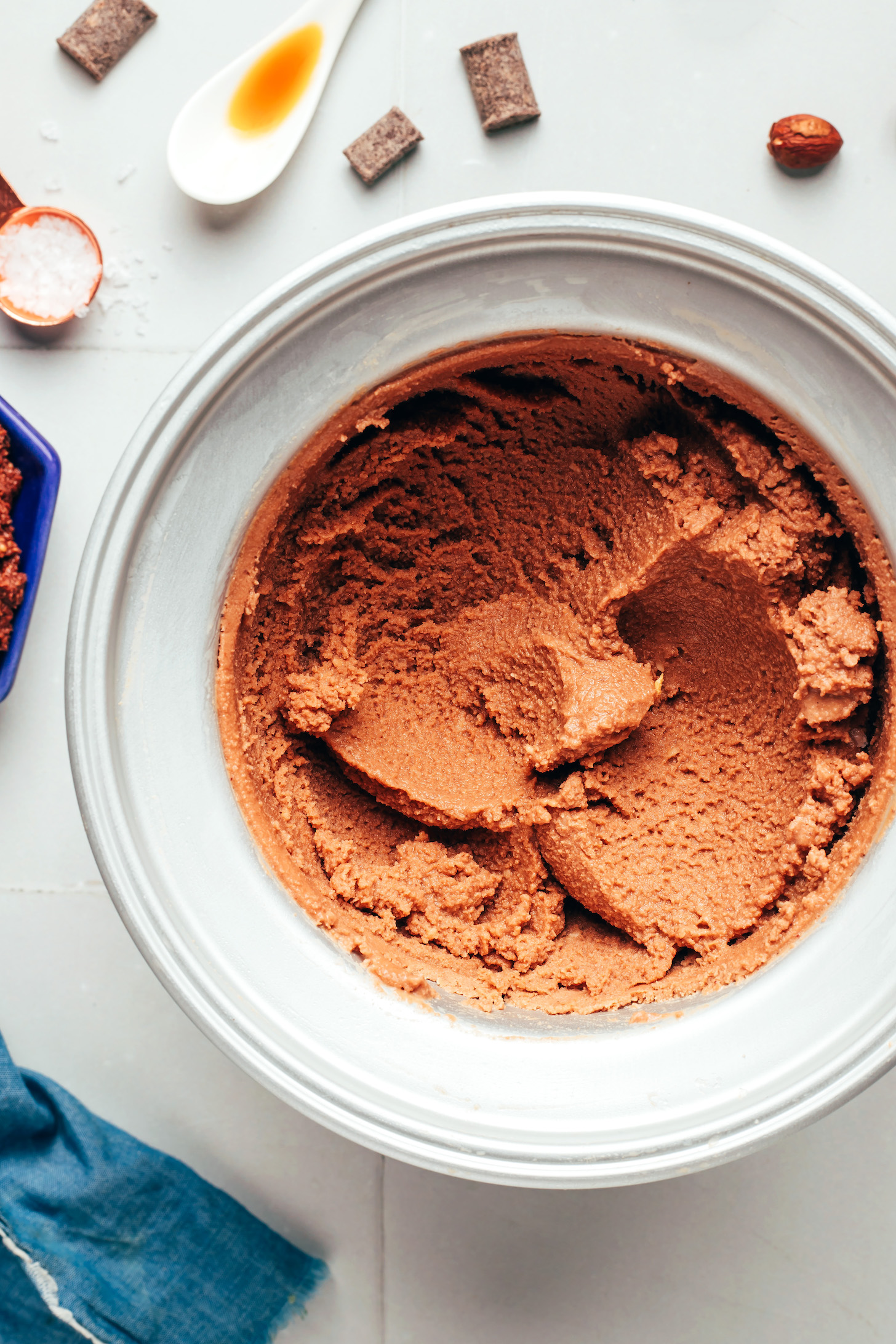
Following the initial blend, the mixture requires a stabilization period of at least one hour in refrigeration. This "curing" phase allows the coconut milk’s fats to firm up, which is essential for the subsequent churning process. The final step involves a short, 30-minute churn in an ice cream maker, followed by the manual integration of a reserved portion of the hazelnut-chocolate mixture, creating a marbled effect that enhances both the aesthetic appeal and the flavor density of the finished product.
Ingredient Analysis and Nutritional Profile
For health-conscious consumers, the nutritional breakdown of this recipe provides a stark contrast to traditional commercial ice creams. Each half-cup serving contains approximately 277 calories, 21.2 grams of fat, and 17 grams of sugar. While these figures represent a nutrient-dense dessert, the absence of cholesterol and the inclusion of healthy monounsaturated fats from hazelnuts make it a popular choice for those managing specific dietary restrictions.
The reliance on light coconut milk as the primary liquid base is a strategic choice in culinary science. Coconut milk provides a stable emulsion due to its natural medium-chain triglycerides. When combined with emulsifiers often found in high-quality canned coconut milk—such as guar gum—the resulting mixture achieves a "gelato-like" consistency that resists the formation of ice crystals during the freezing process.
Broader Implications for the Culinary Industry
The popularity of such recipes indicates a broader movement in food culture: the democratization of high-end, plant-based techniques. Where once artisanal gelato was the exclusive domain of specialty parlors, the availability of accessible home-churning equipment and straightforward, ingredient-focused tutorials has empowered consumers to replicate complex profiles at home.
Furthermore, the "6-ingredient" constraint serves as a direct response to consumer skepticism regarding ultra-processed foods. By highlighting the specific components—hazelnuts, chocolate, coconut milk, sugar, vanilla, and salt—the recipe appeals to the growing demographic of "ingredient-conscious" shoppers who prioritize transparency in their food sources.
Industry analysts suggest that the success of such recipes may influence commercial product development. Major food manufacturers have already begun looking to the "minimalist" recipe trend to inform their own product lines, moving away from long, unrecognizable ingredient lists in favor of recognizable, whole-food components that are marketed as "clean" and "simple."
Technical Considerations for Success
Professional chefs and home-cooking experts emphasize that the success of this dessert is highly dependent on the quality of the raw materials. The choice of chocolate, for instance, dictates the final bitterness and sweetness levels, while the grade of the coconut milk determines the mouthfeel.
- Hazelnut Preparation: Incomplete roasting or failure to remove the skins can introduce a bitter, astringent quality to the final product.
- Temperature Control: The mixture must be thoroughly chilled before churning. Introducing a warm mixture to an ice cream maker will result in a grainy texture and significantly increase the total processing time.
- Emulsification: Using a brand of coconut milk with natural emulsifiers is highly recommended for those seeking a smooth, non-icy texture.
Future Trends in Plant-Based Desserts
As we look toward the future of the frozen dessert market, it is likely that we will see further experimentation with nut-based milks and alternative sweeteners. While hazelnuts have long been a favorite due to their rich, buttery flavor, the integration of other fats—such as macadamia or cashew—may offer new avenues for flavor development.

The continued success of plant-based, allergen-friendly recipes serves as a testament to the fact that dietary restriction does not have to result in a compromise on quality. As more individuals adopt these methods, the distinction between "vegan" desserts and "traditional" desserts continues to narrow, potentially leading to a market where the origin of the fat (dairy vs. plant-based) is viewed as a matter of preference rather than a marker of quality.
Ultimately, the rise of the six-ingredient Nutella-style ice cream is a reflection of a wider cultural shift: one that values efficiency, quality, and the ability to control exactly what goes into our bodies. By simplifying the process and focusing on the integrity of the core ingredients, this recipe has established a new benchmark for what can be achieved in the home kitchen, bridging the gap between professional culinary techniques and everyday convenience. As this trend gains momentum, it is clear that the future of dessert is not only more inclusive but also more focused on the fundamental elements that make food truly satisfying.