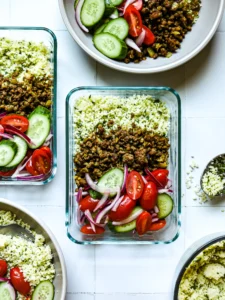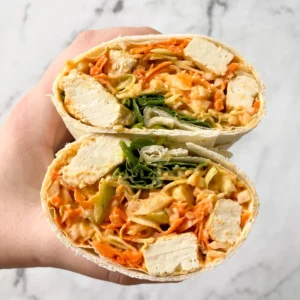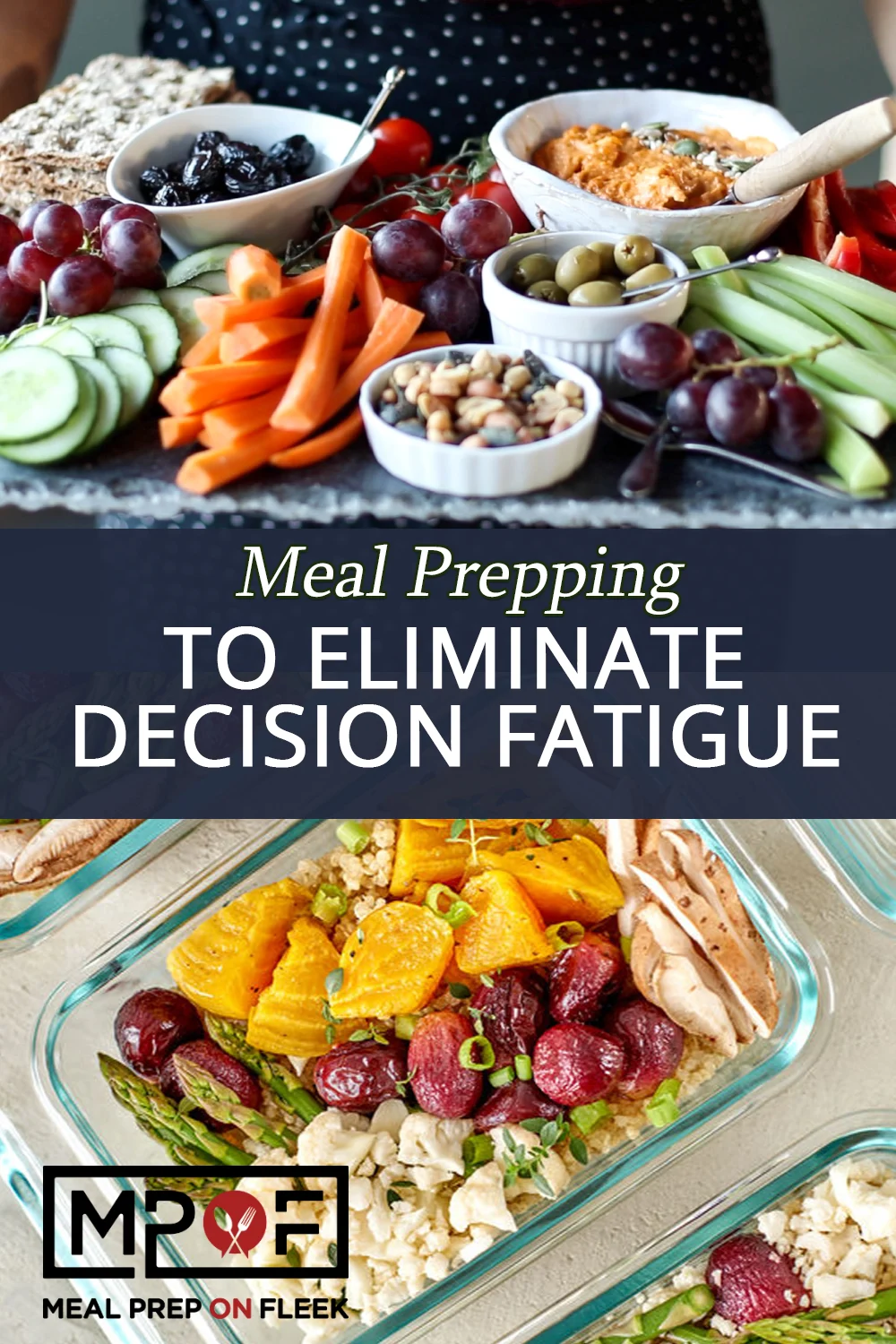

The seemingly mundane act of preparing meals in advance, commonly known as meal prepping, is emerging as a powerful strategy to combat a pervasive modern ailment: decision fatigue. This approach goes beyond mere convenience, offering a systematic solution to the mental drain that arises from an incessant stream of daily choices. By offloading the cognitive burden of meal selection and preparation to a time when mental energy is abundant, individuals can reclaim valuable cognitive resources for more critical tasks and experience a tangible reduction in daily stress.
The phenomenon of decision fatigue, where the brain’s capacity for making choices becomes depleted throughout the day, has been extensively documented. Researchers have observed that as individuals expend mental energy on a series of decisions—from what to wear and which email to prioritize to complex financial or professional judgments—their ability to make sound and beneficial choices diminishes. This decline is particularly pronounced in the latter parts of the day, when the cumulative effect of numerous decisions takes its toll. A well-known study involving parole judges, for instance, revealed a striking correlation between the time of day and the leniency of their rulings. Favorable decisions were significantly more common at the beginning of the day or immediately after a meal break, sharply declining as the day progressed and their mental reserves waned. This illustrates a fundamental truth: even highly trained professionals are susceptible to the erosion of cognitive function due to decision fatigue, a reality that extends to the seemingly simpler, yet equally impactful, decisions surrounding food.

The link between hunger and exacerbated decision fatigue is a critical element in understanding the effectiveness of meal prep. An old Caribbean proverb, "Hungry belly knows no love," encapsulates the physiological and psychological impact of deprivation. When individuals are hungry, stressed, or physically exhausted, their brains tend to default to the path of least resistance, prioritizing immediate gratification over long-term well-being. This primal drive can lead to impulsive food choices, such as ordering unplanned takeout or indulging in late-night snacks, thereby undermining any prior intentions to eat healthily. The diminished patience and lowered standards associated with hunger create a fertile ground for these deviations, turning a momentary lapse into a recurring pattern. Meal prepping acts as a proactive shield against this vulnerability. By making food choices when well-rested and clear-headed, individuals effectively preempt the need for difficult decisions when their cognitive capacity is compromised.
The core principle behind meal prep’s efficacy lies in its ability to reduce friction and streamline daily routines. It’s not about rigidly adhering to a monotonous diet of the same few dishes; rather, it’s about making informed decisions once, thereby eliminating the need for repeated, often draining, deliberations. This strategic foresight empowers individuals to:
- Reclaim Mental Energy: By pre-determining meals, the cognitive load associated with the daily "what’s for dinner?" dilemma is removed. This conserved mental energy can then be redirected to more demanding tasks, fostering increased productivity and reducing feelings of overwhelm.
- Enhance Nutritional Consistency: With planned meals, there is a greater likelihood of consuming balanced and nutritious options. This proactive approach minimizes the temptation of less healthy, convenience-based food choices that often arise from impulse or fatigue.
- Achieve Financial Savings: Meal prepping often leads to more efficient grocery shopping, reducing impulse buys and the need for frequent, costly trips to restaurants or takeout establishments. The economic benefits, while secondary to the cognitive advantages, are a significant positive outcome.
- Cultivate Healthy Habits: The act of consistently preparing meals reinforces a positive feedback loop, making healthy eating more accessible and sustainable. This systematic approach can be instrumental in achieving long-term health and wellness goals.
- Minimize Stress and Anxiety: The uncertainty and pressure associated with last-minute meal decisions can contribute significantly to daily stress. Meal prep alleviates this by providing a clear and predictable framework for sustenance, thereby promoting a sense of calm and control.
The Foundation of Meal Prep: Strategic Planning

The success of meal prep hinges on thoughtful planning, which begins long before the cooking process itself. This involves a structured approach to recipe selection and grocery acquisition, designed to minimize decision-making during the week.
Selecting Recipes: The Blueprint for the Week
A common pitfall for individuals new to meal prepping is the temptation to plan an overly ambitious and varied menu. The key to effective recipe selection lies in simplicity and practicality. Instead of aiming for a culinary tour de force every night, focusing on a few core meals can dramatically simplify the process. For instance, selecting three to four anchor recipes for the week provides sufficient structure without becoming overwhelming. This approach allows for a degree of flexibility while ensuring that the most demanding meal decisions are made proactively. Resources such as comprehensive recipe indexes or specialized guides for lunch meal prep can offer a starting point for individuals seeking inspiration. The objective is not endless variety, but rather clarity and predictability in meal choices.
Strategic Grocery Shopping: A Decision-Making Tool
The grocery store is often a battleground for healthy eating intentions. Without a clear plan, it is easy to succumb to impulse purchases and end up with an assortment of items that do not contribute to a cohesive meal strategy. Meal prep begins at the grocery store, not in the kitchen. Before embarking on a shopping trip, a clear decision-making framework should be established:

- Identify Core Ingredients: Based on the selected recipes, a list of essential ingredients should be compiled. This ensures that all necessary components for planned meals are acquired, preventing last-minute dashes to the store.
- Prioritize Versatile Items: Choosing ingredients that can be used in multiple dishes enhances efficiency and reduces waste. For example, a batch of cooked chicken can form the base for salads, wraps, bowls, or stir-fries.
- Stock Pantry Staples: Maintaining a well-stocked pantry with essential grains, legumes, spices, and sauces can provide flexibility for impromptu meal adjustments or additions.
- Consider Seasonal Availability: Incorporating seasonal produce can not only enhance flavor but also contribute to cost savings and a more sustainable approach to food consumption.
This disciplined approach to grocery shopping transforms the errand from a potential source of decision fatigue into a proactive step in achieving mealtime goals, saving both money and stress.
Embracing Simplicity in Meal Construction
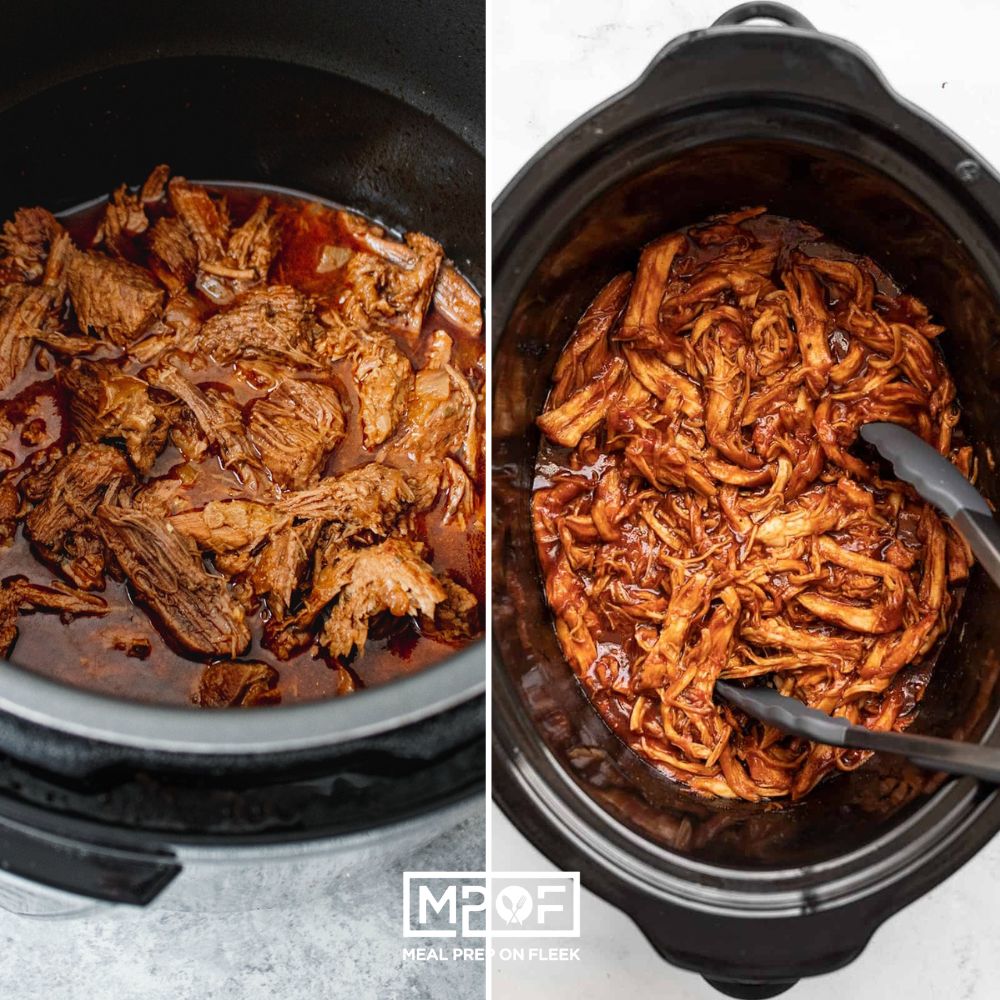
A significant barrier to meal prep adoption is the misconception that it requires elaborate culinary skills or complex recipes. In reality, simplicity is the ultimate sophistication in meal preparation. The foundational structure of a balanced meal—protein, carbohydrate, and vegetable—is often sufficient. This basic framework can be enhanced with a variety of seasonings and sauces to create diverse flavors without demanding extensive cooking time. For those seeking to minimize hands-on preparation, sheet pan meals and slow cooker recipes offer convenient and low-effort solutions. These approaches require minimal active cooking time, allowing for greater efficiency during busy weeks. By investing a small amount of time in planning and preparation, individuals can reap substantial rewards in terms of saved time and reduced mental exertion later in the week.
Adapting Recipes to Personal Lifestyles
The most effective meal prep strategies are those that seamlessly integrate into an individual’s unique lifestyle. A recipe, however healthy, is ineffective if it does not align with personal circumstances. This means considering:

- Time Constraints: For individuals with demanding schedules, recipes requiring extensive preparation or multiple steps may be counterproductive. Opting for quicker, simpler meals is a more sustainable choice.
- Dietary Needs and Sensitivities: Forcing oneself to consume foods that cause digestive discomfort or do not align with dietary restrictions is unsustainable and counterproductive. Adjusting recipes to accommodate individual needs is crucial for long-term adherence.
- Schedule Predictability: In environments with unpredictable schedules, meals that require immediate consumption or precise reheating may not be practical. Flexible options that can be enjoyed at various times or temperatures are often more suitable.
Meal prep should be a tool that serves the individual, not the other way around. This may involve modifying recipes, swapping ingredients, or preparing components separately to allow for greater flexibility. The goal is consistency, not an unattainable standard of perfection.
The Power of Component Prepping
For many, the idea of eating the exact same pre-portioned meal for several days can be unappealing. Fortunately, meal prep offers a more flexible approach through component preparation. Instead of assembling full meals, individuals can focus on preparing individual ingredients that can be combined in various ways throughout the week. This strategy provides a sense of culinary freedom while still offering the benefits of reduced decision-making. Examples of component prepping include:
- Cooked Grains: Quinoa, rice, or farro can serve as a base for bowls, salads, or side dishes.
- Pre-Chopped Vegetables: Having a variety of chopped vegetables readily available simplifies the process of adding them to stir-fries, omelets, or salads.
- Cooked Proteins: Chicken, tofu, beans, or lentils can be incorporated into a wide array of dishes, from wraps and sandwiches to pasta sauces and curries.
- Sauces and Dressings: Preparing versatile sauces and dressings in advance can elevate simple ingredients and add flavor diversity.
This approach allows for a degree of spontaneity and customization without the cognitive load of starting from scratch each mealtime. It strikes a balance between structure and flexibility, enabling individuals to create varied meals from a common set of pre-prepared components.
Addressing Common Meal Prep Concerns
Despite its clear benefits, several common questions and concerns arise regarding meal prep.
Does Meal Prep Really Help With Decision Fatigue?
Yes, unequivocally. Meal prep directly addresses decision fatigue by consolidating the numerous food-related decisions into a single, proactive planning session. This eliminates the recurring mental burden of choosing what to eat throughout the week, freeing up cognitive resources for more demanding tasks. By making these choices when mental energy is high, individuals are better equipped to navigate their days without succumbing to impulsive or less healthy options when fatigued or stressed.
Does Meal Prep Help With Weight Loss?
Meal prep can be a significant aid in weight loss efforts by reducing impulsive food choices and promoting adherence to dietary goals. While it is not a magical solution in itself, it creates an environment conducive to making healthier decisions. By having pre-portioned, nutritious meals readily available, individuals are less likely to deviate from their plans due to convenience or cravings. The ability to accurately track caloric intake and macronutrient distribution also becomes more manageable with a structured meal prep system. For those seeking to quantify their needs, resources like macro calculators can provide valuable guidance.
How Many Days Should I Meal Prep For?
The optimal duration for meal prep varies, but most individuals find that preparing meals for three to four days at a time strikes a practical balance. This timeframe ensures food freshness, helps prevent palate fatigue, and allows for flexibility in adjusting plans as the week unfolds. Committing to a shorter, consistent prep schedule is often more sustainable than attempting to prepare an entire week’s worth of meals, only to find the process overwhelming and difficult to maintain.
What If I Hate Eating The Same Thing Every Day?
The notion that meal prep necessitates monotonous eating is a misconception. Individuals who prefer variety can leverage component prepping to create diverse meals from a common set of ingredients. For example, cooked chicken can be transformed into a salad one day, a wrap the next, and a stir-fry later in the week. This approach offers the advantages of pre-preparation without the constraint of repetitive meals, ensuring that mealtime remains enjoyable and sustainable.
What Is The Best Meal Prep Strategy For Beginners?
For newcomers to meal prepping, the most effective strategy is to start small and focus on addressing the most pressing area of need. This might involve prepping only lunches if that is the meal that causes the most stress, or focusing on breakfast components if mornings are particularly rushed. Attempting to overhaul one’s entire dietary routine in a single week can be overwhelming. By identifying the single decision that drains the most cognitive energy and tackling that first, beginners can build confidence and establish a sustainable foundation for more comprehensive meal prepping in the future.
How Do I Stay Consistent With Meal Prep?
Consistency in meal prep is achieved by making the process as effortless as possible. This involves choosing simple recipes, utilizing templates for grocery lists, repeating favorite meals, and preparing only what is realistically needed. The key to sustained adherence is reducing the number of daily decisions, rather than relying on sheer willpower. By creating a system that minimizes cognitive load, individuals can naturally integrate meal prep into their routines.
What Should I Do When My Meal Prep Plan Falls Apart?
Life inevitably throws curveballs, and meal prep plans are not immune to disruption. When a plan falters, the focus should be on adaptation rather than complete abandonment. Instead of viewing it as a failure, consider it an opportunity to adjust. Utilizing backup meals, incorporating frozen components, shifting meal schedules, or scaling back the quantity of future prep are all viable strategies. A single missed meal does not negate the progress made; it simply requires a recalibration of the approach. The goal is progress, not an unblemished record.