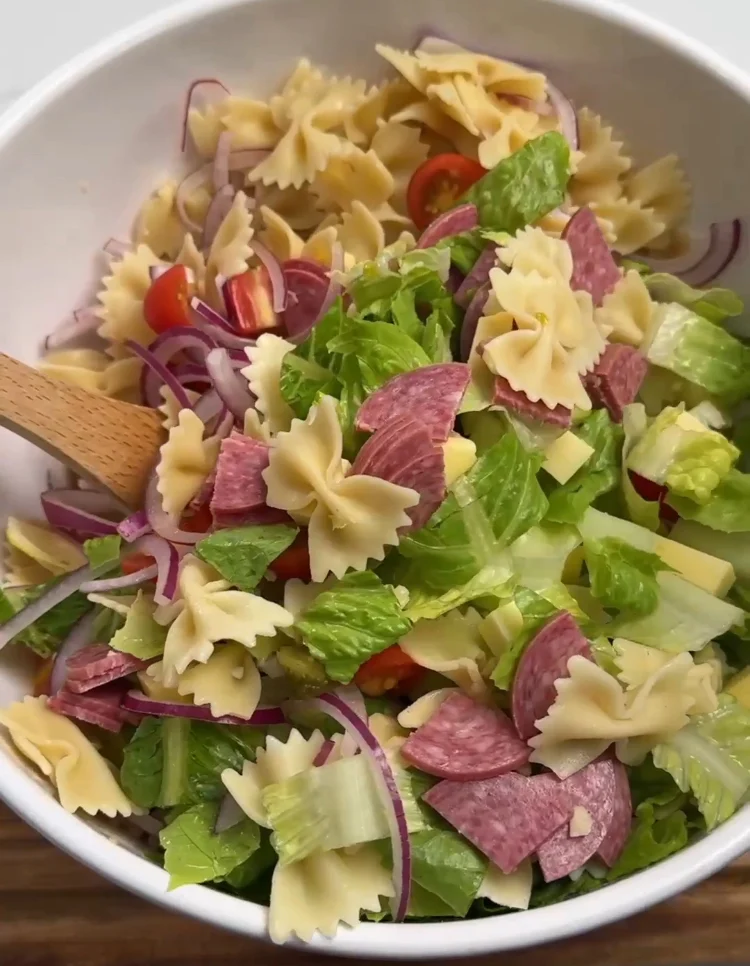

The onset of the academic calendar brings a predictable surge in logistical demands for families, with the transition from summer leisure to structured schedules often creating significant friction in household management. As parents and educators navigate the complexities of school-day preparation, the strategy of advanced meal planning has emerged as a critical component in maintaining nutritional standards and operational efficiency. By dedicating time to organized food preparation, households can mitigate the morning chaos often associated with packing lunches, breakfasts, and snacks, thereby ensuring that nutritional requirements are met consistently throughout the week.
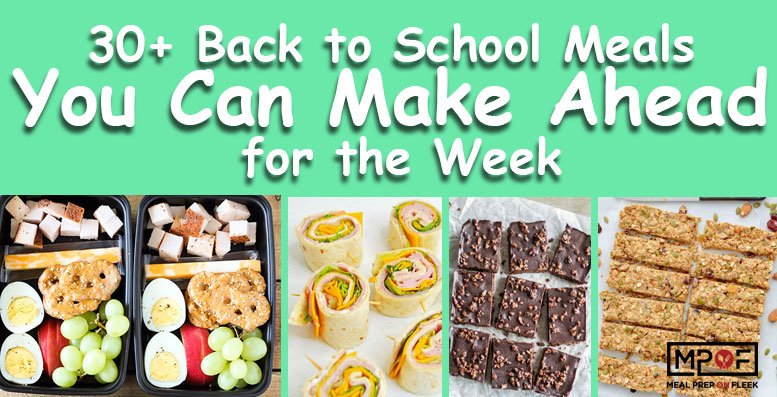
The Evolution of School Nutrition Logistics
Historically, the responsibility of school-day nutrition rested primarily on school cafeterias or sporadic home packing. However, in the last decade, there has been a marked shift toward intentional meal prep. This trend is driven by an increasing awareness of food quality, the prevalence of food allergies, and the necessity for time-saving solutions in dual-income households. According to recent data from the U.S. Department of Agriculture (USDA), improper food handling remains a significant public health concern in domestic settings, with approximately 97% of individuals failing to wash their hands for the recommended 20-second duration prior to food preparation. This oversight contributes to the risk of cross-contamination, a primary vector for foodborne illnesses in school-aged children.
The shift toward structured meal prep is not merely a lifestyle choice but an economic and health-conscious strategy. By consolidating grocery shopping into a singular, list-driven trip—ideally conducted before the weekend—families can reduce impulse purchases and ensure that perishable goods are managed according to strict safety guidelines.

Chronology of an Efficient Weekly Prep Cycle
For households seeking to optimize their time, the recommended approach follows a specific, data-backed timeline:
1. The Planning Phase (Friday Evening to Saturday Morning): Successful execution begins with an inventory of the refrigerator and pantry. By creating a comprehensive shopping list, shoppers can bypass the psychological fatigue associated with "decision paralysis" in the supermarket. Experts recommend shopping the perimeter of the grocery store, where fresh produce, proteins, and dairy are located, while limiting movement through the center aisles where processed, shelf-stable items are typically housed.
2. The Acquisition and Storage Phase (Saturday Afternoon): When purchasing refrigerated or frozen items, these should be selected last to maintain the cold chain. Perishable items must be transferred to home storage within a two-hour window of purchase. For those sourcing items from farmers’ markets, specialized handling is required, as these goods often lack the preservatives found in commercial packaging.
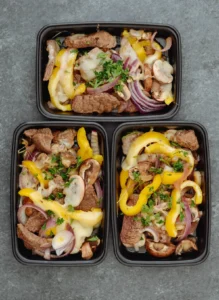
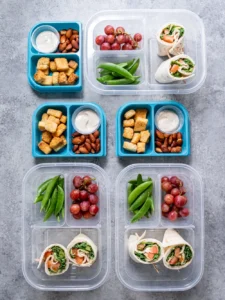
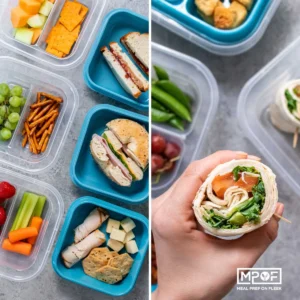
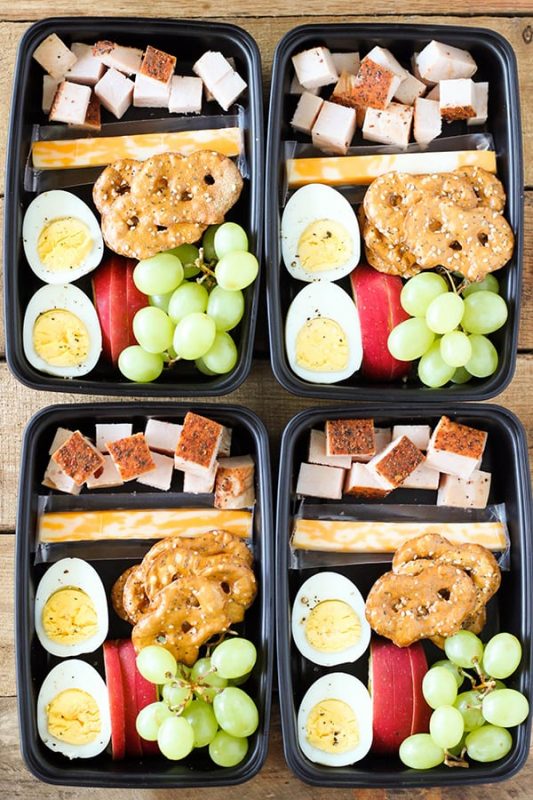
3. The Preparation Phase (Sunday Afternoon): This is the core of the weekly cycle. Washing hands for at least 20 seconds with soap and warm water is the non-negotiable first step. Sanitizing all cutting surfaces and utensils is essential, particularly when handling raw proteins or eggs. This period should be used to assemble "grab-and-go" components, such as pre-portioned containers of fruits, vegetables, and complex carbohydrates.
Technical Requirements for Safe Food Preservation
The efficacy of a meal prep strategy is entirely dependent on the integrity of the storage systems used. Public health guidelines emphasize the "danger zone"—the temperature range between 40°F and 140°F—where bacteria grow most rapidly. To ensure student lunches remain safe until the mid-day meal, parents should move away from traditional paper bags in favor of insulated thermal lunch boxes.
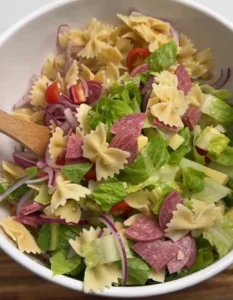
A high-performance system requires at least two distinct cold sources. Frozen water bottles serve a dual purpose: they act as a thermal battery to keep surrounding items below 40°F and provide a chilled, potable beverage by the time the student reaches the lunch period. For hot food items, such as soups or pasta, the use of a stainless steel, vacuum-insulated thermos is standard practice. Pre-heating these vessels with boiling water for five minutes before introducing the food ensures the thermal mass is sufficient to keep the meal at a safe temperature for four to six hours.
Broadening the Scope: Breakfast and Snack Integration
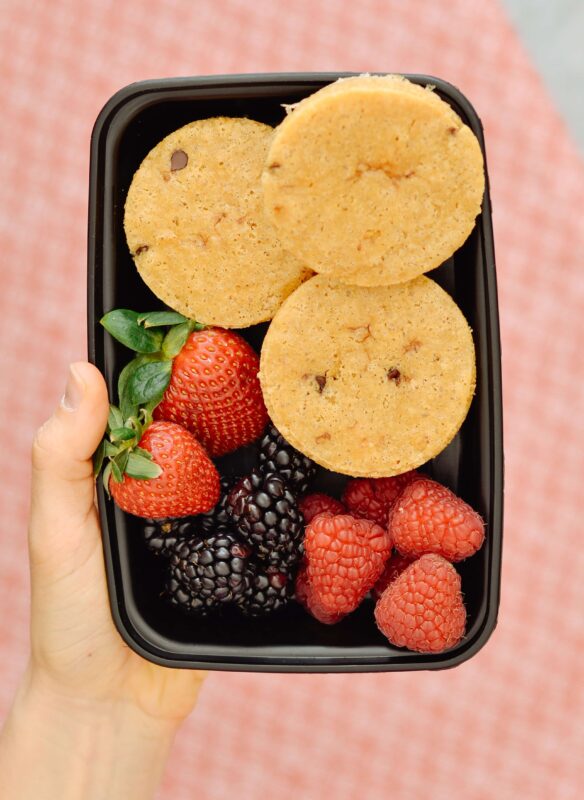
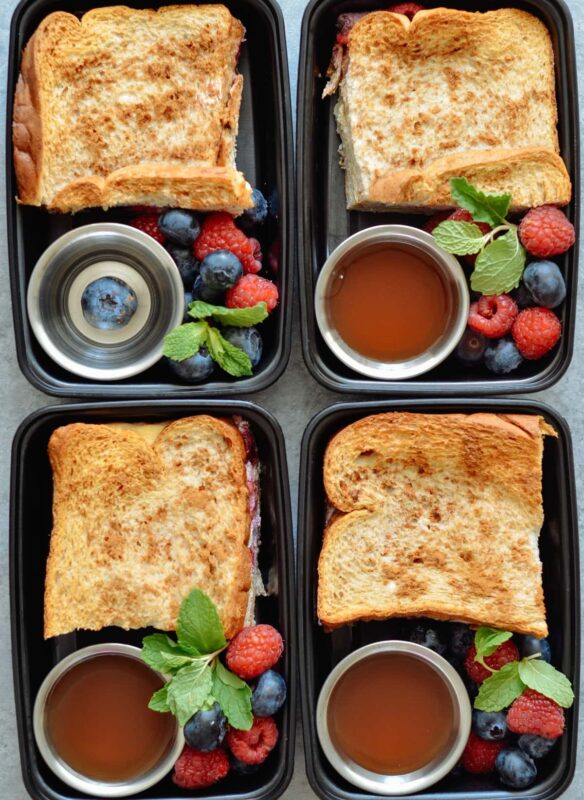
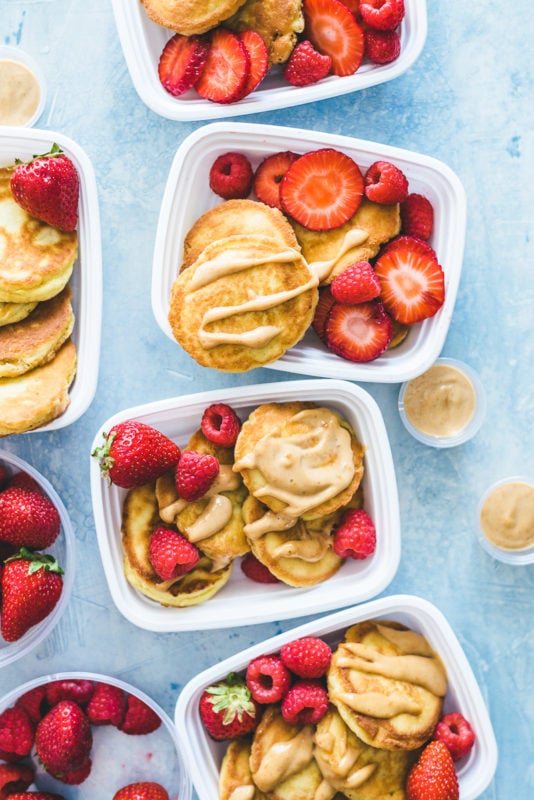
The demand for "portable" nutrition has led to a rise in recipes specifically engineered for durability. Breakfast items such as baked egg cups, portable pancakes, and overnight oats are favored for their high protein content and ability to be batch-processed. For snacks, the focus is on nutrient density. Vegetable sticks paired with hummus or homemade trail mix bars provide sustained energy levels that are essential for cognitive function during the latter half of the school day.
The psychological impact of involving children in the preparation process cannot be overstated. When children participate in selecting fruits or assembling their snack boxes, they are more likely to consume the provided meal. This collaborative approach also serves as an informal educational opportunity, teaching children about food groups, portion control, and the importance of hygiene.

Impact on the Education Sector
The challenges of meal preparation are not unique to parents. Educators, who often face rigid schedules with limited access to kitchen facilities, face similar obstacles. The rise of "teacher-specific" meal plans addresses these unique needs, focusing on high-energy, non-reheat options that can be consumed in short intervals. For teachers, the efficiency of a well-prepped lunch is a factor in sustained professional performance, preventing the midday fatigue associated with high-glycemic, low-nutrient cafeteria snacks.
Implications and Future Outlook
The broader implication of the move toward systematic meal prep is a fundamental change in how families perceive time management. By front-loading the labor of food preparation, households reclaim the weekday mornings that were previously consumed by assembly tasks. This shift supports a more stable domestic environment, which correlates with lower stress levels and better attendance outcomes for students.
As the industry for meal prep containers and thermal storage technology continues to innovate, the barrier to entry for novice meal preppers is lowering. The availability of resources—ranging from digital planning tools to beginner-friendly instructional guides—suggests that this trend will continue to gain momentum.
For those looking to transition from a reactive to a proactive model, the most critical step is the adoption of a consistent routine. Whether one begins with a simple Sunday prep session or commits to a fully structured weekly menu, the results are objectively beneficial: reduced food waste, better nutritional outcomes, and a significant reduction in the daily administrative burden of school-day operations. By treating meal prep as a scheduled appointment rather than an afterthought, families and educators alike can ensure that nutritional maintenance remains a priority rather than a source of stress.