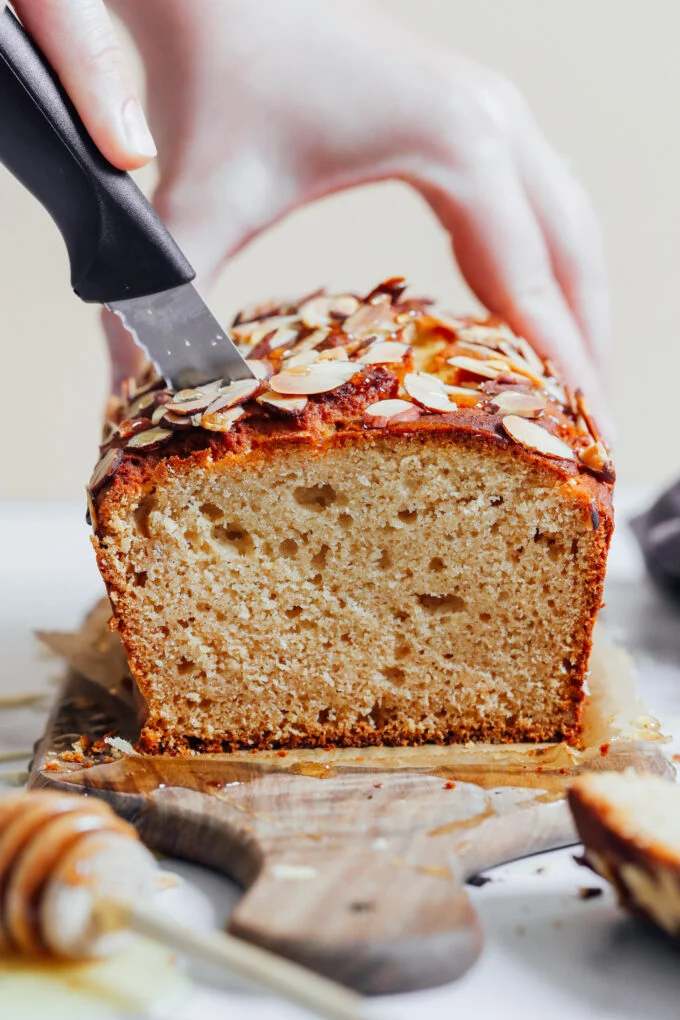

The culinary landscape has seen a significant shift toward inclusive baking, as home cooks and professional pastry chefs alike prioritize recipes that accommodate dietary restrictions without compromising texture or flavor profiles. Among the latest innovations gaining traction in the health-conscious baking sector is the 1-Bowl Honey Almond Snack Cake. This particular recipe serves as a case study in modern simplified baking, utilizing a single-vessel preparation method that adheres to both gluten-free and dairy-free dietary standards while maintaining the structural integrity of a traditional sponge cake.
The Rise of Simplified Dietary-Inclusive Baking
The emergence of the honey almond snack cake reflects broader market trends in home baking, where convenience—often defined by the "one-bowl" methodology—has become as critical as the nutritional profile of the final product. According to recent data from the Global Gluten-Free Products Market report, the demand for gluten-free baked goods is projected to expand at a compound annual growth rate (CAGR) of over 9% through 2028. This growth is driven by both the clinical necessity of managing celiac disease and a rising consumer preference for "clean label" diets.
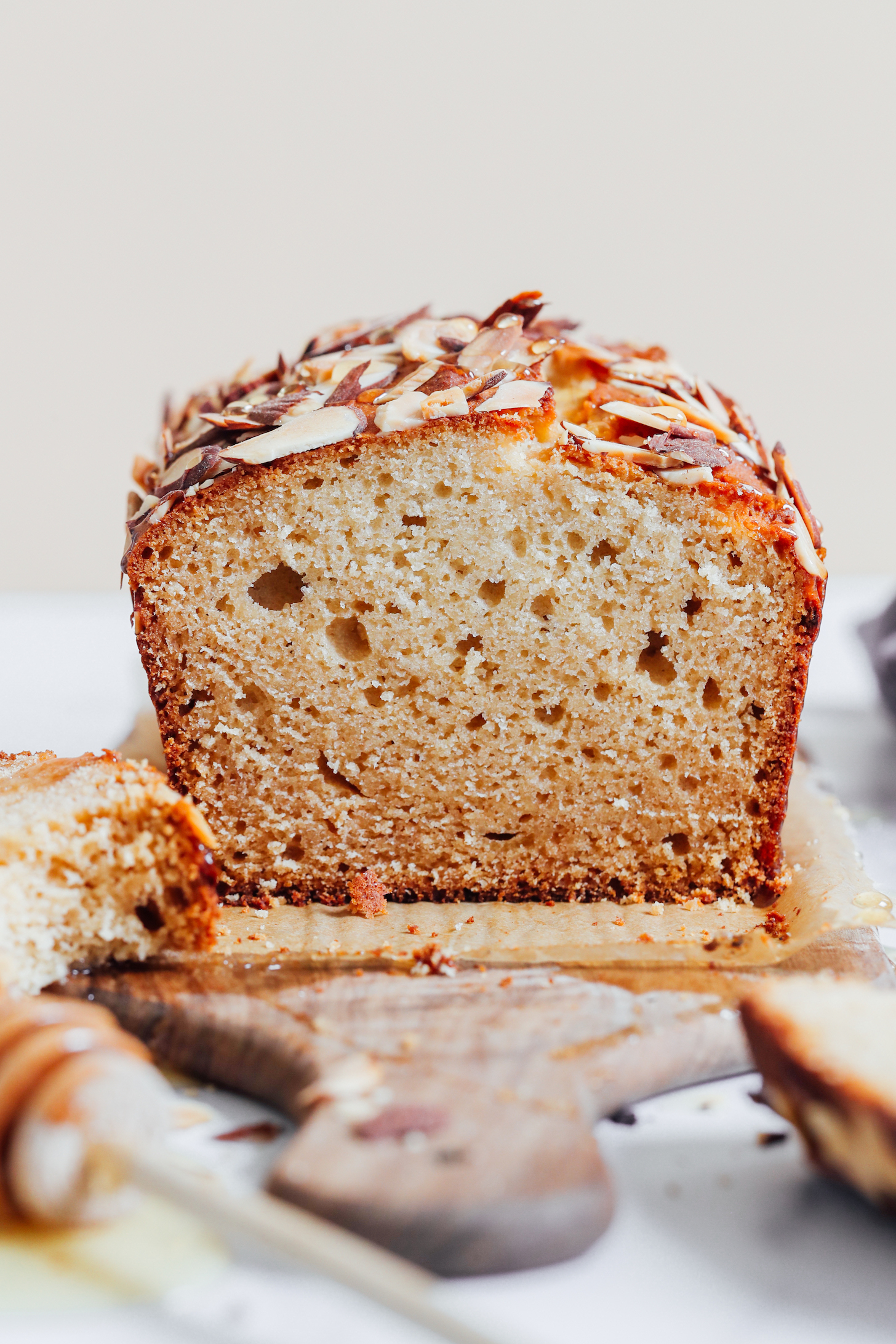
By utilizing a blend of almond flour and a specialized gluten-free flour mix, this recipe addresses the common industry hurdle of achieving a moist crumb without wheat-based proteins. The incorporation of dairy-free yogurt further enhances the moisture content, ensuring the cake avoids the characteristic dryness often associated with early iterations of gluten-free baking.
Technical Composition and Preparation Methodology
The structural composition of this snack cake relies on a specific chemical balance. Because gluten-free flours lack the elastic structure provided by wheat, the recipe uses eggs—or, as noted in alternative preparations, high-pectin binders like applesauce or aquafaba—to provide the necessary lift and binding power.
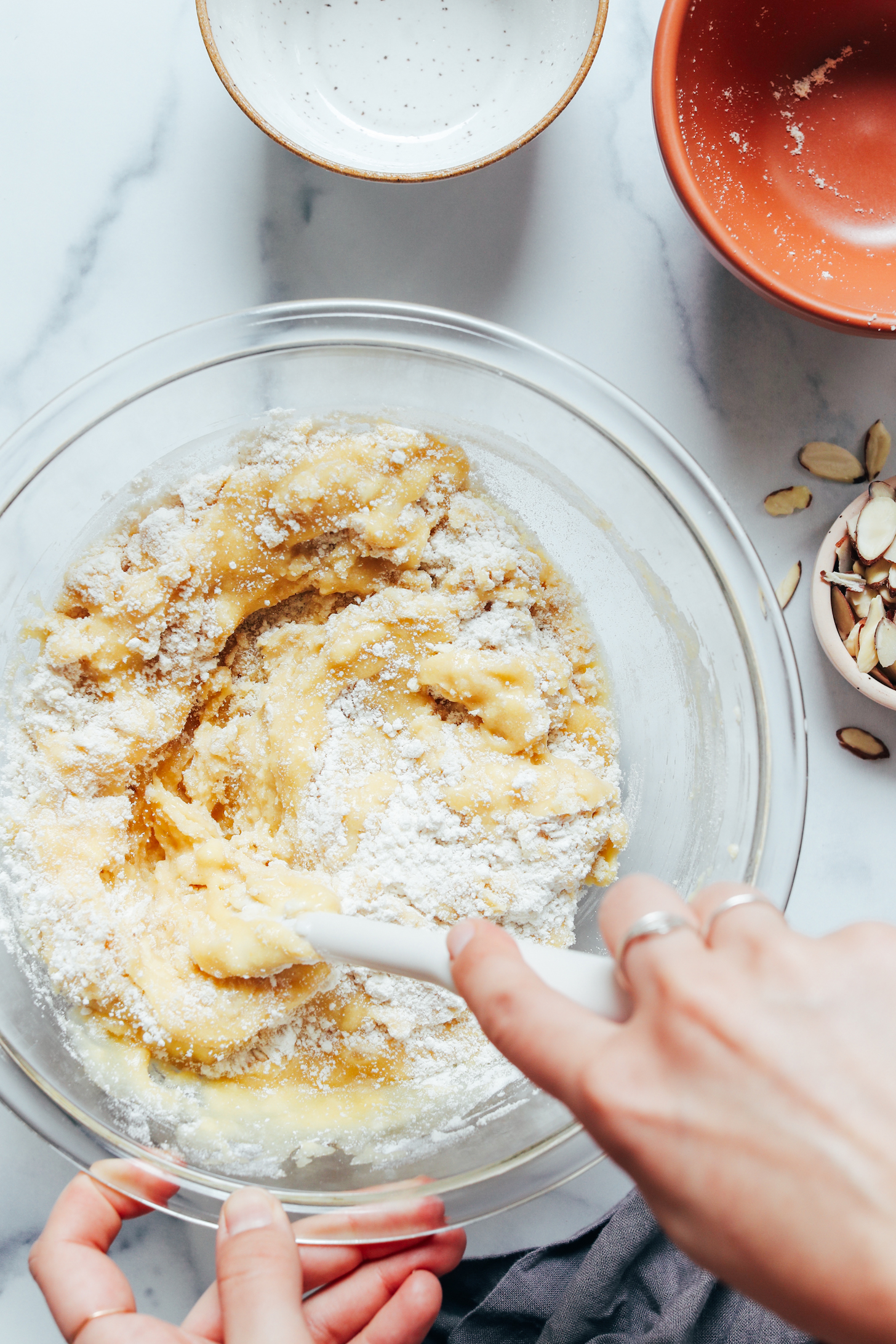
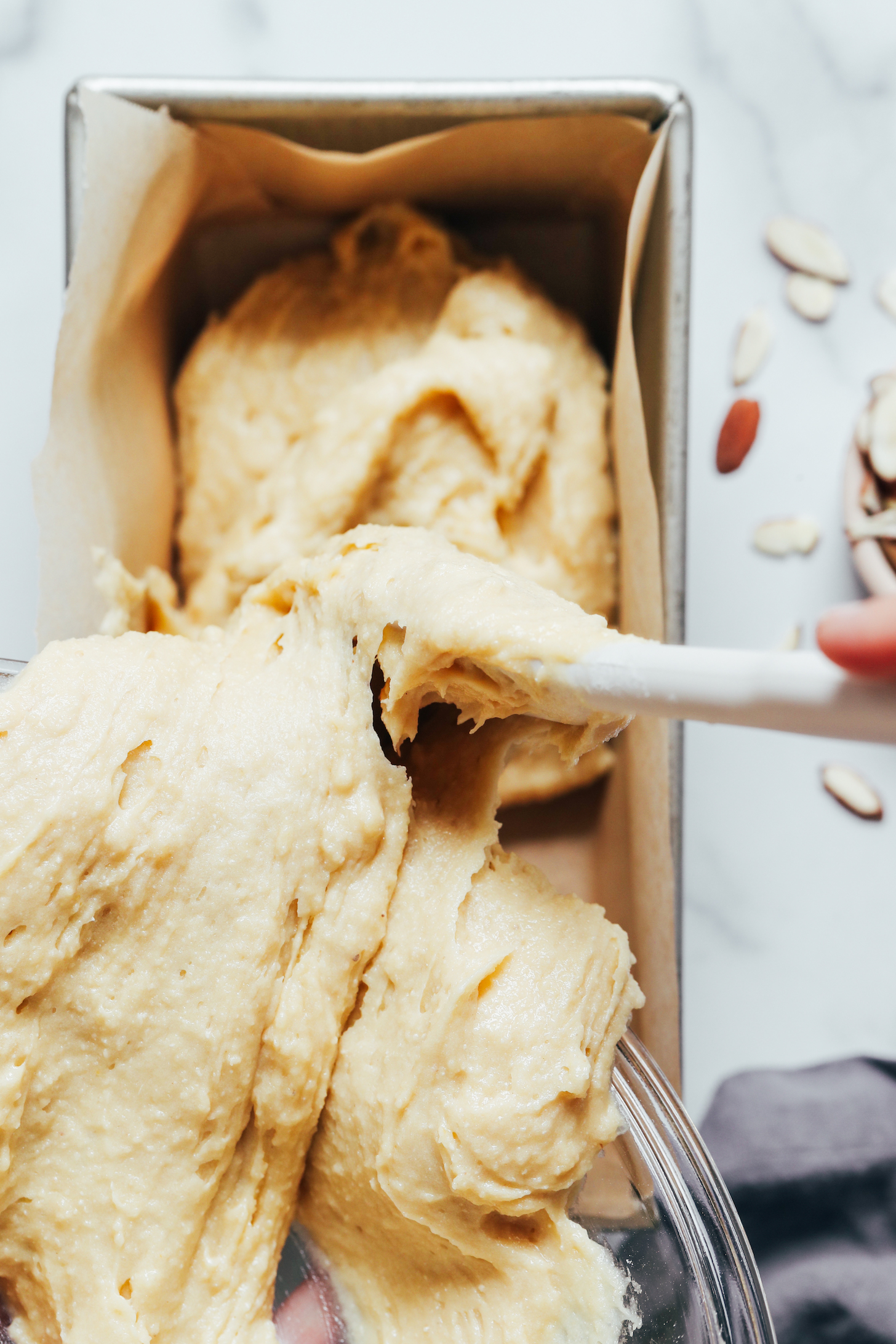
The preparation timeline is optimized for efficiency, requiring approximately 10 minutes of active prep time followed by a 45-minute bake, totaling 55 minutes. This efficiency is achieved through the elimination of complex creaming methods, where sugar and fat are typically whipped separately. Instead, the one-bowl approach encourages the emulsification of fats and sugars with wet ingredients, which are then folded into the dry components.
Chronology of Preparation:
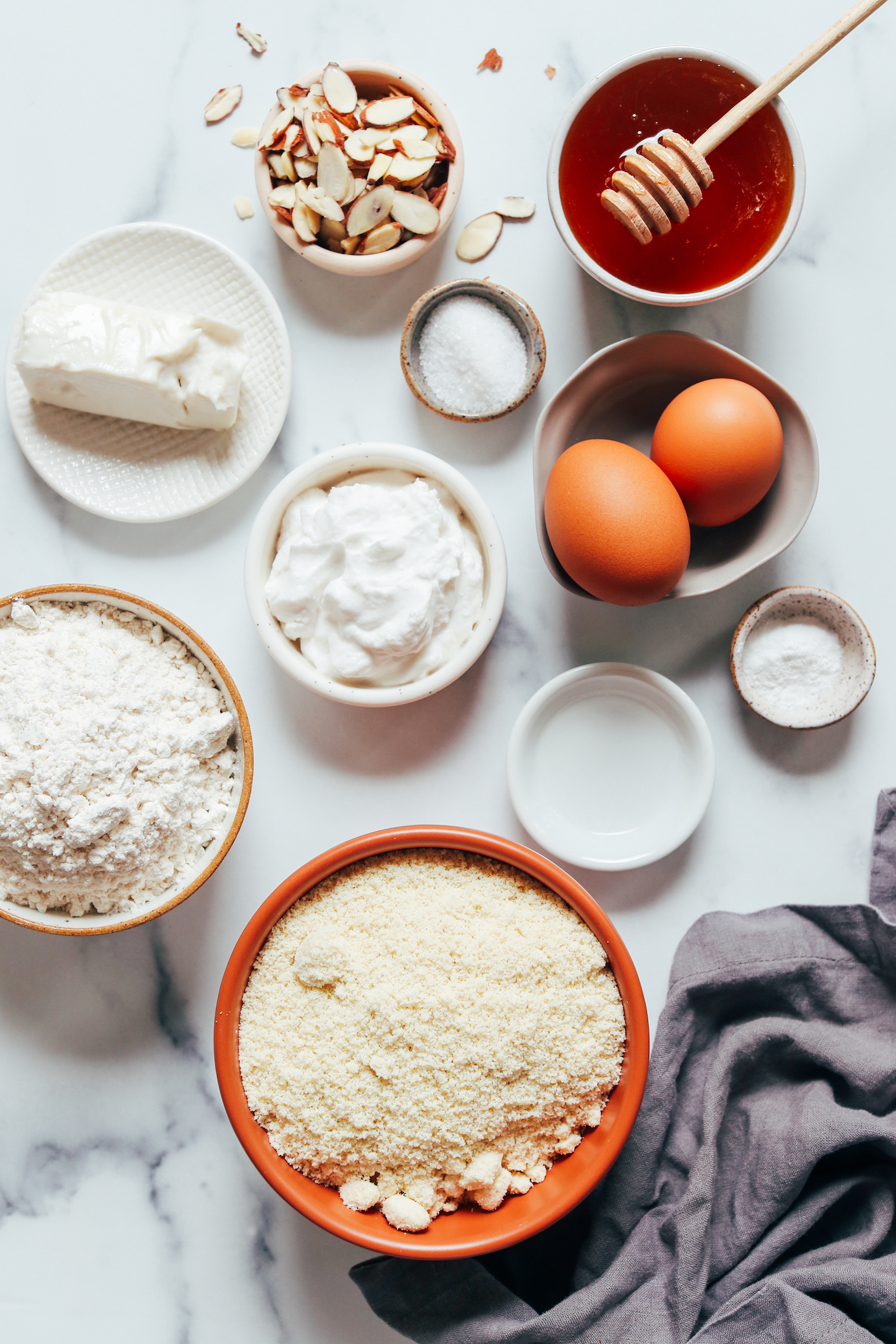
- 0–5 Minutes: Selection of ingredients, ensuring all components are at room temperature to facilitate proper emulsification.
- 5–10 Minutes: Mixing wet ingredients (honey, dairy-free yogurt, almond extract) followed by the integration of dry ingredients into the same vessel.
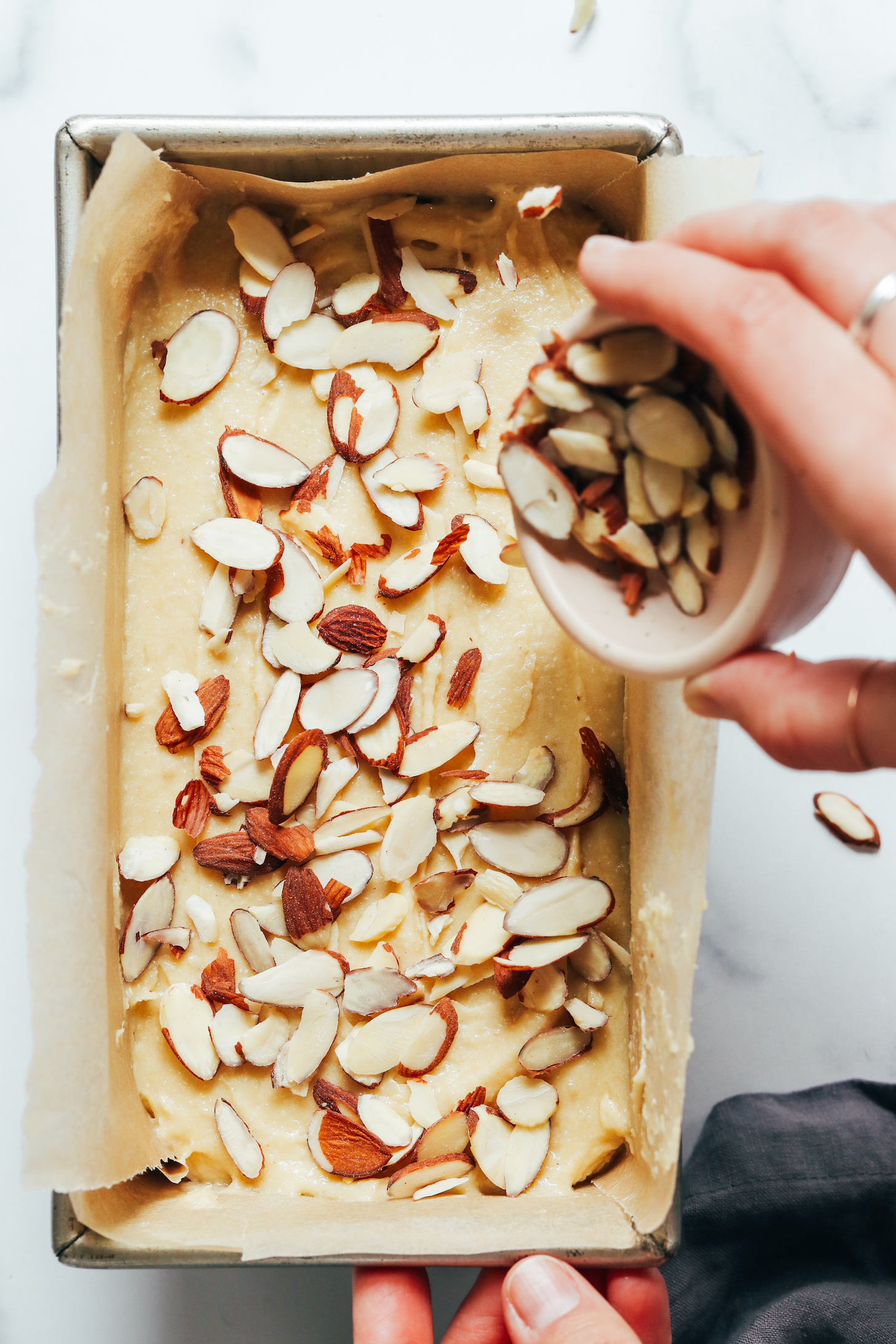
- 10–15 Minutes: Preparation of the loaf pan with parchment lining, a crucial step for the structural removal of the cake post-bake.
- 15–60 Minutes: Baking phase at a standardized temperature, followed by a cooling period to allow the crumb to set.
Nutritional and Dietary Implications
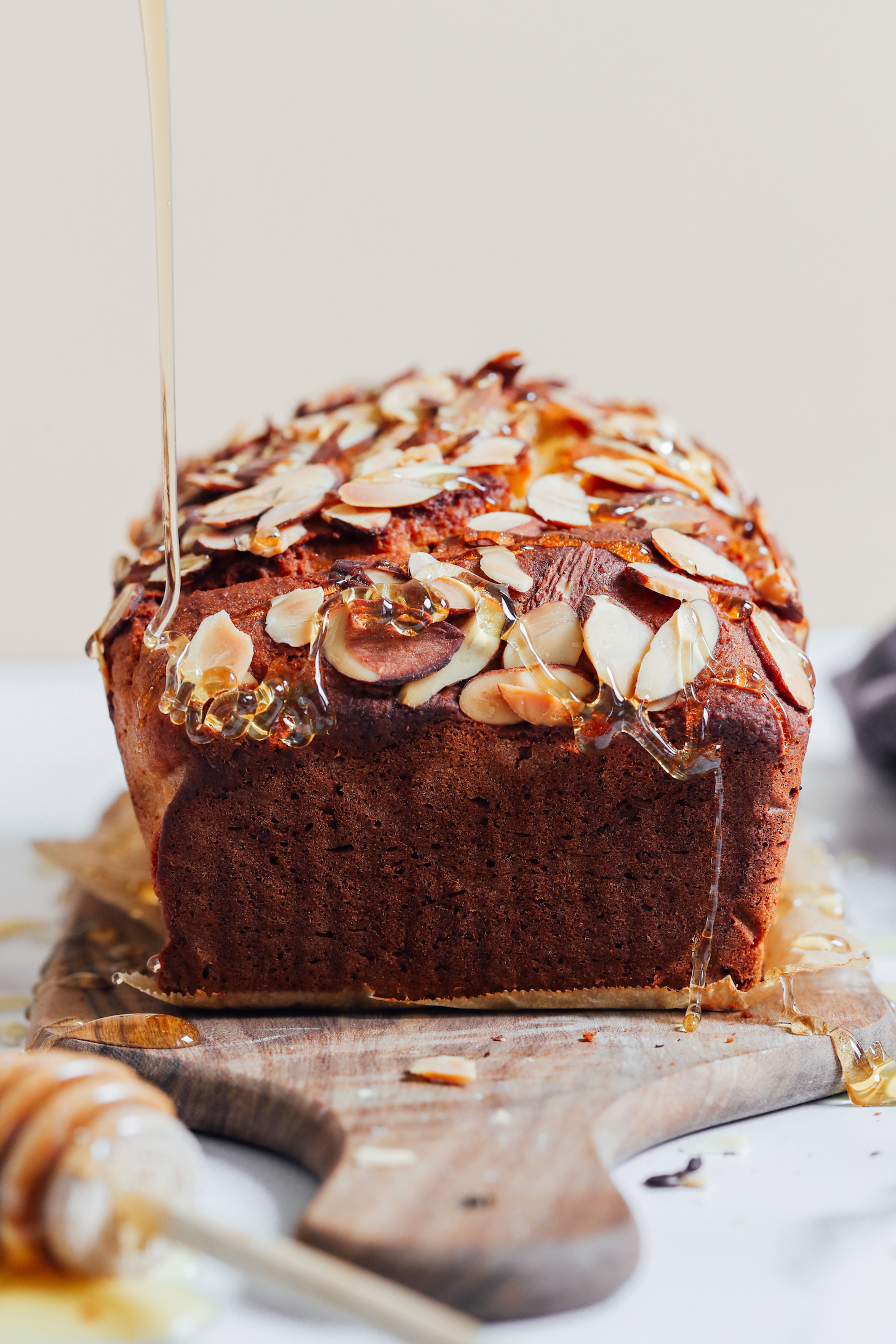
From a nutritional standpoint, the snack cake provides a profile distinct from conventional refined-sugar desserts. By utilizing honey as the primary sweetening agent, the cake introduces trace enzymes and antioxidants, though it remains a caloric item with approximately 245 calories per serving. The reliance on almond flour contributes a higher percentage of healthy monounsaturated fats and protein compared to traditional all-purpose flour recipes, which are predominantly carbohydrate-heavy.
The implications for home bakers are twofold: first, it lowers the barrier to entry for those intimidated by specialized diets. Second, it demonstrates that sophisticated pastry results—characterized by a light, airy sponge and a floral aroma—can be achieved without industrial-grade equipment or additives.
Industry Perspectives on Ingredient Substitution
Food scientists and culinary experts have noted that the success of such recipes often hinges on the quality of the gluten-free flour blend. The shift toward "1:1" (one-to-one) flour blends has revolutionized the sector. These blends, typically composed of rice flour, potato starch, and tapioca flour, are designed to mimic the weight and absorption rates of wheat flour.
Regarding the substitutions for binders, professional bakers emphasize that while applesauce or aquafaba can replicate the moisture-retaining properties of eggs, they alter the density of the final product. The use of aquafaba—the viscous liquid found in canned chickpeas—is particularly noteworthy in the current culinary zeitgeist as an effective, zero-waste vegan egg substitute. It provides a level of aeration that is difficult to achieve with fruit-based binders alone.
Broader Impact on Home Cooking Trends
The popularity of this recipe format signals a larger cultural movement toward "snackable" cakes. Unlike formal dessert cakes, which are often heavily frosted and intended for specific occasions, the snack cake is designed for versatility. It serves as an accompaniment to morning coffee or afternoon tea, reflecting the "hygge" or comfort-focused lifestyle trends that have permeated social media and digital food journalism in recent years.
Furthermore, the emphasis on shelf-life—the cake maintains quality for three to four days and is freezer-friendly for up to one month—aligns with consumer desires to reduce food waste. As households increasingly look for ways to manage grocery budgets and pantry inventories, the ability to produce a high-quality, long-lasting item with just ten pantry staples becomes a significant value proposition.
Future Outlook for Inclusive Confectionery
As the culinary community continues to innovate, the focus is expected to remain on balancing health-conscious ingredients with the sensory satisfaction of traditional baking. The success of the honey almond snack cake highlights that consumer demand is not just for "gluten-free" or "dairy-free" labels, but for products that are "undetectably" free of these allergens. The future of the industry lies in these types of hybrid recipes—those that bridge the gap between wellness-oriented nutrition and the visceral enjoyment of a well-baked, moist, and flavorful dessert.
In summary, the 1-Bowl Honey Almond Snack Cake is more than a simple recipe; it is a synthesis of modern dietary requirements and culinary efficiency. By streamlining the process and focusing on the chemical interaction of naturally derived ingredients, it offers a blueprint for how home baking is evolving to meet the demands of a modern, diverse, and health-conscious consumer base. As professional and amateur bakers continue to share and adapt these methods, the standard for what constitutes a "successful" allergen-friendly bake continues to rise, pushing the boundaries of what is possible in the home kitchen. Whether through the use of alternative sweeteners like honey or the mastery of gluten-free flour blends, the goal remains the same: to produce a result that is, first and foremost, a pleasure to consume.