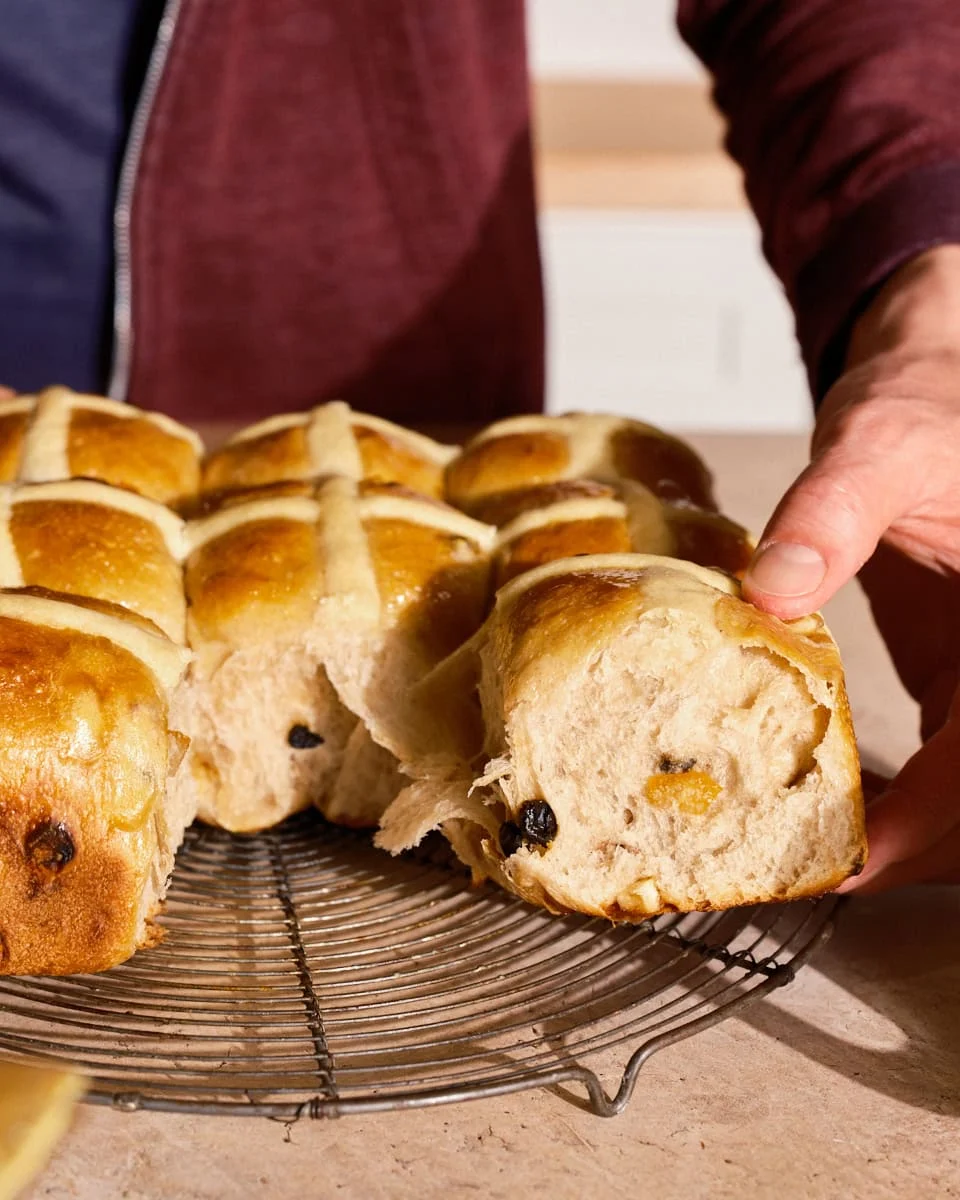

As the chill of winter recedes and the promise of spring arrives, bakers often find their thoughts turning to traditional treats. For many, this shift in season is inextricably linked to the anticipation of hot cross buns, a delicacy traditionally savored on Good Friday. This year, however, the humble hot cross bun is being reimagined through the lens of artisanal sourdough baking, promising an even more tender and flavorful experience. This evolution in the classic recipe, adapted from the renowned cookbook "The Perfect Loaf," introduces the innovative technique of tangzhong, a cooked flour paste, to elevate the texture and longevity of these beloved buns.
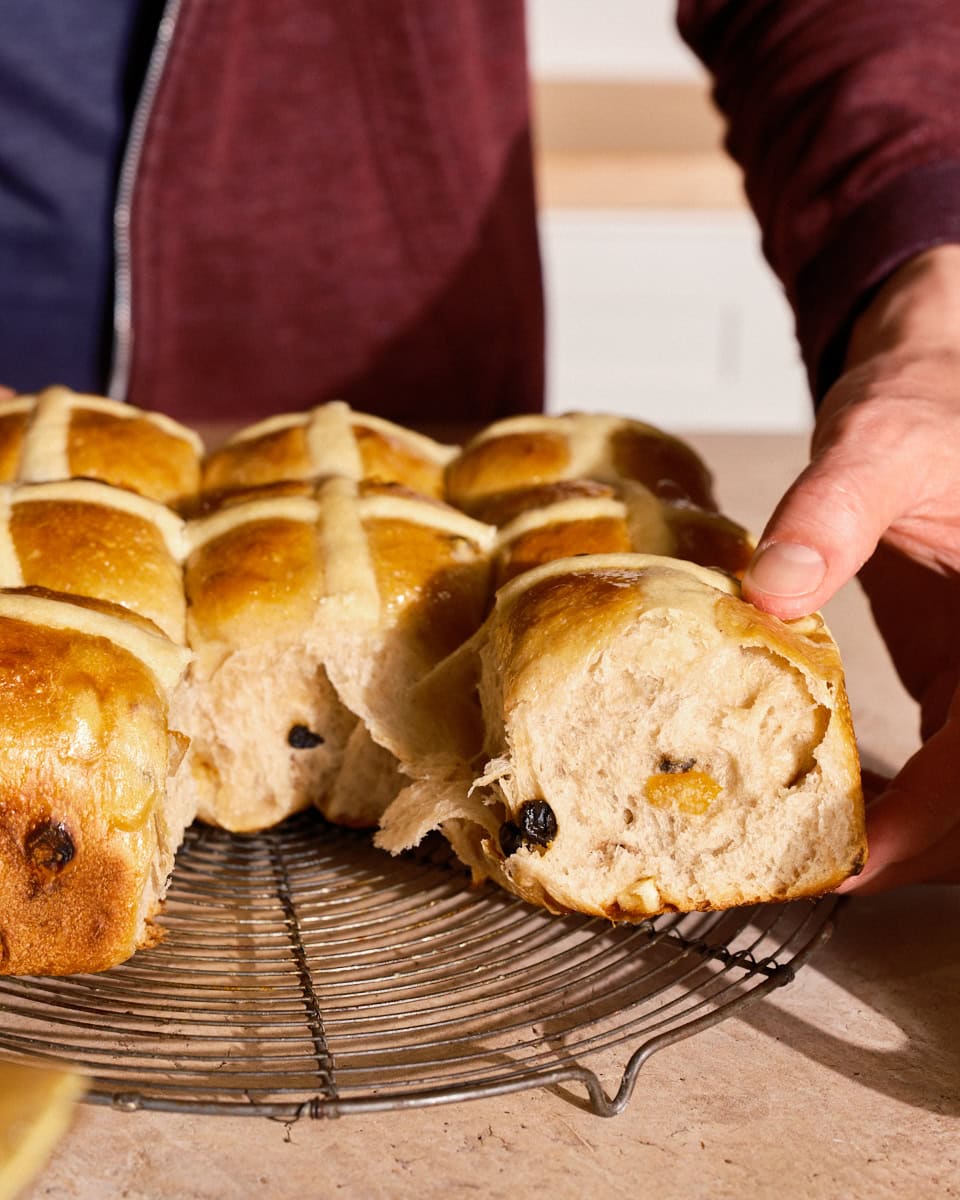
The incorporation of tangzhong is a key differentiator in this updated sourdough hot cross bun recipe. Traditionally, hot cross buns are leavened using commercial yeast, which facilitates a rapid rise but can sometimes compromise the depth of flavor. By employing a sourdough starter, this recipe imbues the buns with a more complex, rounded taste profile. The inherent acidity of the sourdough starter, balanced by a sweet levain, harmonizes beautifully with the sweetness of the sugar, the richness of the fruit, and the aromatic glaze. This deliberate approach ensures a subtle sourdough tang that complements, rather than overpowers, the warm spices and citrus notes.
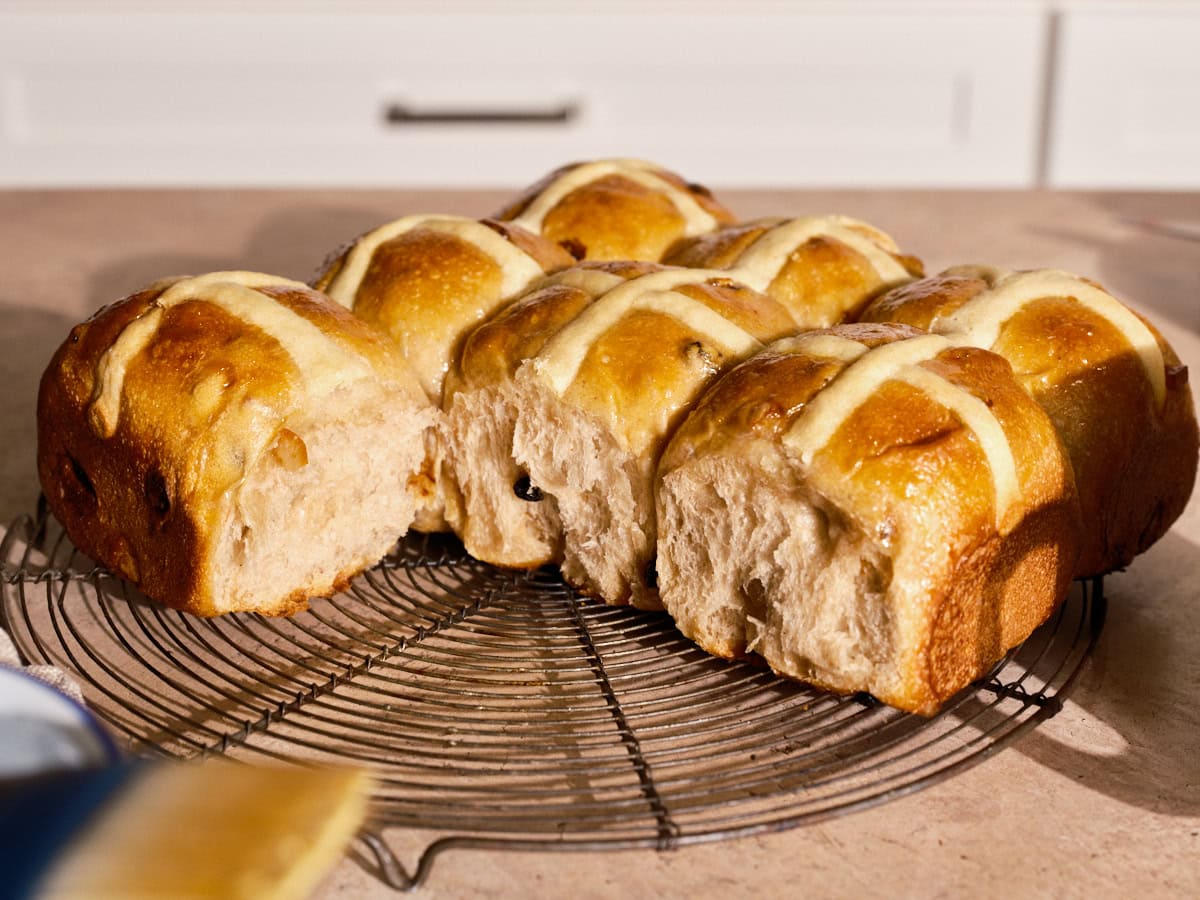
The inclusion of milk, egg, and butter contributes to a rich, enriched dough. However, this also means that the fermentation process is slower, requiring a degree of patience from the baker. This patience is rewarded with a deeply flavorful bun, boasting a texture that is both pillowy and delightfully pull-apart. The tangzhong technique, where a small portion of the flour and liquid is cooked into a paste before being added to the main dough, is instrumental in achieving this unparalleled softness. This cooked paste acts as a moisture magnet, trapping extra liquid within the dough. The result is a remarkably tender crumb that remains soft for a longer duration compared to conventional enriched buns.
The Science Behind the Softness: Tangzhong Explained
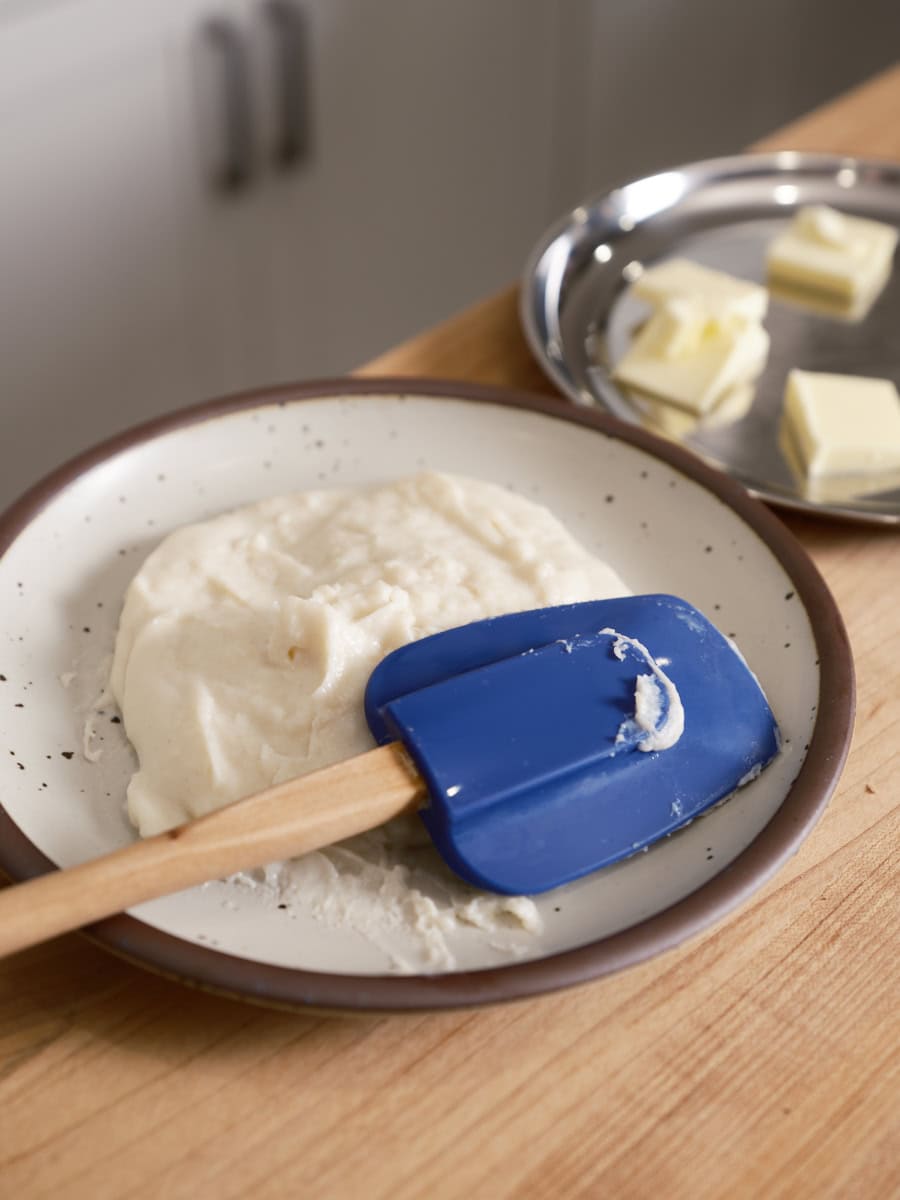
Tangzhong, a culinary technique originating from Asia, has gained significant traction in Western baking circles for its remarkable ability to enhance the texture of bread and rolls. The process involves heating a mixture of flour and liquid (typically water or milk) until it thickens into a gelatinous paste. This paste, when incorporated into a bread dough, dramatically increases its moisture content. The starch granules in the flour absorb a significantly larger amount of liquid when cooked, and this bound moisture is then released gradually during baking and storage, keeping the final product exceptionally soft and extending its shelf life. For hot cross buns, this translates to a more luxurious mouthfeel and a delightful chew that is characteristic of premium baked goods.
A Symphony of Spices and Citrus
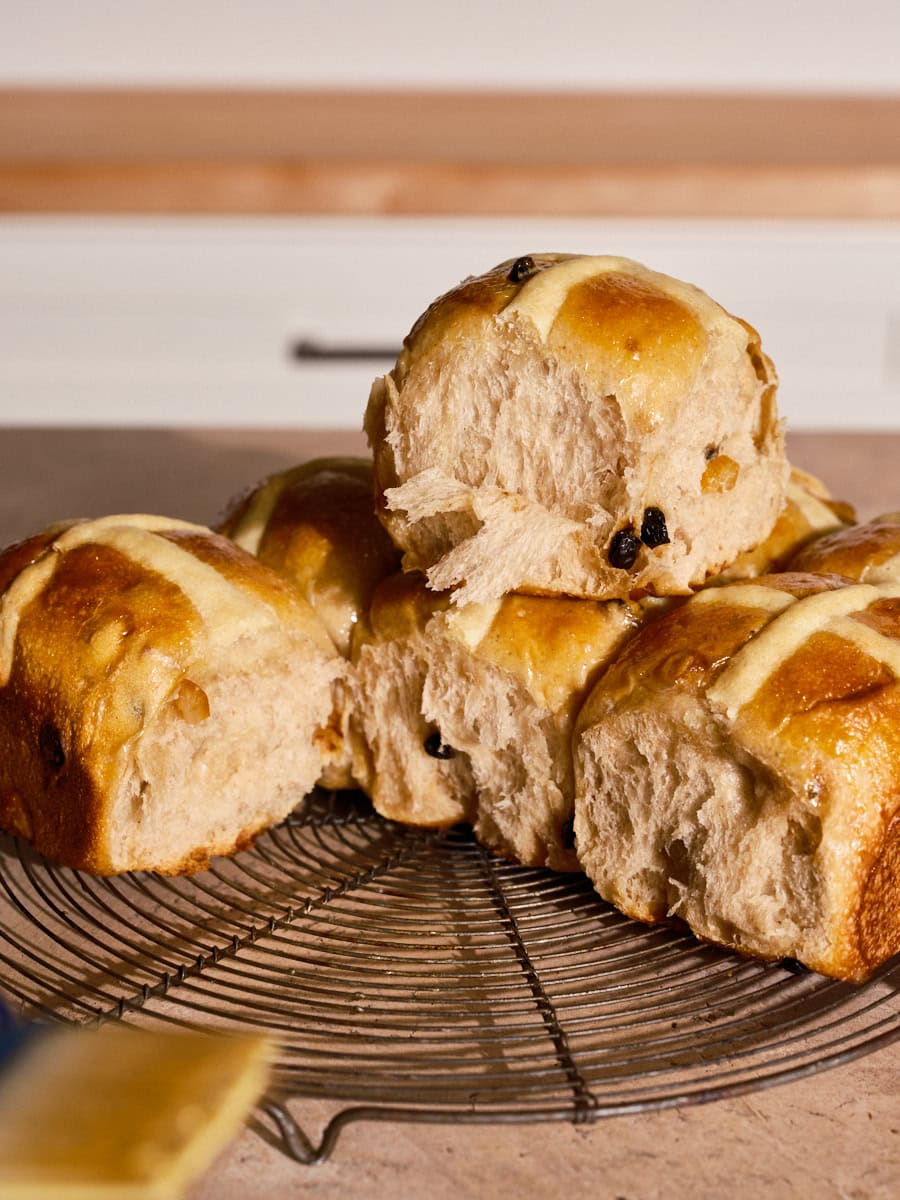
The flavor profile of these sourdough hot cross buns is a carefully curated blend of traditional and complementary notes. Warm spices such as cinnamon, allspice, and freshly ground nutmeg are foundational, providing that comforting, autumnal aroma that is so synonymous with hot cross buns. These are expertly balanced by the bright, zesty notes of lemon and orange zest. The inclusion of plump dried fruits, such as Thompson raisins and dried currants, adds bursts of sweetness and a satisfying chew. For those seeking a modern twist, chocolate chips are offered as a delectable alternative. The interplay between the warm spices, the vibrant citrus, and the sweet, chewy fruit creates a complex and harmonious flavor experience that is both nostalgic and excitingly new.
The Sourdough Advantage: Flavor and Fermentation
The use of sourdough starter as the primary leavening agent is what truly sets these buns apart. Unlike commercial yeast, which acts quickly and predictably, sourdough fermentation is a more nuanced process. It relies on a symbiotic culture of wild yeasts and lactic acid bacteria, which work together to leaven the dough and develop complex flavors. The lactic acid bacteria, in particular, produce organic acids that contribute to the characteristic tangy flavor of sourdough. In the context of enriched doughs like hot cross buns, this tang is not overpowering but rather a subtle undertone that cuts through the richness and sweetness, adding a sophisticated layer to the overall taste. The slower fermentation also allows for more flavor development, resulting in a bun that is not only soft but also deeply satisfying.
A Structured Approach to Baking: The Baking Schedule
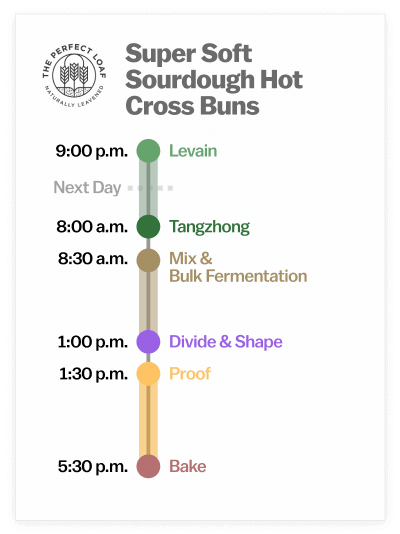
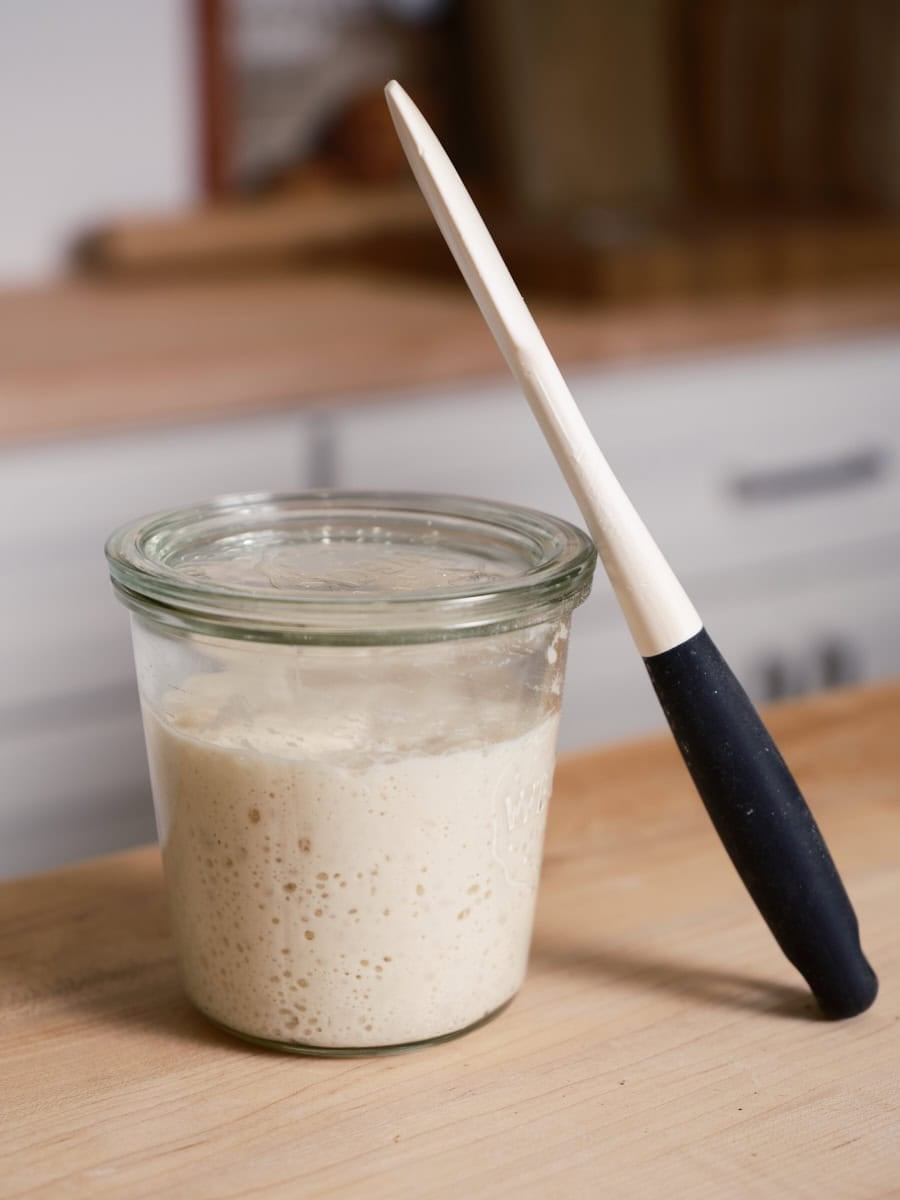
The recipe is designed for a "same-day" direct bake, with the exception of an overnight preparation for the levain. This thoughtful scheduling allows for the development of flavor and texture without requiring an excessively long baking day. The levain, a portion of the sourdough starter fed with flour, water, and sugar, is prepared the night before, along with an optional fruit soaker if the dried fruits are particularly dry. The following day, the tangzhong is made, followed by the mixing of the dough, bulk fermentation, shaping, and finally, proofing and baking.
For those planning to serve these buns on Easter morning, a strategic overnight refrigeration step is recommended. The dough can be taken through its initial proofing stages, then chilled overnight. This allows for a slower, more controlled final proof on Easter morning, ensuring perfectly risen buns ready for baking. This flexibility in the schedule makes these artisanal hot cross buns accessible even for busy holiday preparations.
Essential Baking Equipment
Achieving the perfect sourdough hot cross bun requires attention to detail and the right tools. Key equipment includes a high-protein white flour for optimal dough structure, whole milk for richness, eggs, unsalted butter, superfine sugar, and a selection of dried fruits and spices. For the mixing process, a stand mixer with a dough hook is highly recommended due to the enriched nature of the dough. This mixer helps to develop the gluten structure effectively, which is crucial for achieving the desired texture. For those with specialized equipment, a spiral mixer like the Halo Pro can also be utilized.
Beyond the core ingredients, a few specific items enhance the baking process. A 9-inch square baking pan is ideal for creating super-soft, pull-apart buns, as the close proximity of the buns encourages them to steam and remain tender. Alternatively, a sheet pan can be used for buns with a firmer, more well-colored crust. Tools for precise measurement, such as a kitchen scale, are essential for consistent results in sourdough baking. Additionally, a pastry bag or a plastic bag with a corner snipped off is needed for piping the decorative crosses, and a simple syrup glaze adds a final touch of sweetness and shine.
Understanding Baker’s Percentages
For those who wish to delve deeper into the science of baking, understanding baker’s percentages is invaluable. This system expresses the weight of each ingredient as a percentage of the total flour weight. It allows for easy scaling of recipes and provides a clear understanding of the dough’s composition. In this recipe, the total dough weight is approximately 1,150 grams, yielding 9 buns of about 115 grams each. The pre-fermented flour constitutes 15.5% of the total flour, and the levain in the final dough makes up 48.6%. The hydration of the dough, excluding milk, is 31.0%. This detailed breakdown allows bakers to adjust the formula based on their preferences or available ingredients, while maintaining the integrity of the recipe.
The Detailed Formula and Method
The recipe provides a comprehensive ingredient list, broken down into levain, tangzhong, main dough, cross mixture, simple syrup glaze, and egg wash.
Total Formula Breakdown:
- High-protein white flour: 454g (92.0%)
- Tangzhong Flour: 39g (8.0%)
- Tangzhong Whole Milk: 178g (36.0%)
- Egg, beaten: 49g (10.0%)
- Unsalted butter: 69g (14.0%)
- Superfine sugar: 39g (8.0%)
- Thompson raisins or candied orange peel: 74g (15.0%)
- Dried currants or chocolate chips: 49g (10.0%)
- Ground cinnamon: 3g (0.6%)
- Ground allspice: 1g (0.2%)
- Freshly ground nutmeg: 1g (0.2%)
- Lemon zest: (from 1 lemon)
- Orange zest: (from 1 orange)
- Water: 153g (31.0%)
- Fine sea salt: 9g (1.9%)
- Ripe sourdough starter (100% hydration): 31g (6.2%)
Method Overview:
- Prepare the Sweet Levain and Fruit Soaker (Evening): The levain is mixed with flour, sugar, water, and starter. It’s crucial that this levain is well-aerated and bubbly after its overnight fermentation, indicating its readiness.
- Make the Tangzhong and Prepare Butter (Morning): The tangzhong is cooked until it forms a paste. Butter is softened to room temperature for easy incorporation.
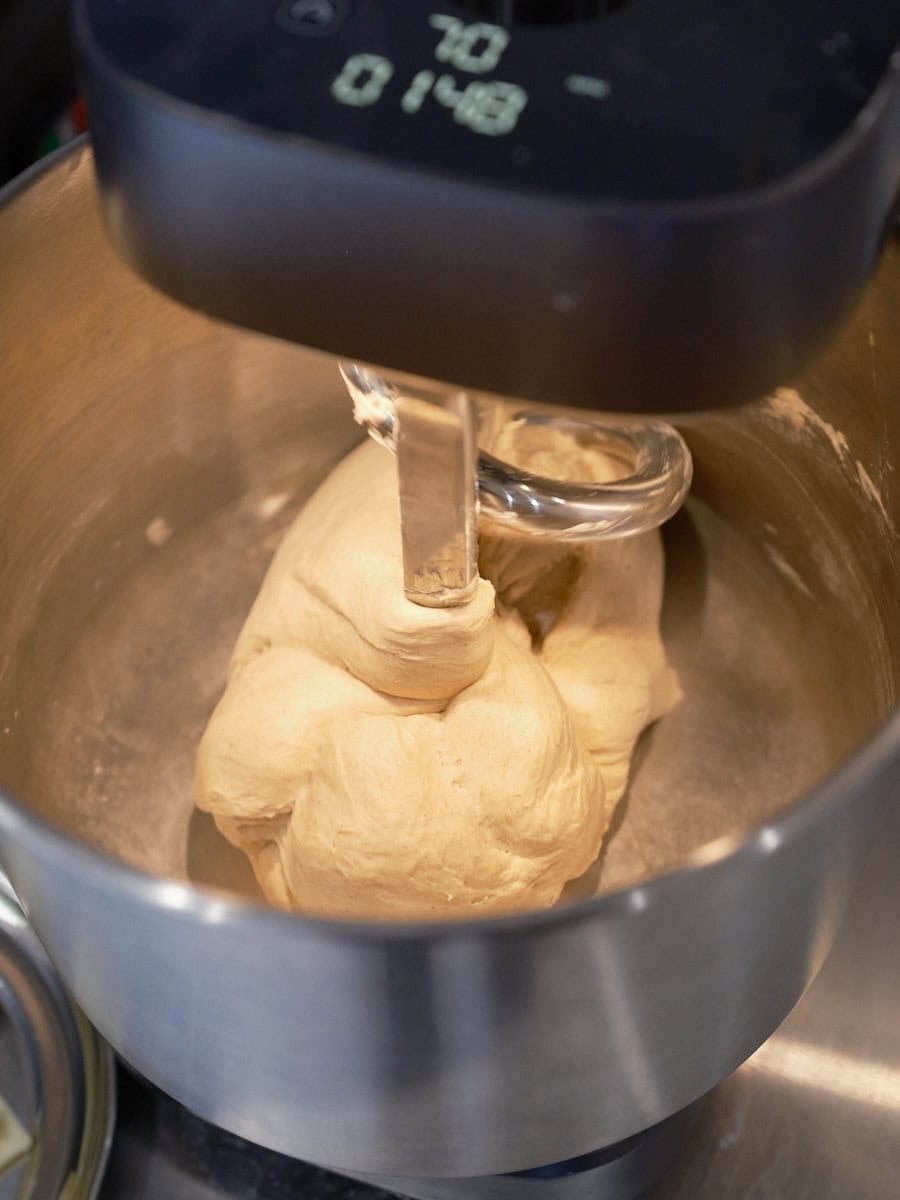
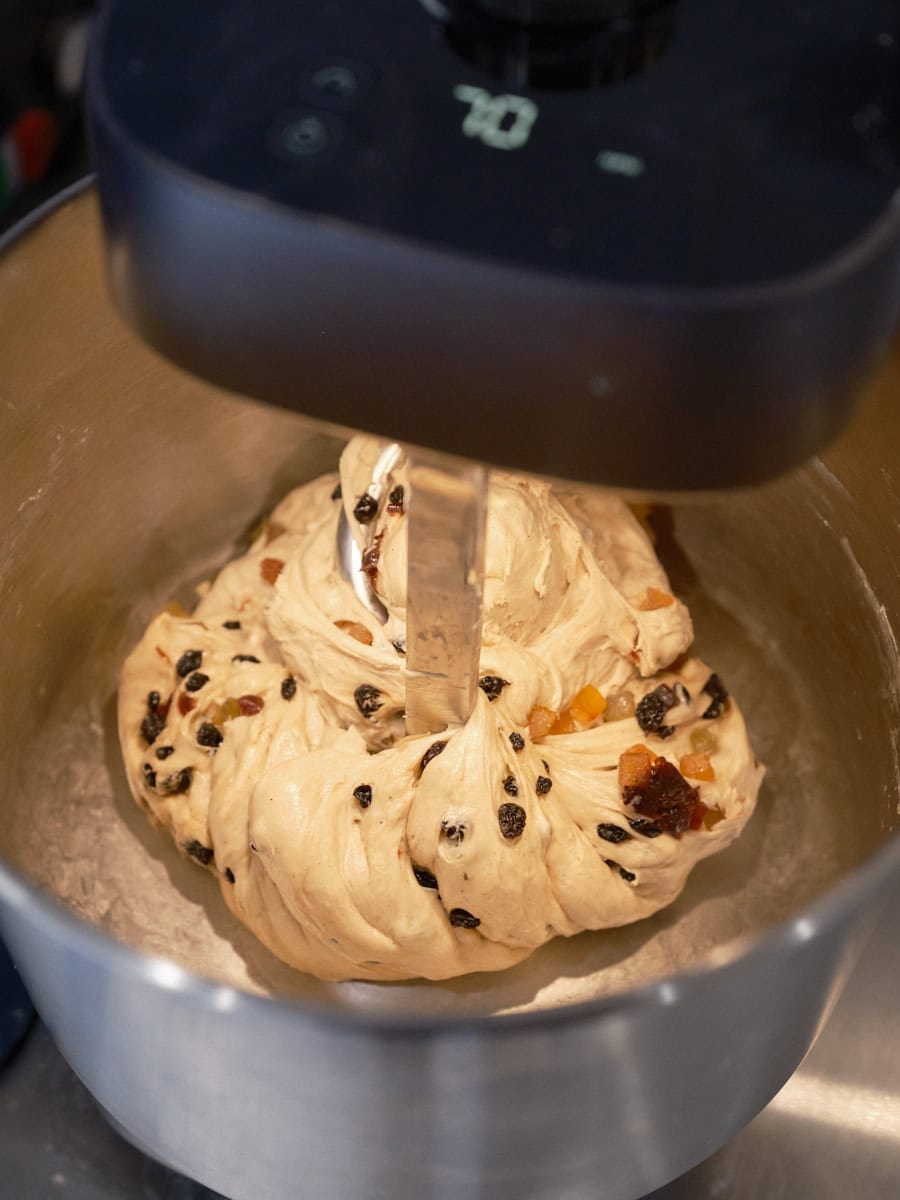
- Mix the Dough (Morning): All ingredients, including the tangzhong, flour, egg, sugar, spices, zest, water, salt, and levain, are combined. The dough is mixed until smooth and strong, passing the windowpane test. The butter is then added gradually, followed by the dried fruits and peel.
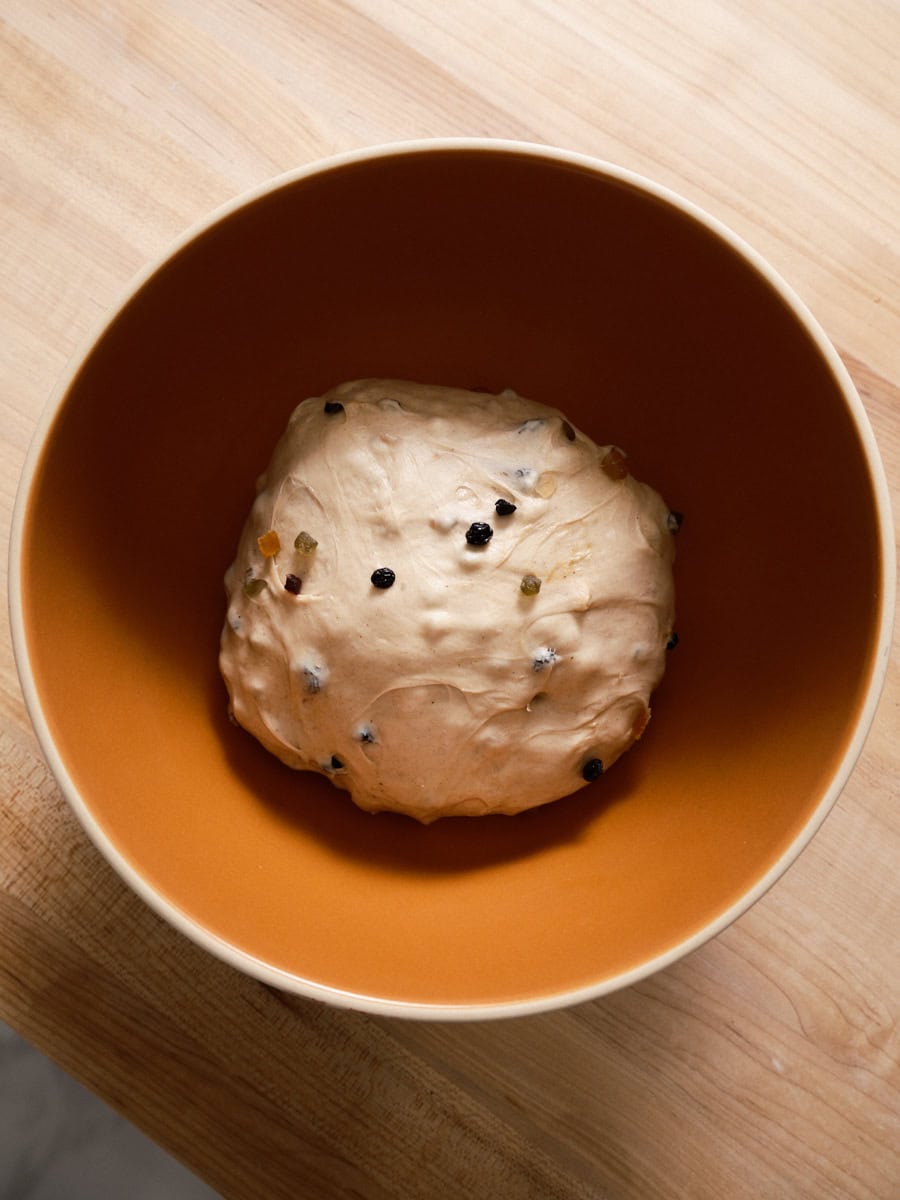
- Bulk Fermentation (Approximately 4 hours): The dough undergoes two sets of stretches and folds at 30-minute intervals to build strength. It is then left to ferment at a warm room temperature until puffy and airy.
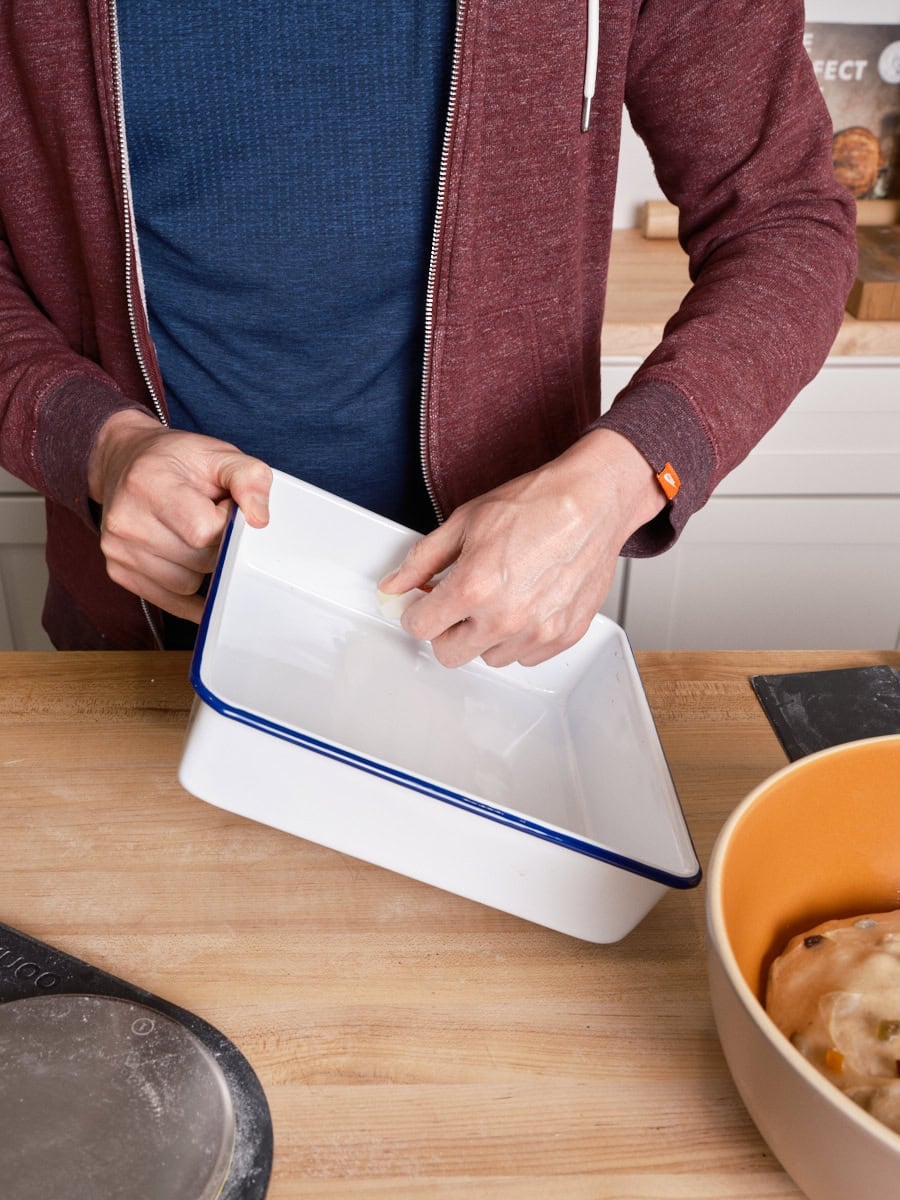
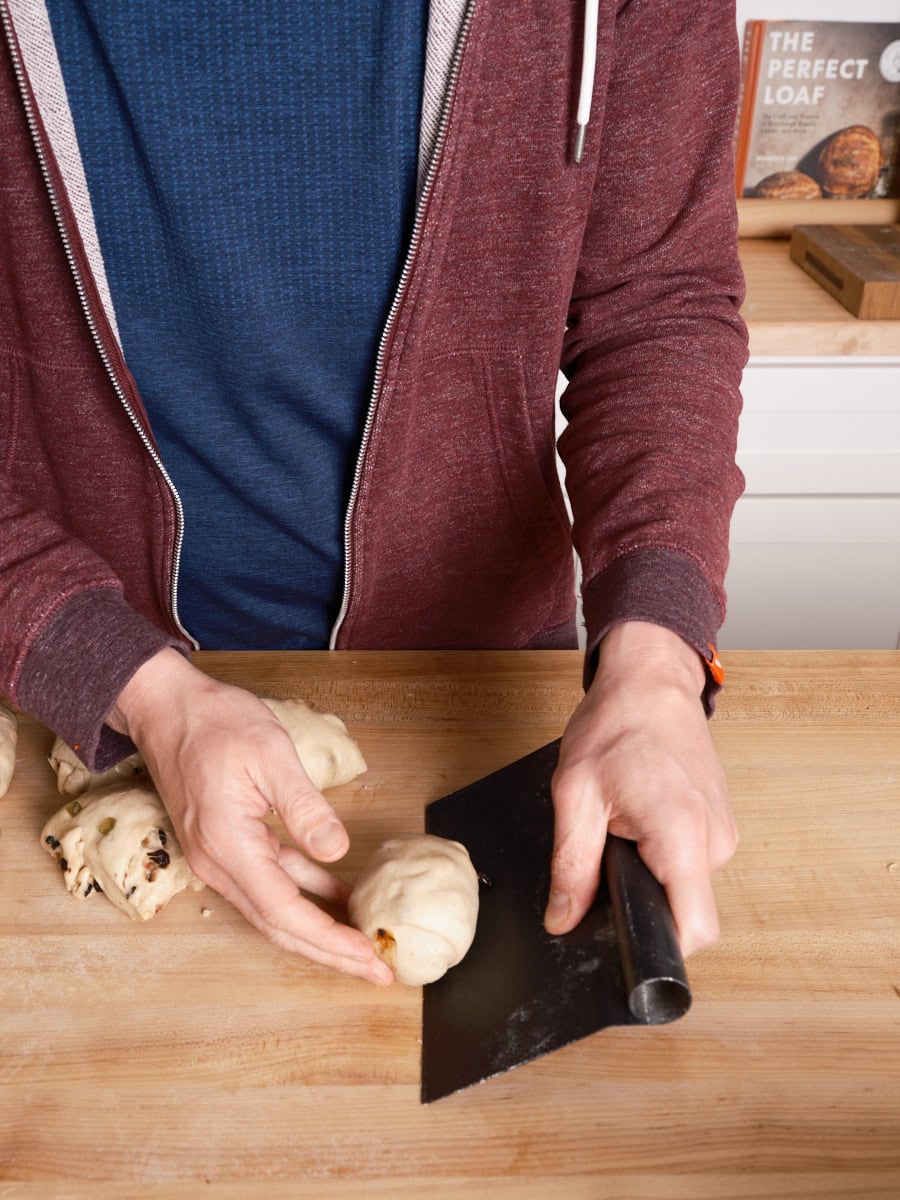
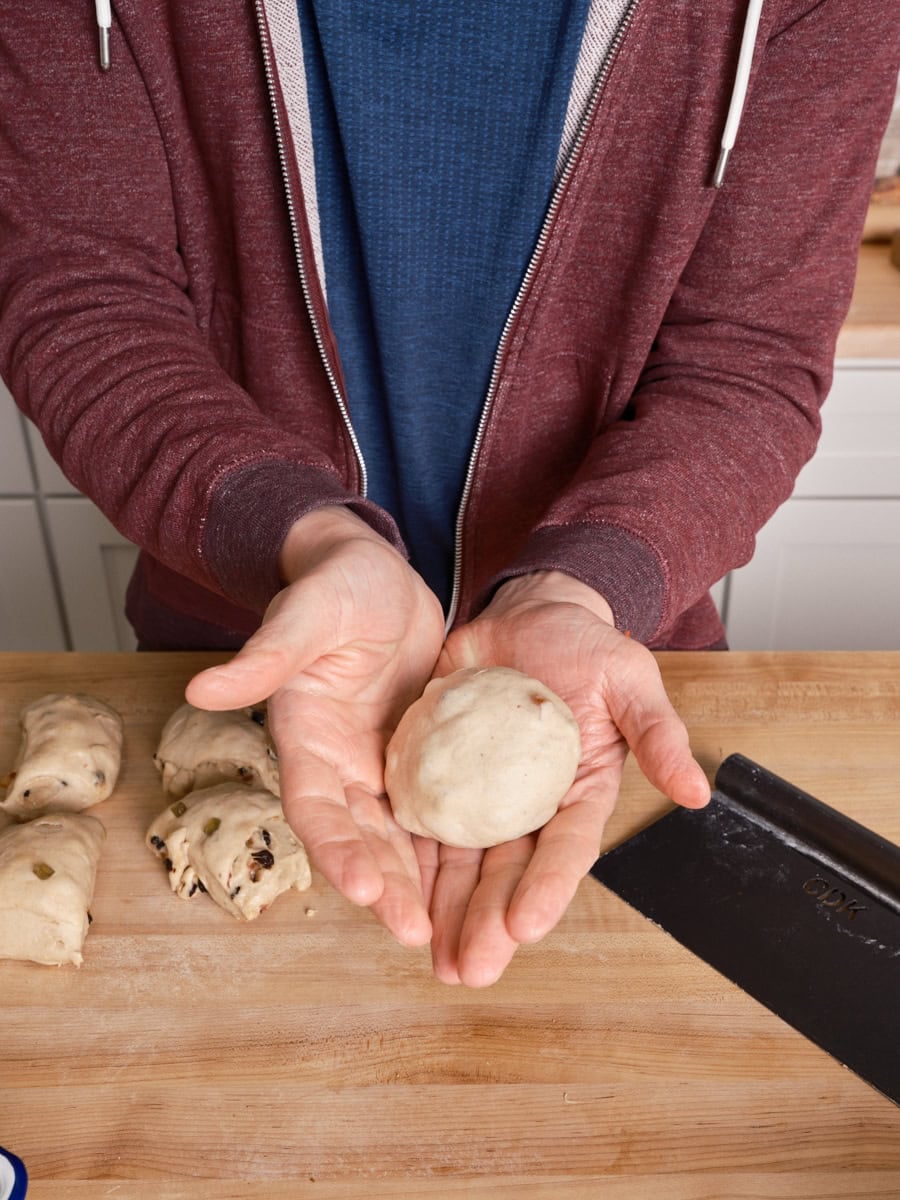
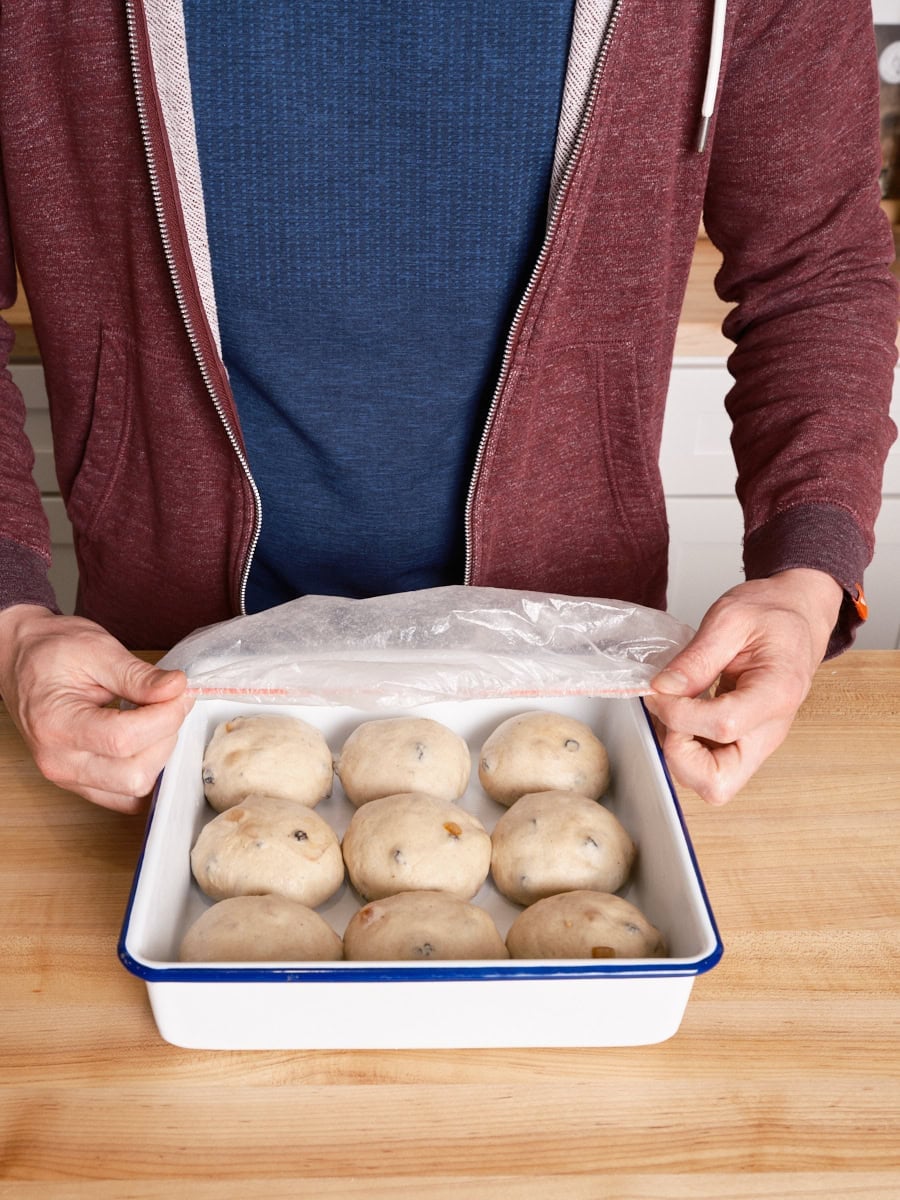
- Divide and Shape (After Bulk Fermentation): The dough is gently turned out, divided into 9 equal portions (approximately 115g each), and shaped into tight balls. These are placed in a buttered 9-inch square pan.
- Proof (Approximately 4-5 hours): The shaped buns are allowed to proof in a warm place until they are very soft to the touch and well-risen, filling the pan.
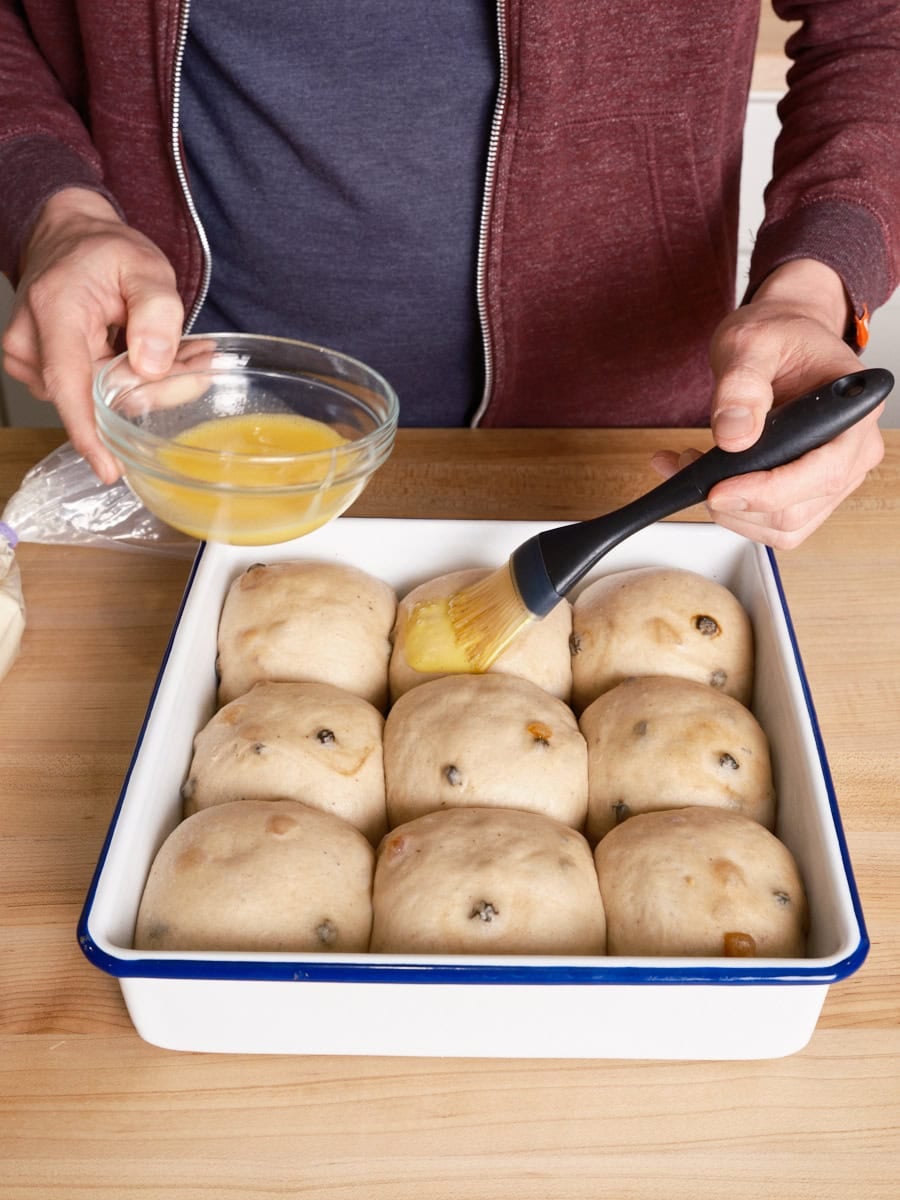
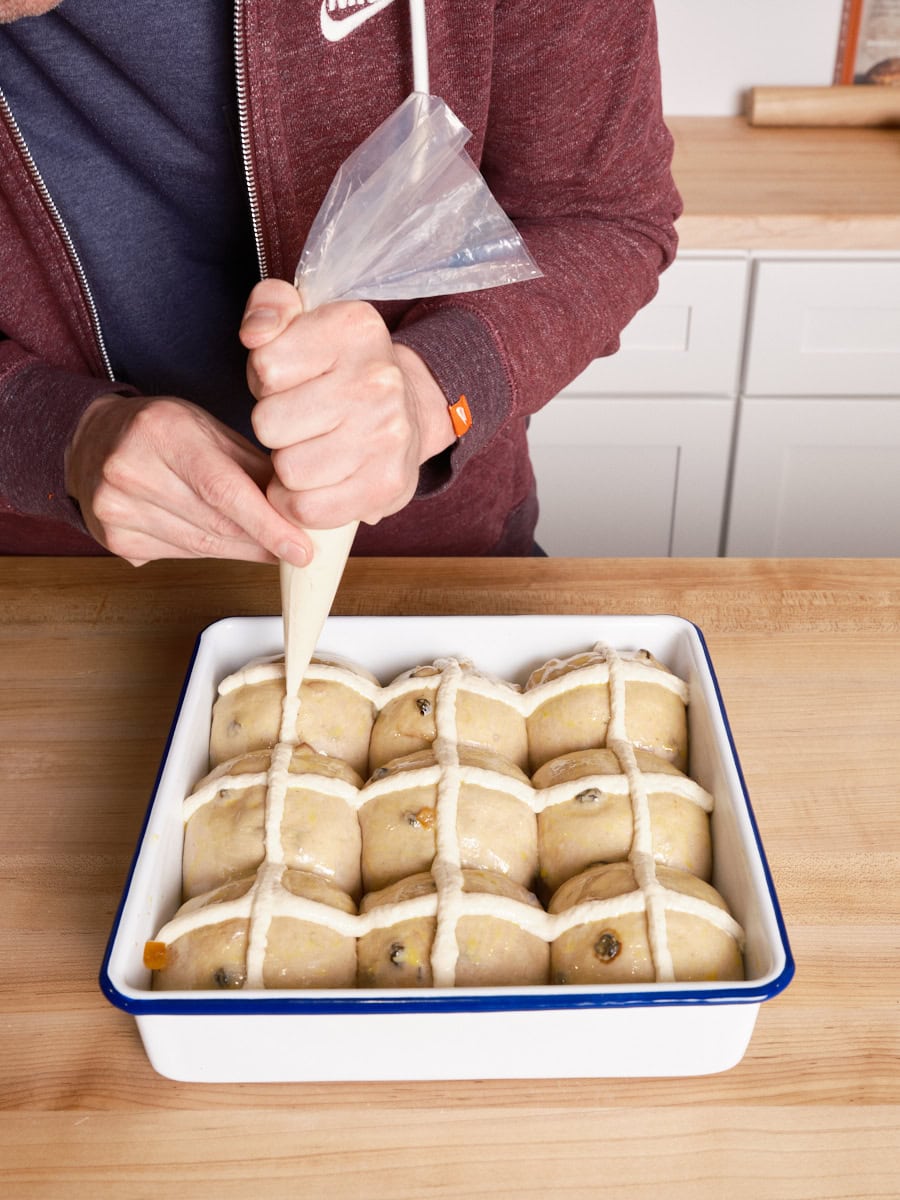
- Prepare Glaze, Cross Mixture, and Bake: The oven is preheated. A simple syrup glaze is made. A paste for the crosses is prepared. Before baking, the buns are brushed with an egg wash and the cross mixture is piped onto each bun. The buns are baked at 400°F (200°C) for 15 minutes, then at 350°F (175°C) for another 10-15 minutes until golden brown and cooked through.
- Glaze and Cool: Immediately after baking, the buns are brushed with simple syrup. They can be served warm or cooled on a wire rack.
The Broader Impact on Traditional Baking
The evolution of the hot cross bun recipe reflects a growing trend in artisanal baking: the integration of sourdough and advanced techniques like tangzhong into traditionally yeasted baked goods. This movement aims to enhance not only flavor and texture but also nutritional value, as sourdough fermentation can make nutrients more accessible. The success of such recipes indicates a discerning consumer base that appreciates the nuances of well-crafted bread and is willing to invest the time and effort into producing superior quality baked goods at home. This trend democratizes complex baking techniques, making them more accessible and celebrated within the home baking community.
These sourdough hot cross buns, with their exceptionally soft crumb, complex flavor profile, and satisfying chew, represent a significant step forward in the evolution of this classic Easter treat. The meticulous attention to detail in the recipe, from the careful balancing of spices and citrus to the innovative use of tangzhong and sourdough, results in a bun that is a true testament to the art of modern baking.