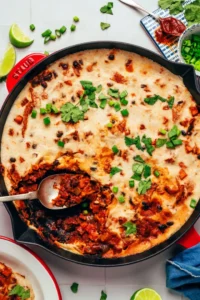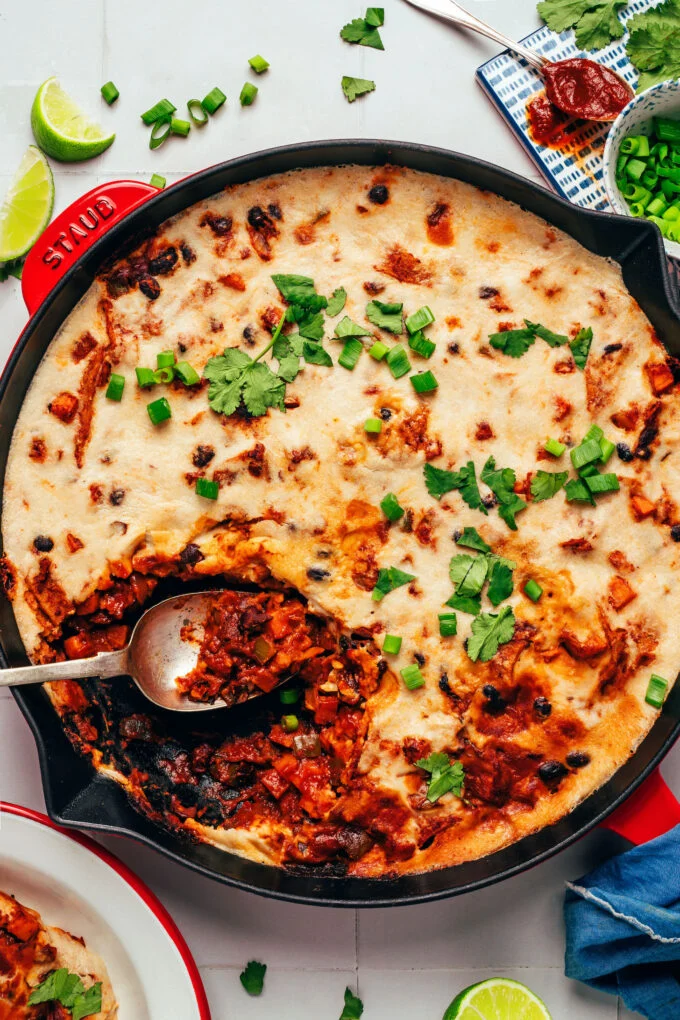

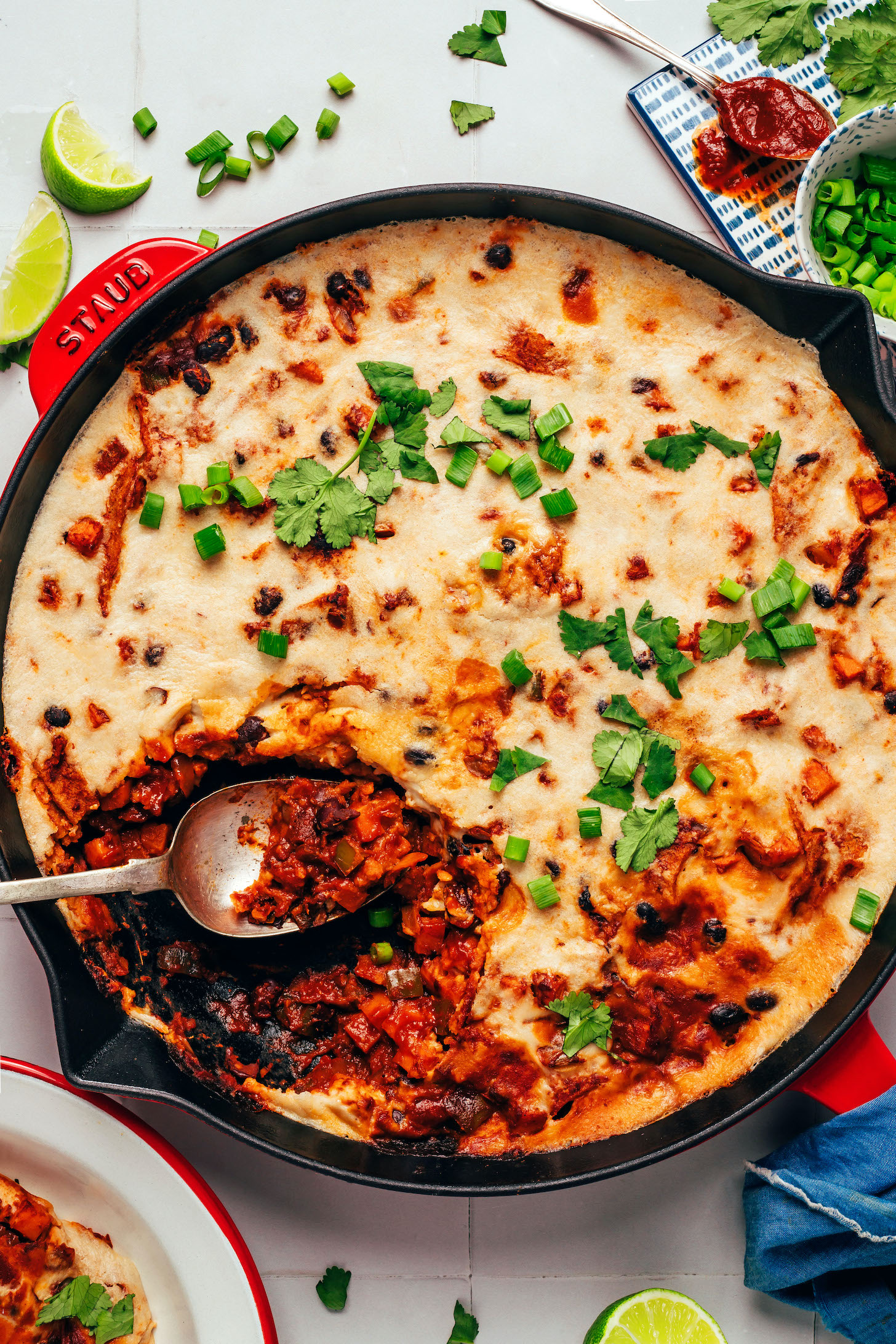
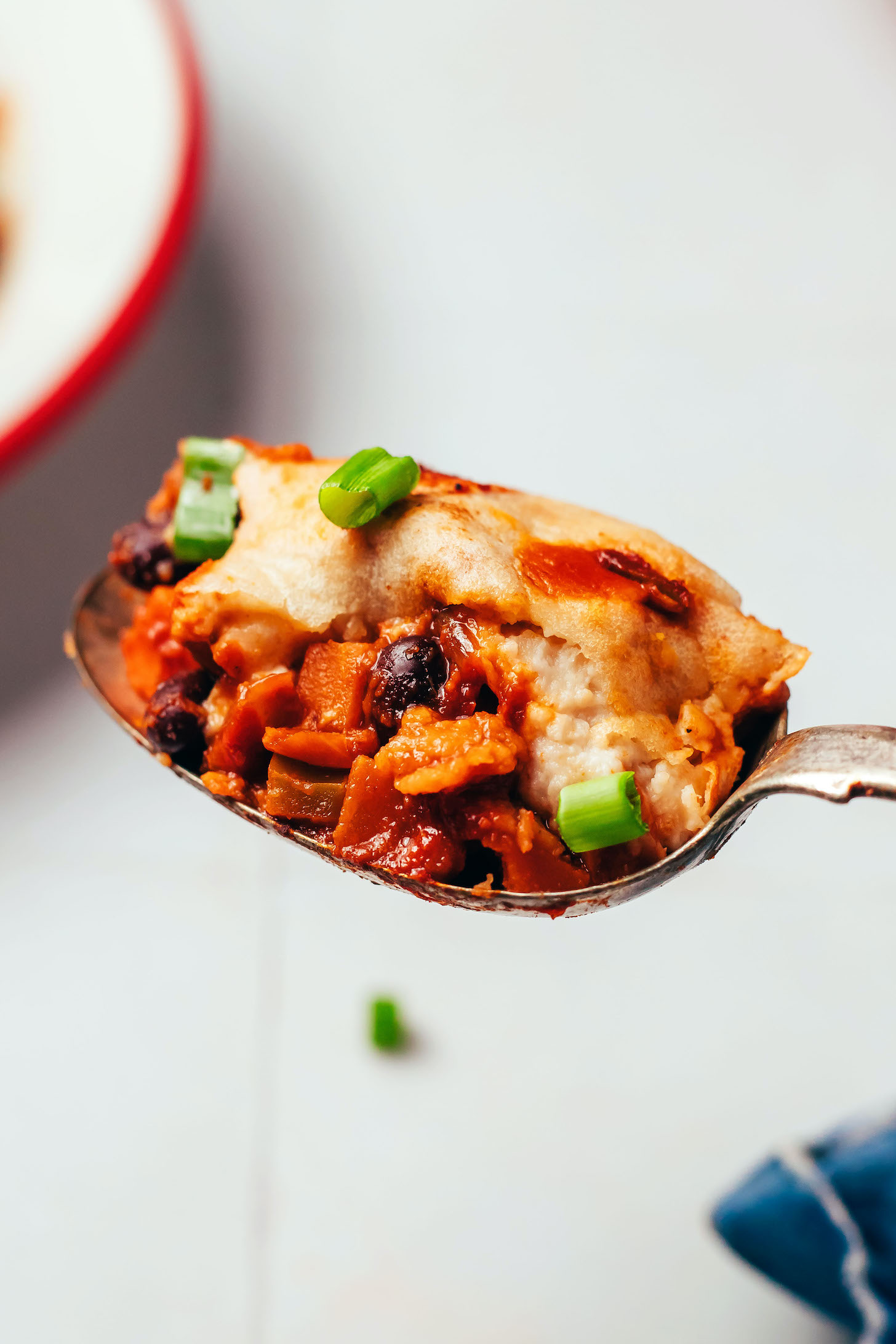
The culinary landscape of the 21st century has seen a marked shift toward plant-based alternatives, driven by both health considerations and the desire for time-efficient home cooking. A notable development in this trend is the adaptation of traditional cultural dishes into streamlined, one-pan formats. The recently introduced Cheesy Vegan Enchilada Skillet represents this evolution, condensing the labor-intensive process of traditional enchilada preparation into a 30-minute stovetop meal. By utilizing nutrient-dense ingredients like sweet potatoes and black beans, paired with a cashew-based emulsified sauce, the recipe addresses the growing consumer demand for high-fiber, dairy-free, and time-sensitive meal solutions.
Historical Context and Culinary Evolution
The history of the enchilada dates back to pre-Columbian Mexico, with historical accounts suggesting that the indigenous people of the Valley of Mexico consumed corn tortillas rolled around small fish. The evolution of the dish continued through the Mayan civilization, with references to papadzules, a dish consisting of tortillas dipped in a pumpkin seed sauce and filled with hard-boiled eggs.
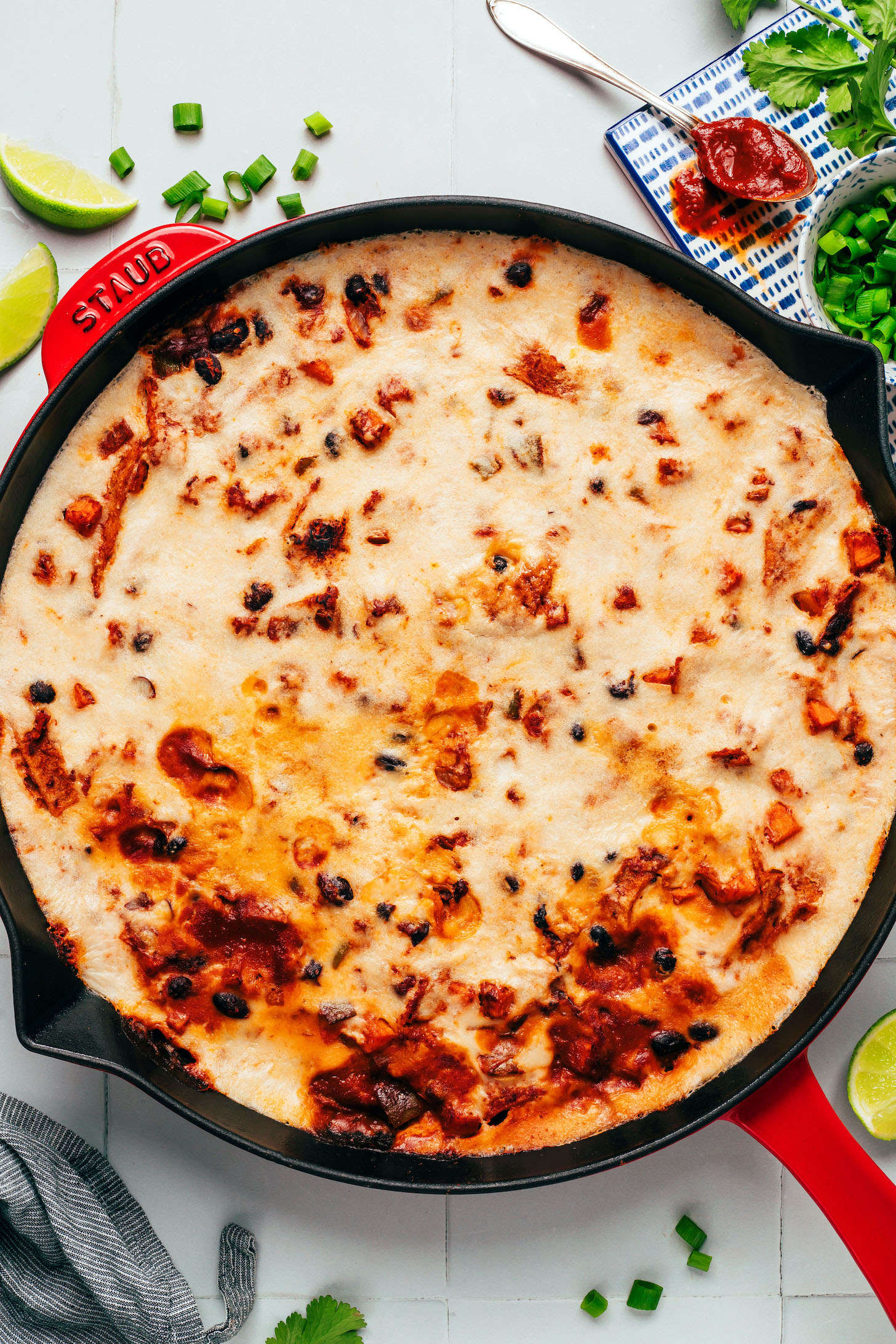
The first formal documentation of the modern enchilada appeared in the 1831 cookbook El Cocinero mexicano, which codified the dish as a staple of Mexican cuisine. Traditionally, the process requires individual filling, rolling, and baking of tortillas—a method that has remained largely unchanged for nearly two centuries. The contemporary "skillet" iteration represents a departure from this method, prioritizing utility and accessibility. By deconstructing the tortilla and incorporating it into a singular pan alongside the filling and sauce, modern home cooks can achieve a similar flavor profile while significantly reducing both preparation time and the volume of kitchen equipment required.
The Mechanics of the Modern Skillet Method
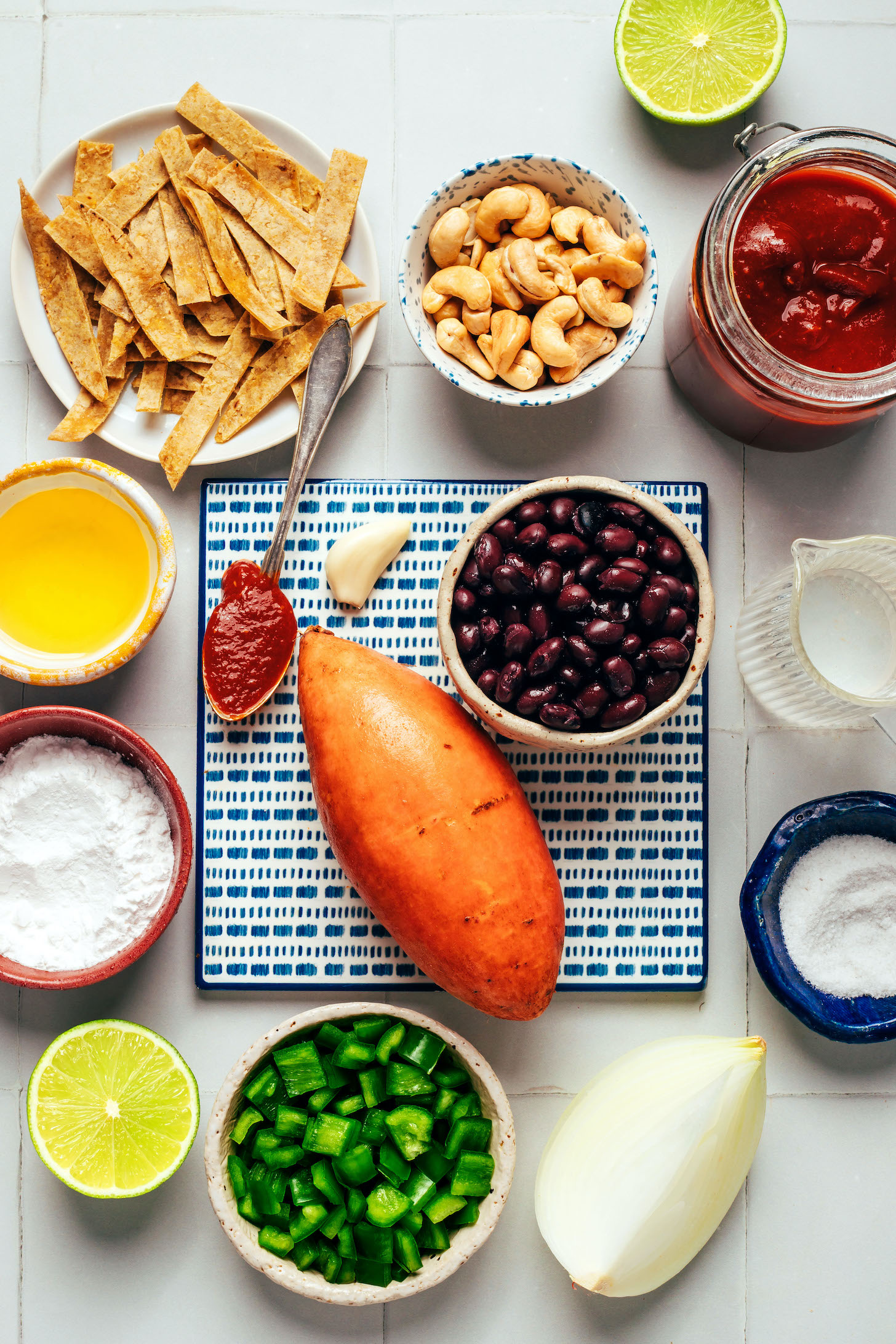
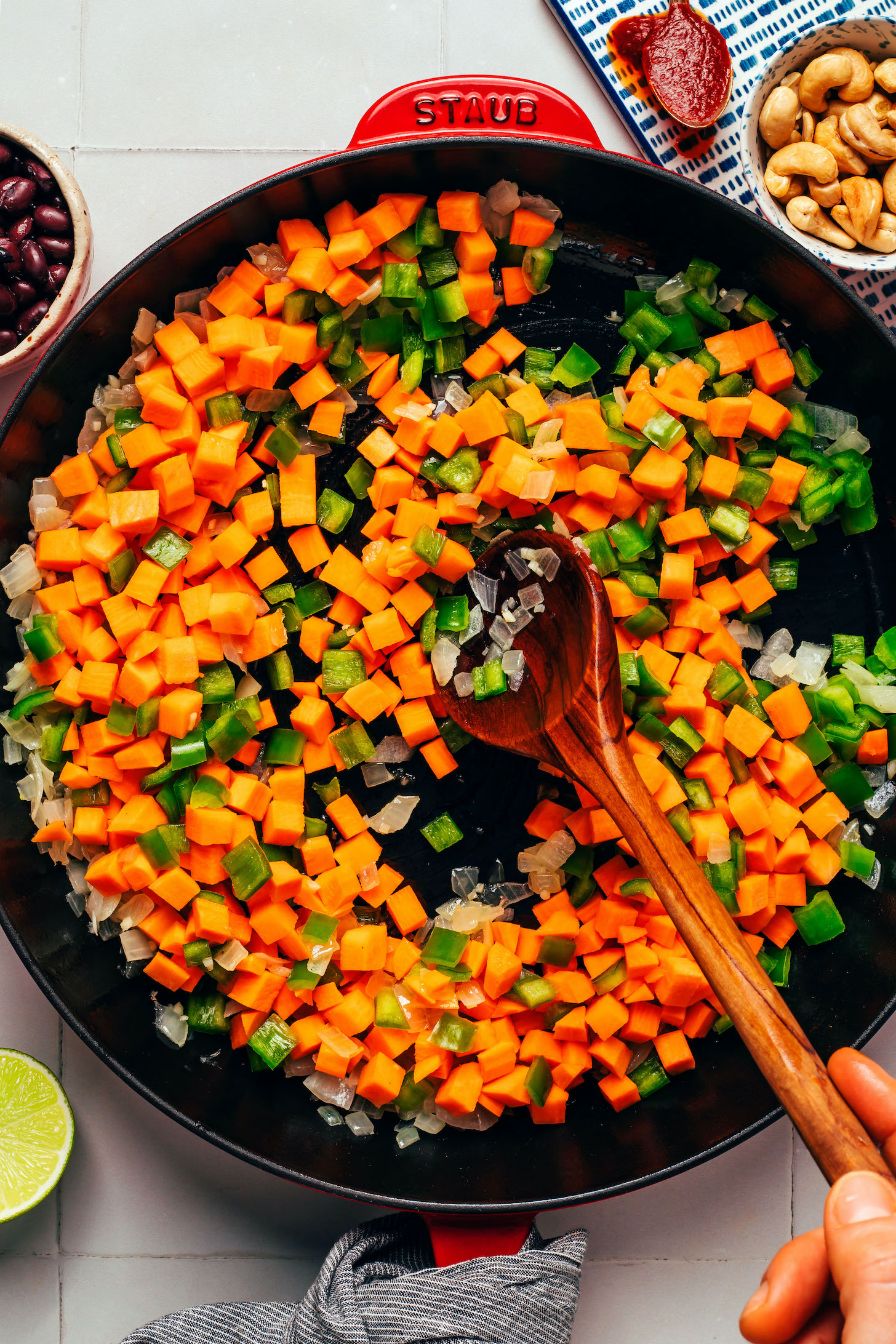
The efficiency of this dish relies on a modular approach to ingredient management. The foundation consists of a mirepoix-adjacent base of onions, garlic, and poblano peppers, providing a depth of flavor that mimics the aromatic profiles found in traditional Mexican cooking. The inclusion of sweet potatoes or winter squash introduces complex carbohydrates and essential vitamins, specifically Vitamin A and C, which are central to the nutritional profile of the meal.
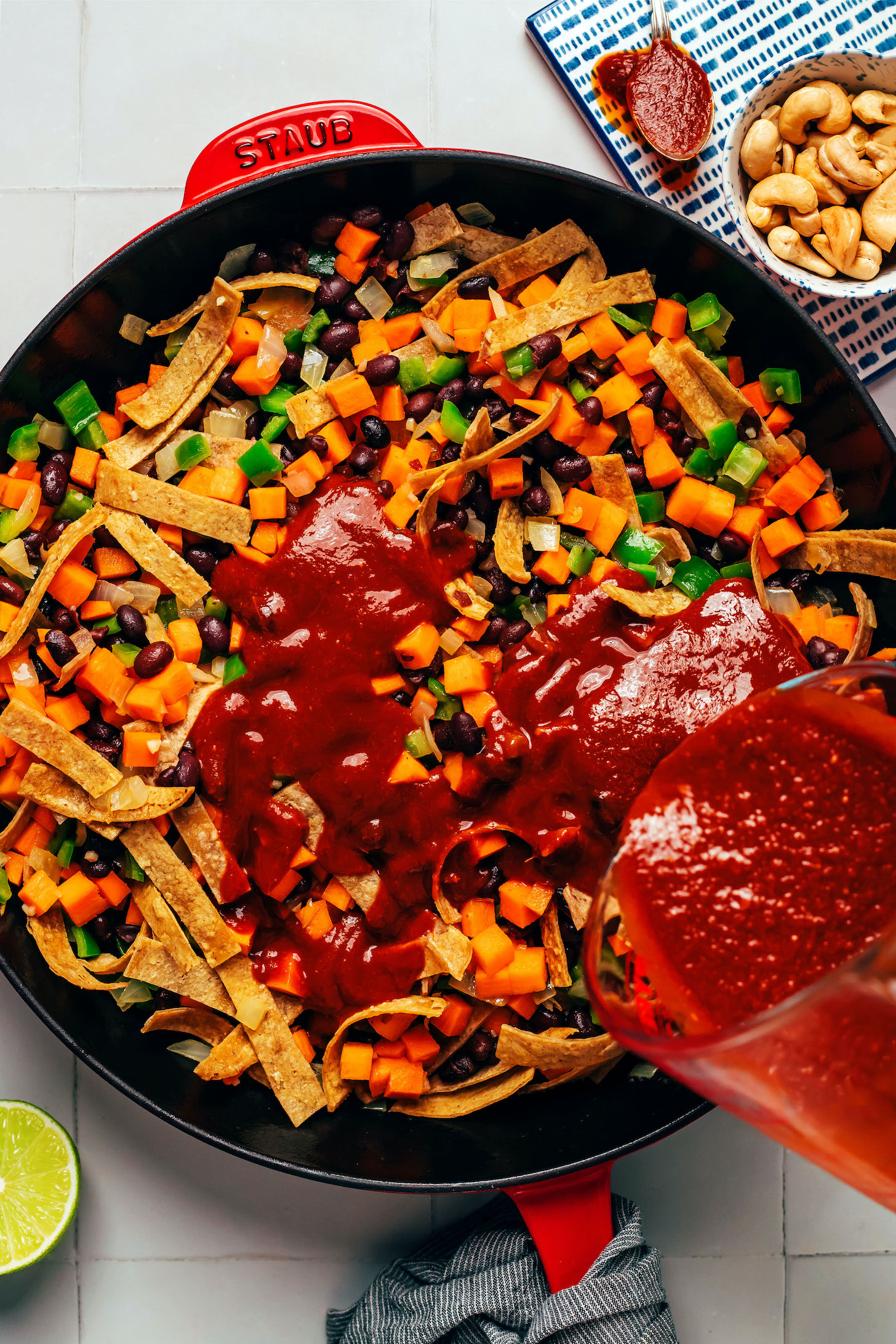
The protein component—black beans—provides a robust source of plant-based iron and fiber. Research into plant-forward dietary patterns, such as those promoted by the American Heart Association, emphasizes the cardiovascular benefits of incorporating legumes into a weekly diet. The integration of these components into a single vessel allows for the uniform distribution of the red enchilada sauce, ensuring that the corn tortillas, when sliced into strips, absorb the liquid during the simmering process, thereby replicating the texture of baked enchiladas without the need for an oven.
Innovation in Plant-Based Dairy Substitutes
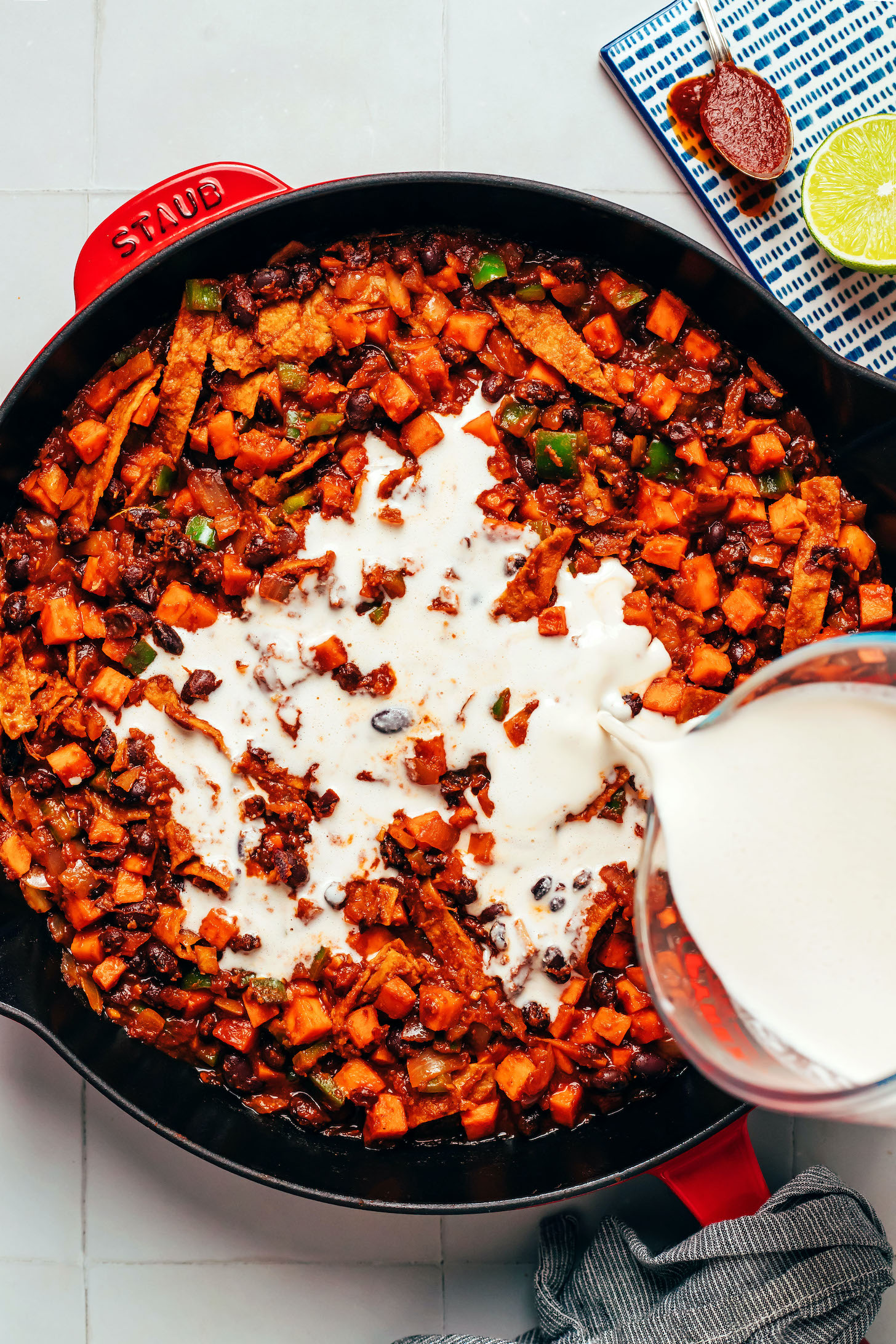
Perhaps the most significant technical aspect of this recipe is the creation of a "cheese" sauce derived from raw cashews. The culinary challenge of vegan cooking has historically been the replication of the melting properties of bovine cheese. The use of tapioca starch as a thickening agent, combined with the fats present in cashews, facilitates a viscous, stretchable consistency when exposed to heat.
Data from market research firm Mintel indicates that the plant-based cheese market is projected to grow significantly as consumers seek alternatives that do not sacrifice mouthfeel. The use of cashews, lime juice, and garlic provides an acidity and umami profile that mimics sharp dairy cheeses like pepper jack. This specific technique—blending nuts with starch—is an example of how home-cooking trends are adopting food-science principles to solve traditional dietary restrictions.
Nutritional Analysis and Public Health Implications
From a nutritional standpoint, the dish serves as a dense source of micronutrients. A standard serving contains approximately 416 calories, 14.3 grams of fiber, and 13.6 grams of protein. The high fiber content is largely attributed to the combination of black beans and sweet potatoes, which aids in digestive health and blood sugar regulation.
When compared to traditional meat-based enchiladas, which are often high in saturated fats and cholesterol, this plant-based version reports zero milligrams of cholesterol. For public health officials advocating for the reduction of red meat consumption to mitigate the risk of chronic lifestyle diseases, such recipes serve as a practical tool for dietary transition. The nutritional density—high in potassium (1,034 mg per serving) and iron—positions the dish as a viable, nutritionally sound alternative to standard processed quick-meal options.
Broader Culinary Trends and Market Impact
The rise of "skillet" cooking corresponds with broader lifestyle shifts observed by sociologists and food industry analysts. As urban density increases and kitchen sizes in major metropolitan areas shrink, consumers are increasingly prioritizing "one-pot" or "one-pan" cooking methods. This phenomenon is supported by the rapid growth of digital platforms that curate and distribute condensed, high-efficiency recipes.
Furthermore, the "Cheesy Vegan Enchilada Skillet" exemplifies the concept of "fusion-convenience." While it draws on the heritage of Mexican cuisine, it adapts the format to the constraints of the modern working professional. The ability to use either homemade or store-bought red enchilada sauce allows for a tiered approach to cooking—allowing for artisanal quality if time permits, or convenience when schedules are constrained.
Future Projections for Plant-Based Home Cooking
As the accessibility of plant-based ingredients continues to expand—with cashews and high-quality enchilada sauces now standard in most national grocery chains—the barrier to entry for these types of meals is lower than ever. The adaptability of the recipe, which allows for the substitution of various vegetables such as kale, spinach, or kabocha squash, demonstrates the flexibility of the plant-forward movement.
Industry observers suggest that the next phase of this trend will likely involve a further integration of prepared, high-protein plant "meats" to increase the satiety of such meals. Currently, the recipe notes suggest pairing the skillet with items like shredded tofu or plant-based chicken substitutes, indicating a market awareness that while plant-based diets are growing, protein density remains a primary concern for the average consumer.
Conclusion
The evolution of the enchilada from a traditional, labor-intensive dish to a 30-minute, plant-based, one-pan meal is a testament to the intersection of cultural heritage and modern food technology. By leveraging simple ingredients and innovative techniques like starch-thickened cashew emulsions, the recipe provides a balanced, accessible, and nutritionally dense option for contemporary households. Whether viewed as a health-conscious lifestyle choice or a pragmatic solution to time constraints, the Cheesy Vegan Enchilada Skillet highlights the ongoing transformation of the modern kitchen. As consumers continue to demand meals that are both culturally inspired and ethically aligned with plant-forward values, the reliance on such streamlined, nutrient-rich, and efficient cooking methods is expected to remain a permanent fixture in the culinary landscape.