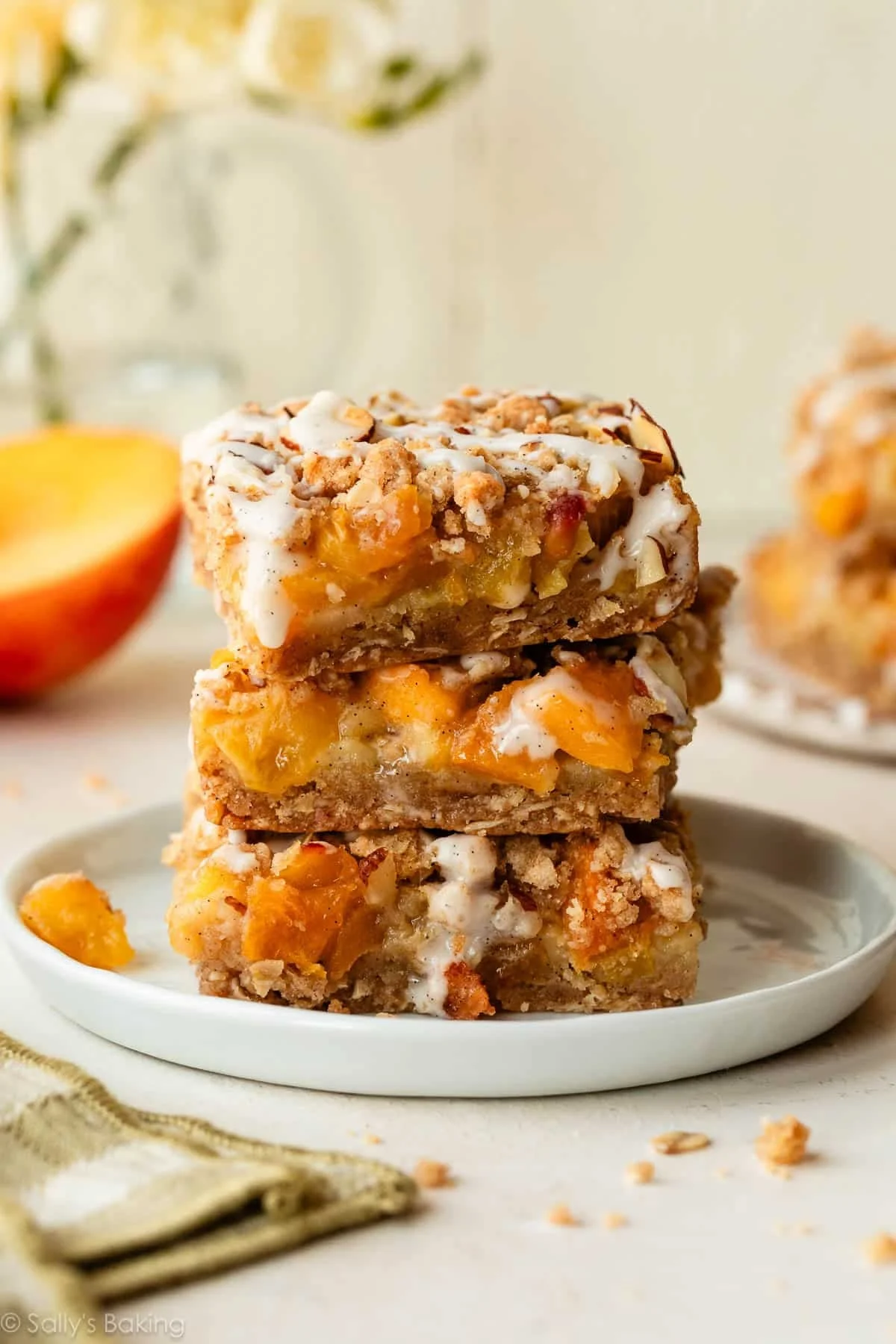

The culinary landscape continually seeks innovations that blend classic comfort with contemporary ease. In this pursuit, the Peach Pie Crumb Bar has emerged as a particularly notable example, offering the beloved flavors of a traditional peach crumble pie in a format significantly streamlined for preparation and serving. This reimagined dessert, initially published in 2013 and recently updated and re-evaluated, exemplifies the ongoing evolution of home baking, prioritizing both authentic taste and practical application for today’s busy lifestyles. Its re-release, complete with new photographic documentation and enhanced preparation tips, underscores a commitment to refining culinary experiences for a broad audience of home bakers.
The Evolution of a Culinary Classic: A Timeline
The journey of the Peach Pie Crumb Bars reflects a broader trend in digital gastronomy: the continuous improvement and optimization of popular recipes. The initial publication in 2013 marked its debut as a promising alternative to the more labor-intensive traditional peach pie. At that time, food blogs were rapidly gaining traction as primary sources for home cooking inspiration, and recipes that offered simplified methods for classic dishes often found significant appeal.
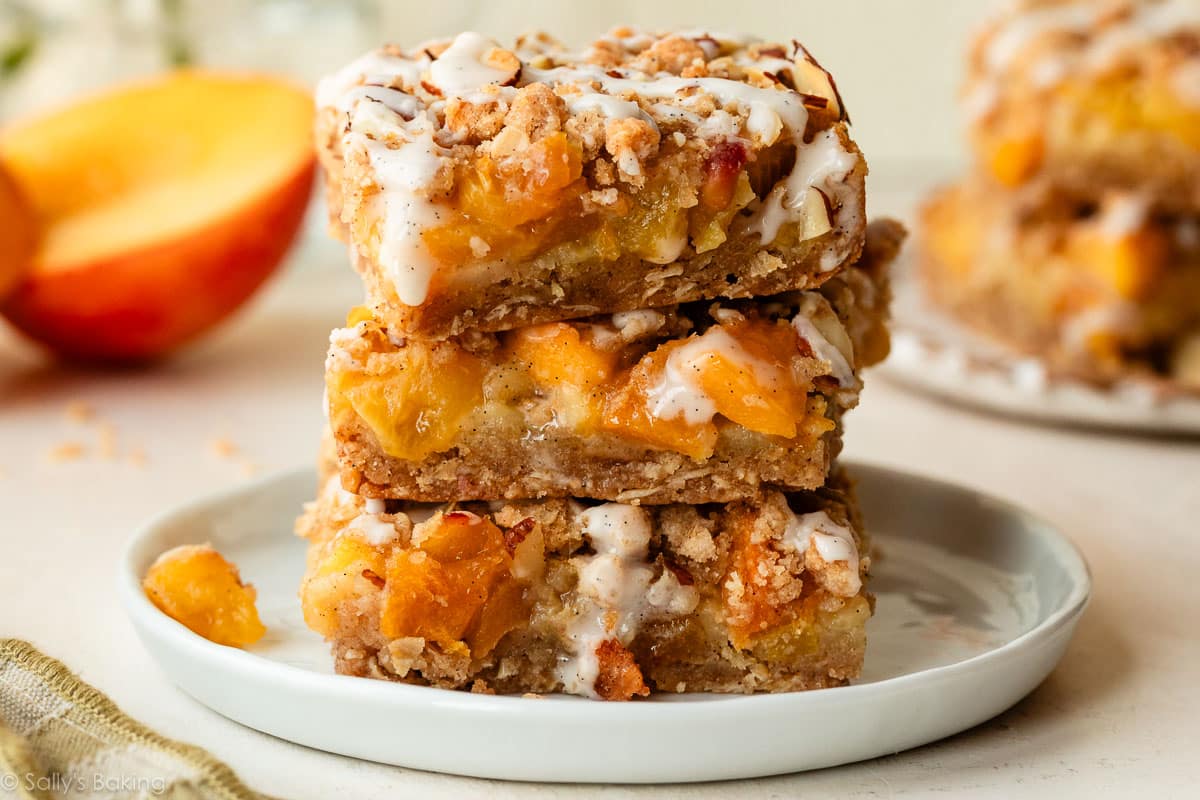
Over the past decade, culinary standards and consumer expectations have evolved. Digital platforms demand not only delicious outcomes but also clarity in instruction, visual appeal, and robust performance under various conditions. Recognizing this, the creators undertook a comprehensive re-evaluation of the Peach Pie Crumb Bars recipe. This process involved meticulous re-testing, leading to subtle yet impactful tweaks designed to enhance overall quality and ensure consistent success for bakers. These refinements speak to the dynamic nature of recipe development in the digital age, where feedback loops and continuous improvement are integral to maintaining relevance and authority within the vast online culinary sphere. The updated version aims to solidify its status as a go-to summer dessert, offering peak flavor and optimal structural integrity.
Deconstructing Perfection: The Layers of the Peach Pie Crumb Bar
The appeal of the Peach Pie Crumb Bar lies in its meticulously engineered layers, each contributing to a harmonious sensory experience. This multi-layered approach delivers complexity of flavor and texture while maintaining a surprisingly straightforward preparation process.
The Foundation: Buttery Oat Crust
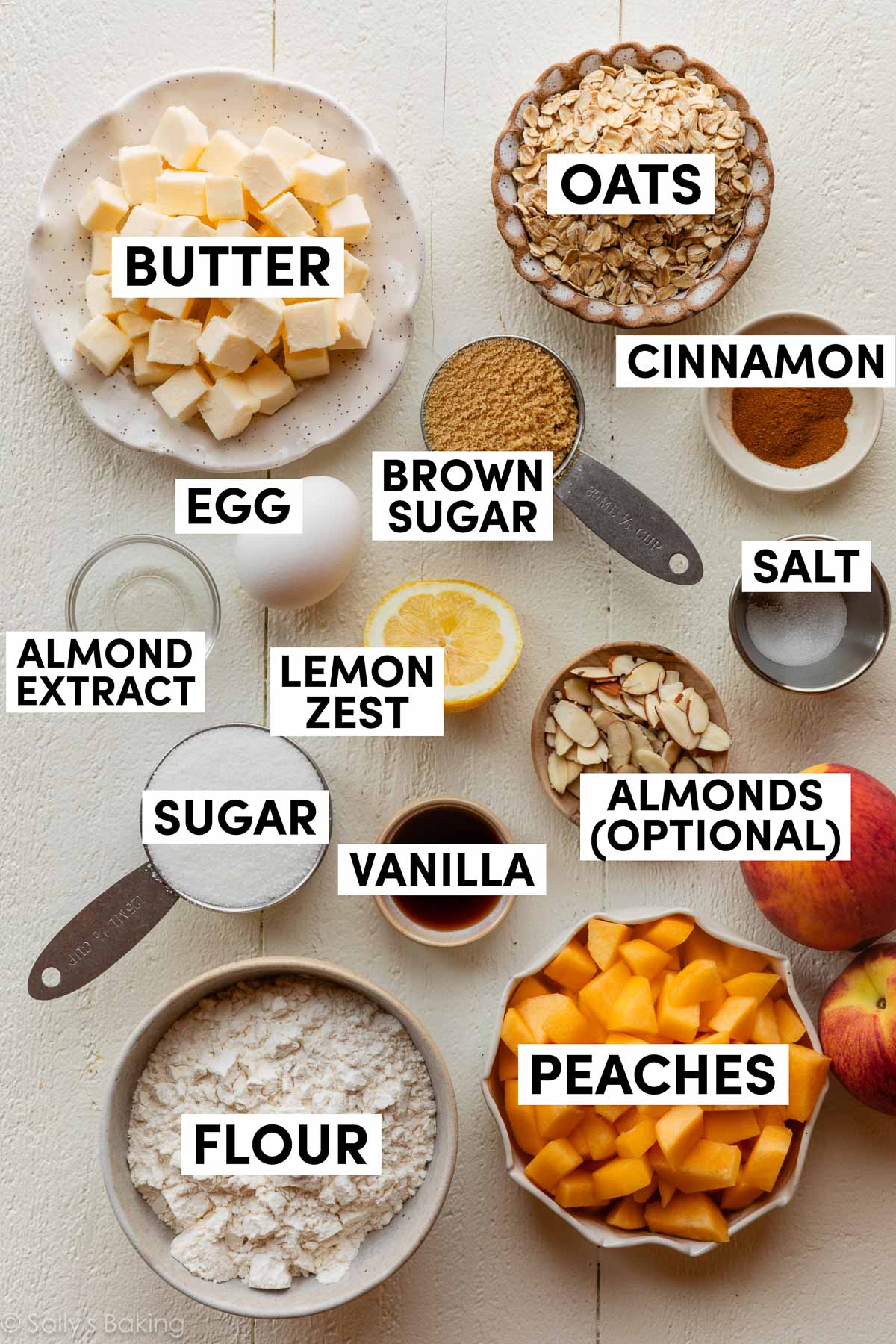
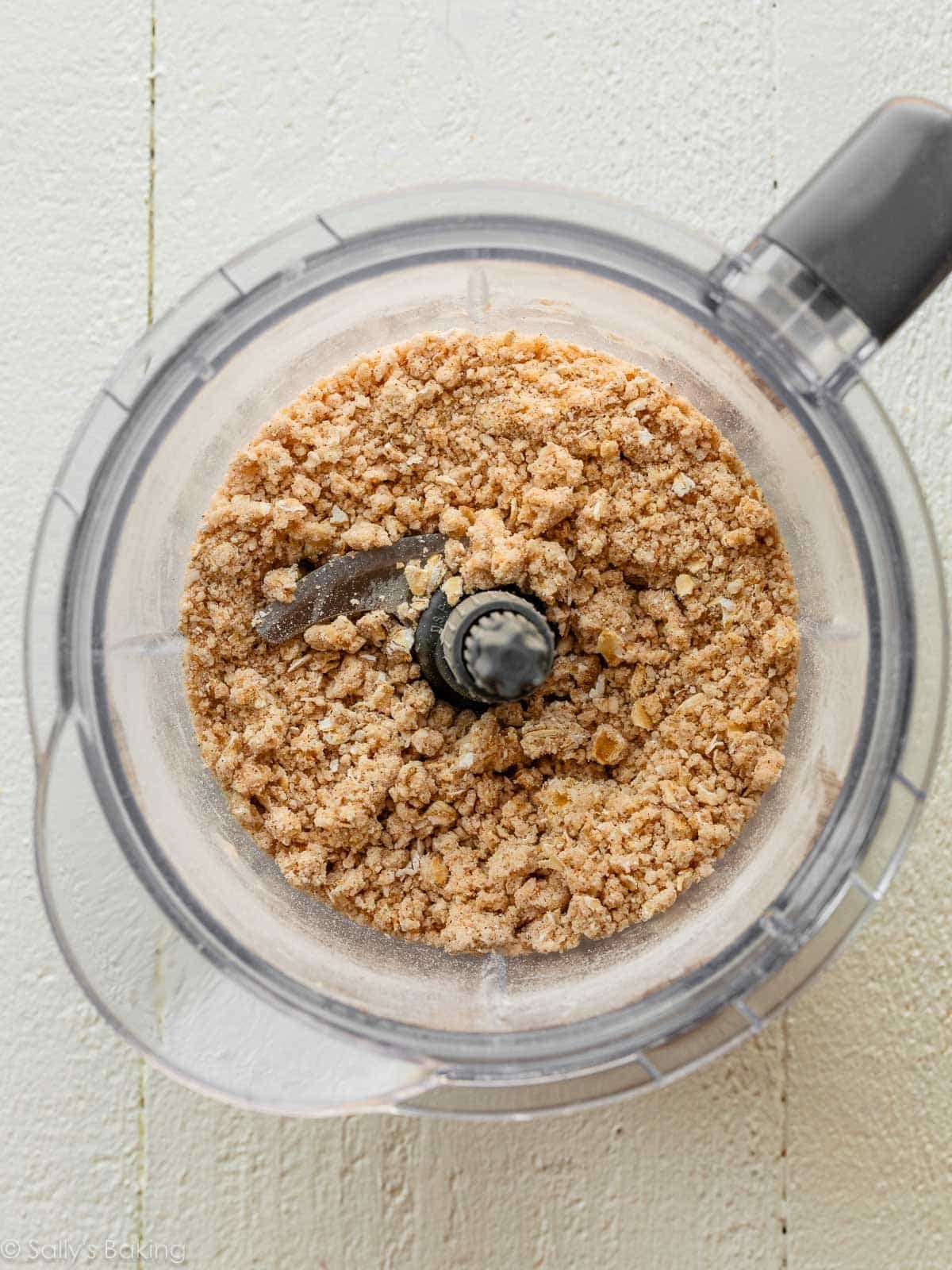
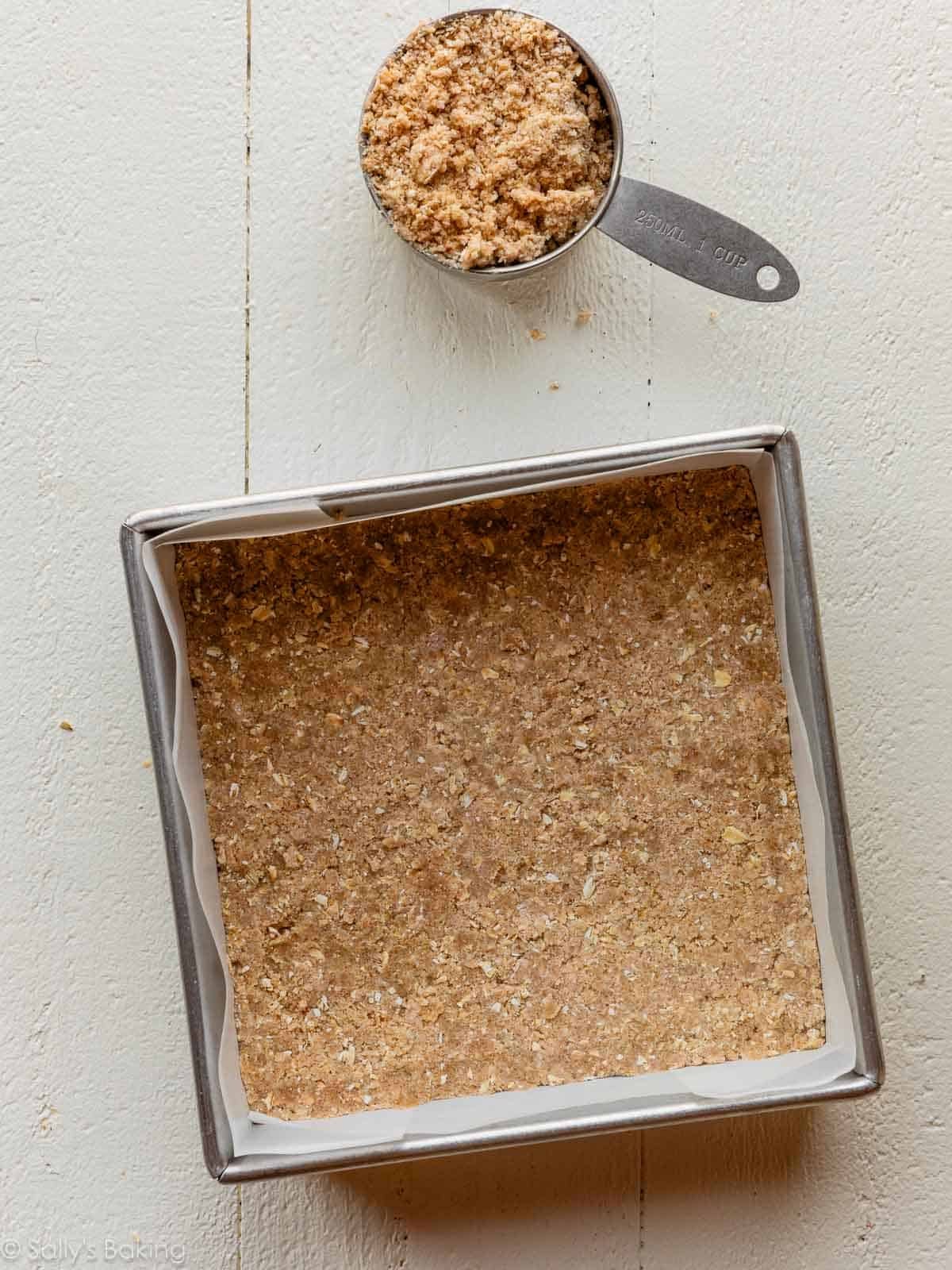
The base of these bars is a robust yet tender crust, distinguished by its buttery richness and the subtle texture of oats. Composed of essential baking staples—flour, oats, brown sugar, cinnamon, and cold butter—this foundation serves a dual purpose. A significant portion of this mixture forms the pressed crust, providing a sturdy platform for the juicy peach filling. The inclusion of oats not only imparts a rustic texture and nutty flavor but also contributes to the crust’s structural integrity, a critical factor when supporting a moist fruit layer. The use of cold butter is paramount; when cut into the dry ingredients, it creates pockets that, upon baking, release steam, resulting in a flaky and tender crumb. This technique, fundamental to many pastry applications, prevents the crust from becoming tough. The remaining portion of this versatile mixture is reserved for the crumble topping, a clever economy of ingredients that simplifies the overall preparation and cleanup. This efficiency resonates with modern bakers seeking gourmet results without extensive culinary fuss.
The Heart: Fresh Peach Pie Filling
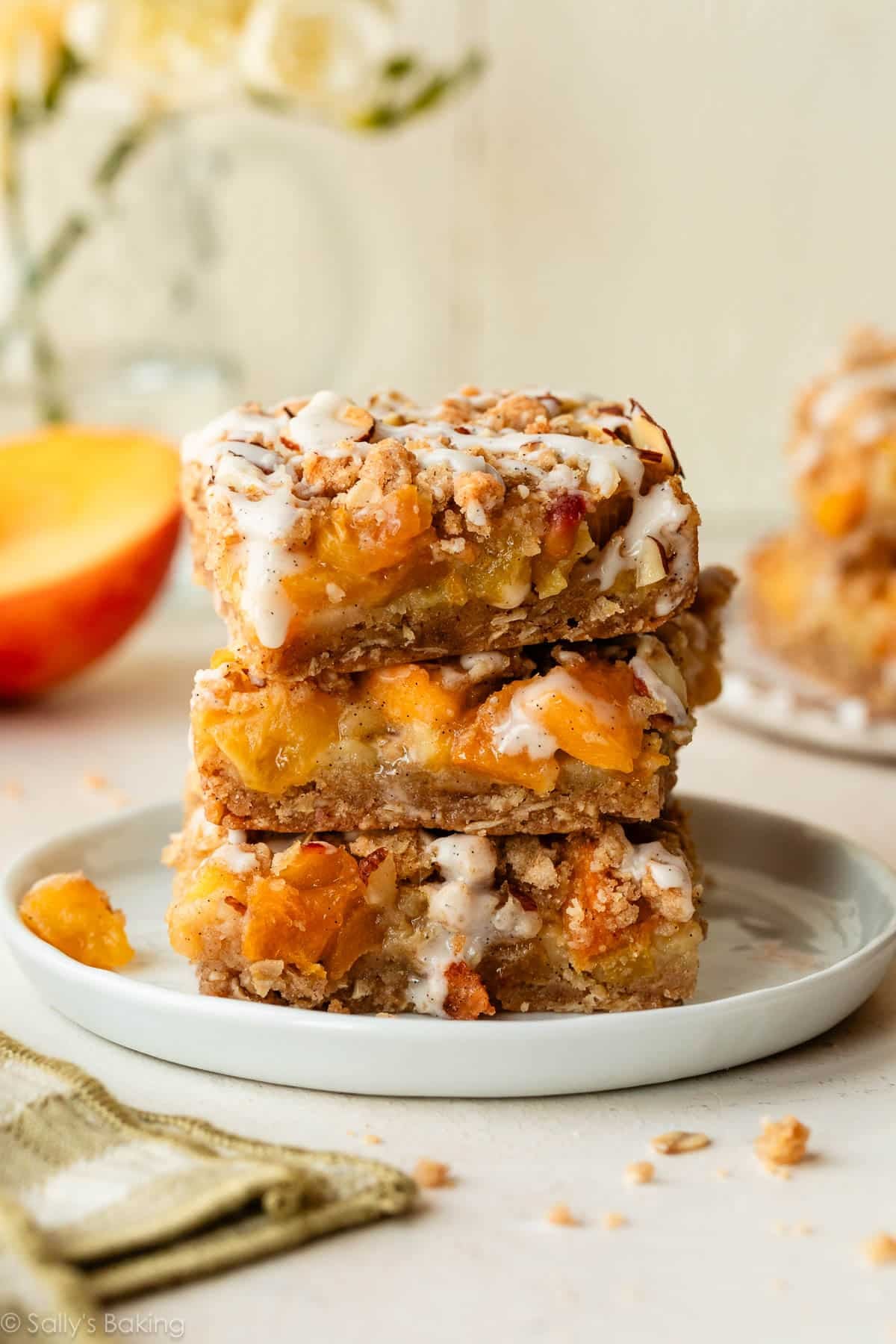
At the core of these bars is a vibrant, fresh peach filling, leveraging the peak flavors of seasonal produce. Ripe summer peaches are the unequivocal star, providing natural sweetness, a delicate tartness, and an irresistible aroma. The preparation of this filling is refreshingly simple, requiring no pre-cooking. This direct approach preserves the peaches’ fresh texture and bright flavor, which might otherwise be diminished by excessive heat. The peaches, once chopped, are combined with a minimal array of ingredients designed to enhance their natural qualities and achieve the desired consistency. As the bars bake, the natural sugars and juices from the peaches caramelize and meld with the underlying crust, creating an incredibly tender and succulent texture that is a hallmark of high-quality fruit desserts. The choice of fresh, seasonal peaches is not merely a preference but a culinary imperative, as the quality of the fruit directly impacts the final flavor profile. According to the USDA, the United States is a significant producer of peaches, with California, South Carolina, and Georgia leading production, ensuring a robust supply of high-quality fruit during the summer months, typically from June to September. This seasonal abundance makes peach-centric desserts particularly popular and economically viable during this period.
The Crown: Golden Crumble Topping & Optional Enhancements
Crowning the juicy peach layer is the reserved crumble mixture, which transforms into a golden, buttery, and lightly crisp streusel during baking. This topping provides a crucial textural contrast to the soft, yielding peach filling and the tender crust. The crumble bakes to a delightful crispness, offering a satisfying crunch with every bite. For those seeking an additional layer of flavor and texture, the recipe suggests incorporating sliced almonds. These almonds toast lightly during baking, releasing their aromatic oils and adding a delicate crunch. Alternatively, chopped pecans or walnuts can be utilized, each offering a distinct nutty profile that complements the sweet peaches and cinnamon. This optional inclusion allows for customization, catering to individual preferences and elevating the dessert’s gourmet appeal. The visual aspect of a golden-brown, textured topping also contributes significantly to the overall presentation, making the bars as appealing to the eye as they are to the palate.
The Finishing Touch: Vanilla Icing
To elevate these already exquisite bars to bakery-display standards, a simple vanilla icing is recommended. This optional but highly impactful addition consists of only three ingredients, making its preparation remarkably quick. The smooth, sweet vanilla icing provides a creamy counterpoint to the textures below and adds a final touch of sweetness that balances the fruit’s tartness and the spice of the crumble. Aesthetically, the drizzle of white icing against the golden-brown topping and peachy interior creates an inviting visual, signaling a truly finished and indulgent treat. The versatility of this icing is also noteworthy, as it can be applied to other seasonal baked goods, such as peach streusel muffins, further enhancing its utility in the home baker’s repertoire.
The Allure of Convenience: Why Bars Trump Pies for Modern Gatherings
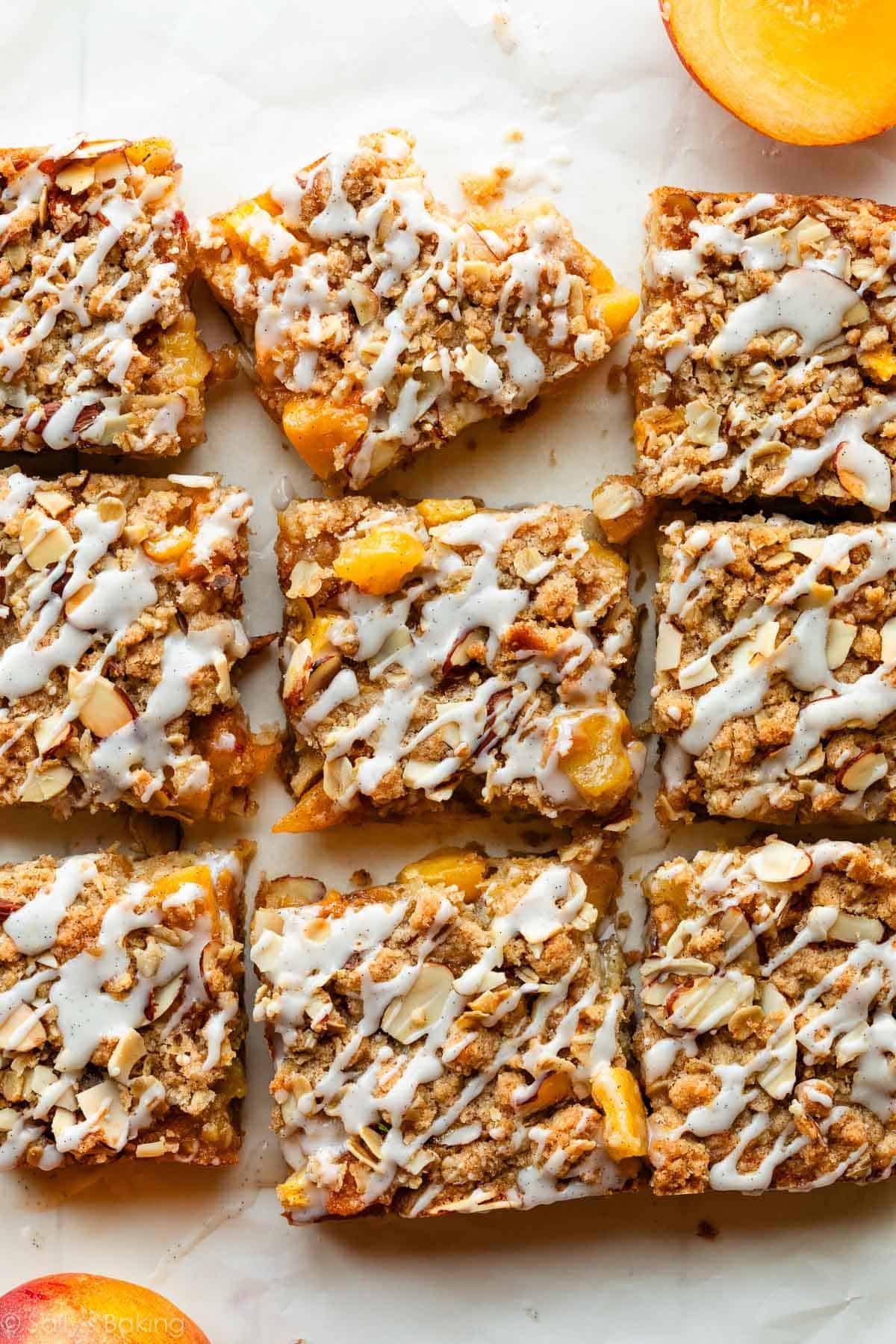
The increasing popularity of dessert bars, particularly fruit-based variations, can be attributed to a confluence of factors rooted in modern lifestyle trends. While traditional pies hold a cherished place in culinary heritage, their preparation can be time-consuming, involving intricate dough handling, rolling, crimping, and often, delicate transfer. Furthermore, serving a pie can be cumbersome, requiring plates, forks, and often leading to less-than-perfect slices, particularly in casual outdoor settings.
Peach Pie Crumb Bars effectively address these practical challenges. The "no pie dough rolling, crimping, or fussing" aspect is a significant draw for time-constrained home bakers. The simple act of pressing a crust into a pan, layering the filling, and sprinkling the topping drastically reduces preparation time and complexity. This ease of execution democratizes the art of fruit baking, making sophisticated flavors accessible to even novice bakers.
Moreover, the bar format offers unparalleled portability and serving efficiency. Desserts that travel well are highly prized for contemporary social gatherings such as cookouts, picnics, potlucks, and outdoor events. Unlike a pie, which requires careful transport and serving utensils, bars are inherently self-contained, sturdy, and can be easily portioned and consumed by hand. This makes them an ideal choice for communal dining, minimizing cleanup and maximizing guest convenience. The success of similar recipes, such as blueberry pie bars and cherry pie bars, highlights a clear market demand for these versatile, easy-to-serve dessert formats. These recipes cater to a growing segment of consumers who desire homemade quality and seasonal flavors without the commitment of elaborate traditional baking. The trend reflects a broader cultural shift towards relaxed, informal entertaining, where delicious, shareable food is key.
The Importance of Seasonal Ingredients: Peaches in Focus
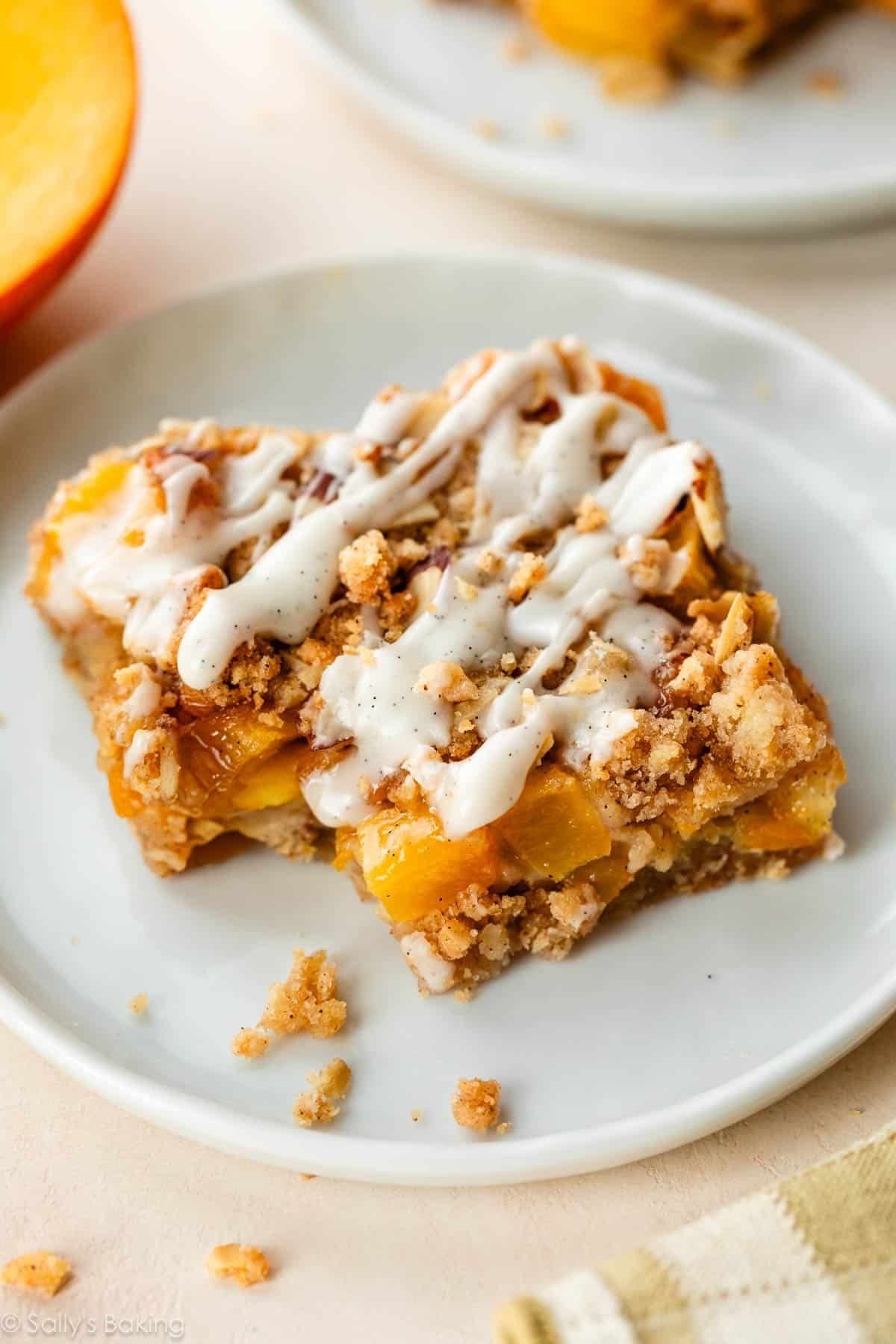
The emphasis on fresh, seasonal peaches in this recipe is not merely a suggestion but a cornerstone of its culinary integrity. Seasonal eating has become a significant movement in recent years, driven by a desire for superior flavor, nutritional benefits, and sustainable practices. Peaches, a stone fruit celebrated for their succulent flesh, fragrant aroma, and vibrant color, exemplify the rewards of embracing seasonal produce.
Globally, peaches are cultivated in temperate regions, with major producers including China, Italy, Spain, and the United States. Within the U.S., states like California, Georgia, South Carolina, and New Jersey are renowned for their peach crops, each offering varieties with distinct flavor profiles and textures. The peak season for peaches typically runs from late spring through early autumn, providing a window of opportunity for bakers to utilize the fruit at its prime.
Economically, the peach industry contributes significantly to agricultural sectors in these regions, supporting local farmers and related businesses. For consumers, purchasing seasonal peaches often means accessing the fruit at its freshest, most flavorful, and often most affordable. Beyond their delicious taste, peaches are also a good source of vitamins C and A, as well as dietary fiber and antioxidants, adding a nutritional dimension to their appeal.
Utilizing fresh peaches in a recipe like these crumb bars ensures a depth of flavor and natural sweetness that simply cannot be replicated by canned or artificially flavored alternatives. The interaction of fresh peach juices with the cinnamon and brown sugar in the filling creates a complex, aromatic profile that is quintessential to summer baking. This commitment to fresh, high-quality ingredients elevates the Peach Pie Crumb Bar from a simple dessert to a celebration of summer’s bounty.
Technical Baking Insights: Achieving Optimal Texture and Presentation
Success in baking often hinges on understanding and executing specific techniques that ensure desired outcomes. The Peach Pie Crumb Bars recipe incorporates several key steps that are critical for achieving their signature texture and structure.
Success Tip: Pre-Bake the Crust
The instruction to pre-bake the crust is a non-negotiable step for this recipe. This technique, also known as blind baking, serves a vital purpose: preventing a "soggy bottom." When a moist filling, such as the peach mixture, is placed directly onto an unbaked crust, the moisture can penetrate the dough, leading to a soft, underbaked, and unappealing base. Pre-baking the crust creates a partial barrier, setting the structure and providing a degree of moisture resistance. It ensures that the finished bars possess a firm, buttery foundation capable of supporting the juicy peaches without collapsing, thereby maintaining the structural integrity necessary for clean slicing and pleasant consumption. The specific temperature and duration for this pre-bake are calibrated to achieve this partial cooking without fully browning the crust, preparing it for the subsequent baking with the filling.
Fresh Peach Filling: Timing is Key
The directive to "make the peach filling immediately before using" is another crucial piece of advice. Peaches, especially when chopped and combined with sugar, will naturally begin to release their juices through osmosis. If the filling is allowed to sit for an extended period, the peaches will "weep," resulting in an overly liquid mixture. This excess moisture can compromise the texture of the finished bars, making them excessively wet and potentially causing the crumble topping to sink or become soggy. By preparing the filling just before spreading it over the warm, pre-baked crust, bakers can control the moisture content, ensuring the peaches retain their plumpness and the filling sets correctly during the final bake.
Temperature Adjustment for Optimal Baking
The recipe specifies an increase in oven temperature from 350°F (177°C) for the crust pre-bake to 375°F (191°C) for the main bake. This adjustment is deliberate. The lower initial temperature allows the crust to set gently without burning, while the higher temperature for the full bake is ideal for cooking the fruit filling through, achieving a golden-brown crumble topping, and ensuring the peaches soften to the perfect consistency without becoming mushy. The precise temperature management is a testament to the recipe’s careful development, aiming for balanced cooking across all layers.
The Best Texture Comes After Chilling
Perhaps one of the most challenging aspects for eager bakers is the instruction to chill the bars completely before slicing. While the aroma of freshly baked peach bars is undeniably tempting, this step is absolutely essential for optimal results. The juicy peach filling, while delicious when warm, requires time to cool and solidify. During the chilling period, the starches and natural pectins in the fruit, along with any thickeners used in the filling, "set up," transforming the liquid filling into a more stable, cohesive layer. Attempting to slice the bars while warm will almost certainly result in a messy, crumbling outcome, as the filling will still be fluid and the crust less firm. Refrigerating for approximately two hours allows the internal structure to firm sufficiently, enabling clean, precise cuts into neat squares. This patience is rewarded with beautifully presented, structurally sound bars that are a pleasure to eat. The use of parchment paper lining further aids in this process, allowing the entire slab of cooled bars to be easily lifted from the pan for effortless slicing.
Addressing Common Queries:
The recipe anticipates several common questions from home bakers, offering clear guidance:
- Frozen Peaches: While fresh is preferred, frozen peaches are an acceptable substitute, provided they are thawed completely and blotted to remove excess moisture. This pre-treatment prevents the introduction of additional water, which could dilute the filling and affect texture. Canned peaches are generally discouraged due to their altered texture and often higher sugar content.
- Pan Size: The recommendation for an 8-inch square baking pan is specific to achieving the ideal thickness for the bars. A 9-inch square pan would yield thinner bars, potentially altering the crust-to-filling ratio and overall mouthfeel. A 9-inch round cake pan is offered as a viable alternative, maintaining similar dimensions, with the only modification being the final presentation as wedges rather than squares.
- Doubling the Recipe: The flexibility to double the recipe for a 9×13-inch pan is a practical consideration for larger gatherings. While the crust pre-bake parameters remain consistent, the increased volume necessitates an adjustment to the total baking time, a detail crucial for avoiding undercooked or overcooked results in a larger batch.
Broader Culinary Trends and Market Impact
The Peach Pie Crumb Bar, in its refined iteration, positions itself squarely within several prominent culinary trends. It embodies the movement towards "elevated comfort food," taking a beloved classic and presenting it in a more accessible and sophisticated form. This trend caters to consumers who appreciate traditional flavors but also seek modern conveniences and aesthetically pleasing presentations.
The influence of food blogs, such as the one from which this recipe originates, in shaping contemporary home baking practices cannot be overstated. These platforms serve as crucial conduits for culinary knowledge, democratizing complex recipes and fostering a community of engaged bakers. By offering meticulously tested, well-documented, and visually appealing recipes, they empower individuals to recreate professional-quality desserts in their own kitchens. The continuous refinement of popular recipes, as seen with these peach bars, reflects a commitment to user satisfaction and an adaptive approach to evolving culinary standards.
Furthermore, the emphasis on seasonal ingredients and easy-to-serve formats has broader implications for the food market. It encourages consumers to seek out fresh, local produce, thereby supporting regional agriculture. The demand for convenient baking solutions also influences the development of new kitchen tools and specialized baking ingredients that facilitate simpler preparation. This dynamic interplay between recipe innovation, consumer demand, and market response underscores the significant impact that a seemingly simple dessert can have on the wider culinary ecosystem.
In conclusion, the Peach Pie Crumb Bars represent more than just a recipe; they are a testament to the enduring appeal of classic flavors, the ingenuity of modern baking, and the continuous evolution of culinary practices. With their perfect blend of juicy cinnamon-spiced peaches, buttery oat crust, and crisp crumble topping, finished with a delicate vanilla icing, these bars stand as a quintessential summer dessert. They perfectly bridge the gap between traditional indulgence and contemporary practicality, ensuring their place alongside time-honored favorites like peach cobbler, peach crisp, and classic peach pie. As a handheld delight, they are ideally suited for summer gatherings, offering a delicious and effortless way to celebrate the abundance of peach season.