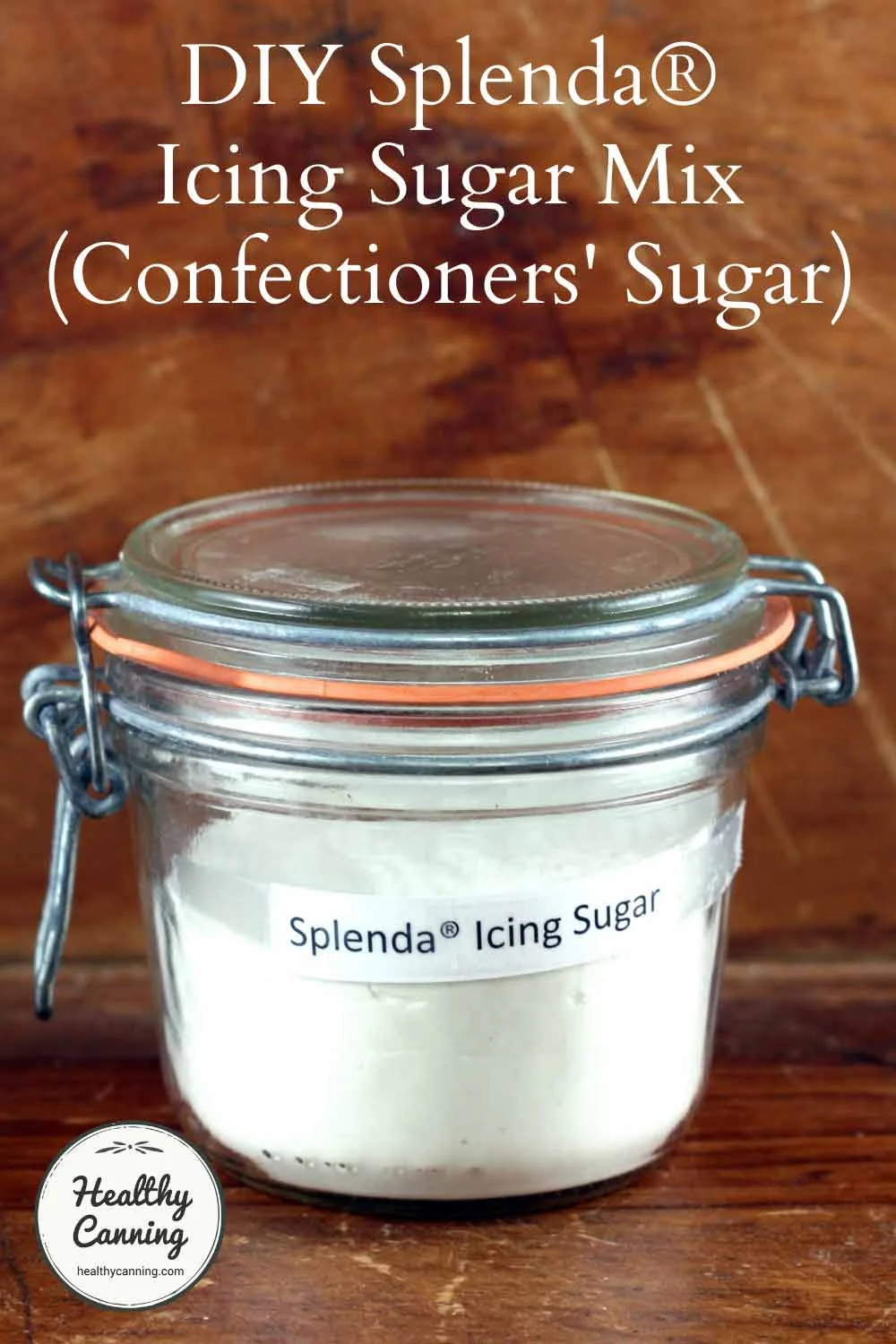

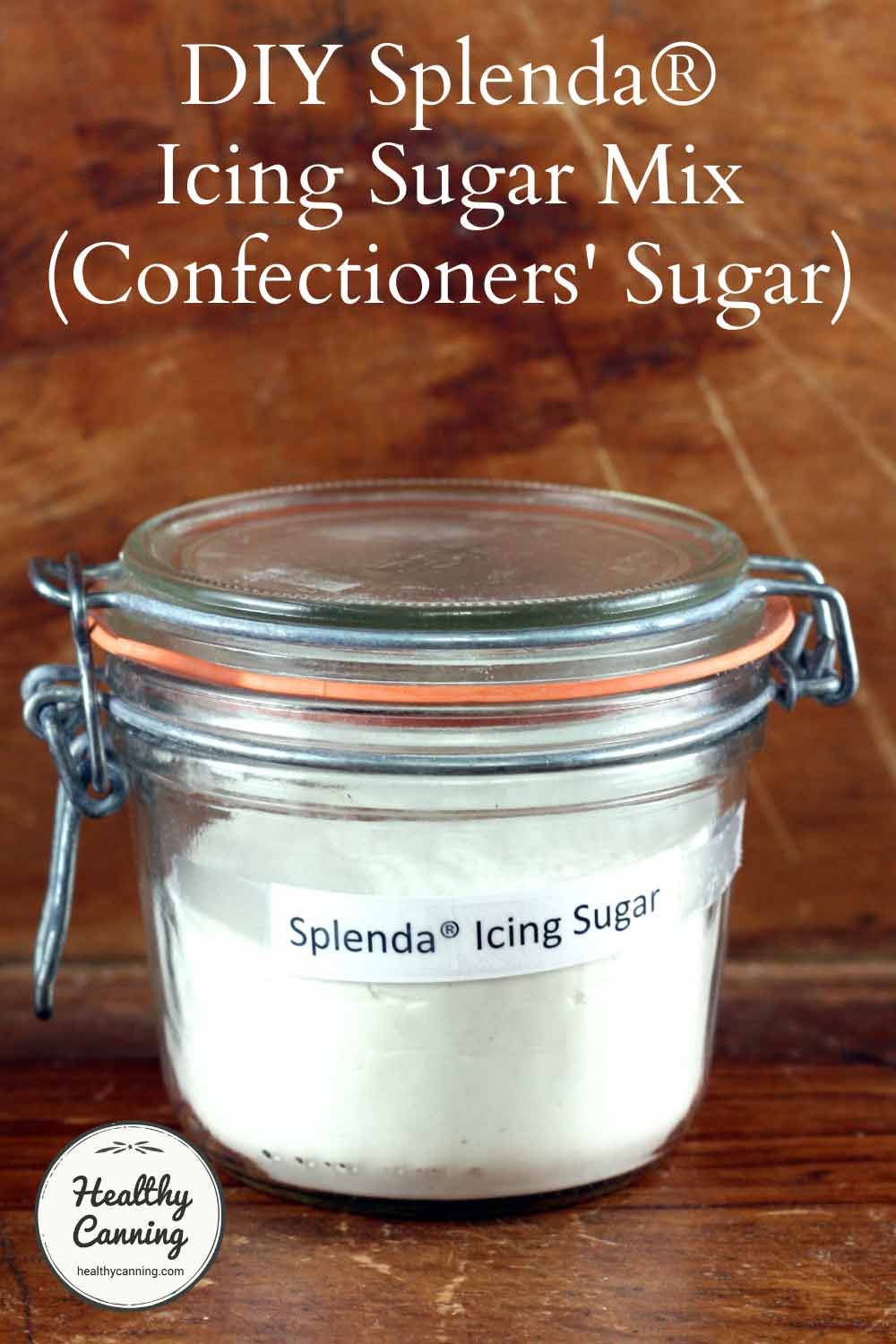
The culinary landscape of home baking is undergoing a significant transformation as consumers increasingly seek ways to reconcile their desire for traditional desserts with the modern necessity for health-conscious ingredients. Among the most innovative developments in this sector is the rise of DIY Splenda Icing Sugar, a homemade alternative to traditional confectioner’s sugar that utilizes sucralose-based sweeteners to provide the texture and sweetness required for cake decoration without the high caloric and glycemic impact of refined sucrose. This DIY approach not only serves the growing population of individuals managing diabetes but also appeals to the broader demographic of health-conscious consumers looking to reduce their sugar intake without sacrificing the aesthetic and sensory pleasures of iced baked goods.
The process of creating this specialized mix involves transforming granular sucralose—commonly known by the brand name Splenda—into a fine, powdery consistency through high-speed mechanical blending. This transition from granular to powdered state is essential for achieving the smooth mouthfeel required for glazes and icings. While traditional powdered sugar often includes a small percentage of cornstarch to prevent clumping, the DIY sucralose version relies on precise blending techniques and immediate application or proper storage to maintain its utility. This innovation represents a shift toward culinary autonomy, allowing home bakers to bypass the often-expensive and additive-heavy commercial sugar-free products found on supermarket shelves.
The Nutritional and Medical Impetus for Sugar Substitutes
The move toward DIY sugar-free alternatives is driven by staggering public health data. According to the Centers for Disease Control and Prevention (CDC), more than 37 million Americans have diabetes, and approximately 96 million adults have prediabetes. For these individuals, the consumption of traditional icing sugar, which is nearly 100% refined carbohydrate, can cause dangerous spikes in blood glucose levels. By utilizing a sucralose-based icing sugar mix, the glycemic load of a dessert is drastically reduced.
Furthermore, the obesity epidemic has spurred a demand for "calorie-slashing" techniques in the kitchen. Traditional icing sugar contains approximately 389 calories per 100 grams. In contrast, sucralose is non-caloric, though it is often bulked with maltodextrin or dextrose to match the volume of sugar. Even with these bulking agents, the caloric density is significantly lower. In a standard batch of icing made with this DIY mix and low-fat margarine, the calorie count can be as low as 35 calories per batch, compared to over 100 calories when using traditional fats and sugars. This 65% reduction in caloric intake for the icing component alone can make a substantial difference in the long-term dietary management of weight and metabolic health.

Technical Specifications and the Blending Process
Achieving the correct physical properties for icing sugar requires an understanding of particle size. Standard confectioner’s sugar is typically ground to a "10X" fineness, meaning it has been processed through a sieve ten times. In a domestic setting, this is replicated using a high-powered blender or a clean coffee grinder.
The DIY recipe source suggests a yield of approximately 2 cups (150 grams) of plain icing sugar from the granular base. However, the technical challenge lies in the heat generated by the blender blades. If the sucralose is processed for too long in a single large batch, the friction can cause the sweetener to soften or clump. To mitigate this, culinary experts recommend blending only 1 to 2 cups (25 to 50 grams) at a time. This small-batch approach ensures that the powder remains light and airy, mimicking the "fluffiness" of commercial icing sugar.
Once the powder is created, it serves as the foundation for various icings. Unlike traditional buttercream, which relies on the structural integrity of sugar to hold air, sucralose-based mixes are best suited for glazes. When combined with a fat source—such as margarine or butter—and a liquid like water or milk, the result is a smooth, pourable topping ideal for brownies, cupcakes, and pound cakes.
A Chronology of Sweetener Innovation
The ability to create DIY icing sugar from sucralose is the culmination of decades of food science. The timeline of this development highlights the progress of sugar alternatives:
- 1976: Sucralose is discovered by scientists at Queen Elizabeth College, University of London, during a collaborative research project with Tate & Lyle.
- 1991: Canada becomes the first country to approve the use of sucralose in food and beverages.
- 1998: The U.S. Food and Drug Administration (FDA) approves sucralose for use in 15 food and beverage categories.
- 1999: The FDA expands approval to all food categories, leading to the massive commercial success of the Splenda brand.
- 2010s: The "DIY" and "clean eating" movements begin to gain traction, leading home cooks to experiment with processing basic sweeteners into more complex forms, like powdered sugar and brown sugar substitutes.
- 2021: Specialized platforms like Healthy Canning document and refine these processes, providing standardized recipes for large-batch DIY mixes to help consumers combat rising grocery costs.
Economic Analysis: DIY vs. Commercial Products
The economic implications of DIY sugar-free baking are significant. As of 2023, specialty sugar-free powdered sweeteners sold in retail environments often carry a "health tax"—a premium price point that can be 300% to 500% higher than standard sugar. By purchasing granular sucralose in bulk or utilizing generic store-brand versions, consumers can produce their own icing sugar at a fraction of the cost.
For a household managing a diabetic diet, these savings are compounded over time. A 150g batch of DIY mix provides enough material for four separate baking sessions. When compared to the cost of purchasing four individual containers of pre-made sugar-free frosting, the DIY method emerges as a vital tool for food-insecure families or those on a fixed budget who still wish to maintain a high quality of life and enjoy traditional celebrations.
Expert Reactions and Practical Applications
Dietitians have largely responded positively to the dissemination of these DIY methods. Sarah Jenkins, a registered dietitian specializing in glycemic management, notes, "The psychological aspect of dieting is often overlooked. When patients feel they can no longer enjoy a birthday cake or a holiday treat, their adherence to a healthy lifestyle drops. Tools like the Splenda Icing Sugar Mix provide a bridge, allowing for social inclusion and sensory satisfaction without the metabolic cost."
From a culinary perspective, the versatility of the mix is its greatest strength. While the base recipe calls for vanilla and water, the mix can be easily modified. The addition of a single teaspoon of unsweetened cocoa powder transforms the base into a chocolate glaze, while extracts such as almond, lemon, or butterscotch can provide variety. This adaptability is crucial for home bakers who want to experiment with flavor profiles without needing to stock multiple varieties of expensive, pre-mixed sugar-free products.
Broader Impact on the Home Canning and Preservation Community
The emergence of these recipes on platforms like Healthy Canning suggests a broader trend in food preservation and preparation. The home canning community, which traditionally focused on high-sugar jams and jellies, is increasingly pivoting toward low-sugar and sugar-free alternatives. This reflects a generational shift in priorities, where the goal of food preservation is no longer just about longevity, but about the health profile of the preserved food.
The DIY Splenda Icing Sugar Mix is part of a larger ecosystem of "pantry staples" that can be made at home. It follows in the footsteps of DIY brownie mixes and sugar-free pectin developments, empowering the consumer to take control of the ingredient list. This reduces reliance on industrial food processing and its associated preservatives, dyes, and stabilizers.

Conclusion: The Future of Health-Conscious Confectionery
The DIY Splenda Icing Sugar Mix is more than just a recipe; it is a practical solution to a complex modern problem. By combining the mechanical simplicity of a blender with the chemical innovations of the 20th century, home cooks have unlocked a way to enjoy the art of the dessert in a way that respects the biological needs of the body.
As the global market for sugar substitutes continues to expand—projected to reach a value of over $20 billion by 2030—the demand for knowledge on how to use these substances effectively will only grow. The ability to transform a simple granular substitute into a sophisticated icing powder is a foundational skill for the modern, health-literate baker. Whether for managing a medical condition or simply pursuing a more balanced lifestyle, the DIY approach to confectionery represents a significant step forward in the democratization of healthy eating. Through transparency in nutrition, economic accessibility, and culinary flexibility, this method ensures that the "sweet life" remains accessible to everyone, regardless of their dietary restrictions.