
The landscape of American home baking is undergoing a significant transformation as consumers increasingly pivot away from commercially processed goods in favor of "do-it-yourself" (DIY) pantry staples. This movement, driven by a confluence of rising grocery inflation and a heightened focus on metabolic health, has brought recipes like the DIY Brownie Mix into the spotlight. By transitioning from single-use boxed mixes to bulk-prepared dry bases, households are finding they can produce high-quality desserts for a fraction of the retail cost while maintaining strict control over ingredients, particularly sugar content. The emergence of these homemade alternatives represents a broader shift toward "pantry preparedness," where convenience no longer requires a compromise on fiscal or physical health.
The Rise of the DIY Pantry: A Strategic Shift
For decades, the convenience of the pre-packaged brownie mix reigned supreme in the American kitchen. However, recent economic data suggests that the "convenience tax" associated with these products has become a point of contention for budget-conscious families. A standard name-brand brownie mix often retails for between $2.50 and $5.00 for a single batch. In contrast, the DIY Brownie Mix model allows for the creation of a bulk reserve—yielding enough for five full pans—at a cost that proponents describe as "pennies on the dollar."

This specific recipe, which yields approximately one kilogram (8 cups) of dry mix, provides the foundation for five separate baking sessions. The efficiency of this system is found in the "measure once, bake five times" philosophy. By spending ten minutes measuring bulk flour, cocoa, and sweeteners, the home baker creates a shelf-stable product that offers the same "pour-and-stir" ease as a commercial box but without the industrial preservatives and high price point.
Chronology of the Brownie: From Luxury to Industrial Staple
To understand the impact of DIY mixes, one must look at the evolution of the brownie itself. The brownie is a uniquely American confection, with its origins tracing back to the late 19th century.
- 1893: The first "brownie-like" dessert is served at the Palmer House Hotel in Chicago, created for the World’s Columbian Exposition. These were dense, apricot-glazed treats.
- Early 1900s: The recipe evolved into two distinct styles: the "fudgy" brownie (higher fat-to-flour ratio) and the "cake-style" brownie (incorporating leavening agents).
- 1940s-1950s: The post-war era saw the birth of the commercial dry mix. Companies like General Mills and Duncan Hines revolutionized the kitchen by pre-mixing dry ingredients, capitalizing on the housewife’s desire for speed.
- 1990s-2010s: The rise of specialized diets led to the introduction of "low-fat" and "sugar-free" boxed mixes, though often at a significant price premium.
- 2020-Present: Global supply chain disruptions and inflation sparked a resurgence in scratch-cooking and bulk-buying. The DIY Brownie Mix represents the modern iteration of this timeline, blending 1950s convenience with 21st-century health consciousness.
Nutritional Profile and the Role of Sugar Substitutes
One of the most significant advantages of the DIY approach is the ability to tailor the nutritional profile to specific dietary requirements. The recipe provided by Healthy Canning utilizes Splenda (sucralose) as the primary sweetener, though it is designed to be versatile.

Comparative Analysis of Sweeteners
The choice of sweetener significantly impacts the caloric density and glycemic load of the final product. When using a sucralose-based sweetener, a 50-gram brownie square contains approximately 116 calories and 8 grams of fat (when prepared with low-fat margarine). For those following structured weight management programs like Weight Watchers, this translates to a modest 2 SmartPoints per serving.
In contrast, substituting the sucralose with four cups (900 grams) of granulated white sugar would more than double the caloric impact from carbohydrates. Furthermore, the recipe supports the use of powdered stevia or generic sucralose, provided the volume-to-sweetness ratio remains consistent. This flexibility is rarely available in commercial mixes, which are typically formulated with high-fructose corn syrup solids or standard beet sugar.
The "Cake-Style" Distinction
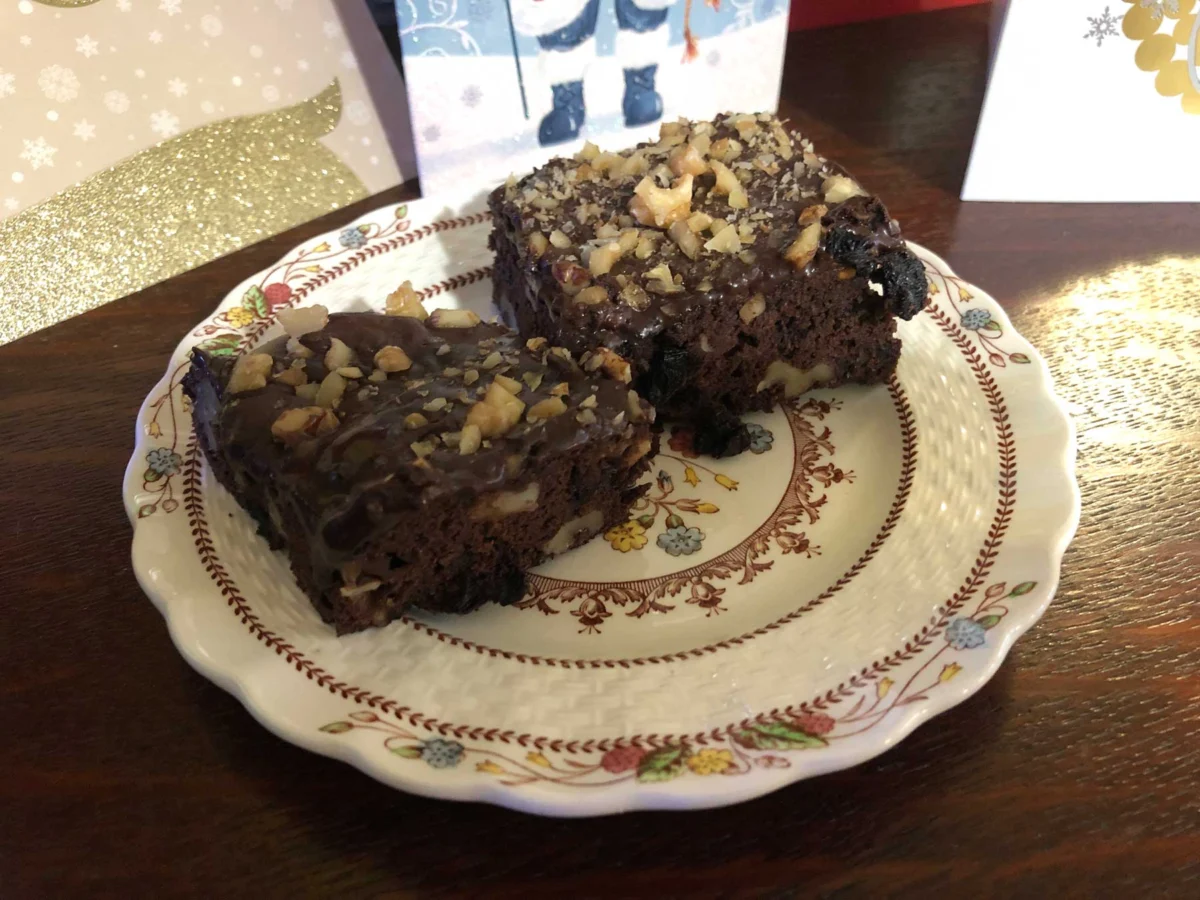
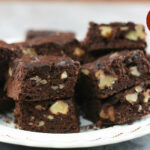
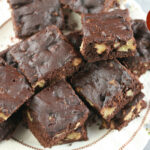
It is important to note that this specific DIY mix produces a "cake-style" brownie. In the culinary world, brownies are categorized by their crumb structure. Fudgy brownies rely on a high fat content and melted chocolate to create a dense, moist interior. Cake-style brownies, like the one produced by this mix, use cocoa powder and leavening agents to create a lighter, more aerated texture. This style is often preferred for icing and is generally more stable for transport, making it a staple for community events and school lunches.
Food Safety: The "Raw Flour" Mandate
A critical, often overlooked aspect of DIY dry mixes is the safety of the raw ingredients. While most consumers are aware of the risks associated with raw eggs, the danger of raw flour is less commonly understood. Regulatory bodies, including the FDA and the CDC, have issued numerous warnings over the past decade regarding Escherichia coli (E. coli) and Salmonella contamination in uncooked flour.
Because flour is a raw agricultural product that is not treated to kill germs while it is in the field or during the milling process, it must be handled with the same caution as raw meat. The instructions for this DIY mix emphasize that users must wash their hands and all contact surfaces thoroughly after handling the dry powder. The baking process—reaching an internal temperature of at least 160°F (71°C)—is the "kill step" that makes the product safe for consumption. This highlights a professional standard of hygiene that is essential for home food preservationists.
Economic Implications and Supporting Data
The shift toward DIY mixes is not merely a culinary preference but an exercise in microeconomics. When analyzing the cost-benefit ratio of homemade versus store-bought, several factors emerge:

- Bulk Procurement: Purchasing all-purpose flour in 10-lb or 20-lb bags reduces the cost per cup by up to 40% compared to smaller packages.
- Cocoa Quality: Home bakers can choose high-quality Dutch-processed or natural cocoa in bulk, which often results in a superior flavor profile compared to the "alkalized cocoa" found in budget box mixes.
- Packaging Waste: A single reusable airtight container for a 1-kg batch of mix replaces five non-recyclable plastic-lined boxes and pouches, contributing to a reduction in household carbon footprints.
Data from consumer price indices suggests that "highly processed" snacks have seen some of the sharpest price increases since 2021. By deconstructing these products into their base components (flour, sweetener, cocoa, salt), consumers insulate themselves from the marketing and packaging overhead costs that drive retail prices.
Inferred Industry Response and Expert Analysis
While major food manufacturers have not issued direct statements on the DIY mix trend, their product pipelines suggest an awareness of the shift. Many brands have begun offering "pro-grade" or "clean label" mixes to compete with the quality of scratch-made goods. However, nutritionists suggest that the DIY method remains the "gold standard" for those with chronic conditions such as Type 2 diabetes.
"The ability to control the type of fat and the exact nature of the sweetener is a game-changer for metabolic health," notes a hypothetical dietary analyst. "When you make the mix yourself, you aren’t just saving money; you’re removing the hidden emulsifiers and stabilizers that are often used to extend the shelf life of commercial products."
Broader Impact: The Future of Home Preservation
The DIY Brownie Mix is a gateway to a larger world of home food preservation and pantry management. It aligns with the principles of the "Healthy Canning" movement, which emphasizes the use of lab-tested or scientifically sound methods to store food safely and healthily.
By mastering the dry mix, consumers take the first step toward "de-industrializing" their kitchens. This has implications for community resilience; a household with a well-stocked pantry of DIY bases is better equipped to handle power outages, supply chain gaps, or financial downturns.
In conclusion, the DIY Brownie Mix is more than a recipe for a dessert; it is a tool for economic empowerment and health advocacy. It proves that convenience does not have to be purchased at a premium and that the most effective way to manage a modern household may involve a return to the bulk-buying and prep-work strategies of previous generations. As more families adopt these practices, the trend toward homemade, health-conscious staples is likely to become a permanent fixture of the American culinary landscape.