The preservation of seasonal fruit has long been a cornerstone of culinary tradition, blending agricultural economics with domestic self-sufficiency. In recent years, home-canning enthusiasts and culinary professionals alike have increasingly turned away from traditional high-sugar jam recipes in favor of flexible, low-sugar alternatives. A prime example of this movement is the adaptation of classic raspberry preserves using Pomona’s universal pectin—a unique, calcium-activated gelling agent that allows jams and jellies to set properly with minimal or even zero sugar. This method has garnered significant attention from home-preservation safety experts and nutritional advocates who seek to reduce daily caloric intake without sacrificing flavor, texture, or the long-term shelf stability of canned goods.
Background Context of Home Preservation and Pectin Innovation
Historically, making fruit preserves required a heavy reliance on granulated sugar, which served a dual purpose: acting as a natural preservative and providing the structural matrix necessary for traditional fruit pectin to gel. Standard commercial pectins require high concentrations of sugar—often a one-to-one ratio with fruit—to achieve the desired spreadable consistency. However, public health initiatives promoting reduced sugar consumption, combined with the rising popularity of alternative diets such as keto, low-glycemic, and diabetic-friendly eating, created a demand for preservation methods that decouple gelling from high sucrose levels.
Enter Pomona’s Pectin, a citrus-derived, low-methoxy pectin that relies on calcium ions rather than sugar to form a gel. This chemical distinction revolutionized low-sugar and sugar-free canning, enabling home cooks to use honey, agave, fruit juice concentrates, artificial sweeteners like granulated Splenda, or simply the natural sugars inherent in the fruit itself. Raspberries, naturally low in native pectin but exceptionally high in flavor and aromatic compounds, are an ideal candidate for this technique. The ability to safely process these delicate berries into a shelf-stable preserve has made raspberry jam a favorite among both novice and experienced Master Food Preservers.
Timeline and Chronology of the Recipe Evolution
The methodology for utilizing Pomona pectin with raspberry preserves has evolved through decades of home-canning research and community-tested modifications. The baseline formulations trace their origins to commercial guidelines established by Pomona Products, which initially paired seedless raspberries with honey and aromatic additives such as vanilla bean pods. Over time, home-canning testing platforms, including educational resources dedicated to science-based food preservation, refined these recipes to optimize safety parameters and operational flexibility.
By June 2020, standardized iterations of the Seedless Raspberry-Honey-Vanilla Jam recipe were widely circulated across food preservation networks. Subsequent modifications introduced by culinary researchers expanded the utility of the recipe. Home cooks were given the explicit option to omit complex flavorings like vanilla, incorporate a straining phase to remove seeds during times of agricultural gluts, and utilize alternative acidulants such as ascorbic or citric acid to maintain optimal pH levels. Furthermore, the protocol was adapted to accommodate frozen raspberries, effectively extending the seasonal window of production from a brief summer harvest to a year-round kitchen activity.
Operational Parameters and Technical Specifications
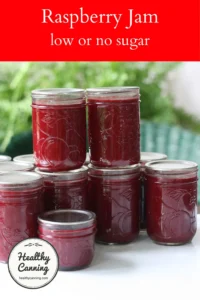
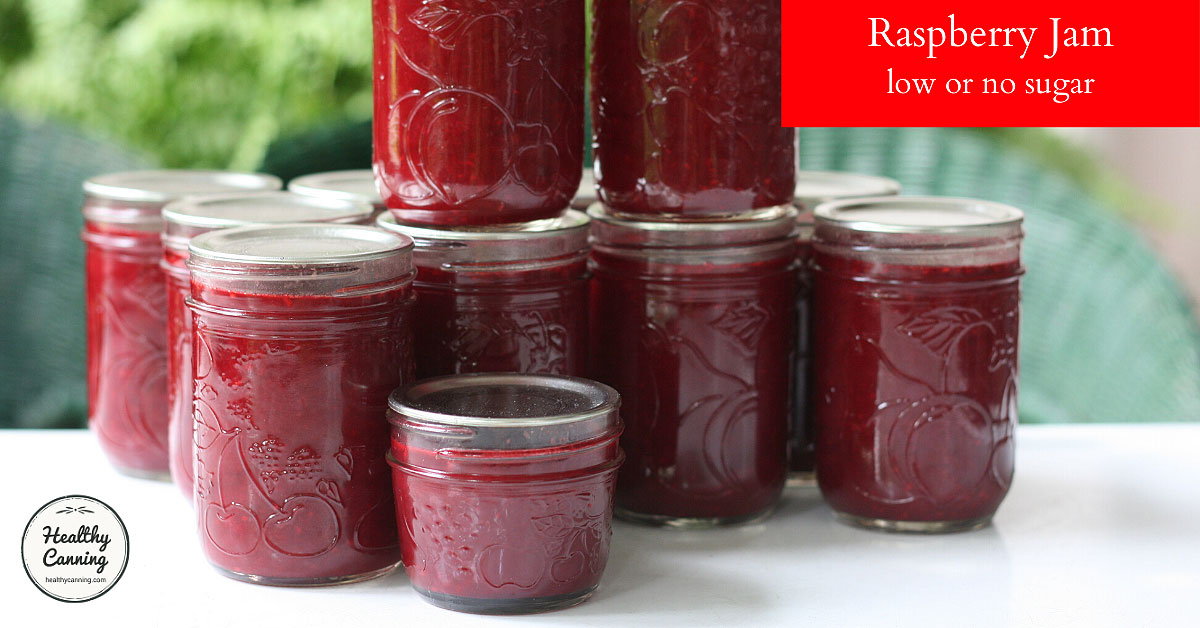
Executing a successful batch of low- or no-sugar raspberry jam requires strict adherence to tested food safety guidelines. According to standardized preservation protocols, the recipe is designed to yield four quarter-litre (half US pint, or 8 oz) jars, or alternatively, smaller 125 ml (half cup, or 4 oz) containers.
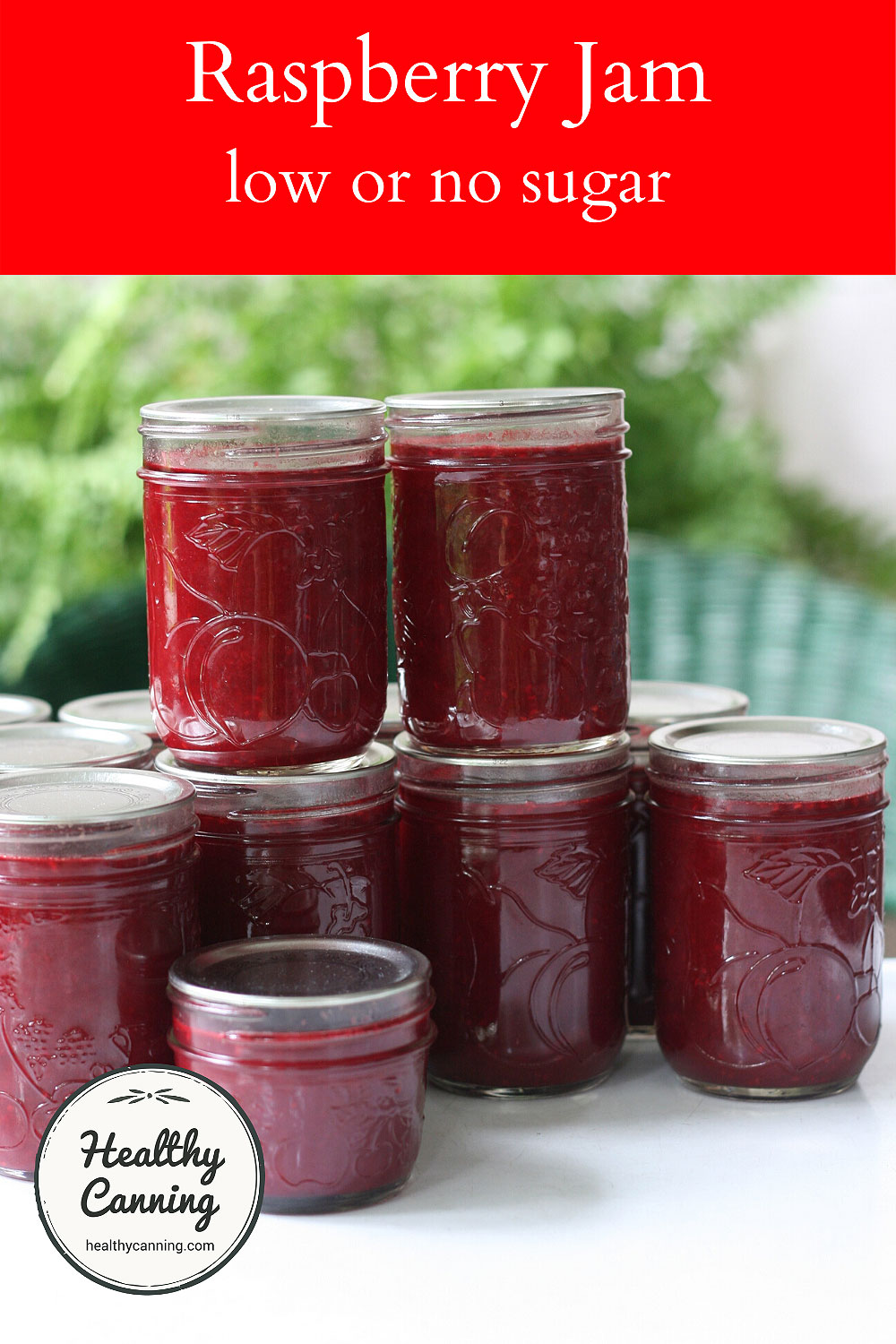
The preparation timeline is relatively concise, requiring approximately 15 minutes of active preparation and 20 minutes of active cooking time, bringing the total procedural duration to roughly 35 minutes. To ensure a vacuum seal and destroy spoilage microorganisms, filled jars must undergo thermal processing via either a boiling water bath or a steam canner for a duration of exactly 10 minutes, maintaining a precise headspace of 1 centimeter (one-quarter inch). Crucially, home canners operating at elevated altitudes must apply mandatory altitude adjustments to their processing times to compensate for lower atmospheric pressure and boiling points.
Sweetener Flexibility and Nutritional Profile
One of the most notable features of the Pomona pectin raspberry jam method is its versatility regarding sweetening agents. Culinary testing demonstrates that cooks can utilize 1 cup (200 grams) of traditional cane sugar, 1 cup (25 grams) of granulated Splenda, between one-half cup and 1 cup (125 to 250 milliliters) of honey, or as little as 2 teaspoons of liquid stevia, depending on personal dietary requirements.
Nutritional analyses underscore the significant dietary differences resulting from these sweetener choices. When formulated with 1 cup of standard cane sugar, a standard one-tablespoon serving yields approximately 21 calories, 5 grams of carbohydrates, 4 grams of sugars, and negligible amounts of fat and protein, alongside trace levels of dietary fiber, potassium, and vitamin C. Conversely, substituting traditional sugar with granulated Splenda reduces the caloric load to approximately 10 calories and lowers the carbohydrate count to 2 grams per tablespoon. This stark contrast highlights the adaptability of the recipe for individuals managing metabolic conditions or caloric restrictions.
Expert Guidance and Safety Protocols
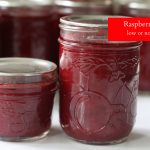
Food safety authorities and Master Food Preserver groups consistently emphasize the importance of following scientifically validated instructions when engaging in home canning. Because low-sugar jams lack the chemical preservation properties of high-concentration sucrose solutions, maintaining proper acidity, jar headspace, and thermal processing times is non-negotiable to prevent the growth of pathogens such as Clostridium botulinum.
Organizations providing educational outreach on canning safety recommend utilizing established extension services and Master Food Preserver help networks—many of which operate seasonal telephone hotlines—for real-time troubleshooting. Additionally, adherence to standardized shelf-life guidelines ensures that home-canned goods are consumed while maintaining optimal quality, texture, and nutritional value.
Broader Impact and Implications for Modern Domestic Kitchens
The resurgence of interest in low-sugar raspberry jam using alternative pectins reflects broader shifts in consumer behavior toward sustainability, health consciousness, and culinary autonomy. By enabling the preservation of seasonal fruit gluts—whether harvested fresh from the garden or thawed from domestic freezers—this technique minimizes food waste while empowering consumers to control the exact nutritional composition of their pantry staples.
As food preservation continues to intersect with modern nutritional science, standardized recipes utilizing universal pectins demonstrate that traditional domestic arts can successfully adapt to contemporary dietary demands. The ability to produce a shelf-stable, vibrantly flavored raspberry preserve with a fraction of the traditional sugar content marks a significant milestone in the ongoing evolution of home economics and food science.