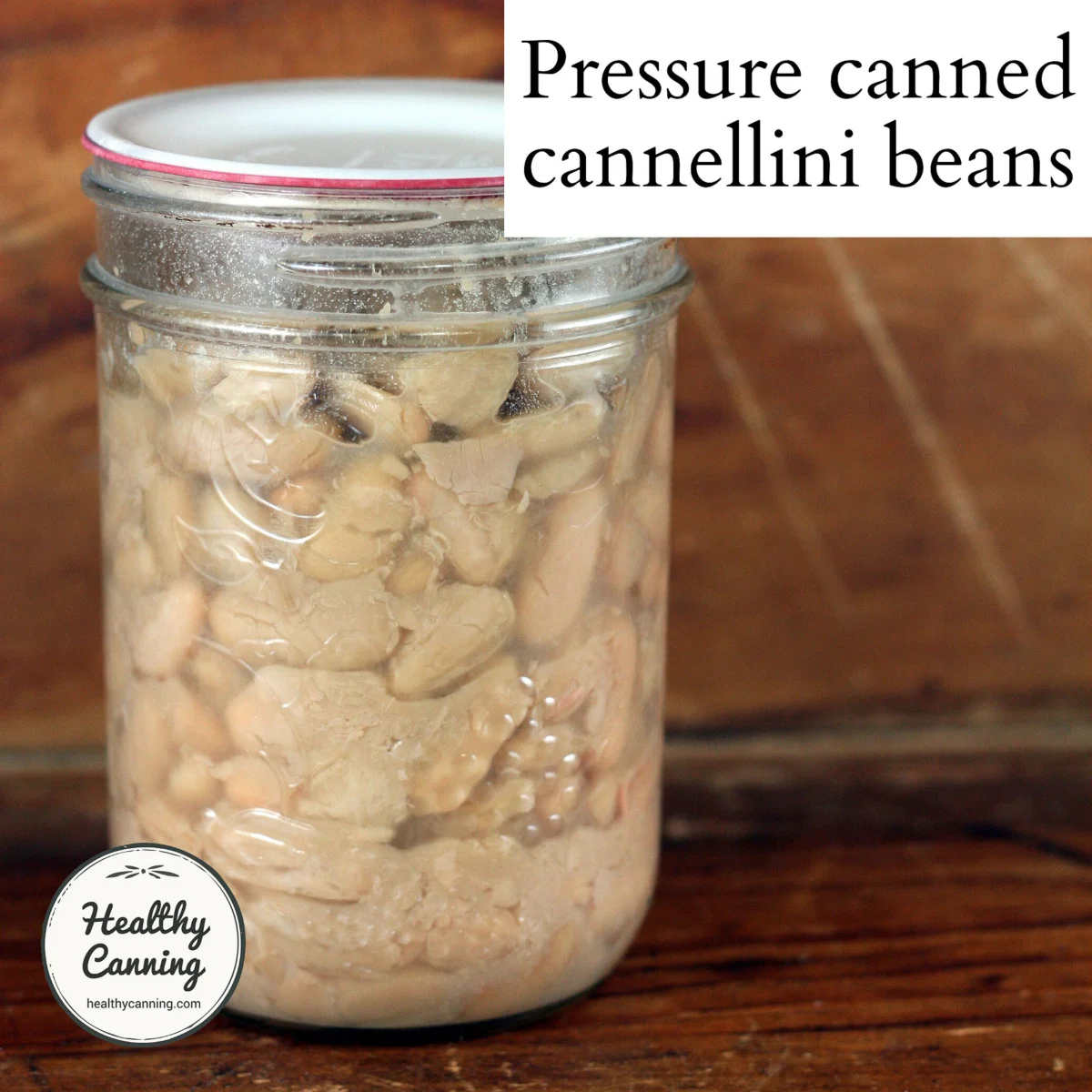

The practice of home food preservation has experienced a significant resurgence across modern households, driven by a renewed interest in self-sufficiency, economic thrift, and dietary control. Among the various methods of preserving legumes, pressure canning stands out as the gold standard for safety and shelf-stability. Cannellini beans, also widely recognized as white kidney beans, are a staple of Mediterranean and continental cuisines. When processed correctly using approved USDA guidelines, home-canned cannellini beans offer a convenient, preservative-free pantry staple that can elevate a wide variety of homemade dishes. However, achieving safe and desirable results requires a thorough understanding of pressure canning mechanics, proper equipment handling, and the distinct physical changes that dry beans undergo during prolonged thermal processing.
Understanding the Mechanics and Limitations of Canning Cannellini Beans
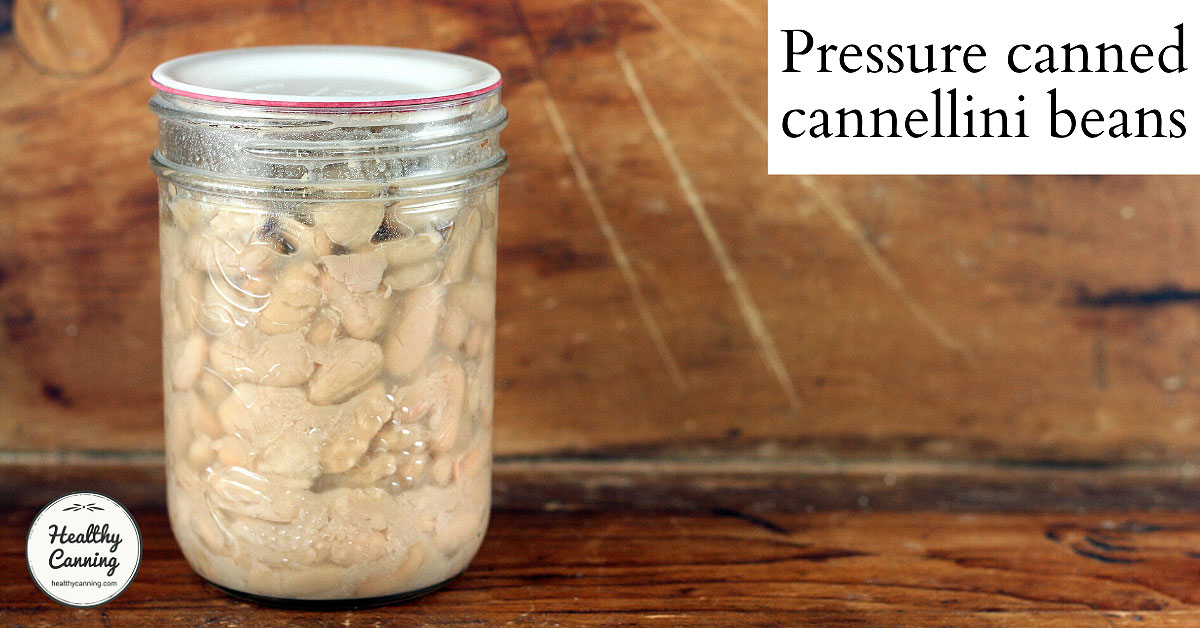
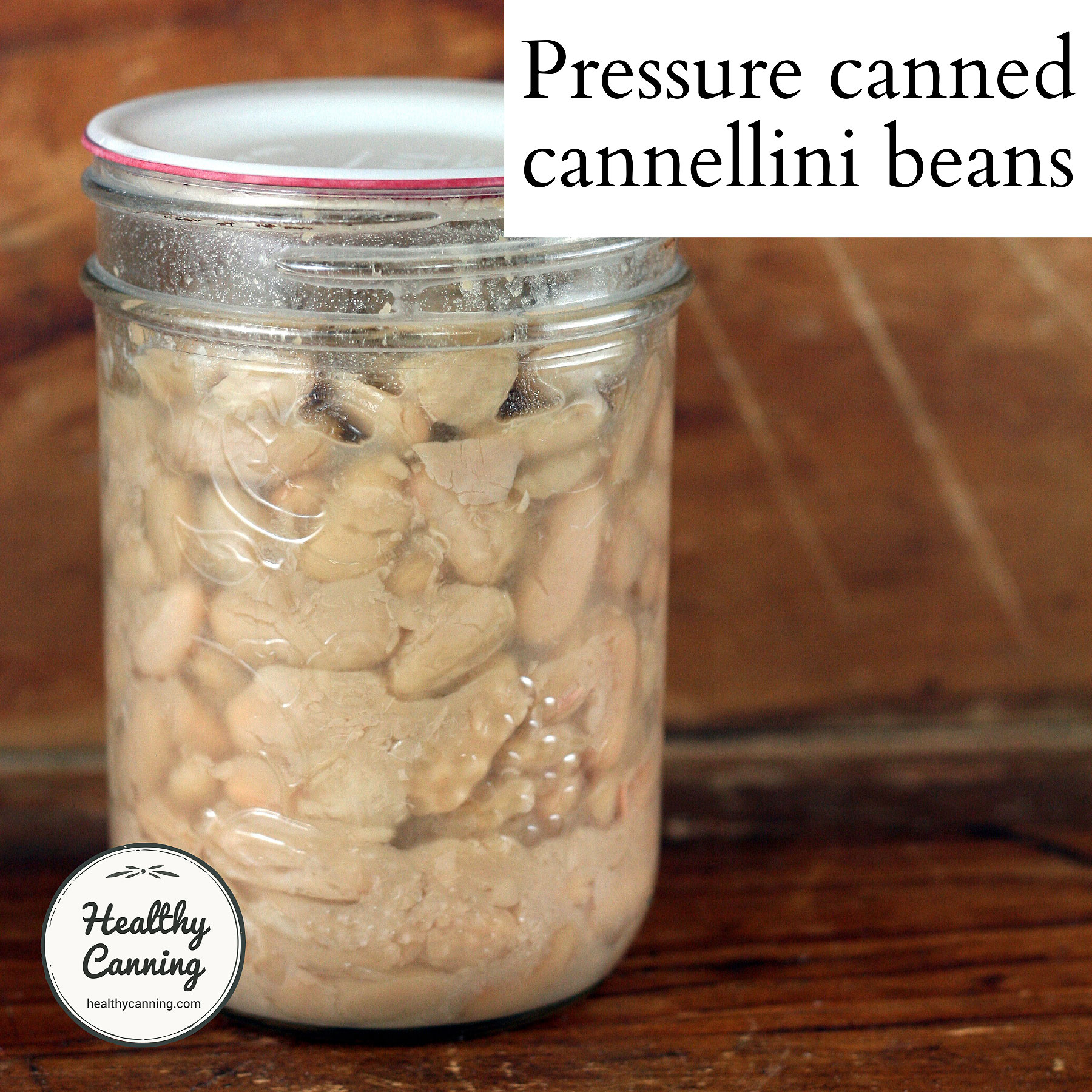
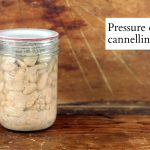
When embarking on home preservation projects involving dried legumes, culinary expectations must align with the scientific reality of pressure canning. Because beans absorb substantial amounts of liquid and are subjected to high temperatures under pressure for extended periods, home-canned cannellini beans emerge from the process with an exceptionally soft texture. Consequently, home food preservation experts caution against utilizing home-canned cannellini beans in recipes that demand structural integrity, such as cold bean salads or Mediterranean antipasti platters where individual beans need to hold their shape.
Instead, the soft texture of these pressure-canned legumes makes them ideal for incorporation into blended or textured dishes. They excel as a rich, creamy addition to hearty winter soups, minestrones, and stews. Furthermore, their smooth consistency lends itself remarkably well to the creation of savory bean pâtés, homemade dips, and gourmet spreads. By managing culinary applications according to the physical outcome of the canning process, home cooks can maximize both flavor and utility.
Historical Context and Evolution of USDA Canning Guidelines
The foundation of modern home canning safety rests upon decades of rigorous scientific research conducted by agricultural authorities, most notably the United States Department of Agriculture (USDA). In the early-to-mid 20th century, the proliferation of home gardens and the economic pressures of wartime rationing made safe food preservation a critical public health priority. Low-acid foods, a category that includes all dry beans, peas, and shelled legumes, present a unique microbiological challenge. Unlike high-acid fruits, low-acid environments can foster the growth of Clostridium botulinum, a bacterium capable of producing deadly toxins under anaerobic conditions.
To mitigate this risk, the USDA established comprehensive processing parameters designed to eliminate bacterial spores through sustained high heat. The publication of the USDA Complete Guide to Home Canning—specifically Agriculture Information Bulletin No. 539—standardized processing times and pressures for various jar sizes and food types. For dry cannellini beans, the guidelines dictate specific processing durations: 75 minutes for quarter-litre (half-US-pint) and half-litre (one-US-pint) jars, and 90 minutes for one-litre (one-US-quart) jars. Adhering strictly to these historic and scientifically verified benchmarks is essential for preventing foodborne illness.
Step-by-Step Processing Parameters and Equipment Requirements
Executing a successful canning batch for white kidney beans necessitates specialized equipment and meticulous attention to protocol. Unlike high-acid preserves that can be processed in a boiling water bath, cannellini beans must be processed exclusively in a pressure canner. This equipment generates internal temperatures exceeding the boiling point of water—typically reaching 240°F (116°C) at 10 pounds of pressure—which is necessary to destroy heat-resistant bacterial spores.
When preparing the jars, operators must maintain a precise headspace of 3 centimeters (1 inch) to ensure proper sealing and vacuum formation during the cooling cycle. Jar size choices are flexible, accommodating quarter-litre, half-litre, or one-litre containers depending on household consumption patterns.
Pressure regulation is another critical variable governed by geographic elevation. Standard processing guidelines dictate a weighted-gauge pressure of 10 lbs (69 kPa) or a dial-gauge pressure of 11 lbs (76 kPa) for elevations ranging from 0 to 300 meters (0 to 1,000 feet) above sea level. However, because atmospheric pressure decreases with altitude, water boils at lower temperatures higher up, reducing the effectiveness of the canning process. Consequently, operators residing above 300 meters must increase their weighted gauge pressure to 15 lbs to compensate for altitude variations. Failure to adjust for elevation can result in under-processing and compromised food safety.
Nutritional Profile of Home-Canned White Kidney Beans
Beyond convenience and safety, home-canned cannellini beans offer a compelling nutritional profile that appeals to health-conscious consumers. By managing the canning process at home, individuals retain total control over ingredient additives, most notably sodium content. While commercial canned beans often contain high levels of added sodium used for preservation and flavor enhancement, home-canned variations can be prepared entirely salt-free without sacrificing nutritional integrity.
According to nutritional data compiled for cooked, home-pressure-canned cannellini beans prepared without added salt, a standard half-cup serving (approximately 130 grams) delivers roughly 100 calories. The macronutrient breakdown includes approximately 17 grams of complex carbohydrates, 6 grams of plant-based protein, and a mere 1 gram of total fat. Furthermore, these legumes are an exceptional source of dietary fiber, providing about 5 grams per serving—an essential component for digestive health and glycemic regulation.
Micronutrient analysis further underscores the health benefits of white kidney beans. A single serving supplies approximately 250 milligrams of potassium, supporting cardiovascular function, alongside meaningful amounts of calcium (40 mg) and iron (1.8 mg). Because the beans are pressure-cooked in their canning liquid, water-soluble nutrients that might otherwise be discarded in traditional pot-boiling methods are largely retained within the jar, enriching the final culinary application when the liquid is utilized in broths or purees.
Expert Guidance and Master Food Preserver Resources
Given the technical precision required for safe pressure canning, agricultural extension offices and consumer safety agencies strongly encourage adherence to established recipes and protocols. Food safety experts advise against improvising processing times, altering jar sizes beyond tested parameters, or experimenting with unverified acid levels in low-acid preserves.
For individuals seeking immediate assistance, clarification on altitude adjustments, or troubleshooting advice during canning season, a robust network of Master Food Preserver groups operates across various regions. Affiliated with university extension programs, these certified volunteers offer guidance, educational workshops, and, in many jurisdictions, operational telephone hotlines during peak harvest months. Leveraging these expert resources ensures that home canners maintain the highest standards of food safety while enjoying the economic and culinary rewards of preserving their own pantry staples.
Broader Economic and Environmental Implications
The growing popularity of home pressure canning reflects broader cultural shifts toward sustainable living and economic resilience. In an era marked by fluctuating grocery prices and supply chain vulnerabilities, processing staple foods like cannellini beans from their dry, bulk state offers substantial long-term savings. Dry beans are exceptionally shelf-stable, inexpensive to purchase in large quantities, and occupy minimal storage space compared to their commercially canned counterparts.
From an environmental perspective, home canning significantly reduces packaging waste. Reusable glass mason jars eliminate the reliance on single-use aluminum and steel cans, aligning with zero-waste lifestyle objectives. Furthermore, reducing dependence on commercially manufactured and transported canned goods lowers the carbon footprint associated with industrial food processing and distribution. By mastering the science of pressure canning white kidney beans, home cooks not only secure a wholesome, customizable food supply for their households but also contribute to a more sustainable, localized model of food consumption.