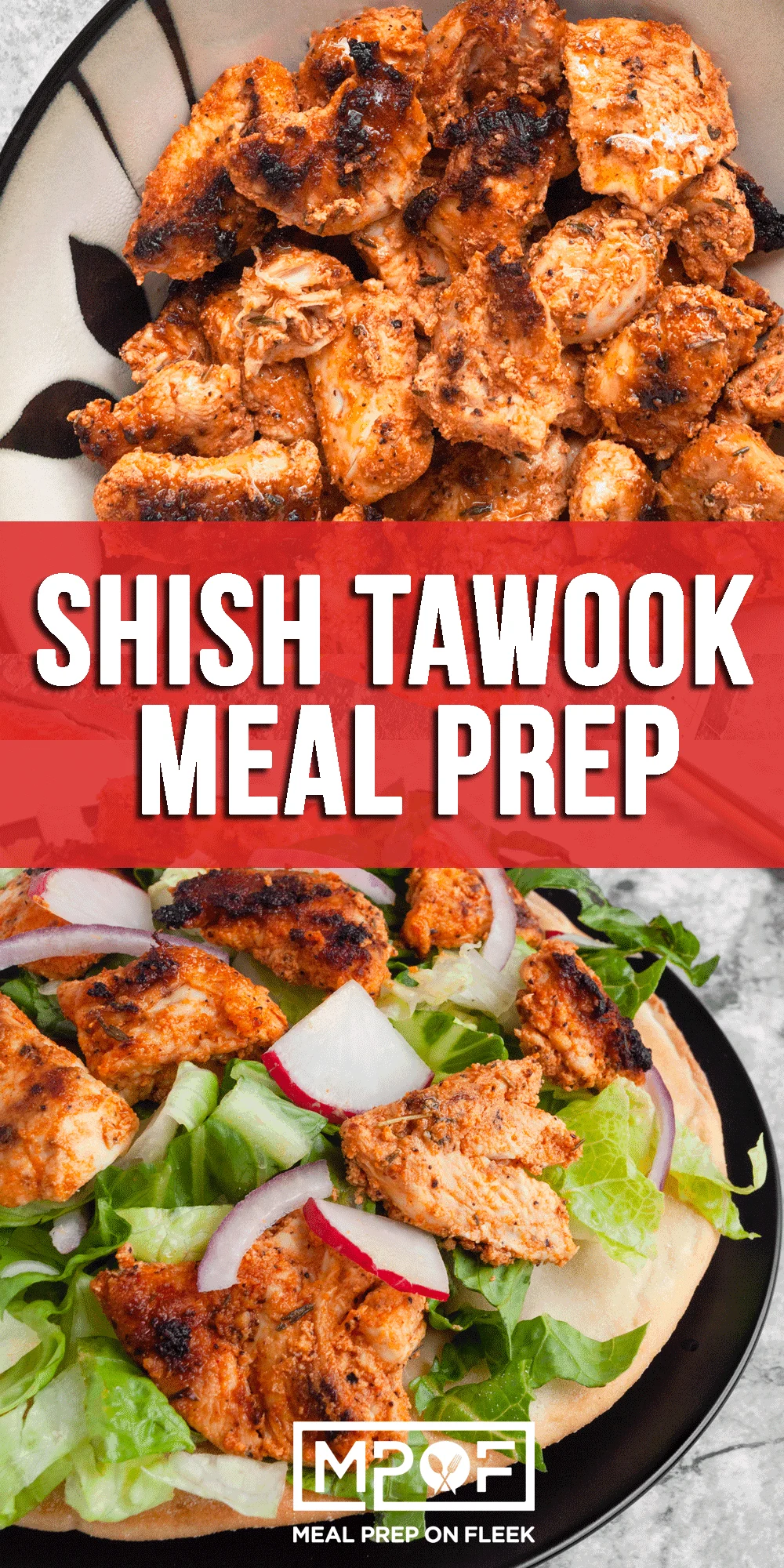

The practice of intentional meal preparation has evolved from a niche fitness strategy into a mainstream solution for time-constrained professionals seeking to optimize nutritional intake and manage food expenditures. Among the diverse array of global cuisines adapted for the meal prep format, Middle Eastern-inspired dishes—specifically Shish Tawook—have emerged as a preferred choice due to their high protein density and reliance on complex, antioxidant-rich spice profiles. This culinary transition, which moves away from traditional skewered service toward containerized, assembly-line preparation, reflects a broader shift in home-cooking methodology where efficiency is balanced against the demand for authentic, restaurant-quality flavor profiles.
Historical and Culinary Context of Shish Tawook
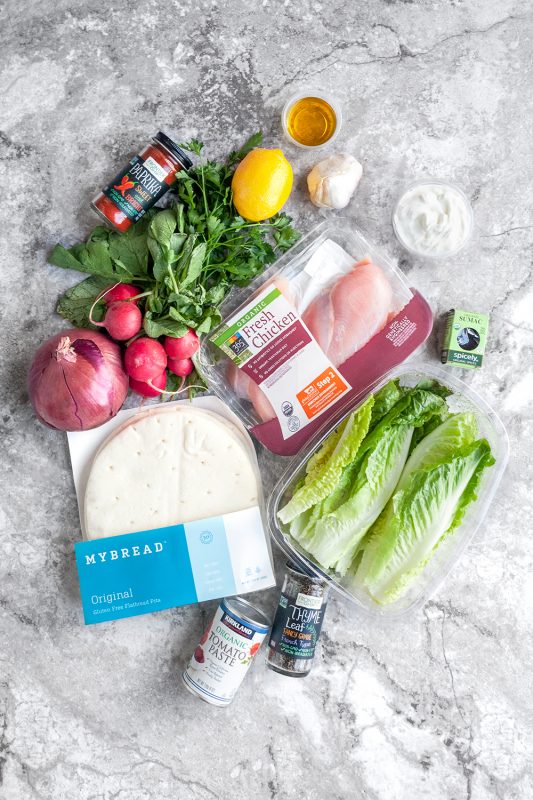
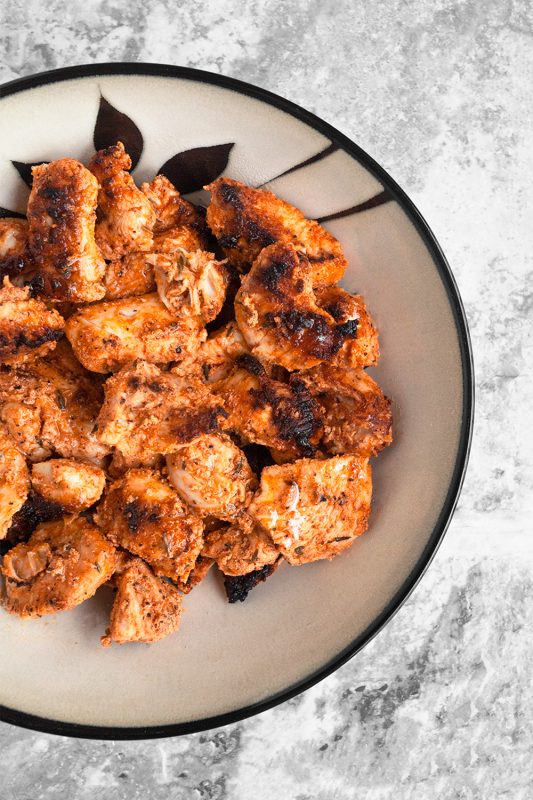
Shish Tawook, a cornerstone of Levantine cuisine, traditionally consists of chicken marinated in a mixture of yogurt, lemon juice, tomato paste, and a blend of spices including garlic, paprika, and sumac. Historically, the dish is prepared on skewers and grilled over charcoal, a process that imparts a distinct smoky profile and a charred exterior. The marinade serves a dual purpose: the acidic components of the lemon and yogurt act as chemical tenderizers, breaking down the muscle fibers of the poultry to ensure moisture retention during the high-heat cooking process.
In the modern context of meal prep, the methodology is adapted to accommodate storage logistics. By transitioning from charcoal grilling to skillet preparation, the dish achieves a consistent internal temperature of 165°F across all portions, mitigating the risks associated with uneven cooking and ensuring the protein remains stable for the duration of a standard four-day consumption cycle.
Chronology of Preparation and Implementation
Successful integration of this meal into a weekly routine requires a structured approach to workflow management. The process begins with the preparation of the marinade, which requires approximately 15 minutes of active time. The integration of Greek yogurt is chemically significant; the lactic acid and calcium present in the yogurt activate enzymes that denature proteins, resulting in a more tender product. Following the incorporation of tomato paste—which provides the umami base—and spices such as sumac and thyme, the chicken is submerged.
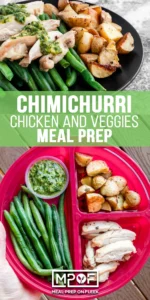
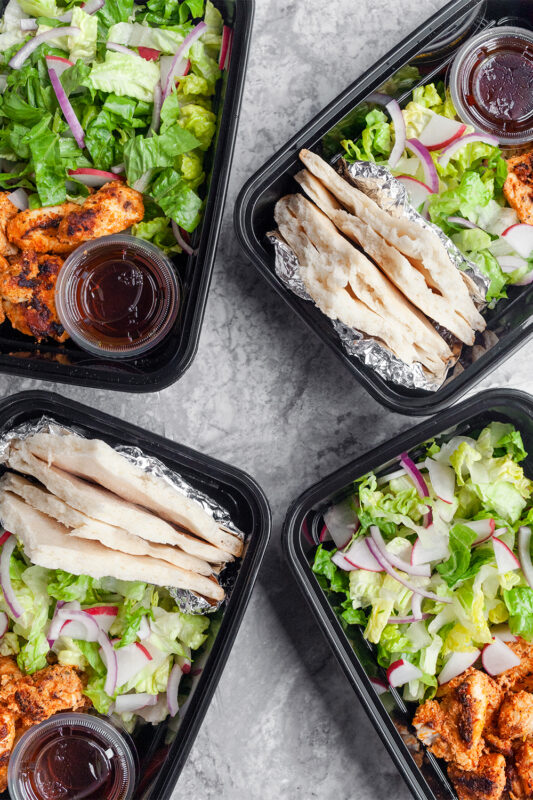
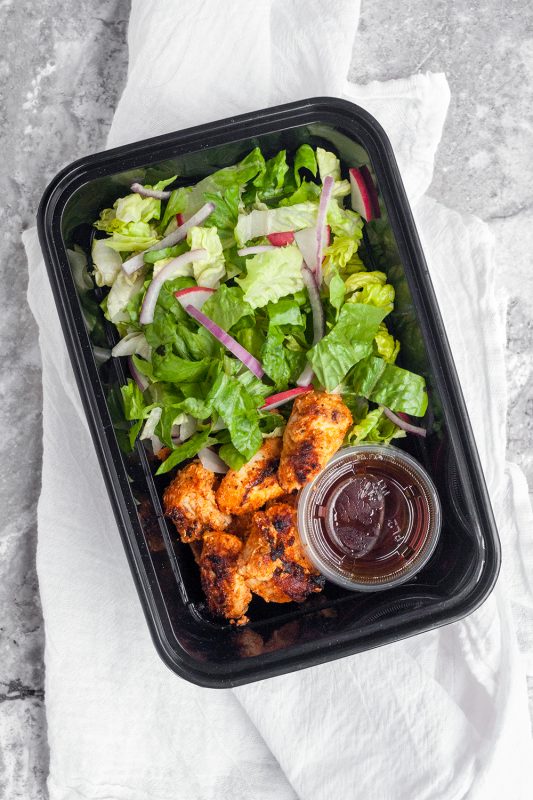
Best practices dictate a minimum marination period of one hour, though analytical data suggests that extending this to 24 hours significantly improves the infusion of flavor compounds into the subcutaneous layers of the chicken. The cooking phase, involving the use of avocado oil—a high-smoke-point fat—ensures that the chicken is seared efficiently without the risk of oxidation or burning. Once the protein has reached the requisite safety temperature, the cooling and portioning phase begins. This is critical: moisture control is the primary challenge in long-term food storage. By separating the protein from the fibrous vegetables and the acidic dressing, the integrity of the salad base is maintained for up to 96 hours.
Nutritional Data and Metabolic Impact
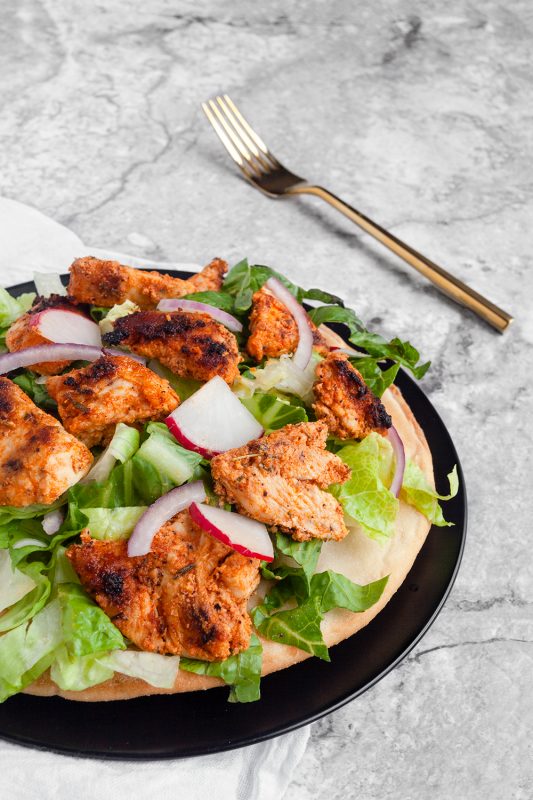
A standard portion of this meal prep, designed for four servings, yields approximately 576 kilocalories per container. From a macronutrient distribution perspective, the meal is heavily weighted toward protein, with approximately 51.4 grams per serving. This is particularly advantageous for individuals engaged in resistance training or those focused on glycemic control, as the high protein content combined with the fiber-rich profile of the accompanying salad—which contains radishes, onions, and romaine—promotes satiety and slows the absorption of glucose.
The carbohydrate profile, clocking in at 37.2 grams, is primarily sourced from the included pita bread, providing a necessary energy substrate for cognitive function during the workday. With 24.8 grams of fat, primarily derived from monounsaturated sources like avocado and olive oil, the meal adheres to heart-healthy dietary guidelines. Furthermore, the 8 grams of dietary fiber per serving contribute significantly to digestive health and microbiome stability.
Expert Perspectives on Meal Prep Logistics
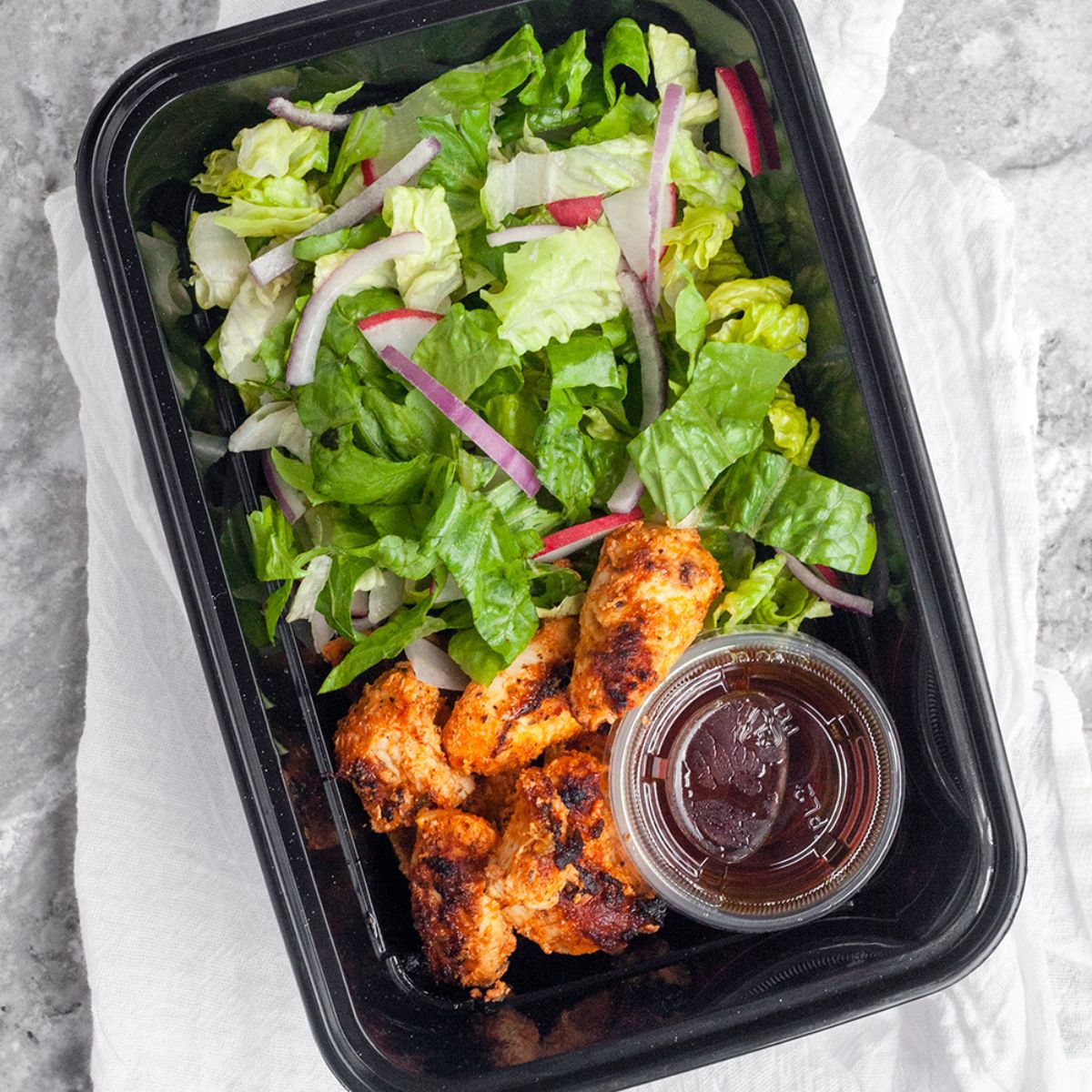
Industry experts in nutritional science and food safety emphasize that the primary obstacle to long-term meal prep efficacy is improper storage temperature and cross-contamination. "The transition from a freshly cooked meal to a pre-portioned refrigerated container requires strict adherence to the ‘cool-down’ protocol," notes a specialist in culinary nutrition. "Rapid cooling prevents the proliferation of thermophilic bacteria, while the use of modular, bento-style containers prevents the migration of moisture from the salad to the bread and protein, which is the leading cause of sensory degradation in pre-made lunches."
The use of separate sauce cups for the dressing is not merely a matter of aesthetic preference; it is a vital step in maintaining the structural integrity of the lettuce. Emulsified dressings, when applied too early, cause the cell walls of the greens to collapse due to osmotic pressure, rendering the salad unpalatable within 24 hours. By delaying the application of the dressing until the moment of consumption, the user ensures the maximum nutritional availability of the vegetables.
Broader Implications for Workplace Wellness
The adoption of high-protein, nutritionally dense meal prep solutions has quantifiable impacts on workplace productivity. Research into employee wellness indicates that mid-day dietary choices directly influence afternoon cognitive performance. High-sodium, high-sugar convenience foods, often categorized as traditional "takeout," typically result in post-prandial lethargy. Conversely, the balanced macronutrient profile of a prepared Shish Tawook lunch supports sustained energy release.
Furthermore, the economic implications are significant. As inflation impacts the food service industry, the cost-per-meal ratio of home-prepped lunches compared to commercial restaurant equivalents shows a stark disparity. The ability to source ingredients in bulk—such as purchasing chicken breast in multi-kilogram packs and utilizing seasonal vegetables—allows for a significant reduction in the cost-per-calorie metric, providing a sustainable pathway for households to maintain high nutritional standards despite fluctuating market prices.
Conclusion and Future Outlook
As the trend toward professionalized home meal preparation continues to expand, the focus is shifting toward recipes that offer both cultural depth and functional simplicity. The Shish Tawook model serves as a blueprint for this transition, demonstrating how traditional, complex cooking can be modularized for the modern, fast-paced environment. By utilizing scientific understanding of protein marination, thermodynamic control, and storage logistics, individuals can ensure that their dietary habits remain consistent with their long-term health objectives. The future of this discipline lies in the continued refinement of these processes, potentially incorporating smart-container technology and advanced cold-storage techniques to further extend the shelf life and sensory quality of pre-prepared meals, thereby reducing food waste and optimizing personal health.