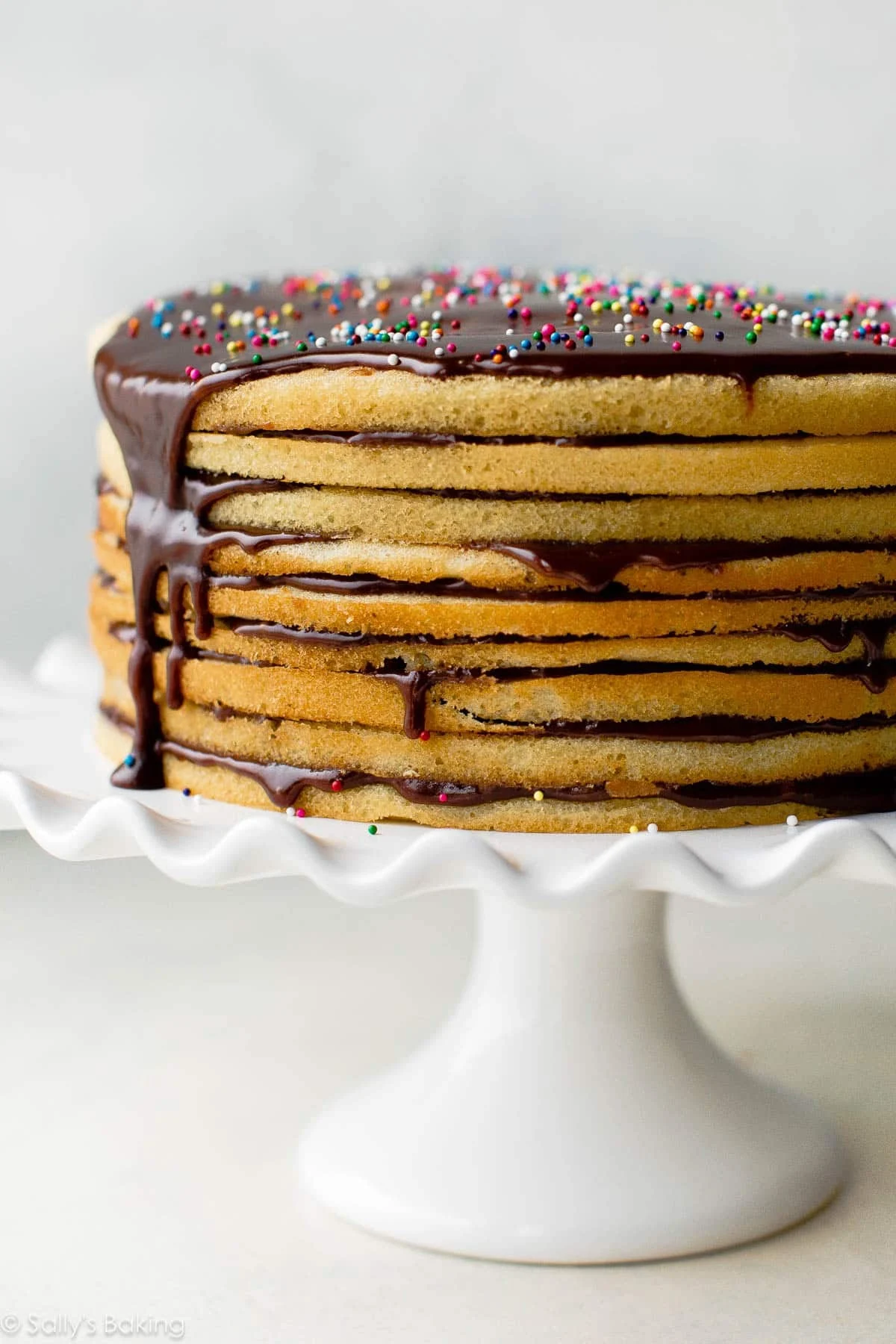

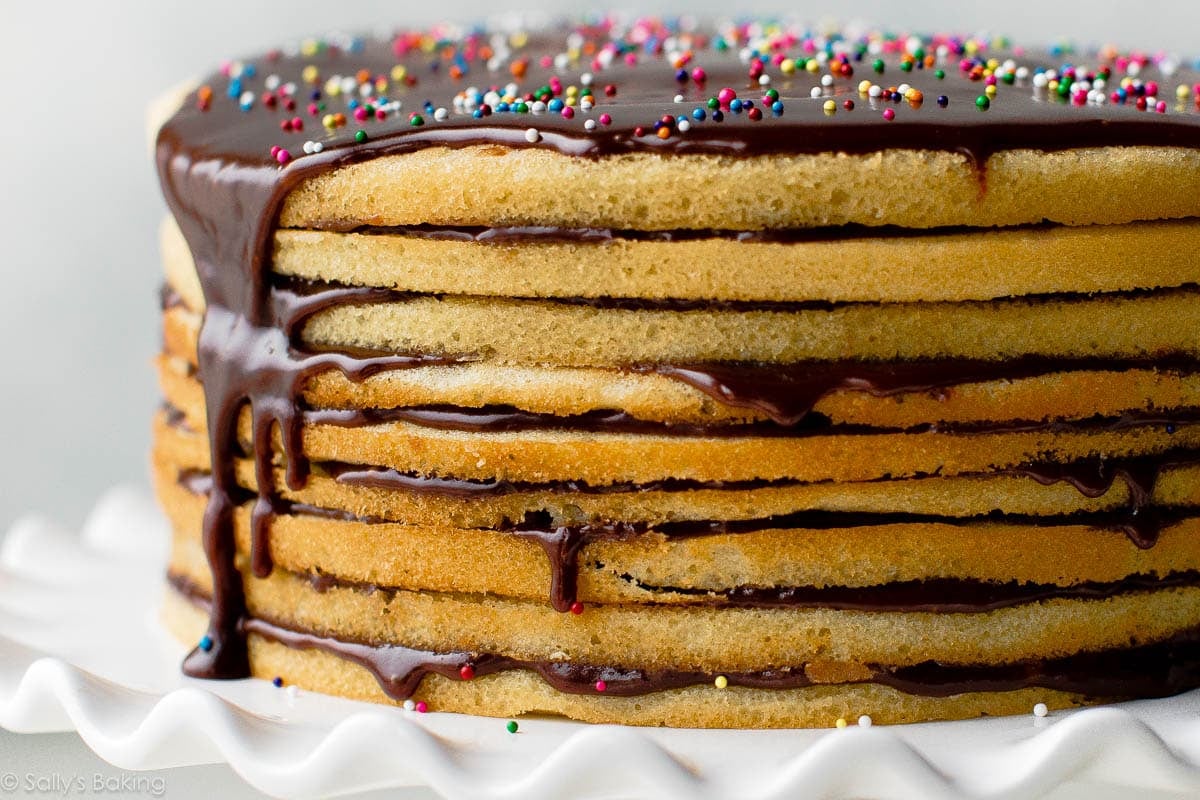
The Smith Island cake serves as a culinary emblem of Maryland, officially designated as the state’s official dessert by the Maryland General Assembly in 2008. Originating from the remote, water-locked community of Smith Island in the Chesapeake Bay, this multi-layered confection represents a unique intersection of local history, maritime necessity, and traditional American baking. While modern interpretations vary, the classic iteration—comprised of thin layers of yellow cake separated by a cooked chocolate fudge icing—has evolved from a practical provision for local watermen into a significant cultural touchstone.
Historical Context and Maritime Origins
Smith Island, a cluster of islands located in the Chesapeake Bay, is accessible only by boat. Historically, the island’s economy relied heavily on the seasonal harvest of blue crabs and oysters. The development of the Smith Island cake was inextricably linked to the demanding lifestyle of the local watermen. During the autumn oyster harvest, laborers would spend extended periods on the water, often far from the mainland.
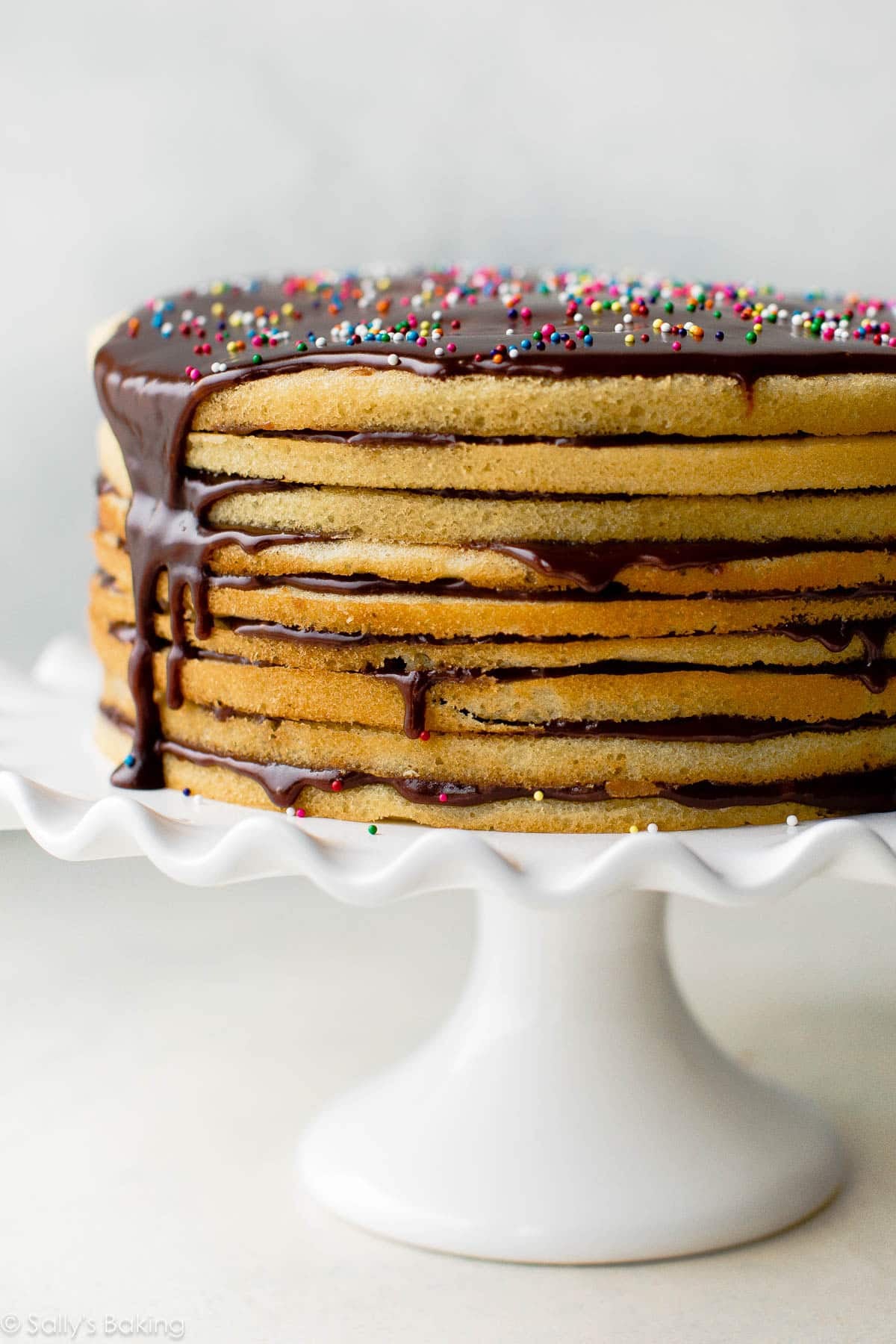
The cake was designed to be sturdy and shelf-stable. Unlike contemporary buttercream frostings, which are susceptible to melting or spoilage in humid environments, the traditional Smith Island icing is a cooked fudge mixture. This composition allowed the dessert to remain edible for days at sea. The thin, dense layers, when stacked and coated in this fudge, created a moisture-retaining structure that prevented the cake from drying out, even under the rudimentary storage conditions available on working vessels.
Chronology of Official Recognition
The journey of the Smith Island cake toward state-level recognition began in the early 2000s as local residents and historians sought to preserve the island’s unique heritage. By 2008, the Maryland General Assembly recognized the cultural importance of the dessert, officially codifying it as the state dessert. This legislative act was not merely a ceremonial gesture; it served to highlight the economic and cultural plight of the island, which has faced significant challenges due to erosion and declining populations.
In the years following the designation, the cake became a commercial success, with bakeries on the island and across the state shipping thousands of units annually. Culinary historians note that the 2008 designation acted as a catalyst for renewed interest in regional American baking, elevating what was once a localized, niche recipe into a nationally recognized standard of Maryland gastronomy.
Technical Composition and Culinary Methodology
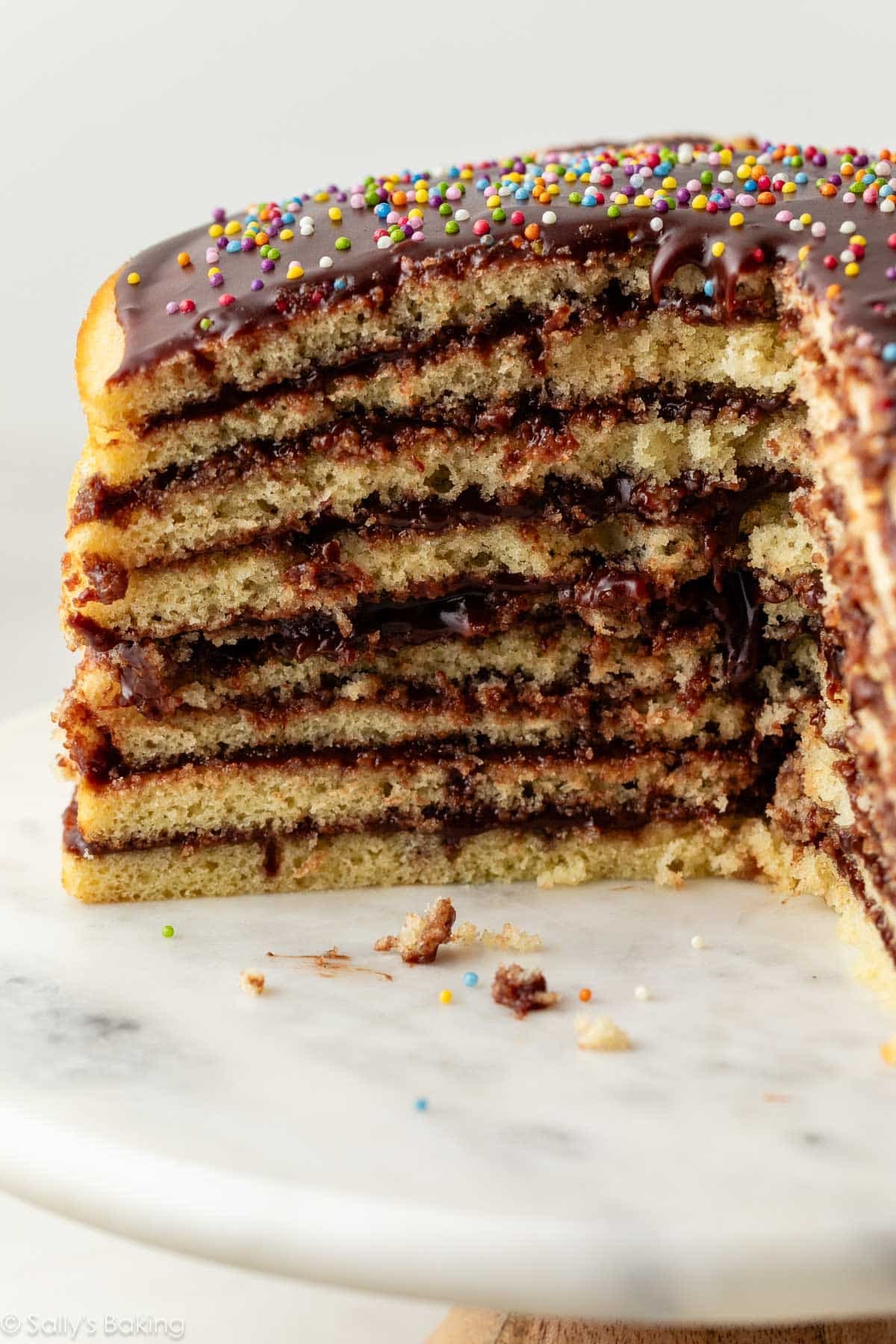
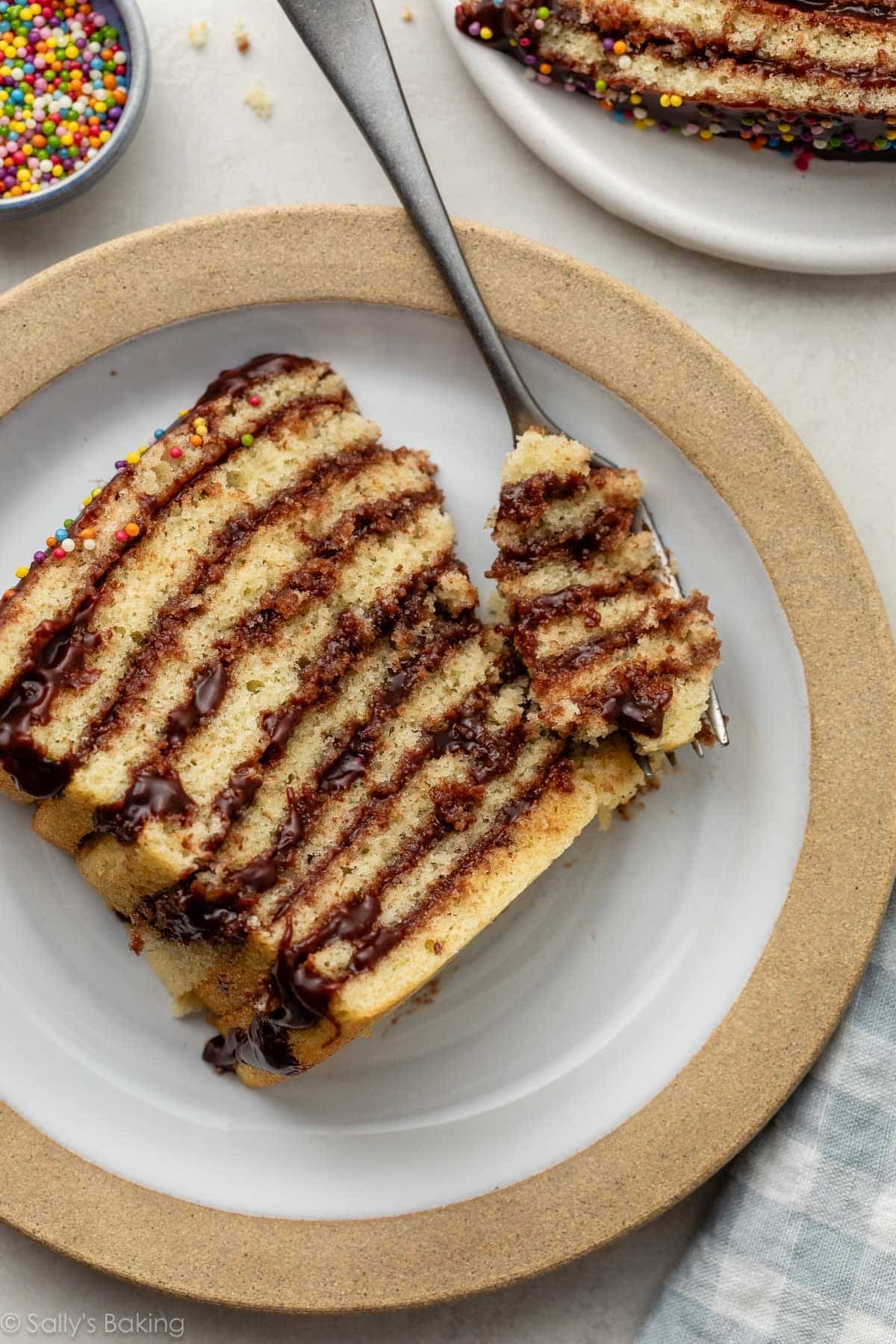
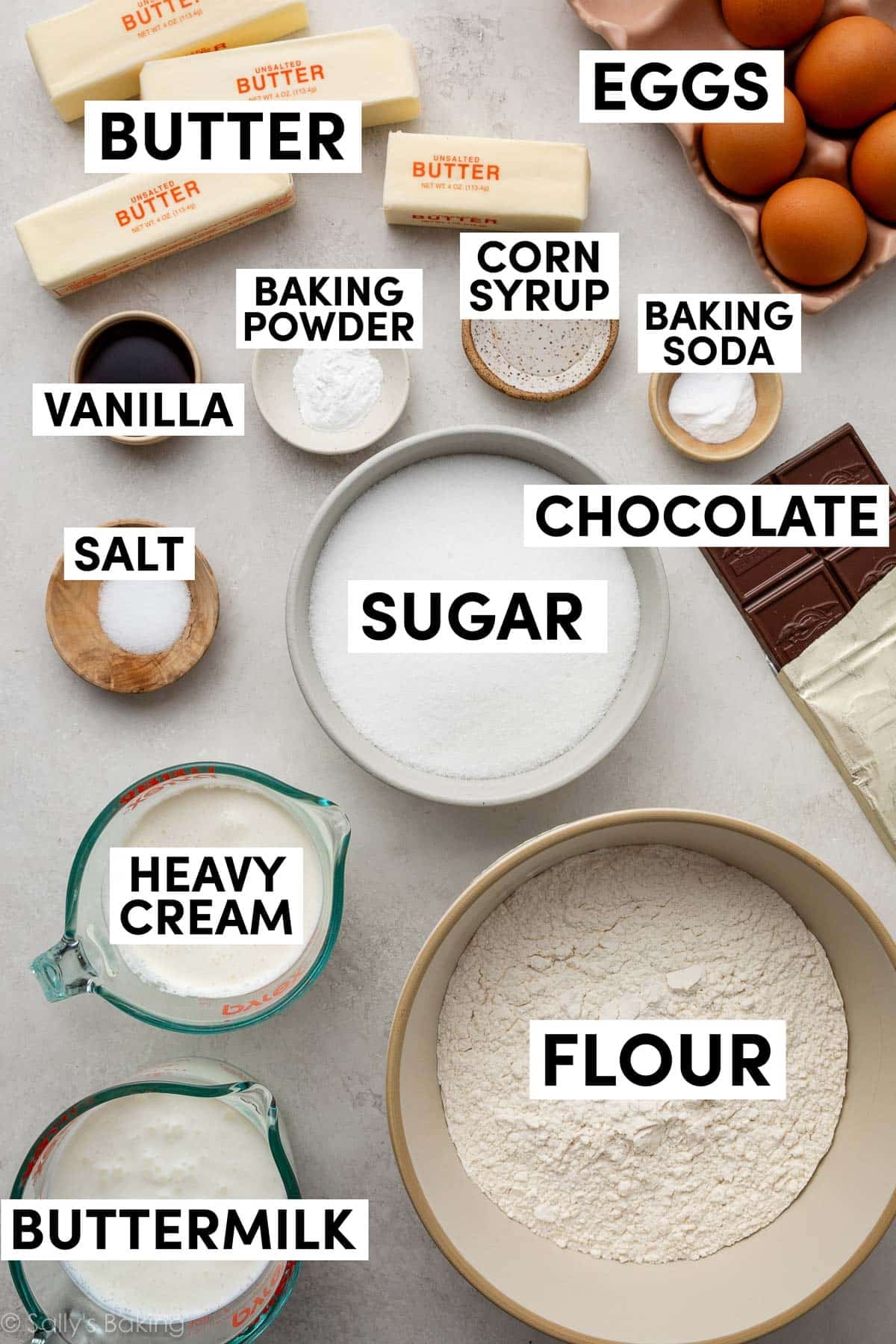
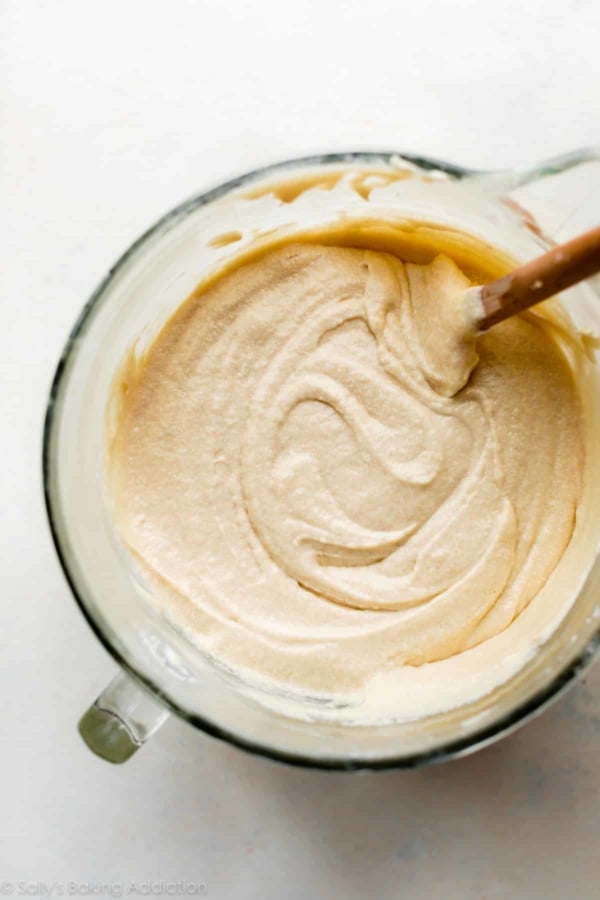
The architecture of a traditional Smith Island cake is characterized by its technical precision. A standard cake consists of eight to ten distinct, thin layers. The preparation involves a yellow cake batter—typically composed of butter, sugar, eggs, flour, and buttermilk—which is portioned into thin, circular layers. The use of parchment paper is considered essential in modern professional kitchens to ensure the delicate layers remain intact during extraction from the pans.
The icing, which serves as both the flavor profile and the preservative, is a boiled fudge mixture. Ingredients such as bittersweet chocolate, heavy cream, sugar, and butter are heated to a specific temperature—typically 220°F (104°C)—to achieve the desired concentration of sugar and fats. As the mixture cools, it thickens, allowing it to act as an adhesive between the layers. The characteristic "dripping" effect observed in traditional preparations occurs as the warm icing permeates the edges of the cake, ensuring that the final product maintains a uniform texture from the center to the periphery.
Supporting Data and Market Trends
Recent analysis of regional baking trends indicates that the Smith Island cake maintains a high search and consumer interest volume, particularly during the holiday seasons and Maryland-centric celebrations. Bakeries specializing in the recipe often emphasize the importance of "room temperature" ingredients, noting that the emulsion of fat and liquid is critical for the structural integrity of the thin layers.
From a production standpoint, the cake remains labor-intensive. A single nine-layer cake requires approximately 90 minutes of active preparation time, excluding cooling and setting periods. The shift toward higher cocoa-content chocolate in modern recipes—often moving from 4 ounces to 6 ounces in standard batches—reflects a consumer preference for less cloying, more complex flavor profiles.
Economic and Cultural Implications
The Smith Island cake has become a vital economic driver for the island community. The "Smith Island Cake" brand is heavily regulated to ensure quality and authenticity, with several local bakeries operating under cooperatives to maintain the standards established by their ancestors. For the residents of Smith Island, the cake is more than a dessert; it is a manifestation of community resilience.
Public reaction to the cake, particularly from visiting tourists, emphasizes its "showstopper" aesthetic. Despite the complexity of its construction, the cake is regarded as a hallmark of Southern and Mid-Atlantic hospitality. Food critics have pointed out that the dessert’s popularity persists because it defies the trend of "fussy" modern pastry, offering a reliable, consistent, and deeply historical flavor profile that resonates with both long-term residents and new consumers.
Institutional Perspectives
In statements regarding the state dessert, various Maryland officials have cited the cake as a prime example of the "Chesapeake spirit." By integrating the dessert into state tourism campaigns, Maryland has effectively turned a domestic recipe into a symbol of regional identity. Culinary experts have observed that the cake’s longevity in the public consciousness is due to its adaptability; while the chocolate version remains the gold standard, modern variations including lemon, coconut, and strawberry have allowed the tradition to survive among changing palates.
Analysis of Future Prospects
As climate change continues to pose existential threats to the geography of Smith Island through rising sea levels and erosion, the preservation of its culinary traditions takes on added urgency. The Smith Island cake acts as a cultural anchor, ensuring that the legacy of the island’s inhabitants remains visible even as the landscape shifts.

Future initiatives by local culinary boards suggest a continued focus on professionalizing the production and distribution of these cakes, potentially seeking wider international distribution. The reliance on simple, high-quality ingredients—flour, butter, sugar, and chocolate—suggests that the recipe will remain immune to the volatility of global supply chains that often affect more complex, ingredient-heavy pastry products.
In conclusion, the Smith Island cake stands as a testament to the ingenuity of 19th-century maritime communities. Through the careful balancing of chemical properties—specifically the preservation of moisture through the use of cooked fudge—the bakers of the Chesapeake Bay created a legacy that has transcended its origins. As Maryland’s official dessert, it remains a central component of the state’s cultural narrative, providing a tangible link between the history of the Chesapeake and the modern American kitchen. Whether produced in a commercial facility or a home kitchen, the process of layering and icing serves as a ritual of preservation, honoring the labor and tradition that defined the watermen of Smith Island for generations.