
Rebecca Firkser’s recently published cookbook, Galette!, a comprehensive guide to the rustic, freeform pastry, has been met with widespread acclaim for its meticulous approach to flour and butter creations. Among its 50-plus sweet and savory recipes, a notable absence, as acknowledged by Firkser herself, was a variation utilizing sourdough starter discard. This perceived omission, however, has paved the way for an exciting culinary partnership with Maurizio, the celebrated baker behind The Perfect Loaf, resulting in the development of a unique "A Good Crust With Sourdough Discard and Cocoa." This innovative recipe, detailed on The Perfect Loaf, marries the tang of sourdough with the subtle richness of cocoa, offering bakers a new dimension for their galette creations.
The genesis of this collaboration stems from Firkser’s deeply considered approach to pastry, which she outlines in her introduction to the new recipe. "When I received Rebecca Firkser’s Galette! I knew I was going to love it," Maurizio states, highlighting the book as a "kitchen manual for all things flour + butter in galette form." He commends the book’s "smart design and wide range of recipes," but particularly emphasizes its thoroughness in addressing every potential baker’s question regarding galette dough. As a self-proclaimed "flour nerd," Maurizio was drawn to the book’s exploration of crust variations, including the use of alternative flours like buckwheat, cornmeal, and whole wheat, and the potential for flavor infusions such as cocoa.
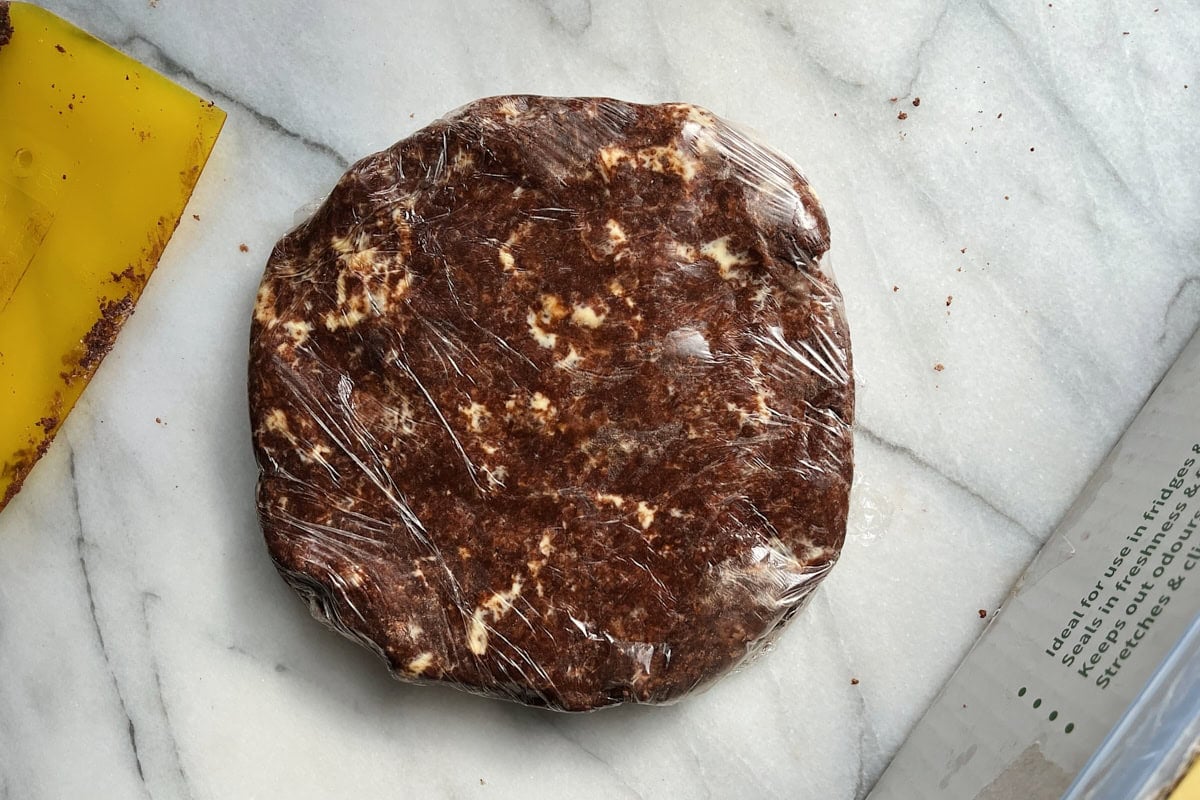
Firkser explains the deliberate, yet ultimately constrained, nature of her cookbook’s content. "As you’ve probably assumed, it’s all about galettes, the rustic open-faced pastry baked freeform on a sheet pan," she writes. "With 50-plus sweet and savory recipes, one might think nothing possibly could be missing in its pages when it comes to the topic of galettes. There is, however, no variation of the book’s crust recipe made with sourdough starter discard. An accidental omission? Certainly not! There was simply a page limit, and I had to cut myself off somewhere." The inherent connection between sourdough starter (flour and water) and pastry, however, made it a natural next step for Firkser to share this adaptation.
The Sourdough Discard Advantage
Sourdough starter discard, the unfed portion of a sourdough starter, is a common byproduct for bakers maintaining their own starters. Typically rich in fermented flour and water, it possesses a subtle tang and a complex flavor profile that can enhance baked goods. Maurizio, already a proponent of incorporating sourdough discard into various baking endeavors, recognized the potential of this ingredient in a galette crust. His existing "sourdough pie crust recipe" on The Perfect Loaf, which he notes works "wonderfully in galettes," provided a foundation. However, the goal was to create a variation that offered distinct flavor and texture.
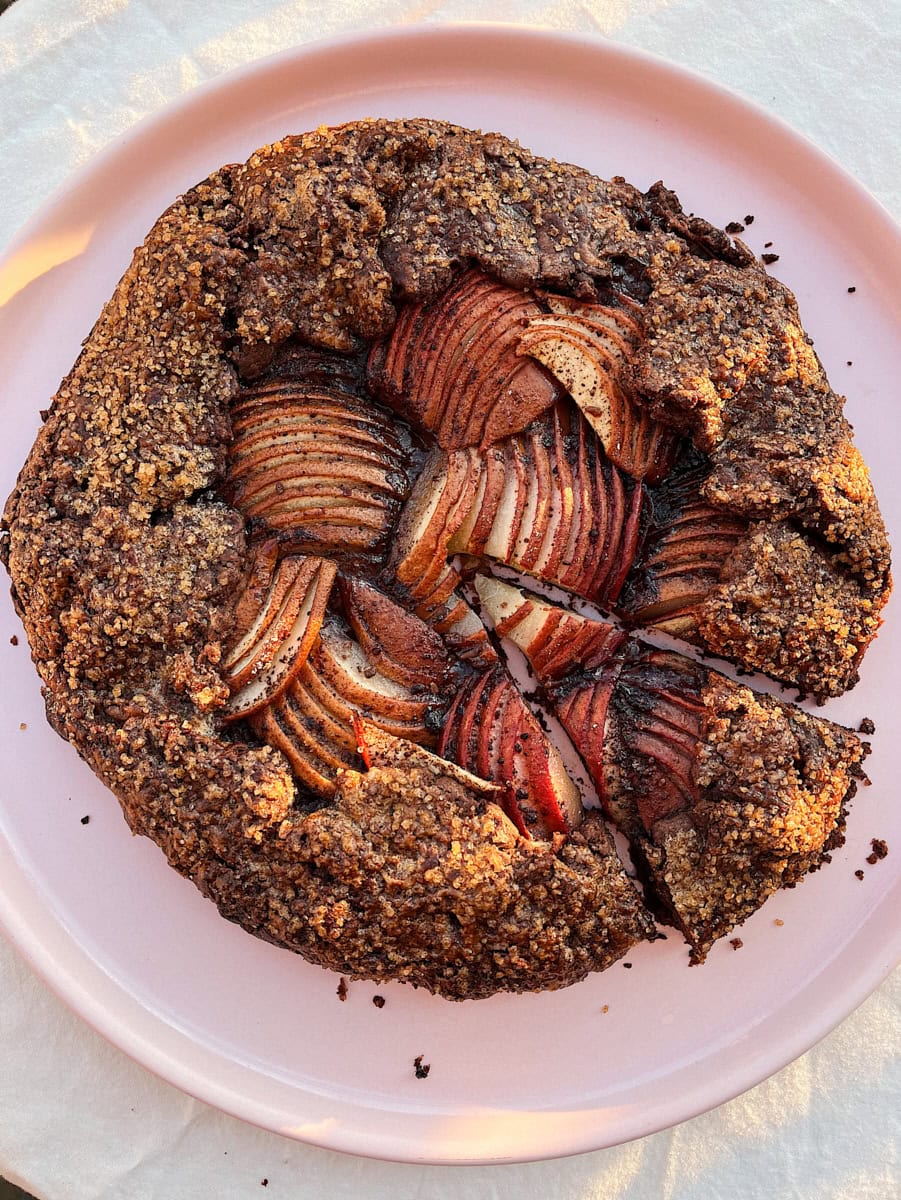
The "A Good Crust With Sourdough Discard and Cocoa" recipe is an adaptation of Firkser’s base crust recipe from Galette!, which features several other grain and flavor variations. The decision to focus on cocoa was driven by Firkser’s own experimentation. "I decided to adapt the latter to share here, so please meet A Good Crust With Sourdough Discard and Cocoa," she announces.
The Alchemy of Cocoa and Sourdough
The integration of cocoa powder into the galette crust presents unique culinary considerations. "My crust recipe is made with all-purpose flour (AP), and to adapt it to incorporate some cocoa powder, I reduced some, but not tons, of the AP," Firkser explains. Cocoa powder, unlike flour, is not a grain and possesses a distinct absorptive quality. "Cocoa, which is not a grain, actually absorbs more liquid than flour, so you may need to add a bit more water to properly hydrate the dough, but not too much as it can quickly get sticky and hard to work with," she cautions.
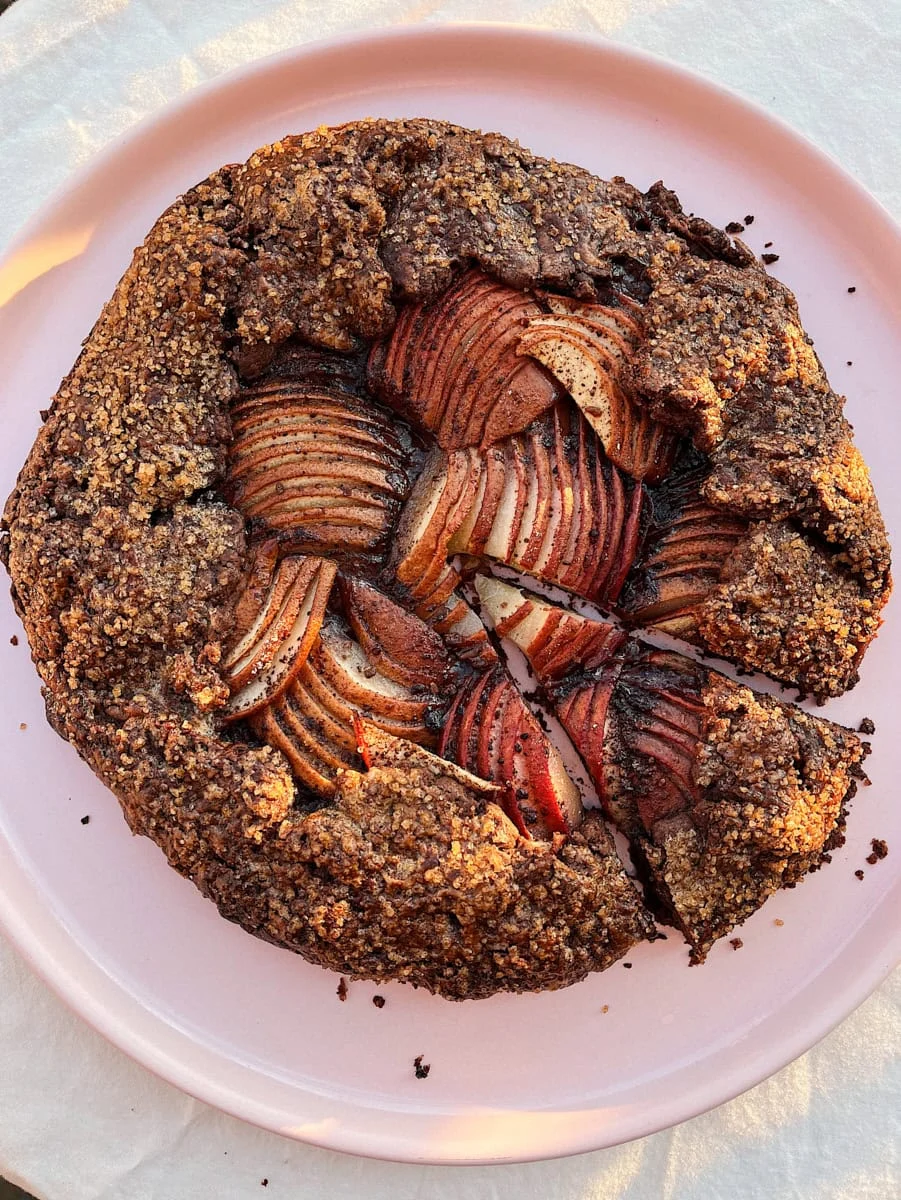
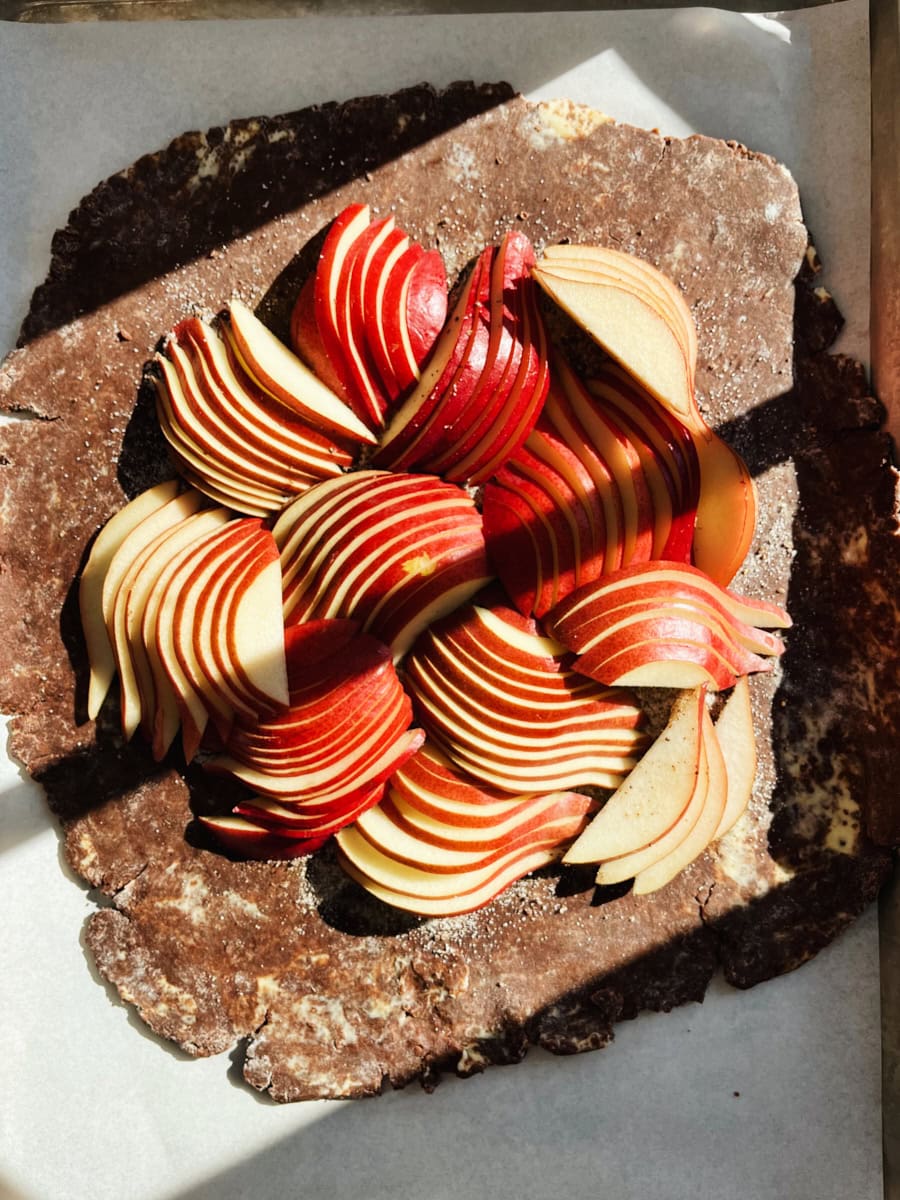
In Firkser’s adaptation, a "scant ¼ cup (25 grams to be exact)" of all-purpose flour is replaced with "30 grams (¹⁄₃ cup) natural or Dutch-process cocoa powder." This ratio is designed not to create an overtly chocolatey flavor, but rather to impart a "toasty-fruity bitterness." This nuanced flavor profile is particularly well-suited for pairings with autumnal fruits, as exemplified by the accompanying photographs showcasing a Pear with Sumac and Ginger galette from Firkser’s book.
Technical Considerations for a Perfect Crust
The creation of a smooth and evenly incorporated cocoa crust requires attention to detail. Firkser emphasizes the importance of sifting the cocoa powder. "Cocoa powder tends to clump up, which no one wants in their delicate galette dough," she states. "To mitigate this, sift the cocoa before adding it to the dry ingredients." She advises measuring the cocoa and then passing it through a fine-mesh sieve. Should a baker forget this step, she offers a practical solution: "get into the dry mix with your hands before adding the butter to break up any pebbles of cocoa."
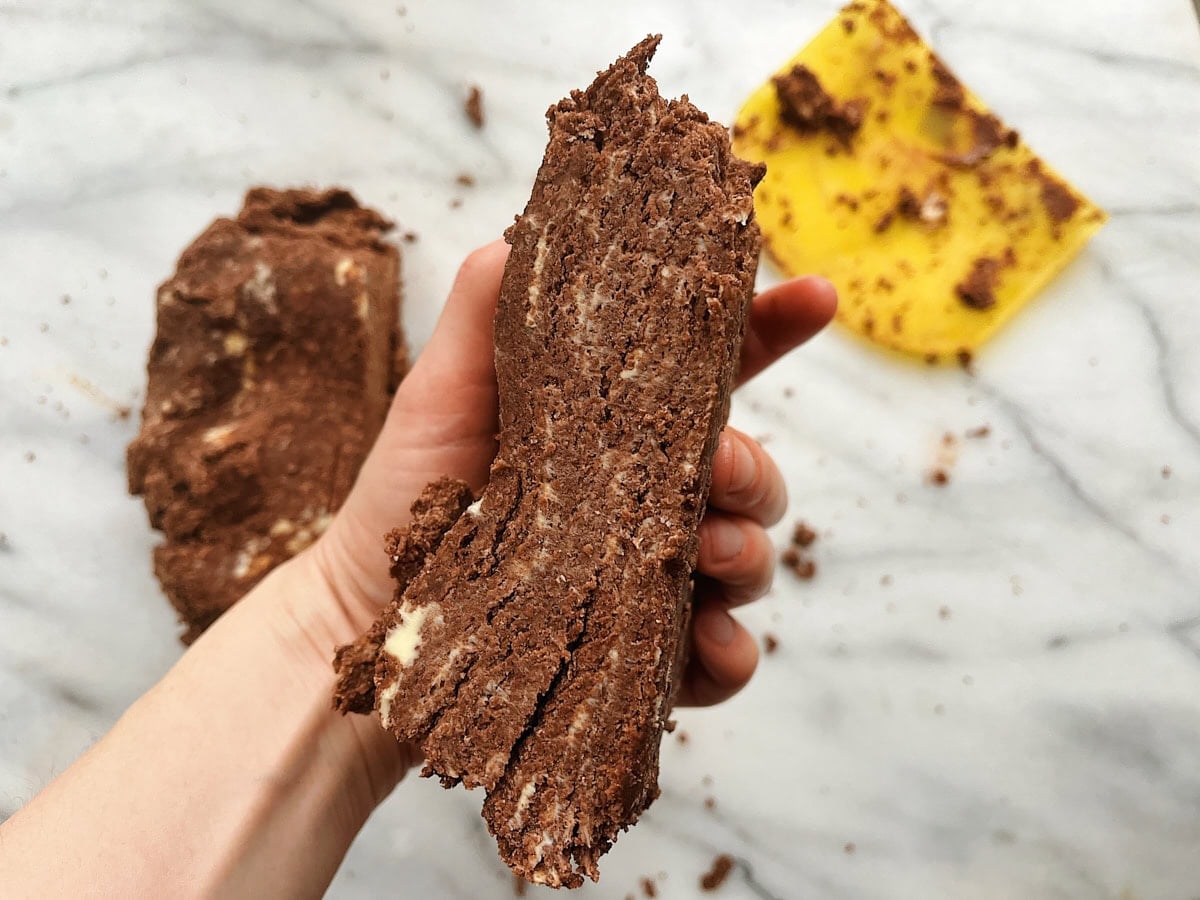
The choice of butter also plays a role in pastry texture. Firkser acknowledges the distinct characteristics of both American and European-style butters. American butter, while generally more affordable, has a slightly higher water content, resulting in a less rich flavor. However, its lower fat content can make it more pliable and easier to work with for less experienced bakers, as it remains firmer. European-style butter, conversely, offers a richer flavor due to its higher fat content but is softer and more prone to becoming sticky, especially in warmer kitchen environments, potentially requiring additional chilling time for the dough. For this recipe, Firkser notes that the butter is used as-is, without the browning often employed in other sourdough discard recipes to reduce water content.
The Delicate Balance of Hydration
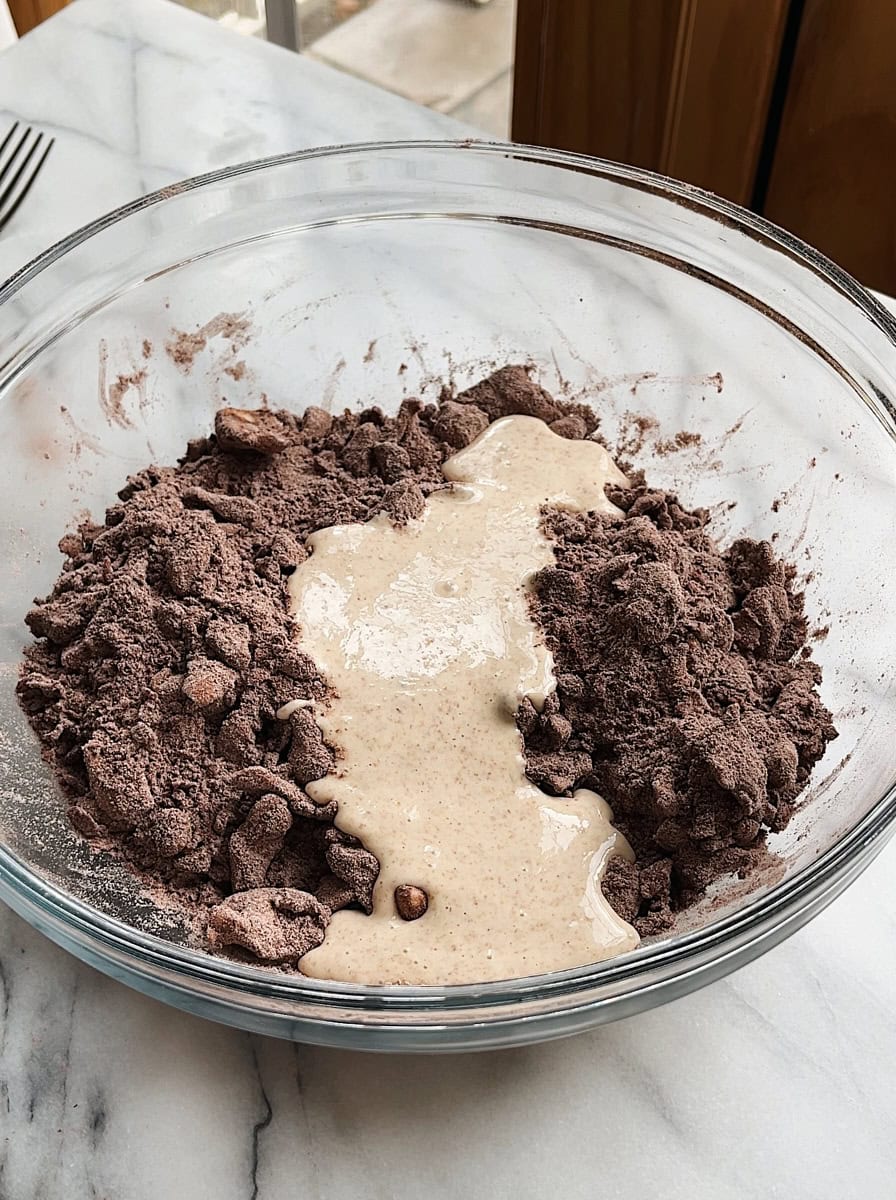
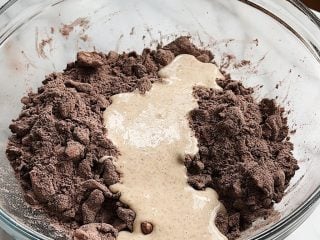
The precise incorporation of sourdough starter discard and water is critical for achieving the desired galette crust consistency. Firkser details her experimentation with various ratios. "You can push the starter discard amount up to 138 grams (½ cup plus 2 tbsp), adding very little additional water," she reports. Conversely, the dough also functions with as little as "55 grams (¼ cup)" of discard. She anticipates that a cocoa crust may be "slightly less flaky and a bit more delicate than one made with all-grain flours, but it will be no less successful."
The hydration aspect is further underscored by the need to add water judiciously. As Firkser reiterates, "cocoa powder hydrates differently than all-purpose flour, so it craves more liquid; but add even a splash too much and the dough can get sticky." She estimates that the dough will likely require "about 14 grams (1 tablespoon)" of additional water. The variability in water needs, she explains, is influenced by numerous factors, including room temperature, butter type, and even the specific brand of flour and cocoa used. Therefore, a gradual addition of water is paramount, with the possibility that the full tablespoon may not be needed, or conversely, a touch more might be beneficial.
Pairings and Versatility
The subtle cocoa notes in the crust lend themselves to a wide array of fillings, particularly those with sweet profiles. Firkser suggests several seasonal pairings from her cookbook, including Pear with Sumac and Ginger, Gingery Cranberry Sauce, and Crumble-Topped Kabocha Squash for autumn. For winter, she recommends Creamy Pistachio and Citrus or Cocoa and Toasted Pecan. Spring brings Apricot and Pepita-Sesame Frangipane, while summer is ideal for Blue and Black Berries. While the cocoa crust is not overtly chocolatey, Firkser advises against its use with savory fillings, noting that they "aren’t as good with this crust."

Broader Implications for Home Bakers
The collaboration between Firkser and Maurizio represents more than just a single recipe; it signifies a continued evolution in home baking, particularly within the burgeoning sourdough community. The accessibility of sourdough starter discard as a culinary ingredient encourages bakers to minimize waste and explore new flavor dimensions in their baking. The detailed explanations and troubleshooting tips provided in the article, such as the FAQ section addressing the use of different cocoa types, heritage grains, and the reasons for a potentially crumbly texture, empower bakers of all skill levels to successfully recreate the recipe.
The article also touches upon the broader appeal of galettes as an approachable yet elegant pastry. Their freeform nature eliminates the need for precise pie dishes, making them forgiving and adaptable. By introducing a sourdough and cocoa element, this recipe further expands the creative possibilities, allowing bakers to personalize their creations with a unique flavor profile.
Looking Ahead
For those seeking a more traditional galette or pie experience, Maurizio directs readers to his "flaky sourdough discard pie crust" recipe. The article concludes with a strong endorsement for Firkser’s Galette!, encouraging readers to acquire a copy to further explore the art of galette making. This collaborative effort underscores the shared passion for quality baking and the continuous innovation within the culinary world, offering enthusiasts a delightful new way to engage with both sourdough and the beloved galette.