
The art of efficient holiday baking often hinges on the simple brilliance of slice-and-bake cookies. This universally beloved method offers a streamlined approach to producing generous batches of treats, making it an ideal strategy for busy home bakers preparing for festive gatherings. The inherent ease of preparing the dough, often requiring minimal equipment and allowing for staggered preparation, positions these cookies as a cornerstone of holiday traditions. A prime example of this practicality and deliciousness is the emergence of simple vanilla slice-and-bake sourdough discard cookies, a recipe that promises to elevate any holiday cookie spread with its nuanced flavor and straightforward execution.
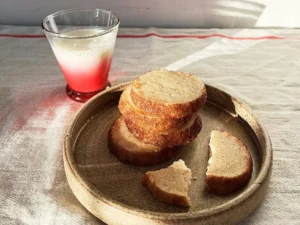
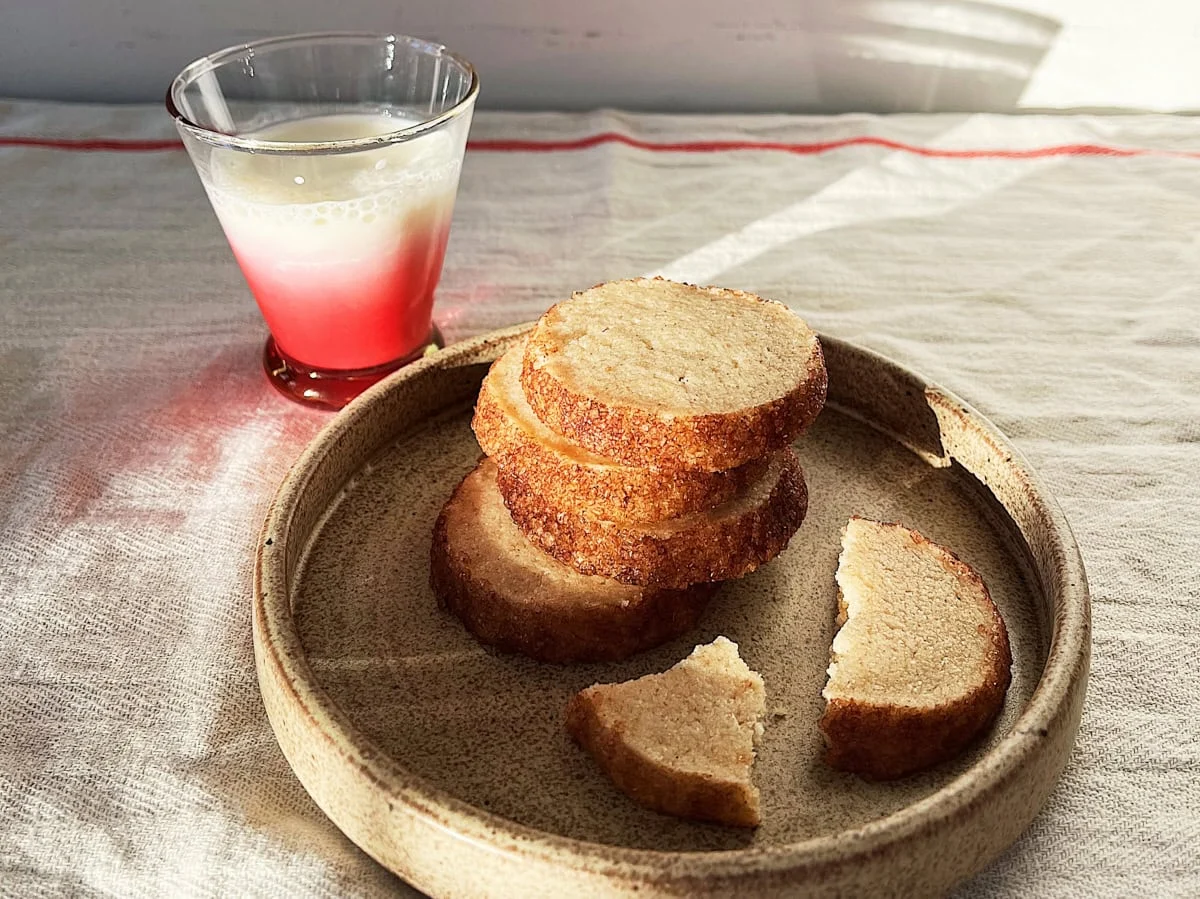
The appeal of these particular cookies, christened "cinnamon toast" cookies by their creator, lies in their nostalgic flavor profile. A generous coating of Demerara sugar and cinnamon envelops a buttery, slightly tangy dough, evoking the comforting taste of a beloved breakfast treat. While they may not boast the elaborate decorations of some of their holiday counterparts, their inherent deliciousness ensures they will be rapidly devoured, proving that classic flavors often reign supreme. This recipe addresses the common challenges of cookie making by focusing on simplicity without compromising on taste, a philosophy particularly relevant during the demanding holiday season.
Rethinking Cookie Ratios for Optimal Texture
A fundamental aspect of achieving the desired texture in slice-and-bake cookies involves a careful consideration of ingredient ratios. The traditional cookie ratio, often cited as one part sugar, two parts butter, and three parts flour by weight, can sometimes result in a dough that is excessively stiff and floury, especially in recipes that do not rely on eggs for chewiness or aeration. This particular recipe deviates from this standard, adopting a more balanced approach to achieve a superior texture.
The refined ratio in this recipe utilizes 250 grams (approximately 2 cups) of all-purpose flour, augmented by an additional 35 grams derived from sourdough starter discard. This results in a ratio of sugar (150 grams) to butter (226 grams) to flour that leans towards 1 : 1.5 : just under 2. This adjustment ensures a dough that is tender and yielding, yet sturdy enough to maintain its shape during slicing and baking. The inclusion of sourdough discard not only contributes to the flavor profile but also subtly impacts the dough’s structure, lending a desirable slight tang and a more complex crumb.
The Impact of High-Quality Ingredients
In recipes where the ingredient list is intentionally kept short, the quality of each component becomes paramount. For these sourdough discard cookies, the choice of butter is particularly significant. The recipe advocates for using high-quality butter, with European-style butter, known for its higher fat content and richer flavor, being a recommended option. This premium ingredient lends a more pronounced buttery richness to the finished cookie, a characteristic that is readily apparent due to the simplicity of the overall flavor profile. The nuances of good butter elevate the cookie from a simple treat to a sophisticated indulgence.
The Subtle Contribution of Sourdough Starter Discard
The inclusion of sourdough starter discard is a key element that sets these cookies apart. While traditional shortbread-style cookies often eschew water content, the sourdough discard introduces a controlled level of hydration. This element contributes to the dough’s tender texture and imbues it with a subtle, pleasing tang that complements the sweetness of the sugar and the warmth of the cinnamon. The recipe does not require browning the butter to evaporate excess moisture, as is sometimes done in other sourdough discard cookie recipes to manage water content. Instead, the inherent moisture from the discard is managed through careful ingredient balancing and baking times. This approach simplifies the process while still harnessing the unique benefits of sourdough discard.
Exploring Flavor Enhancements and Variations
While the classic vanilla and cinnamon toast profile is undeniably appealing, the recipe offers ample opportunities for creative flavor exploration. The dough itself can be enhanced with various additions to cater to diverse palates. Citrus zest, such as lemon, grapefruit, or orange, can introduce a bright, zesty counterpoint to the richness of the butter. Alternative extracts like rose water, orange flower water, or almond extract can be substituted for or added to vanilla, offering a more complex aromatic dimension. For those seeking deeper, more savory undertones, a touch of toasted sesame oil can impart a delightful roasty-toasty character.
Texture can also be manipulated through the incorporation of chopped chocolate or toasted nuts. For an intriguing twist on the classic cookie, instant coffee or espresso, powdered teas like matcha and hojicha, or even finely ground tea leaves such as Earl Grey can be incorporated into the dough. These additions transform the cookies into sophisticated flavor vehicles, suitable for a more adventurous cookie swap or discerning palate. The FAQ section provides specific measurement guidance for these flavor additions, ensuring successful integration into the recipe.
Practical Baking Considerations: Tools and Techniques
The preparation of the cookie dough is facilitated by the use of an electric mixer, whether a hand-held beater or a stand mixer. This equipment efficiently creams the butter and sugar, forming the crucial base of the dough. However, for those with the physical strength and inclination, the dough can also be successfully prepared by hand, highlighting the recipe’s accessibility. The article even offers a specific recommendation for a high-quality hand mixer, suggesting it as a valuable tool for bakers.
A critical step in ensuring the success of slice-and-bake cookies, particularly those with a higher butter-to-flour ratio, is adequate chilling of the dough. The dough’s inherent softness and pliability can lead to excessive spreading during baking if not properly chilled. Refrigerating the dough for a minimum of two hours solidifies the butter, which in turn helps the cookies maintain their neat, rounded shape. This chilling period is essential for achieving the desired visual appeal and preventing the cookies from becoming overly flat.
The Finishing Touch: Cinnamon Sugar and Baking Precision
The signature "cinnamon toast" flavor is achieved through a simple yet effective coating of Demerara sugar and cinnamon applied to the exterior of the cookies. This provides a delightful textural contrast and a burst of sweet, spiced flavor with every bite. For those looking to experiment, alternative spices like ground cardamom or sumac can offer unique flavor profiles. Toasted white or black sesame seeds can also be incorporated into the coating for an added layer of nuttiness and visual interest.
Baking time is another crucial element that requires careful attention. Due to the presence of water from the sourdough starter, these cookies may not develop the same deep coloration on top as other cookie varieties. This necessitates a focus on the bottom of the cookie for doneness cues. Undercooking can lead to a less desirable texture compared to a perfectly baked cookie. Therefore, the recipe advises baking for at least 14 minutes, ensuring that the cookies are adequately set and cooked through. This extended baking time, while seemingly longer than expected, is crucial for achieving the optimal texture and preventing a doughy interior.
Frequently Asked Questions and Expanded Flavor Possibilities
The FAQ section addresses common queries, providing further depth and guidance for bakers. It reiterates the versatility of flavorings, offering specific suggestions for citrus zest, extracts, and even savory additions like toasted sesame oil. The inclusion of alternative flours, such as whole wheat, rye, spelt, buckwheat, or cornmeal, is also detailed, allowing for customization based on dietary needs or flavor preferences. This expansion of the base recipe empowers bakers to create a truly personalized cookie experience.
Concerns regarding dough storage are also addressed, with a recommendation against using beeswax-based reusable wraps due to potential flavor transfer. Instead, parchment paper is suggested as a reliable alternative. Furthermore, the article provides detailed instructions for freezing sliced cookies, a practical tip for making ahead and enjoying homemade treats throughout the holiday season and beyond. The ability to freeze and bake from frozen extends the shelf life and convenience of these delicious cookies.
The question of achieving perfectly round cookies is also tackled. While minor imperfections in shape are celebrated as part of the homemade charm, a simple technique involving a glass or round cutter is offered as a solution for those seeking absolute uniformity. This demonstrates a commitment to providing comprehensive guidance for all levels of baking expertise.
Looking Ahead: A World of Sourdough Discard Creations
The exploration of sourdough discard in baking extends far beyond cookies. The article encourages readers to delve into a broader collection of sourdough starter discard recipes, promising a wealth of options for cakes, brownies, and other delightful baked goods. This positions the humble sourdough discard not as a byproduct, but as a valuable ingredient capable of transforming everyday recipes into something extraordinary. The embrace of sourdough discard reflects a growing trend in home baking towards utilizing all aspects of ingredients, minimizing waste, and fostering a deeper connection with the culinary process. The "cinnamon toast" sourdough discard cookies serve as an inviting gateway into this flavorful and sustainable world of baking.