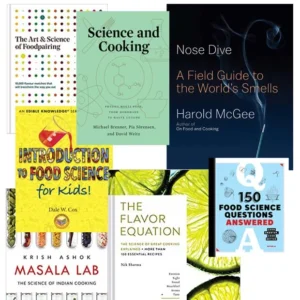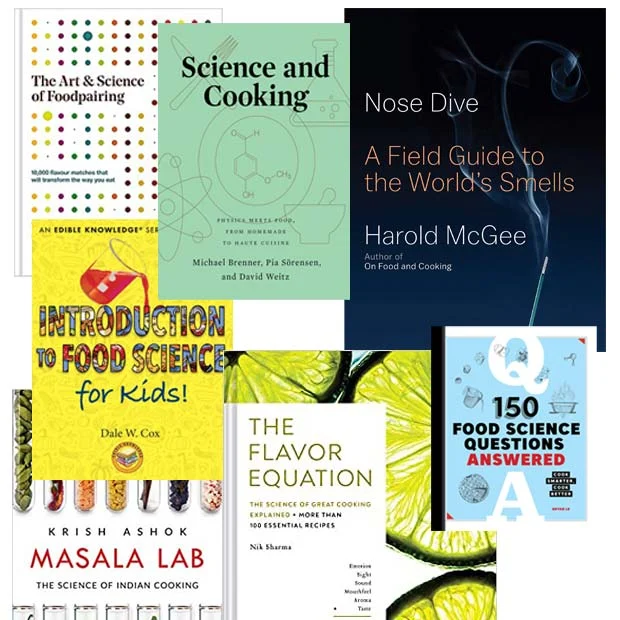

After an extended hiatus from active blogging, the revered Khymos platform has made a notable return, presenting a meticulously curated list of books from 2020 that underscore the intricate and fascinating intersection of food and science. This latest collection, the first set of recommendations since 2013, reaffirms Khymos’s long-standing commitment to exploring the scientific underpinnings of culinary practices, offering readers a rich tapestry of knowledge ranging from the chemistry of flavor to the physics of cooking, and even an introduction to food science for children. The blog’s re-engagement with this niche highlights a sustained and growing public appetite for understanding the "why" behind what we eat, transforming the kitchen into a vibrant laboratory for discovery.
The Resurgence of Culinary Science: A Look at 2020’s Top Picks
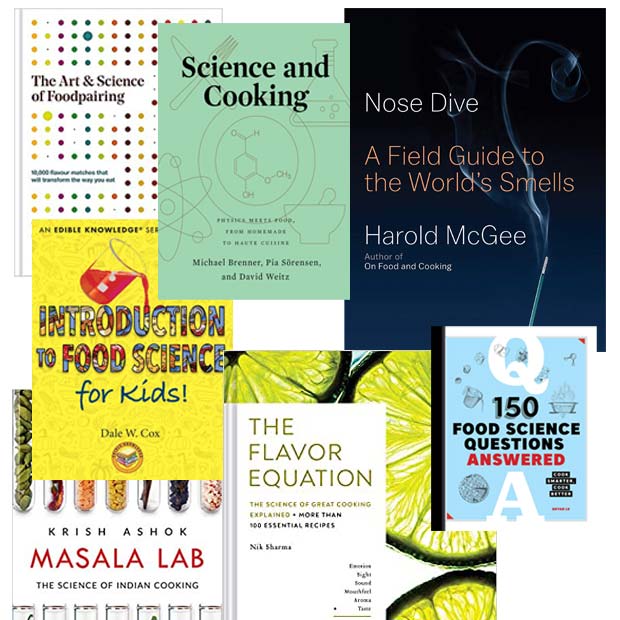
The year 2020, despite its global challenges, proved to be a fertile ground for significant contributions to the food science literature. Khymos’s selection of seven pivotal works demonstrates a diverse yet cohesive approach to making complex scientific concepts accessible and applicable to both professional chefs and home cooks. These books collectively represent a burgeoning field where academic rigor meets practical application, democratizing knowledge that was once confined to specialized laboratories or high-end culinary institutions. The selections not only offer theoretical insights but also often integrate recipes and practical advice, ensuring that the scientific understanding translates directly into enhanced culinary experiences.
Deep Dive into the 2020 Selections
The recommended titles span a wide spectrum, each contributing uniquely to the discourse on culinary science.
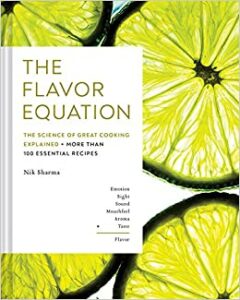
1. The Flavor Equation by Nik Sharma
Nik Sharma’s The Flavor Equation, a 352-page tome published in 2020, stands out for its innovative approach to integrating scientific principles directly into recipes. Sharma, a former molecular biologist turned food writer and photographer, brings a unique perspective to understanding flavor. The book features approximately 100 recipes, each accompanied by a section titled "The Flavor Approach," which provides concise scientific explanations for the culinary techniques and ingredient pairings employed. This method allows readers to grasp the underlying science without being overwhelmed, fostering an intuitive understanding of how different elements contribute to the overall flavor profile. Sharma’s emphasis on metric units is a practical bonus, catering to a global audience and aligning with scientific precision. Critics have lauded Sharma for his ability to demystify complex concepts, making the science of taste and aroma not just comprehensible but also highly engaging. His previous works, such as Season, have already established him as a voice that skillfully blends art, science, and personal narrative in the culinary space. The Flavor Equation further solidifies his reputation as a pioneer in translating scientific inquiry into delectable results.
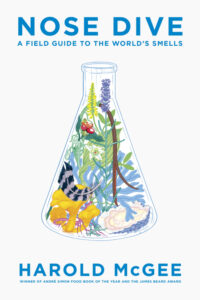
2. Nose Dive: A Field Guide to the World’s Smells by Harold McGee
Harold McGee, widely recognized as a foundational figure in modern food science writing, delivered another magnum opus in 2020 with Nose Dive: A Field Guide to the World’s Smells. Spanning an impressive 688 pages, this book is a comprehensive exploration of olfaction, extending far beyond the realm of food. McGee’s seminal work, On Food and Cooking: The Science and Lore of the Kitchen, published in 1984, is credited by many, including the Khymos blogger, for igniting interest in the scientific aspects of food. Nose Dive delves into the volatile molecules responsible for scents found in nature, industry, and, of course, the kitchen. While the book meticulously names these chemical compounds, McGee’s accessible writing style ensures that the scientific detail enhances rather than detracts from the reader’s understanding. This book is not merely a catalog of smells; it is an immersive journey into how we perceive the world through our noses, profoundly influencing our appreciation of food and drink. Its publication underscored the critical role of aroma in our sensory experience, a factor often overlooked in discussions primarily focused on taste. The book’s depth and breadth reinforce McGee’s status as a leading authority in food chemistry and sensory perception.
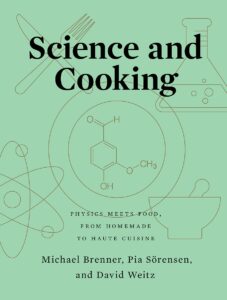
3. Science and Cooking: Physics Meets Food, From Homemade to Haute Cuisine by Michael Brenner, Pia Sørensen, and David Weitz
Born from the highly acclaimed "Science and Cooking" course at Harvard University, this 320-page book by Michael Brenner, Pia Sørensen, and David Weitz translates a decade of innovative teaching into a comprehensive text. The Harvard course, initiated ten years prior to the book’s publication, became a global phenomenon, featuring lectures by renowned chefs, scientists, and authors who explored the fascinating nexus of science and gastronomy. Many of these lectures are freely available on YouTube, providing an invaluable resource for enthusiasts worldwide. The authors, with backgrounds spanning applied mathematics, chemistry, and physics, masterfully integrate these diverse scientific disciplines with culinary topics. The book meticulously explains concepts such as heat transfer, emulsion stability, and phase transitions, all illustrated with practical recipes. This interdisciplinary approach highlights how fundamental scientific principles govern everyday cooking processes and sophisticated haute cuisine techniques alike. The inclusion of metric units further emphasizes its scientific precision and broad appeal. Science and Cooking serves as both an educational text and a practical guide, bridging the academic world with the culinary arts in an exceptionally engaging manner.
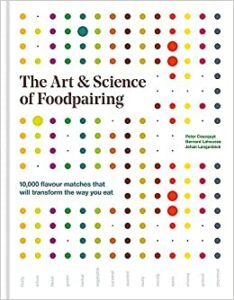
4. The Art and Science of Foodpairing by Peter Coucquyt, Bernard Lahousse, and Johan Langenbick
The concept of food pairing, though sometimes controversial, has been a significant area of interest for the Khymos blog, as evidenced by past interviews with Bernard Lahousse and reports from "The Flemish Primitives" conferences. In 2020, Peter Coucquyt, Bernard Lahousse, and Johan Langenbick distilled years of research and application by their company, Foodpairing, into a 388-page book. The core idea behind food pairing is that ingredients with shared aroma compounds are likely to combine harmoniously, leading to novel and often surprising flavor combinations. While critics have debated the extent to which this molecular-level analysis dictates culinary success—arguing that cultural context, texture, and personal preference also play crucial roles—the Foodpairing methodology offers a systematic, data-driven approach to ingredient combination. The book meticulously details the science behind aroma profiles and provides practical inspiration for chefs and home cooks seeking to innovate. It acknowledges that while science provides a framework, the ultimate artistry lies in the chef’s creative interpretation. The Art and Science of Foodpairing therefore stands as a testament to how scientific investigation can broaden the horizons of culinary creativity, pushing boundaries and inspiring new taste experiences.
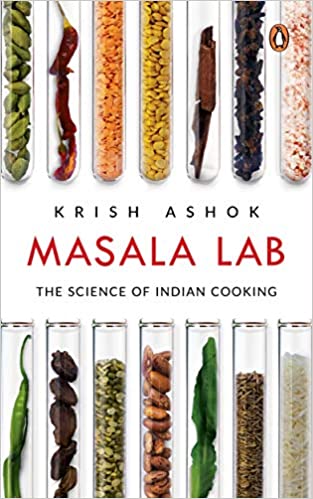
5. Masala Lab by Krish Ashok
A particularly exciting recommendation is Krish Ashok’s Masala Lab, a 280-page book from 2020 that applies a scientific lens to regional cuisines, specifically Indian food. The Khymos blogger expressed particular delight at this development, noting the importance of extending scientific inquiry beyond Western culinary traditions. Krish Ashok, an electronic and software engineer, brings an analytical and curious mind to the kitchen, dissecting traditional Indian cooking methods to explain the underlying chemical and physical transformations. This book represents a significant step towards a more universal understanding of culinary science, demonstrating that principles of heat, molecular interaction, and ingredient properties are globally applicable. While its availability was initially limited primarily to Amazon in India, its emergence signals a growing trend of scientifically informed approaches to diverse culinary heritages. Masala Lab not only demystifies complex Indian cooking techniques but also empowers cooks to innovate within the tradition by understanding the science behind the art, potentially inspiring similar explorations into other global cuisines.
6. 150 Food Science Questions Answered: Cook Smarter, Cook Better by Bryan Le
Bryan Le’s 150 Food Science Questions Answered: Cook Smarter, Cook Better, a concise 198-page volume from 2020, offers an accessible entry point for those new to the scientific aspects of cooking. Structured as a series of engaging Q&As, the book covers fundamental topics such as cooking basics, flavor principles, and the main groups of ingredients. A dedicated chapter on food safety and storage further enhances its practical utility. This format makes the book an excellent reference guide, allowing readers to quickly look up specific queries while also encouraging casual browsing. The Khymos blogger suggests it as an ideal resource for anyone seeking to cultivate a scientific mindset in the kitchen. Its straightforward language and practical focus ensure that readers can immediately apply the learned principles to improve their cooking skills and understanding. It acts as a bridge, making scientific knowledge digestible and directly actionable for everyday culinary challenges.
7. Introduction to Food Science for Kids!: A Kitchen-Based Workbook by Dale W Cox
Rounding out the 2020 recommendations is Dale W Cox’s Introduction to Food Science for Kids!: A Kitchen-Based Workbook. This 112-page book, as its title clearly indicates, targets a younger audience, introducing children to fundamental chemical and physical concepts through the engaging medium of kitchen experiments. The kitchen is indeed a perfect environment for hands-on STEM (Science, Technology, Engineering, and Mathematics) education, transforming everyday cooking into an exciting scientific adventure. This book highlights the critical importance of fostering scientific curiosity from an early age, demonstrating that science is not confined to laboratories but is an integral part of daily life. By engaging children in kitchen-based activities, the workbook aims to make abstract scientific principles tangible and fun, potentially sparking a lifelong interest in science and cooking. Its inclusion in the list underscores the broad appeal and educational potential of food science literature across all age groups.
The Evolution of Khymos’s Culinary Science Journey
The re-emergence of Khymos’s book recommendations in 2020, following a seven-year gap since its 2013 list, underscores the blog’s enduring influence and the continued growth of the food science genre. Since its inception, Khymos has been a consistent voice advocating for a scientific approach to food, often highlighting niche publications and groundbreaking research that might otherwise escape the notice of the mainstream culinary world. The blogger’s personal connection to figures like Harold McGee, whose work ignited a passion for the field, illustrates the ripple effect of such pioneering authors. This latest compilation of 2020 releases not only updates readers on current trends but also serves as a testament to the Khymos blog’s role as a trusted curator of scientific culinary knowledge. The implicit promise of forthcoming highlights from the intervening years (2014-2019) further excites long-time followers, indicating a renewed vigor in sharing insights from this dynamic field. The blog’s history reflects a consistent effort to bridge the academic rigor of scientific research with the practical, creative world of cooking, making complex ideas accessible and inspiring.
The Broader Impact of Culinary Science Literature
The collection of books recommended by Khymos in 2020 illustrates the profound and multifaceted impact of culinary science literature. These works collectively contribute to:
- Democratization of Knowledge: By translating complex scientific principles into understandable language and practical applications, these books make advanced culinary and scientific knowledge accessible to a broader audience, from amateur cooks to seasoned professionals.
- Elevation of Culinary Arts: Understanding the science behind cooking allows chefs and home cooks to move beyond rote recipes, fostering innovation and precision. It transforms cooking from a purely intuitive art into a scientifically informed craft, leading to more consistent, reproducible, and creative results.
- Enhanced Sensory Experience: Books like Nose Dive deepen our appreciation for the intricate mechanisms of flavor perception, encouraging a more mindful and sophisticated engagement with food.
- Educational Innovation: The Harvard "Science and Cooking" initiative and the children’s workbook exemplify how culinary science can be a powerful pedagogical tool, making STEM subjects tangible and exciting for students of all ages.
- Cultural Preservation and Innovation: Masala Lab demonstrates the potential for applying scientific inquiry to diverse culinary traditions, not only preserving traditional knowledge but also fostering new adaptations and innovations within those frameworks.
- Informed Consumer Choices: A greater understanding of food science, particularly in areas like food safety and ingredient properties, empowers consumers to make more informed choices about what they eat and how they prepare it.
The Future of Food Science Communication
The consistent output of high-quality books in 2020, as highlighted by Khymos, signals a robust and evolving landscape for food science communication. As public interest in health, sustainability, and the origins of food continues to grow, the demand for scientifically grounded culinary information is likely to intensify. Future trends may include further specialization into specific ingredients or techniques, more interactive digital resources, and an increasing focus on the cross-cultural application of food science principles. The work of platforms like Khymos remains crucial in navigating this rich and expanding field, guiding readers toward resources that are both scientifically sound and culinarily inspiring. The integration of scientific thought into the everyday act of cooking is not just a passing trend but a fundamental shift towards a more informed, precise, and enjoyable culinary future.