
After a significant hiatus, a blogger has returned to share an enduringly effective, low-technology approach to household management: a meticulously developed, paper-based system for weekly meal planning and grocery shopping. This method, refined over six years, highlights a powerful counter-narrative to the pervasive digital solutions, emphasizing simplicity, clarity, and adaptability in navigating the complexities of modern domestic life. The system’s creator, despite a period of blogging inactivity, attests to its consistent utility in maintaining culinary engagement and efficiency amidst a busy schedule. This article delves into the intricacies of this analog system, examining its origins, benefits, and broader implications for household economics, time management, and mental well-being.
The Genesis and Evolution of an Efficient System
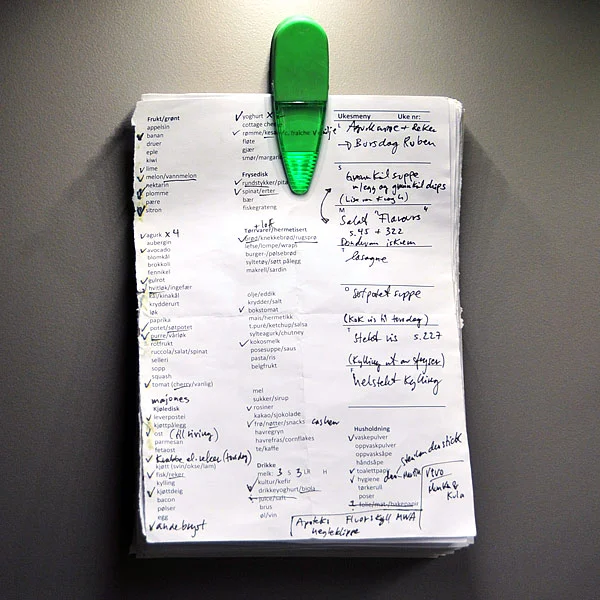
The core of this practical methodology lies in a generic, reusable grocery list, systematically organized by food categories and mirroring the layout of a local supermarket. This foundational list serves as a dynamic template, allowing for weekly customization by simply ticking off needed items and adding specific notations. The genesis of this system dates back over six years, during which it has undergone continuous refinement to align with the evolving dietary preferences of the family and the availability of products in their local store. This iterative process underscores a key principle: the most effective systems are those that are organic and responsive to real-world needs, rather than rigidly prescribed.
Initially conceived to streamline the often-tedious task of weekly grocery shopping, the system’s longevity and success are attributed to its direct addressal of common household pain points. The creator, primarily responsible for shopping, typically undertakes this chore only once a week. This disciplined approach necessitates comprehensive planning, which the generic list facilitates by minimizing the cognitive load associated with generating a new list from scratch each time. The strategic organization by store layout is a subtle yet significant detail, designed to optimize the physical shopping experience, reduce wandering, and prevent forgotten items, thereby saving both time and mental energy in the aisles.
The Enduring Superiority of Paper in a Digital Age
In an era dominated by a proliferation of digital apps for nearly every conceivable task, the proponent of this system makes a compelling case for the continued relevance and superior functionality of paper. The "superb resolution" of paper, as described, refers to its ability to present a full overview of both the weekly menu and the entire shopping list on a single, compact A5-sized sheet. This immediate, comprehensive visual access stands in stark contrast to digital interfaces, which often require scrolling, swiping, or navigating between different screens, potentially disrupting cognitive flow and overall comprehension.
Research into human cognition often supports the benefits of physical interaction with information. Studies suggest that writing information down by hand can lead to better memory retention and deeper processing compared to typing. The act of physically ticking off items on a paper list engages a different part of the brain, reinforcing the task completion and providing a tangible sense of progress. Furthermore, paper offers unparalleled flexibility: it can be folded and slipped into a pocket, instantly accessible without the need for unlocking a phone, worrying about battery life, or navigating app interfaces in potentially challenging environments like a busy supermarket. The ample space for notes, and the option to utilize the back of the sheet, further enhances its adaptability for specific product details, price comparisons, or impromptu additions.
Beyond immediate utility, the archiving capability of paper lists offers a practical mechanism for continuous improvement. By printing multiple copies (e.g., 10 or 20 at a time), the user can easily review past weeks’ lists when reprinting, identifying items that have become redundant or new staples that warrant inclusion. This iterative review process ensures the list remains current and relevant. For instance, the creator notes how certain items entered the list when children were younger and have since been removed, reflecting the natural evolution of family life and dietary needs. This dynamic adaptation underscores that the list is a living document, a "work-in-progress" that no two individuals will ever find identical, perfectly tailored to their unique circumstances.
Integrating Menu Planning: A Strategic Reminder
A critical component of this integrated system is the inclusion of the weekly menu directly on the grocery list. For recipes sourced from cookbooks, a simple page number often suffices, relying on the user’s familiarity with their culinary library. This direct juxtaposition of menu and shopping items serves a dual purpose. Firstly, it ensures that all necessary ingredients for planned meals are accounted for during the shopping trip. Secondly, and perhaps more subtly, it acts as an additional cognitive prompt while in the grocery store. A quick glance at the menu can frequently trigger memories of small, easily overlooked items that might otherwise be forgotten, thereby enhancing the accuracy and completeness of the shopping expedition. This strategic integration minimizes the need for mental gymnastics in-store, reducing stress and increasing efficiency.
Navigating the Modern "Tidsklemma": Planning vs. Spontaneity
The system’s advocacy for weekly meal planning directly addresses a prevalent challenge in contemporary life, particularly in countries like Norway, where the concept of "tidsklemma" is widely recognized. While there isn’t a direct English translation, "tidsklemma" encapsulates the intense pressure and feeling of being squeezed for time due to the demands of a full-time job and family obligations. This state of perpetual time scarcity often leaves little room for spontaneous, inspiration-driven cooking, which, while appealing in theory, becomes impractical for many households.
For individuals contending with "tidsklemma," a structured approach to meal planning becomes not a constraint but a liberator. By pre-determining meals for the week, households reduce daily decision fatigue—the mental exhaustion that accumulates from making numerous choices throughout the day. This planning ensures that healthy, home-cooked meals are a consistent feature, rather than a luxury dependent on fleeting moments of free time or inspiration. Without such a framework, the default often becomes less healthy, more expensive takeout options or rushed, suboptimal meals.
However, the system’s proponent is quick to acknowledge the importance of flexibility. While planning is crucial, adherence should not be rigid. Life inevitably presents spontaneous opportunities or unexpected demands. Being invited to friends’ homes or facing days of extreme exhaustion that warrant a Thai takeaway are valid reasons to deviate from the planned menu. The key insight here is that while occasional deviations are natural and healthy, the existence of a plan for the majority of days significantly increases the likelihood of cooking at home more frequently than would otherwise be possible. This balanced approach recognizes the realities of modern life, offering a robust framework that is adaptable rather than inflexible.
Broader Implications: Economic, Environmental, and Wellness Benefits
The systematic approach to meal planning and grocery shopping offers far-reaching benefits that extend beyond mere convenience.
Economic Savings: One of the most immediate and tangible advantages is the significant reduction in household expenditure. Impulse purchases, a major contributor to inflated grocery bills, are substantially curtailed when shopping with a precise, pre-determined list. The U.S. Department of Agriculture (USDA) estimates that a significant portion of household food spending is wasted. By planning meals, households can purchase exact quantities, reducing spoilage and the financial loss associated with discarded food. Moreover, a planned list allows for strategic shopping, enabling individuals to take advantage of sales on items they genuinely need, rather than being swayed by marketing tactics for unplanned purchases. Over a year, these small savings accumulate into substantial amounts, freeing up household budgets for other priorities.
Environmental Impact: The reduction in food waste directly translates into positive environmental outcomes. Food waste is a global crisis, with the United Nations Environment Programme (UNEP) reporting that roughly one-third of the food produced for human consumption is lost or wasted globally. When food is discarded, it not only represents wasted resources (water, land, energy used in production, transport, and storage) but also contributes to greenhouse gas emissions in landfills as it decomposes. By meticulously planning meals and shopping lists, families minimize perishable waste, thereby lessening their carbon footprint and contributing to more sustainable consumption patterns.
Nutritional and Health Benefits: Meal planning inherently encourages healthier eating habits. When meals are decided in advance, there is a greater likelihood of incorporating a balanced variety of fruits, vegetables, lean proteins, and whole grains. This deliberate selection process reduces reliance on processed foods, sugary snacks, and high-fat convenience meals that are often chosen impulsively when hunger strikes without a plan. For families, this translates into improved dietary quality, better nutrient intake, and potentially reduced risk of diet-related health issues.
Mental Well-being and Reduced Stress: The cumulative effect of these benefits is a significant enhancement in mental well-being. The "tidsklemma" often manifests as daily stress and decision fatigue. By pre-empting the "what’s for dinner?" dilemma, individuals and families reclaim mental bandwidth. The grocery shopping experience transforms from a potentially chaotic and overwhelming task into a focused, efficient routine. This reduction in daily stressors contributes to a calmer household environment, allowing for more quality time and less anxiety around meal preparation. Psychologists often highlight the importance of establishing routines and minimizing daily decisions to conserve mental energy for more complex challenges. This analog system perfectly aligns with such principles.
Accessibility and Customization: A Universal Tool
Recognizing the potential utility for others, the creator has made templates of their evolved grocery list available for download in various formats (Norwegian A4, English A4, and English legal size Word documents). This generous sharing underscores the belief that while the specific items on any two lists will differ, the underlying methodology is universally adaptable. The blank spaces for additions and the category-based organization mean that any individual or family can easily modify the template to reflect their unique dietary preferences, local store layout, and household size. This adaptability is crucial for any system aspiring to broad applicability, moving beyond a niche solution to a widely adoptable tool for practical living.
In conclusion, this meticulously crafted, six-year-evolved paper-based meal planning and grocery system offers a compelling example of how low-tech solutions can often outperform their digital counterparts in specific contexts. By leveraging the cognitive benefits of physical interaction, providing a comprehensive visual overview, and offering unparalleled flexibility, it addresses the very real challenges of time scarcity and household management in the modern era. Its implications extend beyond mere convenience, touching upon significant economic, environmental, and personal well-being aspects. As individuals and families increasingly seek practical strategies to navigate demanding schedules, the enduring appeal and effectiveness of such a simple yet powerful analog system serve as a potent reminder that sometimes, the most advanced solutions are found in the thoughtful refinement of the most basic tools.