
The quest for extended human healthspan and lifespan has captured significant public imagination, largely fueled by figures like tech entrepreneur Bryan Johnson. Johnson, the subject of the Netflix documentary Don’t Die, has become a prominent advocate for radical longevity interventions, aiming to achieve the lowest possible “biological age” – often referred to as bio age. His highly publicized "Project Blueprint" involves a rigorous daily regimen and substantial financial investment, reportedly millions each year, in a bid to reverse the aging process.
The Blueprint for Youth: Johnson’s Controversial Regimen
Johnson’s approach to anti-aging is multifaceted and extreme. His daily routine includes dozens of supplements, weekly acid peels for his skin, injections to boost collagen production, hyperbaric oxygen therapy, and perhaps most controversially, plasma infusions derived from his 17-year-old son’s body. The stated goal is to optimize every organ in his body to that of a much younger individual. To track the efficacy of these interventions, Johnson undergoes a battery of bio age tests, which he claims indicate his biological age is now 5.1 years younger than when he began his crusade. This assertion implies a remarkable feat: aging in reverse.
However, Johnson’s claims have not gone unchallenged. A New York Times exposé, for instance, presented a conflicting narrative, suggesting that his biological age had, in reality, increased by 10 years, casting doubt on the reliability and interpretation of these advanced tests. Despite such skepticism, Johnson’s "don’t die" crusade continues to gain traction, galvanizing public interest in the burgeoning field of longevity science and the practical application of bio age testing.
The Rise of Bio Age Testing in Public Consciousness
The concept of bio age testing has transcended niche scientific circles, becoming a frequent topic on popular podcasts hosted by figures like Peter Attia, Joe Rogan, and Andrew Huberman. A simple online search for “bio age testing” reveals a multitude of advertisements for mail-order blood or urine testing kits, promising to reveal one’s biological age, pace of aging, and other intricate health metrics. As the prices for these tests become increasingly affordable, a natural question arises for individuals and health professionals alike: Should one pursue bio age testing, and if so, which tests are most reliable, and what actionable insights can be derived from the results?
This article delves into the science and practicality of bio age testing, examining its definition, measurement methodologies, the spectrum of available tests from free, accessible options to advanced commercial offerings, and crucially, how to translate these data points into meaningful lifestyle changes for enhanced healthspan and longevity.
Understanding Biological Age: More Than Just Birthdays
At its core, biological age (bio age) reflects the functional health of your cells and tissues, distinguishing it from your chronological age, which merely marks the number of years since birth. While chronological age is an immutable number, biological age is dynamic, influenced by a complex interplay of genetics, lifestyle choices, and environmental factors.
Consider two individuals, both chronologically 50 years old. Chang, a sedentary office worker residing in a heavily polluted city, consumes an unhealthy diet and smokes. Jabari, conversely, is physically active, lives in a pristine environment, maintains a nutritious diet, practices meditation, and engages in regular gardening. Barring extraordinary genetic predispositions, it is reasonable to infer that Jabari’s biological age would be significantly younger than Chang’s, reflecting his healthier cellular function and reduced accumulated damage. This disparity highlights the potential for individuals to influence their biological aging process.
The Scientific Basis: How Bio Age Tests Work
Bio age testing kits measure specific biological markers, or biomarkers, associated with the aging process. These markers provide insights into cellular health and function, acting as proxies for the body’s overall physiological age. The primary biomarkers currently utilized in commercial and research settings include:
- Telomere Length: Telomeres are protective caps found at the ends of chromosomes, safeguarding genetic information during cell division. With each division, telomeres naturally shorten. Critically short telomeres signal cellular senescence (aging) and can trigger cellular death. Abnormally short telomeres are associated with various genetic diseases and premature aging. While the flow-FISH test is a specific, medically recognized telomere test used to diagnose genetic conditions by measuring telomere length in all blood cells, its utility for predicting aging in healthy individuals remains a subject of ongoing scientific debate. Commercial tests, often using the less robust qPCR telomere test, are primarily for curiosity and generally not recommended for significant health decisions.
- DNA Methylation: This is an epigenetic process where methyl groups are added to DNA molecules, influencing gene expression without altering the underlying DNA sequence. The patterns and rates of DNA methylation change predictably with age, making it a powerful "epigenetic clock" for estimating biological age and even life expectancy. Pioneering tools like the Horvath Clock and DunedinPACE were developed by scientists for research purposes, enabling studies on how lifestyle, environmental exposures, and medicines impact aging. While these tests are now commercially available (often costing around $300), it’s crucial to remember that they typically measure methylation patterns in blood cells, providing a snapshot of systemic biological age but not necessarily reflecting the aging rate of individual organs, which can vary significantly (e.g., a liver might age faster than a heart).
Once these biomarkers are isolated and measured from a blood or urine sample, the data are fed into proprietary algorithms to calculate a bio age. However, it is important to note that many individuals already track foundational biomarkers of aging through routine medical check-ups, such as blood pressure, cholesterol levels, and blood glucose, which are well-established predictors of age-related diseases like cardiovascular disease.
The Purpose of Biomarker Testing: Proactive Wellness and Motivation
The primary purpose of biomarker testing is to enable a proactive approach to wellness. Instead of waiting for overt disease symptoms to manifest, individuals can monitor their physiological state and identify potential health trajectories. This approach aligns with the growing emphasis on preventive medicine and personalized health management.
For many, receiving a biological age assessment can serve as a potent motivator. Discovering that one’s body exhibits characteristics of someone significantly older can provide the necessary impetus to adopt healthier habits, such as initiating a consistent strength training regimen or improving dietary choices. Furthermore, biomarkers offer objective, quantitative data, allowing individuals to track the impact of various health interventions. Monitoring blood pressure, for example, might reveal the positive effects of regular exercise while highlighting the detrimental influence of late-afternoon energy drinks.
Accessible Insights: Free and Doctor-Approved Biomarker Tests
Contrary to the impression that bio age testing is exclusively for billionaires, numerous scientifically validated and highly informative tests can provide valuable insights into one’s biological age, often at no cost or covered by standard health insurance. These tests were frequently used by researchers to assess aging rates long before the advent of high-tech blood-based diagnostics.
1. Free Physical Performance Biomarker Tests
-
The Sitting-Rising Test (SRT): A Measure of Functional Strength and Balance
Fitness and strength are profoundly linked to longevity. Strong muscles do more than facilitate movement; they secrete anti-inflammatory substances, regulate blood sugar, slow cellular aging, and protect arterial linings, thereby reducing the risk of age-related conditions like type 2 diabetes, hypertension, and heart disease. Balance is equally critical; studies indicate that middle-aged or older adults unable to stand on one foot for at least 10 seconds face double the risk of mortality within seven years.
The SRT assesses both strength and balance. To perform it, lower yourself to the floor into a crisscross leg position, then stand back up, maintaining the same leg position. Start with 10 points; deduct one point for each body part (hand, shin, knee) used for leverage, and half a point for unsteadiness. Low SRT scores have been correlated with a higher risk of cardiovascular mortality in studies tracking adults over decades. A low score serves as a proxy, indicating potential areas for improvement in balance, coordination, muscle strength, and mobility. -
Grip Strength: A Handshake with Longevity
Similar to the SRT, grip strength is a robust indicator of overall fitness. Weak hand muscles often correlate with generalized muscle weakness throughout the body. Furthermore, poor grip strength can predict future functional decline; one study found that individuals with weak grips were more likely to exhibit slow walking speeds, difficulty rising from a chair, and impaired ability to perform household tasks 25 years later. Low grip strength has been linked to increased risk of all-cause mortality, cardiovascular disease, respiratory disease, chronic kidney disease, and cancer. Notably, some research suggests grip strength may be a better predictor of longevity than blood pressure.
To assess, squeeze a standard tennis ball as hard and long as possible. A duration of 15 to 30 seconds indicates adequate grip strength, while over 90 seconds places an individual in the upper-third percentile. While a hand-held dynamometer offers a more precise measurement (available at physical therapy clinics or for purchase), the tennis ball test provides a quick, free estimate. -
One-Leg Stand: A Window into Neurological and Musculoskeletal Health
The ability to balance on one foot for an extended period is crucial for reducing fall risk, a leading cause of injury-related death in older adults. This seemingly simple act requires the coordinated effort of multiple bodily systems, including the eyes, inner ear (vestibular system), skeletal muscles, and brain. Conditions such as diabetes, heart disease, and cancer can impair balance, making an inability to stand on one foot a potential early warning sign of deteriorating health.
To measure, stand near a wall or chair for safety, hands on hips, and lift your dominant leg, timing how long you can hold the position with eyes open. Repeat with the non-dominant leg. Compare your times to age-matched averages, such as those from a Duke University study: 30-39 years (males: 59s, females: 56s), 50-59 years (males: 42s, females: 48s), 70-79 years (males: 27s, females: 25s). -
VO2 Max: The Gold Standard for Cardiorespiratory Fitness
VO2 max, representing the maximum amount of oxygen your body can utilize during intense exercise, has long been a key metric for elite athletes. More recently, it has gained recognition as a critical measure for tracking the body’s aging rate in the general population. High VO2 max is strongly associated with superior physical fitness and a reduced risk of developing heart disease, diabetes, cancer, and stroke. An observational study tracking over 5,000 Danish men for 46 years found that those with above-average VO2 max in middle age lived, on average, five years longer than their peers with below-average VO2 max, with each unit increase in VO2 max correlating to a 45-day increase in longevity. Some researchers suggest VO2 max may predict all-cause mortality more accurately than traditional risk factors like high cholesterol, obesity, or hypertension.
The body’s cardiorespiratory system undergoes significant changes with age, including increased chest wall rigidity, weakened respiratory muscles, calcified blood vessels, and reduced cardiac force, all contributing to a typical 10% decline in VO2 max per decade after age 30.
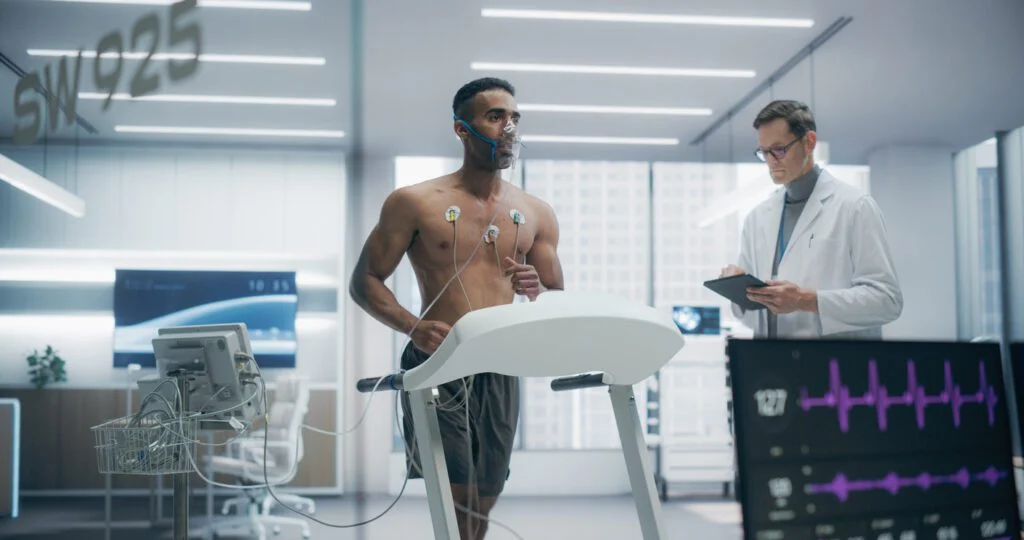
While lab-based VO2 max testing (involving a metabolic mask and heart monitor during exhaustive exercise) remains the most accurate, costing around $150, several accessible alternatives exist:- The 1-Mile Walk Test: Walk one mile on a flat surface, recording heart rate and time. An online calculator can then estimate VO2 max.
- Smartwatch Estimates: Many smartwatches provide VO2 max estimates based on workout data, sex, and age. While not as precise as lab tests, they are useful for tracking personal trends.
- The 12-Minute Run (Cooper Test): Run as fast as possible on a flat surface for 12 minutes, then record the distance. This validated test shows about a 90% correlation with lab-based measurements, with online calculators available to convert distance to VO2 max.
2. Subjective Assessment: How You Feel
- Fatigue: An Early Warning System
While temporary tiredness is common, persistent, unexplained exhaustion that interferes with daily life is termed fatigue, encompassing mental dullness and emotional exhaustion alongside physical weariness. Fatigue, particularly if its cause is unknown, often signals an underlying issue. After ruling out common culprits like dehydration, excessive caffeine or alcohol, medication side effects, chronic stress, or inappropriate exercise levels, persistent fatigue may indicate a sleep disorder or developing health problems such as anemia, obesity, depression, cancer, or diabetes.
In individuals aged 60 or older, fatiguability—the degree of weariness experienced after an activity—is a significant predictor of longevity. Research from the University of Pittsburgh Medical Center linked higher fatiguability scores to an increased risk of future mortality and declines in gait speed and walking ability.
The Pittsburgh Fatigability Scale is a tool to self-assess fatiguability. Individuals rate their anticipated fatigue (0-5 scale) after various activities (e.g., 30 minutes of leisurely walking, 1 hour of brisk walking, 1 hour of light household activity). A total score below 15 is considered good, 15-24 a warning sign, and 25 or above severe, warranting discussion with a healthcare professional.
3. Body Composition: Beyond the Scale
- Muscle Mass and Body Fat Percentage
Body composition—the proportion of fat, bone, and muscle in the body—is a more critical health indicator than mere body weight. Both excessively low and high body fat percentages can negatively impact health. Too much fat increases the risk for heart disease, high blood pressure, cancer, fatty liver disease, insulin resistance, type 2 diabetes, inflammation, joint distress, and sleep apnea. Conversely, insufficient muscle mass (sarcopenia) raises the risk for heart disease, high blood pressure, cancer, stroke, insulin resistance, faster cellular aging, inflammation, depression, anxiety, falls, and loss of balance.
While gold-standard methods like underwater weighing, Bod Pod, and DEXA scans are costly, a recent study confirmed that a simple tape measure can provide a comparably accurate estimate of body composition. By measuring waist, hip, and neck circumferences, along with age, sex, height, and weight, individuals can use free online calculators to estimate their body fat percentage, providing valuable insight into their muscle-to-fat ratio.
4. Doctor-Approved Biomarker Tests
These tests are often covered by insurance as part of routine preventative care and provide crucial data for assessing biological age and disease risk.
-
Annual Blood Panel: A Comprehensive Health Snapshot
Regular blood work, typically recommended annually by primary care physicians, offers vital insights into metabolic and cardiovascular health, which are strongly linked to the aging process and premature mortality. Many blood markers are also highly responsive to lifestyle changes (within 6-12 weeks), making them practical tools for monitoring the effectiveness of dietary, exercise, supplement, or medication interventions.
Key blood markers to monitor annually include:- Total Cholesterol: Optimal < 200 mg/dL
- LDL ("Bad" Cholesterol): < 100 mg/dL (general), < 70 mg/dL (history of heart attack/stroke)
- HDL ("Good" Cholesterol): > 60 mg/dL
- Triglycerides: < 150 mg/dL
- Apolipoprotein B (Apo B): < 133 mg/dL (males), < 117 mg/dL (females) – a strong predictor of cardiovascular risk.
- Lipoprotein (a) [Lp(a)]: < 30 mg/dL – an independent genetic risk factor for cardiovascular disease.
- C-reactive protein (CRP): < 2.0 mg/L – a marker of systemic inflammation, linked to various chronic diseases.
- Fasting Glucose: < 100 mg/dL
- Hemoglobin A1C (HbA1c): < 5.7% – reflects average blood sugar levels over 2-3 months, crucial for diabetes risk.
Healthcare professionals use these numbers, often in conjunction with blood pressure readings, to calculate a comprehensive cardiovascular disease risk score, offering a more holistic view of an individual’s biological aging trajectory.
-
Bone Density (DEXA Scan): The Foundation of Longevity
Research on "super-agers" (individuals aged 90 and older who maintain exceptional health) consistently highlights strong bones as a defining characteristic. Bones are not merely structural supports; they are living organs that secrete substances, such as osteocalcin, a hormone involved in bone remodeling. Osteocalcin is thought to play diverse roles in the body, from ATP production in muscles to regulating brain neurotransmitters. The theory posits that as bone density declines, osteocalcin levels may drop, contributing to age-related problems like diabetes, sarcopenia, and cognitive impairment (though much of this research is in animal models).
Beyond theoretical hormonal roles, loss of bone density directly leads to osteoporosis and increased fracture risk, which can elevate mortality risk for up to a decade post-break. Monitoring bone health is particularly critical for individuals in high-risk categories, including postmenopausal women, those with a family history of osteoporosis, individuals on certain medications (e.g., long-term corticosteroids), those with low body weight, or those with specific medical conditions like hyperthyroidism or celiac disease.
Dual-energy X-ray absorptiometry (DEXA) scans are the gold standard for measuring bone mineral density. While often not covered by insurance for those under 65 without documented osteoporosis risk (costing around $300 out-of-pocket), they provide a T-score. A T-score between +1.0 and -1.0 indicates normal bone density, while scores below -1.0 suggest osteopenia (low bone mineral density) or osteoporosis (porous bones prone to fracture).
Commercial Bio Age Tests: High-Tech, High Cost, and Important Caveats
For those with significant disposable income, the market offers increasingly sophisticated commercial bio age tests. These high-tech diagnostics provide granular data but come with crucial caveats:
- Variability and Organ-Specific Aging: Biological age is not static; it can fluctuate with periods of intense stress or recovery. Moreover, different organs age at different rates. A blood-based DNA methylation test, for example, primarily reflects the biological age of blood cells, not necessarily the heart, brain, or liver.
- Correlation vs. Causation: While these tests measure markers associated with aging, the direct causal link between improving a single biomarker (e.g., telomere length) and extending lifespan or healthspan in otherwise healthy individuals is not always definitively established.
- Over-reliance on Test Results: It is vital not to let test results overshadow observed behaviors and established health practices. If an individual consistently adopts healthy lifestyle habits (nutritious diet, regular exercise, adequate sleep, stress management), they should prioritize these proven interventions regardless of minor fluctuations in commercial test results.
- Beware of Proprietary Supplements: Companies often pair commercial test results with aggressive sales pitches for expensive, proprietary supplement protocols. It is always advisable to discuss test results with a trusted, independent healthcare professional rather than accepting health advice from a profit-driven entity.
Translating Data into Action: The Imperative for Behavior Change
The information gleaned from any bio age test, whether free or commercial, should be viewed as precisely that: information. It is not a moral judgment nor a permanent, unchangeable verdict. The human body possesses remarkable adaptability, and biological age can be influenced.
However, many individuals make two common mistakes when embarking on longevity-related lifestyle changes:
1. Ignoring Evergreen, High-Impact Strategies
The most impactful strategies for a long, healthy life are often the simplest, most "boring," and widely known. These foundational health practices, when consistently applied, yield profound and cumulative benefits:
- Prioritizing quality sleep: Crucial for cellular repair, hormone regulation, and cognitive function.
- Consuming a diet rich in whole foods: Emphasizing fruits, vegetables, lean proteins, and healthy fats while minimizing ultra-processed foods.
- Engaging in regular physical activity: Combining cardiovascular exercise with strength training to maintain muscle mass, bone density, and metabolic health.
- Managing chronic stress: Implementing techniques like meditation, mindfulness, or spending time in nature to mitigate the physiological toll of stress.
- Avoiding smoking and excessive alcohol consumption: These are among the most significant accelerators of biological aging and disease.
- Maintaining healthy social connections: Strong social ties are consistently linked to better health outcomes and longevity.
- Staying hydrated: Essential for all bodily functions.
Thousands of studies consistently demonstrate that individuals who consistently adopt these "big rock" strategies not only live longer but also experience a higher quality of life, marked by greater strength, happiness, and reduced incidence of disability and pain in their later years. Yet, a pervasive tendency exists to gravitate towards novel, trendy, and often minimally impactful solutions, such as the latest supplement, rather than addressing fundamental behavioral changes like quitting smoking or improving diet. The challenge lies in the fact that genuine behavioral change requires consistent effort and often external support, highlighting the value of certified health coaches trained in the science of behavior modification.
2. Not Turning Data into Action
Data, in isolation, does not extend life. The value of biomarker testing lies solely in its ability to inform and motivate behavior change. Collecting data without altering one’s habits is akin to observing a problem in a mirror (e.g., spinach between teeth) and choosing to leave it unaddressed. The act of checking the mirror becomes worthwhile only when followed by corrective action.
Similarly, bio age testing is only beneficial if the data are used to guide interventions. Individuals should consider their biomarker data as a baseline, a starting point from which to measure progress. This data can then be used to objectively assess whether specific lifestyle modifications or medical treatments are effectively moving them closer to their goal of living a longer, healthier life.
The Broader Implications and Future Outlook
The public fascination with biological age testing, spearheaded by figures like Bryan Johnson, underscores a growing societal desire to understand and influence the aging process. While the science of longevity is rapidly advancing, offering increasingly sophisticated tools for assessment, it is crucial to maintain a balanced perspective. The scientific community largely approaches these advanced commercial tests with caution, emphasizing the need for greater standardization, validation, and clarity on their clinical utility for the general population.
The pursuit of a "younger bio age" raises broader implications for healthcare, economics, and societal norms. As scientific understanding progresses, we may see more personalized preventive strategies emerge, potentially extending healthy lifespans for a significant portion of the population. However, this also poses challenges related to equitable access, the potential for new forms of health disparities, and the ethical considerations surrounding radical life extension.
Ultimately, while the frontier of anti-aging research is exciting and continuously pushing boundaries, the bedrock principles of health and longevity remain unchanged. The most potent and accessible tools for optimizing biological age continue to be consistent, evidence-based lifestyle choices. Bio age testing, when approached critically and strategically, can serve as a valuable informational and motivational tool, but it is the sustained commitment to these fundamental practices that truly paves the way for a longer, healthier, and more vibrant life.