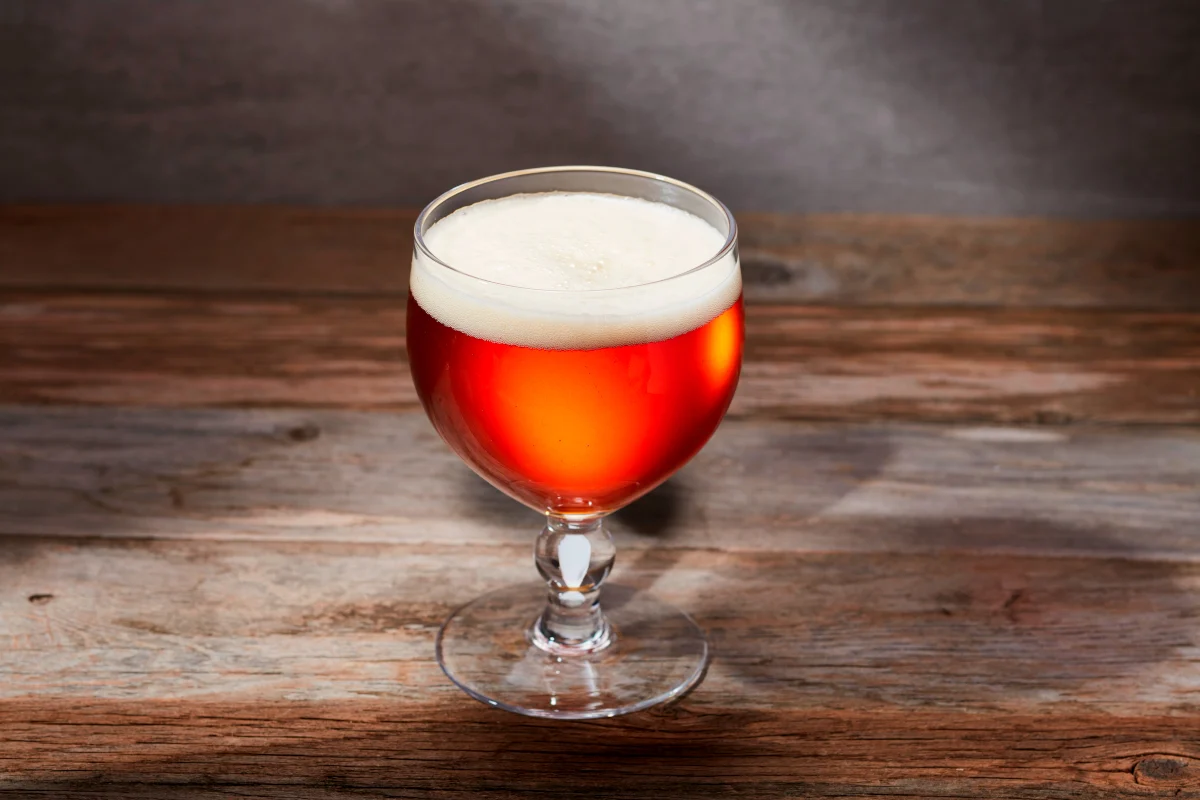

The craft brewing industry has witnessed a significant shift in consumer preferences over the last decade, moving from the high-alcohol "hop bombs" of the early 2000s toward more balanced, "sessionable" beverages that prioritize flavor complexity without overwhelming potency. Central to this movement is the Copper Ale, a style that balances the sweetness of specialty malts with a measured hop bitterness. The recent publication of a refined 5-gallon Copper Ale recipe provides a technical blueprint for homebrewers looking to master this delicate balance. With an alcohol by volume (ABV) of just 3.6% and a color profile sitting at 12 SRM (Standard Reference Method), this recipe represents a sophisticated approach to low-gravity brewing, focusing on mouthfeel and clarity in a light-bodied framework.
Technical Specifications and the Science of Sessionability
To understand the architecture of this Copper Ale, one must first look at the vital statistics that define its character. The recipe targets an Original Gravity (OG) of 1.036 (9°P) and a Final Gravity (FG) of 1.008 (2°P). In the world of brewing science, the gap between these two numbers dictates the alcohol content and the residual sweetness of the finished product. A 3.6% ABV puts this beer firmly in the "session" category—a term originating from British drinking culture where workers would consume multiple pints during "sessions" between shifts without becoming overly intoxicated.
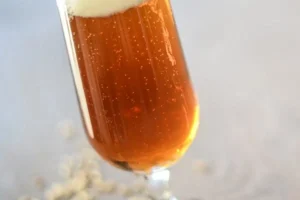
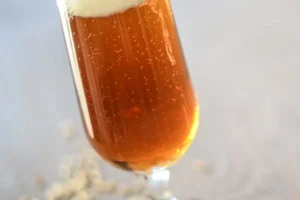
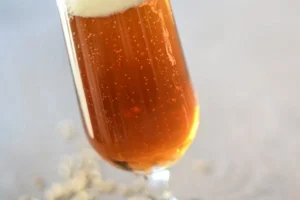
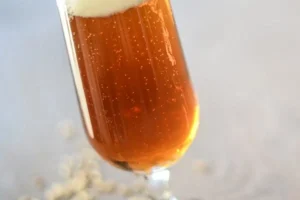
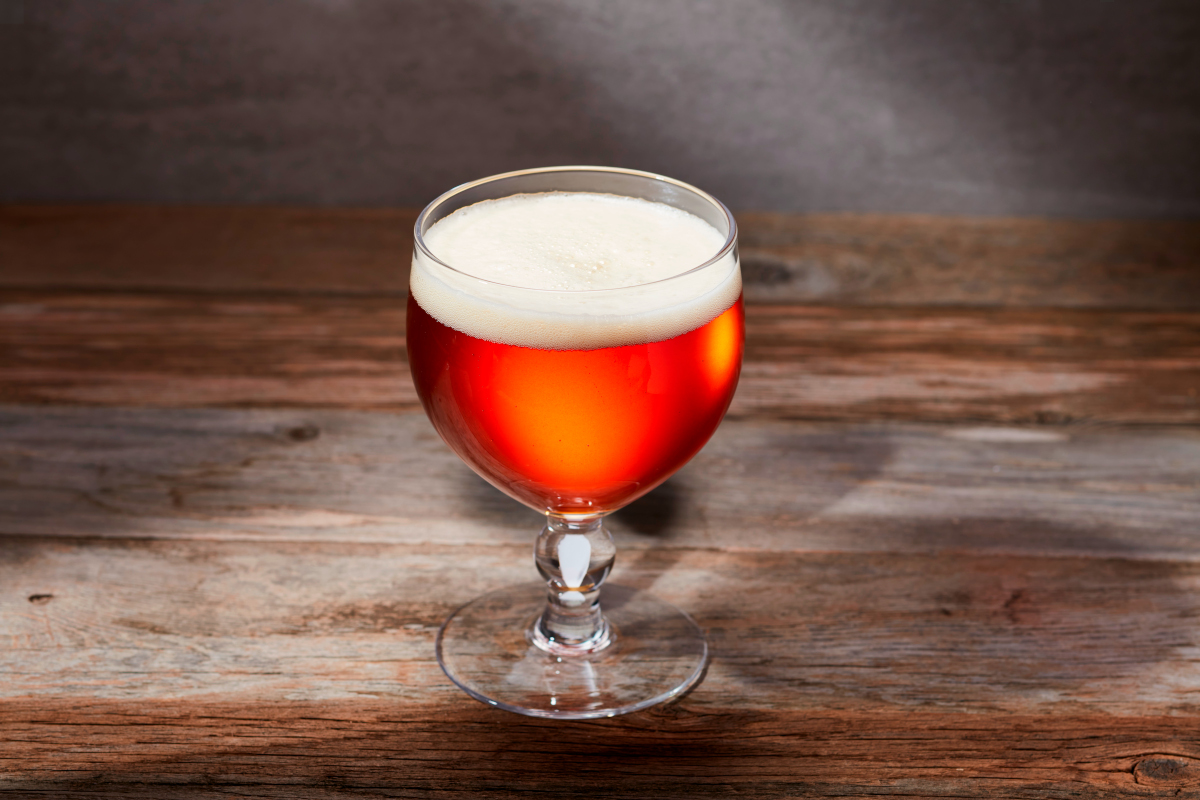
The International Bitterness Units (IBU) for this brew are set at 30. For a beer with such a low starting gravity, 30 IBUs is relatively high, creating a bitterness-to-gravity ratio that leans toward the crisp and refreshing rather than the cloying. The SRM of 12 indicates a deep copper or light amber hue, achieved primarily through the use of crushed crystal malts. These malts undergo a specialized kilning process that caramelizes the sugars inside the grain hull, providing the unfermentable dextrins necessary to give a low-alcohol beer a satisfying body and a characteristic reddish-brown tint.
A Chronological Guide to the Brewing Process
The production of this Copper Ale follows a disciplined timeline that emphasizes temperature control and sanitation, two pillars of successful fermentation. The process begins with the extraction of color and flavor from specialty grains, followed by a rigorous boil and a dual-stage fermentation.
Phase I: The Mash and Extract Integration
The brew day commences with the steeping of crushed crystal malt in 1.5 gallons (5.7 liters) of water. The temperature is held strictly at 150°F (65.5°C) for 30 minutes. This specific temperature is critical; it is high enough to dissolve the caramelized sugars and pigments from the crystal malt but low enough to avoid extracting harsh tannins from the grain husks. Following the steep, the grains are strained and "sparged"—rinsed with 170°F (76.5°C) water—to collect a total of 2.5 gallons of specialty grain liquor.
Once the liquor is prepared, dried malt extract (DME) is added. The use of DME in this recipe serves as the primary fermentable base, providing a consistent sugar profile that ensures the beer reaches its target gravity. The mixture is then brought to a "full and vigorous boil," a stage essential for protein coagulation and the isomerization of hop alpha acids.
Phase II: The 60-Minute Boil and Hop Additions
The boil serves multiple purposes: sterilization, concentration, and flavor development. At the start of the 60-minute countdown, bittering hops are added. These hops, boiled for the full duration, contribute the foundational 30 IBUs. As the boil progresses, the "flavor hops" are introduced with 20 minutes remaining. This timing allows the hop oils to infuse the wort without boiling away the volatile aromatic compounds.
With 10 minutes left in the boil, Irish moss is added. This seaweed-derived fining agent carries a negative charge, which attracts positively charged proteins in the boiling wort. By clumping these proteins together, they settle more easily, resulting in a clearer final product—a necessity for the aesthetic appeal of a copper-colored ale.
Phase III: Cooling and Primary Fermentation
Immediately following the 60-minute boil, the heat is extinguished. The "clear wort" is then racked into a sanitized fermenter containing 2 gallons of cold water. This "top-up" method is common in small-batch brewing to reach the final 5-gallon volume while simultaneously aiding in the cooling process. The target temperature for yeast pitching is 70°F (21°C).
Aeration is the next critical step. Because the boiling process drives oxygen out of the liquid, the brewer must vigorously reintroduce air to provide the yeast with the oxygen necessary for healthy cell membrane development during the lag phase. An active yeast starter is then introduced to ensure a rapid onset of fermentation. The primary fermentation stage lasts between four to six days, during which the bulk of the sugar is converted into ethanol and carbon dioxide.
Phase IV: Secondary Aging and Conditioning
Once the primary fermentation slows, the beer is transferred to a secondary fermenter and chilled to 60°F (15.5°C). This "brightening" stage allows the yeast and remaining particulates to settle out of solution. After aging is complete, the beer is primed with sugar—creating a small "mini-fermentation" inside the bottle or keg to produce natural carbonation—and conditioned at temperatures above 60°F until it is clear and fully carbonated.
The Cultural and Economic Context of Low-ABV Craft
The release of this specific recipe comes at a time when the "Better-for-You" beverage trend is sweeping the global market. According to industry data from the Brewers Association, while high-ABV India Pale Ales (IPAs) still dominate sales, the fastest-growing sub-segments in craft beer include non-alcoholic brews and low-calorie, low-ABV "session" styles.
Industry analysts suggest that the rise of the session ale is a response to the aging demographic of original craft beer drinkers, who now prioritize longevity and wellness, as well as a younger generation that views moderation as a social value. A 3.6% Copper Ale fits perfectly into this niche, offering the complex malt profile of a traditional English Bitter but with a caloric count significantly lower than a standard 7% IPA.
Furthermore, the economic implications for homebrewers are notable. Lower-gravity beers require fewer raw materials—less malt extract and fewer hops—making them more cost-effective to produce during periods of inflation in agricultural commodities. This recipe, specifically tailored for a 5-gallon yield, reflects the most common equipment profile in the homebrewing hobby, ensuring wide accessibility.
Analysis of Ingredient Impact and Brewing Implications
Every component of the Copper Ale recipe is chosen to compensate for the "thinness" often associated with low-gravity beers. In professional brewing, a common pitfall of session ales is a watery mouthfeel. By utilizing crystal malts and a 150°F steep, the brewer ensures that a higher percentage of non-fermentable sugars remain in the beer. These sugars provide the "palate weight" that makes a 3.6% beer taste like a much stronger ale.
The choice of a 30 IBU target is also a strategic move. In a beer with a 1.036 OG, 30 IBUs provides a sharp contrast to the malt sweetness. This "bitterness kick" cleanses the palate, making the beer highly drinkable and encouraging the consumer to take another sip. The use of Irish moss and a secondary fermentation phase further highlights the importance of clarity. In a copper-colored beer, brilliance is a hallmark of quality; a cloudy copper ale is often perceived as having "off-flavors," even if the taste is technically sound.
Expert Perspectives on the Style
While the specific author of the recipe remains anonymous in the source text, the methodology aligns with the teachings of renowned brewing educators like Charlie Papazian and John Palmer. "The challenge of the session ale is that there is nowhere for flaws to hide," notes the general consensus among BJCP (Beer Judge Certification Program) judges. "In a Double IPA, you can mask fermentation flaws with hops. In a 3.6% Copper Ale, your sanitation and temperature control must be flawless because the beer is so delicate."
Homebrewing enthusiasts have reacted positively to the resurgence of such recipes. On community forums, brewers often note that while brewing a "big" beer is a feat of strength, brewing a "small" beer is a feat of skill. The precision required to hit a 1.008 FG without over-attenuating the yeast is a benchmark for many advancing hobbyists.
Broader Implications for the Brewing Community
The dissemination of detailed, accessible recipes like this Copper Ale serves to democratize the science of brewing. As the craft beer landscape continues to evolve, the focus is shifting away from "extremism"—the bitterest, the strongest, the sourest—and returning to the roots of the craft: balance, drinkability, and technical excellence.
This 5-gallon Copper Ale is more than just a set of instructions; it is a reflection of a maturing industry. It acknowledges that the modern drinker wants a beer that can accompany a meal or a long afternoon of socializing without the physical toll of high-alcohol content. By mastering the 3.6% Copper Ale, the homebrewer participates in a centuries-old tradition of "small beer" production, updated with the precision of modern brewing chemistry. As the hobby continues to grow, such recipes provide the essential bridge between the casual kitchen-sink brewer and the disciplined zymologist.