
The culinary landscape has witnessed the rapid ascent of a deceptively simple yet profoundly flavorful dish: Bang Bang Tofu. Praised for its crispy texture, sticky sauce, and remarkable ease of preparation, this plant-based offering has quickly transcended its origins as a casual dinner party staple to become a widely sought-after recipe among home cooks. Its ability to deliver a restaurant-quality experience with minimal effort has positioned it as a prime example of modern comfort food, catering to the growing demand for convenient, delicious, and adaptable meal solutions.
The Genesis of a Culinary Hit: A Whim That Wowed
The origin story of the widely acclaimed Bang Bang Tofu recipe highlights a common scenario in contemporary home cooking: the spontaneous creation born out of necessity that unexpectedly captivates palates. Initially conceived for a low-key, last-minute dinner gathering, the recipe’s developer sought a dish that was both remarkably easy to execute and guaranteed to deliver an impactful flavor profile. This imperative for efficiency without compromising taste led to the strategic decision to build the meal around the universally appealing "Bang Bang sauce."

The immediate aftermath of its inaugural serving underscored its success. Guests, ranging from adult friends to discerning middle schoolers, were reportedly enthralled by the dish, prompting enthusiastic requests for the recipe the very next day. This rapid, organic endorsement signaled the recipe’s potential to resonate far beyond the confines of a single dinner table, pointing towards a broader appeal that taps into prevailing culinary preferences. The recipe’s developer noted a sense of "déjà vu," recalling previous instances where simple, flavor-forward creations like yellow curry meatballs had similarly garnered unexpected acclaim, reinforcing the principle that culinary success often lies in the artful combination of accessible ingredients and straightforward techniques.
Deconstructing the "Bang Bang" Phenomenon: Sauce and Substance
At the heart of the Bang Bang Tofu’s allure lies a synergistic combination of its namesake sauce and a meticulously prepared tofu. The "Bang Bang" designation typically refers to a Szechuan-inspired sauce known for its complex interplay of sweet, spicy, creamy, and savory notes, often featuring ingredients like mayonnaise, sweet chili sauce, sriracha, and sometimes a touch of honey or lime. In this particular iteration, the sauce is described as "embarrassingly easy" yet "shockingly good," a testament to its powerful flavor delivery despite its simplicity. This blend provides a robust foundation for the dish, coating each piece of tofu with a luscious, aromatic glaze that is both comforting and exhilarating. The inclusion of fresh garlic is highlighted as a critical component, contributing a sharp, aromatic bite that elevates the overall profile, balancing the sauce’s inherent richness and sweetness.
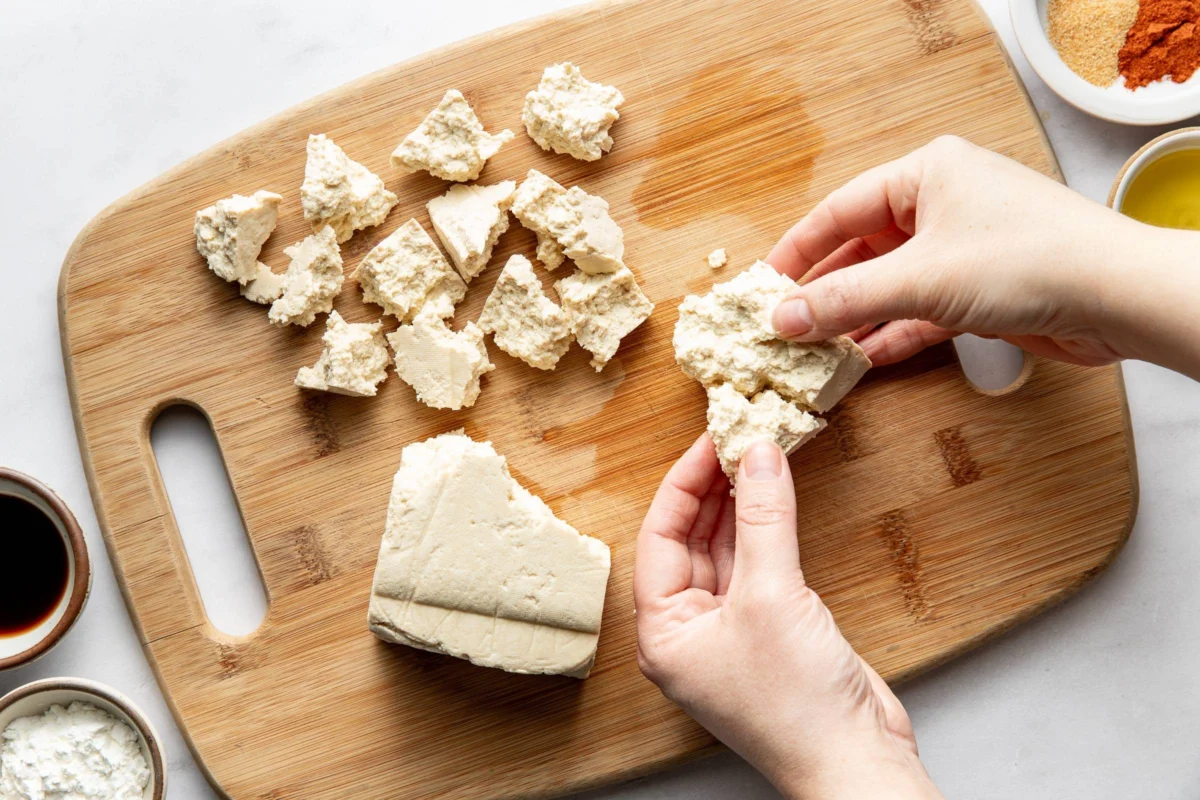
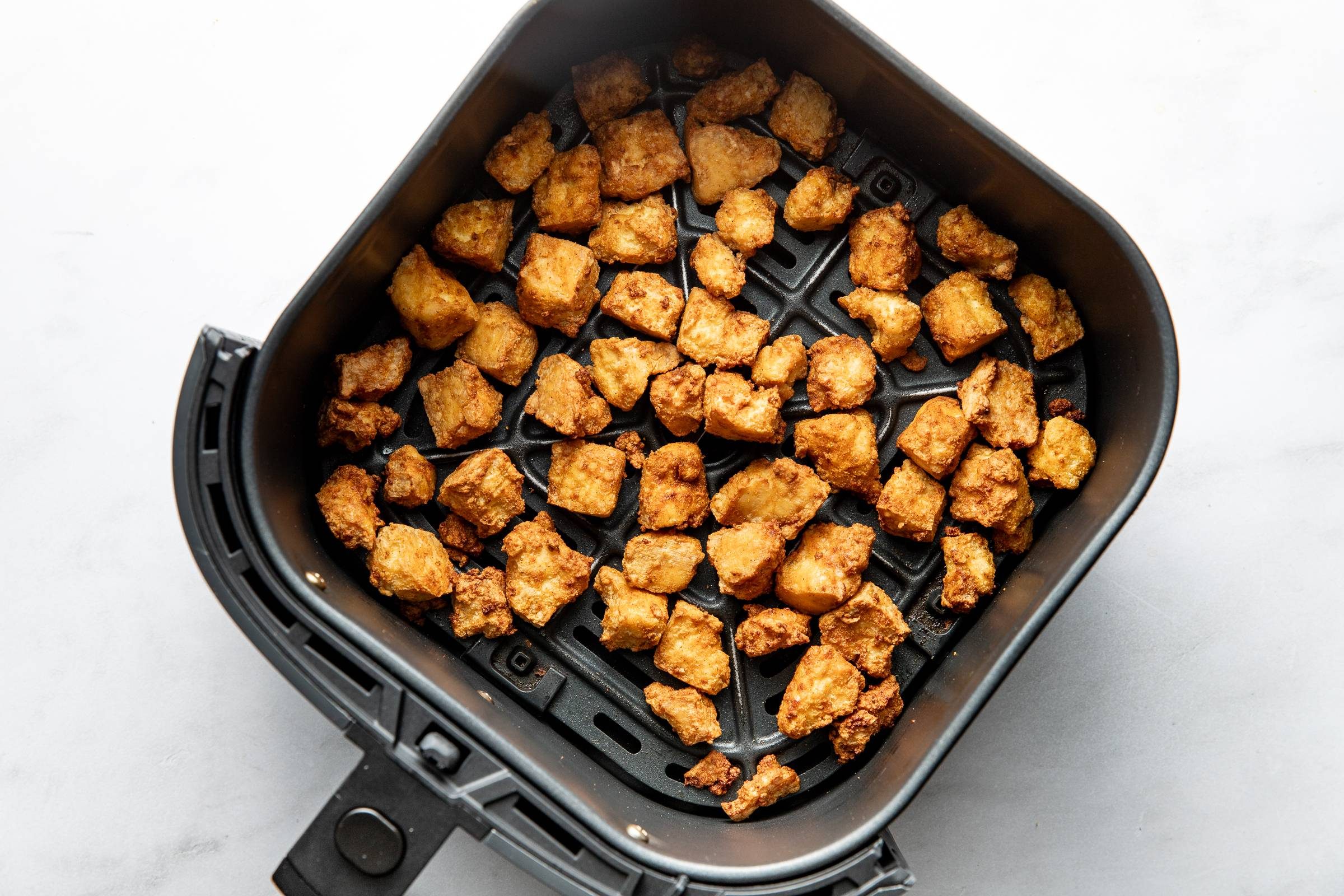
The choice and preparation of the tofu are equally crucial to the recipe’s success. Tofu, a plant-based protein derived from soybeans, has long been a staple in Asian cuisines and has seen a dramatic increase in popularity in Western diets due to its versatility, nutritional benefits, and sustainable footprint. The recipe specifically advocates for air frying the tofu, a method lauded for its efficiency in achieving a "supremely crispy" exterior. This technique leverages the circulating hot air of an air fryer to create a desirable textural contrast – a crisp shell giving way to a tender interior – without the need for excessive oil typically associated with deep frying.

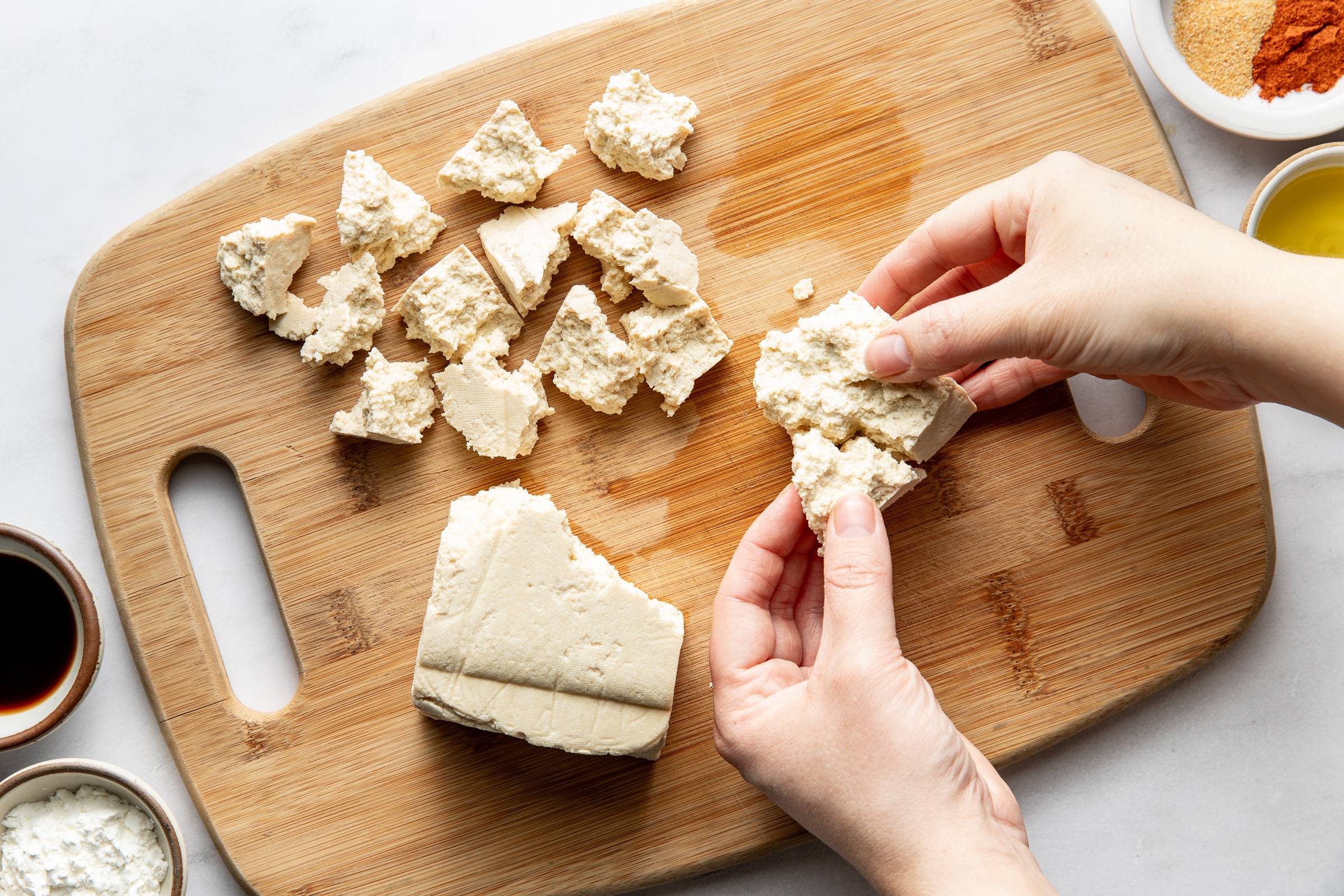
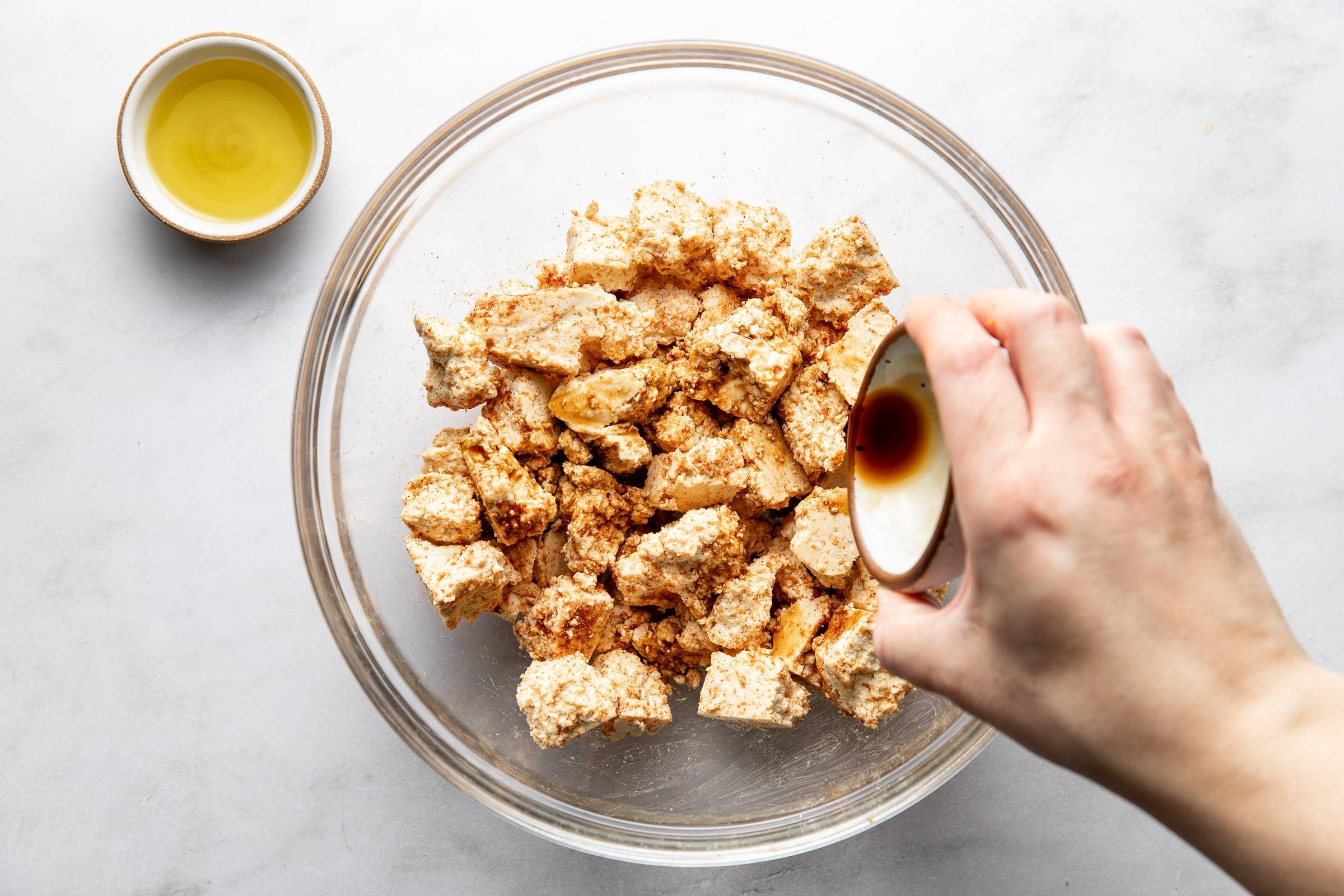
A significant tip provided within the recipe addresses tofu preparation: the use of high-protein tofu, particularly from brands like Trader Joe’s, which often requires no pressing. Traditional tofu preparation frequently involves pressing out excess moisture to achieve a firmer texture and better absorb marinades. The convenience of a pre-pressed or naturally drier high-protein variety significantly reduces preparation time, making the recipe even more accessible for busy individuals. For other brands or types of tofu, the recommendation to wrap and press with a clean towel ensures optimal texture, preventing a soggy outcome and allowing the tofu to achieve its desired crispiness.
The final, critical step in the preparation process involves transferring the air-fried tofu to a skillet with a portion of the Bang Bang sauce. This crucial stage allows the sauce to caramelize around the crispy tofu pieces, creating that signature "sticky, caramelized texture that tastes like a restaurant." This technique not only enhances the flavor depth but also contributes to the visual appeal, transforming simple tofu into golden, glistening morsels.
A Timeline of Taste: From Dinner Party to Digital Sensation
The journey of the Bang Bang Tofu recipe from an impromptu dinner to a recognized culinary trend follows a familiar trajectory in the digital age. Its initial success at a private gathering served as a proof of concept, demonstrating its immediate appeal. This positive reception invariably led to its formalization and sharing on a food blog, a common platform for culinary innovators to disseminate their creations.
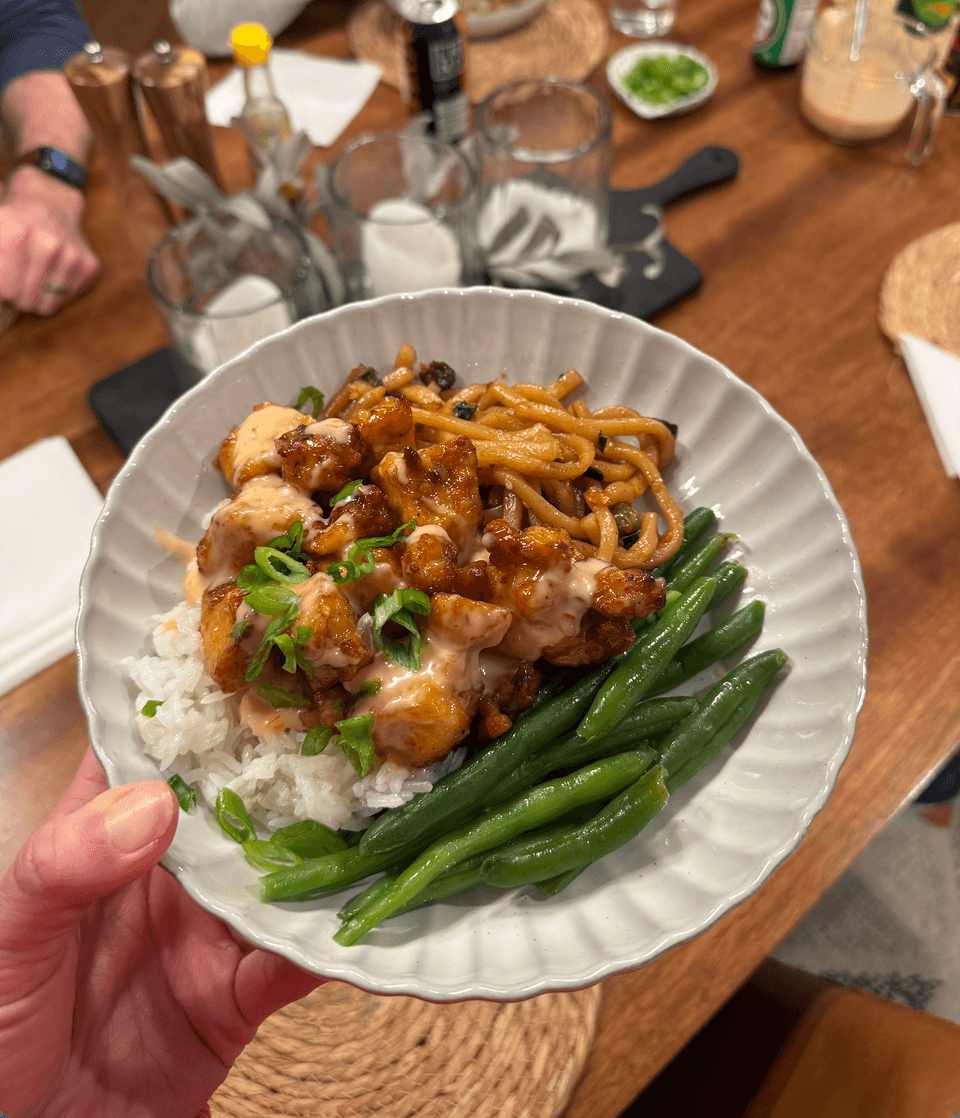
The subsequent dissemination of the recipe through online channels, social media, and word-of-mouth aligns with broader trends in how food trends emerge and proliferate. Food blogs and recipe websites act as influential arbiters of home cooking, offering curated content that often prioritizes ease, flavor, and visual appeal. When a recipe like Bang Bang Tofu, with its promise of "easy dinner alert" and "SO good," enters this ecosystem, it is poised for rapid adoption. The visual appeal of the "crispy, sticky, beautiful bang bang tofu piled on top of steamy rice, with fresh green beans on the side" further amplifies its shareability across platforms like Pinterest and Instagram, where food photography plays a crucial role in inspiring culinary endeavors.
This chronology underscores the evolving role of digital media in shaping contemporary dietary habits and culinary practices. What begins as a personal experiment can quickly become a viral sensation, influencing grocery lists, meal planning, and even the product offerings of food retailers.
The Rise of Plant-Based Convenience: Supporting Data and Trends
The success of dishes like Bang Bang Tofu is not isolated but rather indicative of several significant shifts in consumer behavior and dietary preferences. The global plant-based food market, for instance, has been experiencing exponential growth. Reports from organizations such as the Plant Based Foods Association and research firms consistently show double-digit annual growth rates for plant-based alternatives, including tofu. This surge is driven by a confluence of factors: increased health consciousness, growing environmental concerns regarding meat production, ethical considerations, and a desire for dietary diversification. Tofu, as a traditional and versatile plant-based protein, stands to benefit immensely from this trend, offering a neutral canvas for a myriad of flavor profiles.

Simultaneously, the demand for convenient meal solutions has never been higher. Modern lifestyles, characterized by busy schedules and less time for elaborate cooking, have fueled the popularity of kitchen appliances designed for speed and simplicity. The air fryer, in particular, has become a household staple, lauded for its ability to produce crispy results with less oil and in less time than conventional ovens. The recipe’s explicit recommendation for air frying the tofu directly taps into this trend, leveraging a popular appliance to enhance both the taste and the efficiency of the cooking process.
Furthermore, the emphasis on "easy weeknight dinner" resonates with a broad demographic seeking practical solutions for daily meal preparation. The concept of "food bowls" – combining a protein, grain, and vegetables in a single, customizable dish – aligns perfectly with this desire for straightforward, balanced, and visually appealing meals. Serving the Bang Bang Tofu over steamy rice with fresh green beans, and optionally supplemented with convenient additions like Costco’s udon noodle stir-fry, exemplifies this approach to flexible and adaptable home cooking.
Expert and Consumer Reactions: A Culinary Consensus
The enthusiastic reception of the Bang Bang Tofu recipe provides valuable insights into contemporary culinary preferences. From a food analyst’s perspective, the dish successfully marries several key elements that contribute to widespread appeal: a compelling textural contrast (crispy tofu, sticky sauce), a balanced flavor profile (sweet, savory, spicy, creamy), and an accessible preparation method. These attributes make it highly adaptable to various palates, including those typically resistant to plant-based options.
The anecdotal evidence of its popularity among "middle schoolers raving" is particularly significant. Children and teenagers are often considered discerning critics, and a dish that garners their approval often possesses an inherent "kid-friendly" quality that translates into broader family appeal. This suggests that the combination of familiar flavors (sweet chili, creamy sauces) with a satisfying texture can bridge generational divides and encourage the acceptance of plant-based proteins in households.
Beyond individual preferences, the recipe’s rapid dissemination implies a strong social component. The act of friends texting "the next day asking for the recipe" is a powerful form of organic endorsement, signaling that the dish not only tasted good but was memorable enough to prompt follow-up action. This peer-to-peer sharing mechanism is a cornerstone of how culinary trends gain traction, often proving more effective than traditional advertising in convincing hesitant cooks to try something new.
Broader Implications for Home Cooking and the Food Industry
The success of Bang Bang Tofu carries several broader implications for home cooking and the food industry. Firstly, it highlights the ongoing innovation within plant-based cuisine. As consumers increasingly seek alternatives to meat, recipe developers are challenged to create dishes that are not only nutritious but also exciting and satisfying, moving beyond simplistic or imitative plant-based products. This recipe demonstrates how a classic flavor profile (Bang Bang sauce) can be effectively applied to a plant-based protein (tofu) to create a dish that stands on its own merits.
Secondly, the recipe’s emphasis on specific ingredients, such as "high protein tofu from Trader Joe’s," can influence consumer purchasing habits and, consequently, grocery store inventories. As demand for such specialized products grows, retailers are prompted to stock a wider variety of plant-based options, further cementing their presence in mainstream shopping carts. The mention of convenient additions like Costco’s udon noodle stir-fry also points to the integration of prepared or semi-prepared components into home cooking, reflecting a pragmatic approach to meal assembly.
Thirdly, the influence of digital food media, exemplified by platforms where such recipes are shared, continues to shape culinary trends. Food bloggers and online recipe creators act as taste-makers, leveraging their platforms to introduce new dishes, techniques, and ingredient combinations to a vast audience. Their ability to translate complex culinary ideas into accessible, step-by-step instructions, often accompanied by appealing visuals, empowers home cooks to experiment with confidence.
Finally, the inherent health and sustainability aspects of tofu as a protein source contribute to its growing appeal. As consumers become more aware of the environmental footprint of their food choices and seek healthier dietary options, plant-based dishes like Bang Bang Tofu offer an attractive solution that aligns with these evolving values.
Beyond the Bowl: Versatility and Future Adaptations
While the Bang Bang Tofu is presented as a complete meal served over rice with green beans, its core components offer considerable versatility for future adaptations. The crispy, sticky tofu itself could be incorporated into wraps, salads, noodle bowls, or even as a topping for plant-based pizzas. The Bang Bang sauce, given its broad appeal, could be used with other proteins such as chicken, shrimp, or even roasted vegetables, extending its utility beyond this specific tofu preparation.
The recipe’s developer’s signature, appended to the original text, serves as a personal stamp of approval, further emphasizing the authenticity and passion behind the creation. This personal touch, while adapted for a journalistic tone in this analysis, is a key element in how many popular recipes initially gain trust and following in the digital culinary sphere.
In conclusion, the Bang Bang Tofu recipe represents more than just a quick meal; it embodies a confluence of modern culinary trends. Its effortless preparation, vibrant flavors, and widespread appeal underscore the power of simplicity and thoughtful ingredient combination in creating dishes that resonate deeply with today’s diverse home cooks. From its humble beginnings at a last-minute dinner party to its current status as a highly requested and acclaimed recipe, Bang Bang Tofu stands as a testament to the evolving dynamics of food, convenience, and community in the 21st century.