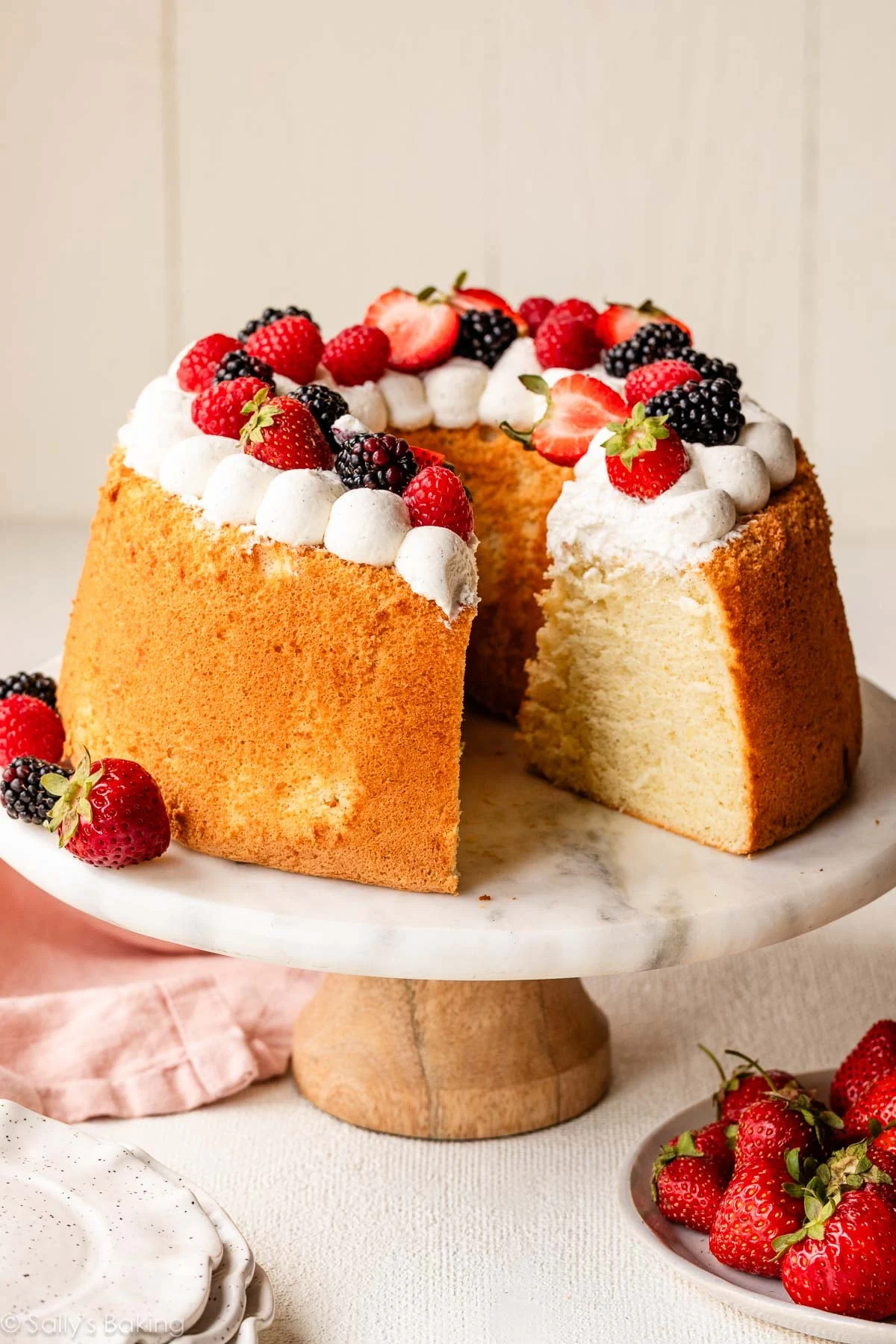

The classic chiffon cake stands as a testament to baking ingenuity, offering a unique textural experience that marries the ethereal lightness of an angel food cake with the tender richness typically found in traditional butter-based confections. This elegant dessert, celebrated for its wonderfully moist crumb and delicate flavor, has captivated palates for decades, establishing itself as a versatile foundation for both simple indulgences and grand celebratory creations. Its distinctive character, achieved through a precise combination of whipped egg whites and the judicious use of vegetable oil, ensures a lofty rise and a remarkably soft texture that remains appealing for days.
The Genesis of Chiffon: A Historical Overview
The origins of the chiffon cake are rooted in a tale of culinary secrecy and eventual widespread acclaim. Unlike many classic desserts with long, evolving histories, the chiffon cake has a definitive inventor and a precise timeline of its public introduction. Harry Baker, an insurance salesman turned caterer from Los Angeles, California, developed the recipe in 1927. For two decades, Baker meticulously guarded his recipe, baking and selling the cake primarily to Hollywood studios and celebrities, who were enchanted by its unique texture and delicate flavor. He cleverly marketed it as "the first new cake in 100 years," fostering an aura of exclusivity around his creation.
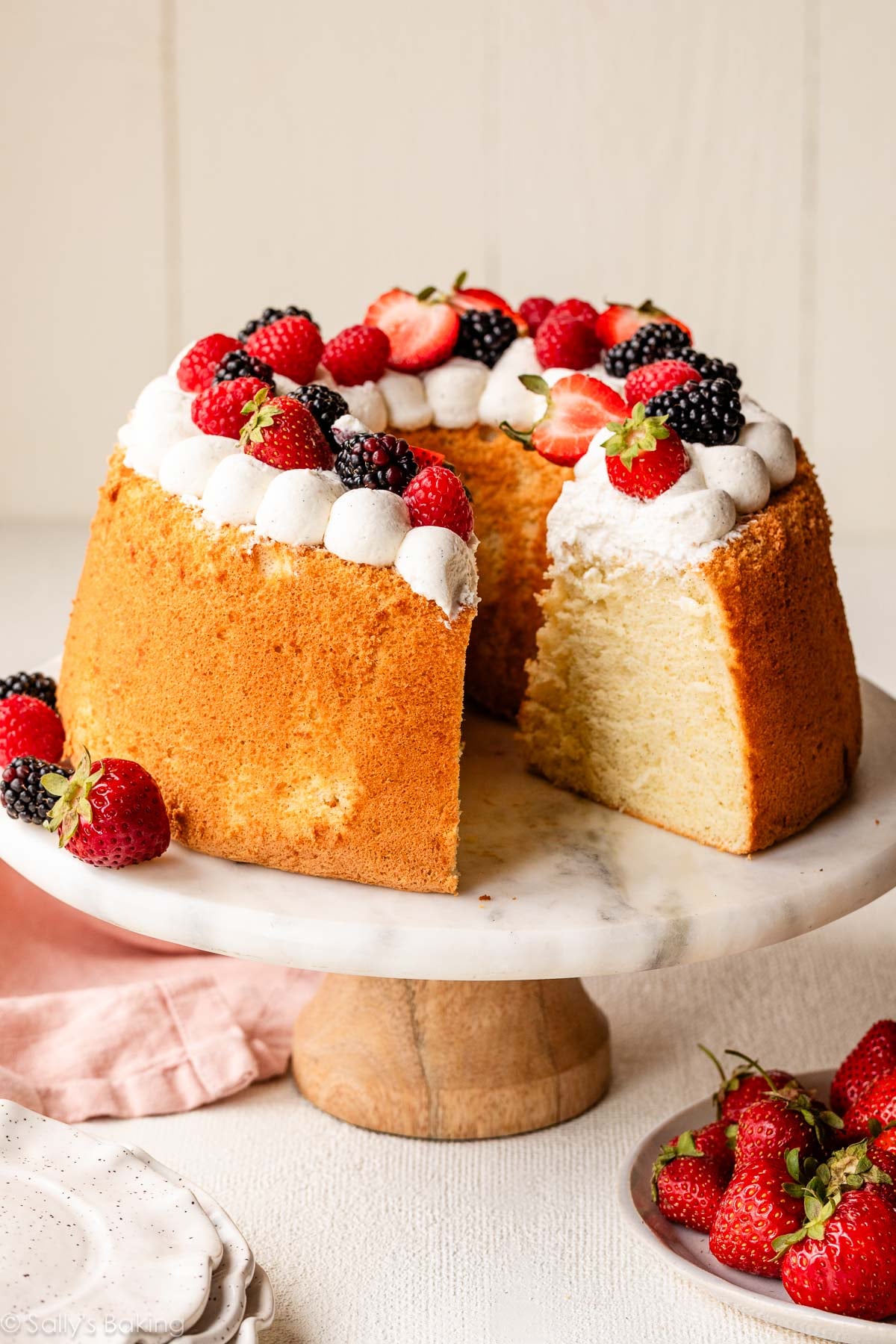
Baker’s secret ingredient was vegetable oil, a departure from the butter or shortening traditionally used in cakes. This innovative inclusion, combined with the technique of incorporating whipped egg whites, yielded a cake that was far lighter and moister than conventional sponge cakes, yet richer than angel food cakes. It wasn’t until 1948 that Baker sold his secret recipe to General Mills, which subsequently launched a widespread marketing campaign, revealing the "secret ingredient" to the public and popularizing the chiffon cake across America and beyond. The General Mills Betty Crocker recipe, published in Better Homes and Gardens magazine, became the standard, making the once-exclusive dessert accessible to home bakers everywhere. This timeline underscores the deliberate and strategic introduction of a culinary innovation that quickly became a household favorite.
A Hybrid Marvel: Unpacking the Chiffon Cake’s Unique Composition
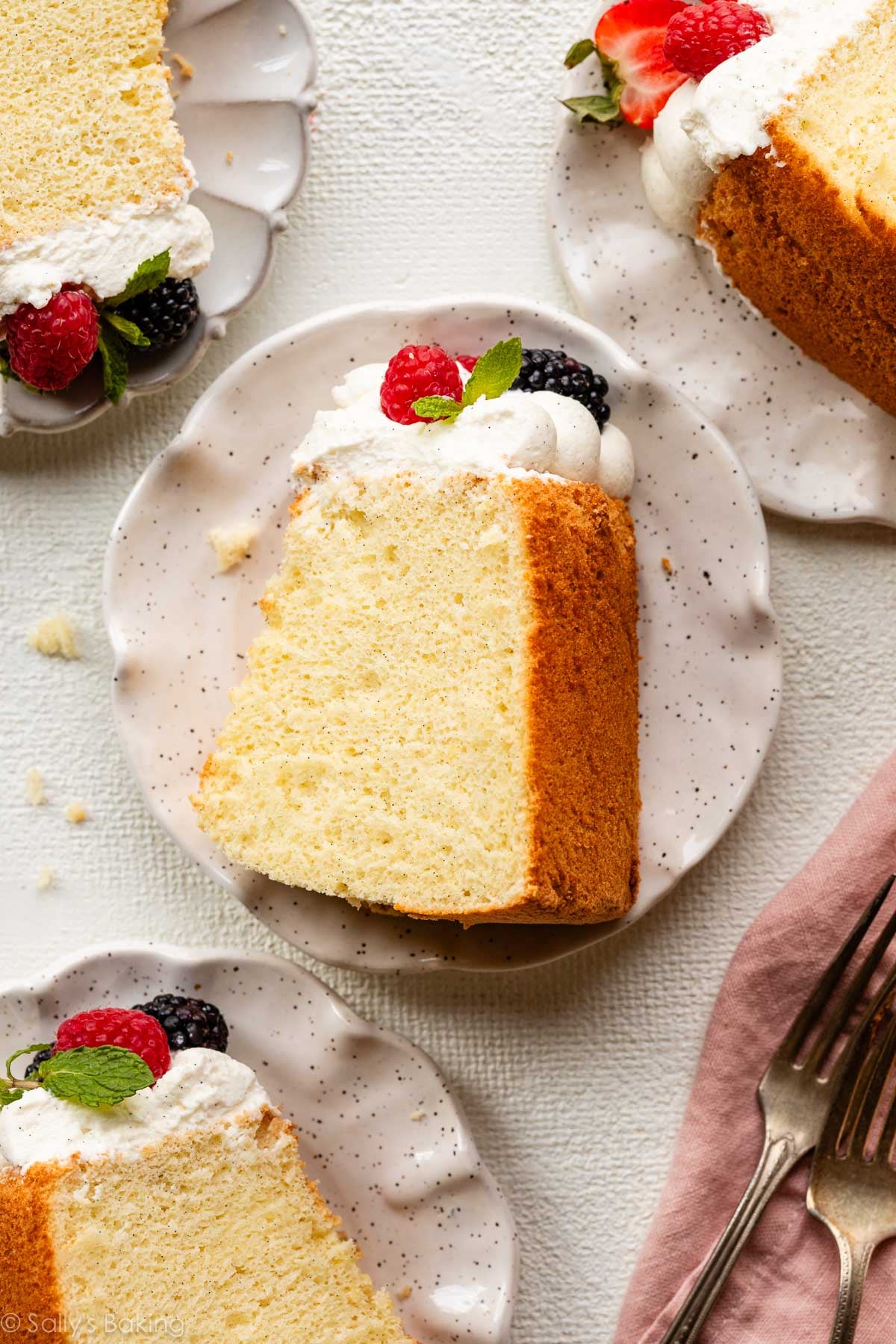
At its core, chiffon cake is a masterful hybrid, borrowing the finest attributes from two distinct cake categories: the angel food cake and the traditional butter cake. From the angel food cake, it inherits its signature lofty, airy structure, primarily achieved through the incorporation of stiffly beaten egg whites. These aerated whites provide much of the cake’s lift, creating a delicate, open crumb that feels incredibly light on the tongue.
However, chiffon cake distinguishes itself from its angelic counterpart by also embracing the richness and tenderness characteristic of a traditional cake. This is accomplished through the inclusion of egg yolks, milk, and crucially, vegetable oil. While angel food cake is entirely fat-free, relying solely on egg whites, sugar, and flour, chiffon cake integrates fats from the yolks and oil. The egg yolks contribute to a richer flavor and a golden hue, while the milk adds to the overall moisture and tenderness. The absence of butter, a staple in traditional cakes, is notable; instead, oil is the primary fat source, lending a unique quality that sets chiffon apart. This blend of ingredients results in a cake that offers the best of both worlds: the impressive volume and delicate texture of a sponge, combined with the depth of flavor and moistness of a richer cake.
The Science of Structure: Key Ingredients and Their Roles
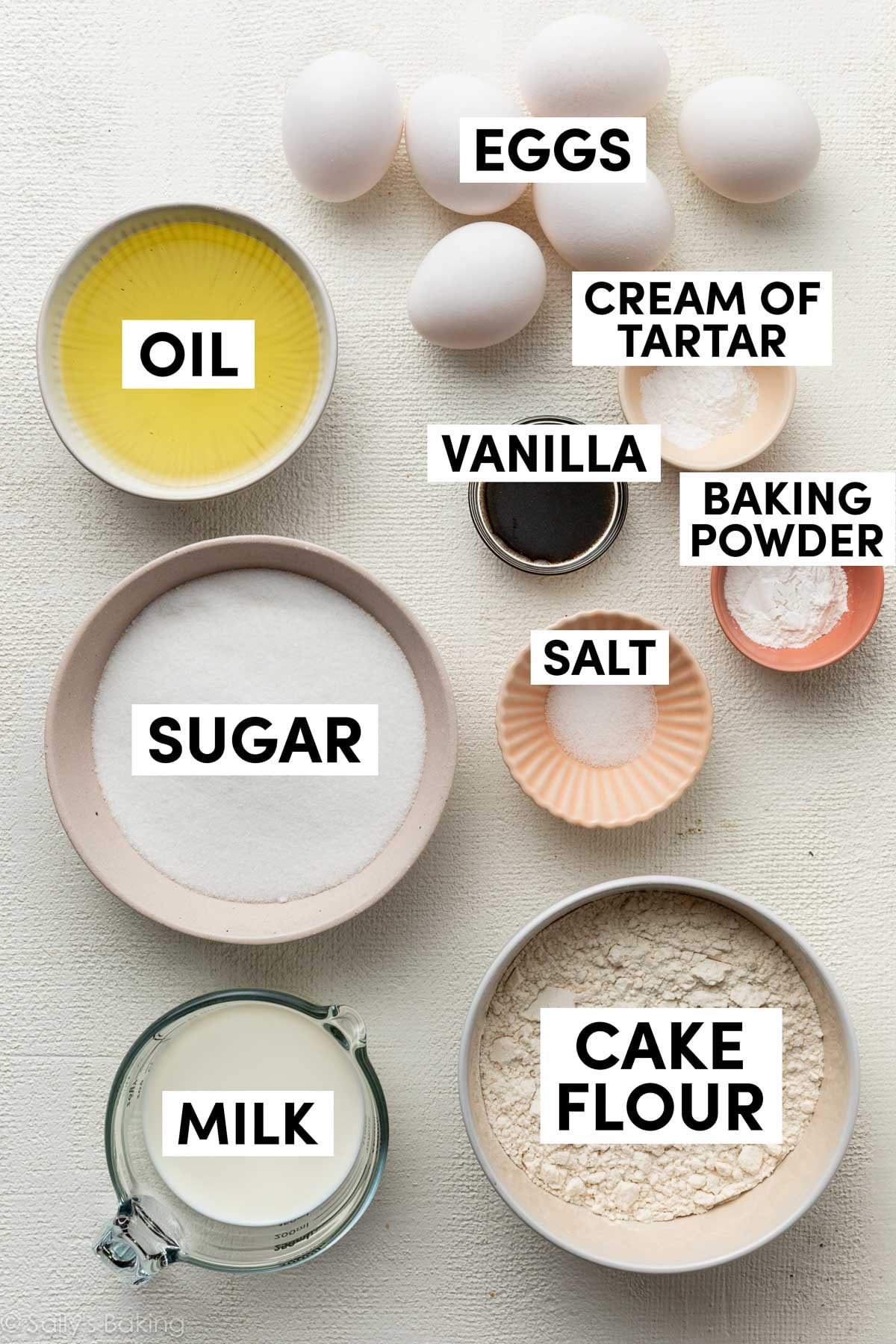
The seemingly simple ingredient list of a chiffon cake belies the complex interplay of components that contribute to its extraordinary texture. Each element plays a critical role in achieving the desired balance of lightness, moisture, and flavor:
- Whipped Egg Whites: These are the primary leavening agent, responsible for the cake’s characteristic height and airy crumb. When egg whites are beaten, their proteins unfold and trap air, forming a stable foam (meringue). The sugar added during whipping helps stabilize this foam, creating a glossy, stiff peak meringue that holds its structure through baking. Without properly whipped egg whites, the cake would lack its signature lift and delicate texture.
- Vegetable Oil: This is the "secret weapon" that differentiates chiffon cake. Unlike butter, which contains water and milk solids and solidifies when cold, vegetable oil is 100% fat and remains liquid at room temperature. This property translates directly to the cake’s texture, ensuring it remains exceptionally moist and tender, even when refrigerated, and contributes to a "melt-in-your-mouth" quality. Furthermore, oil interferes less with gluten development in flour compared to butter, resulting in a softer, more delicate crumb.
- Egg Yolks and Milk: These ingredients provide richness, color, and additional moisture. The fat in the yolks and milk contributes to the cake’s tenderness and flavor, creating a more buttery taste profile despite the absence of actual butter. They also help to emulsify the batter, leading to a smoother consistency.
- Baking Powder: While whipped egg whites provide mechanical leavening, baking powder offers chemical leavening. This dual action ensures maximum lift and a consistently open crumb structure. The baking powder reacts during baking to produce carbon dioxide gas, further expanding the batter.
- Cake Flour: This low-protein flour is ideal for delicate cakes like chiffon. Its lower gluten content results in a more tender, less chewy crumb, which is crucial for achieving the cake’s characteristic softness.
- Cream of Tartar: Often added to egg whites, cream of tartar is an acidic salt that helps stabilize the whipped egg whites, allowing them to reach maximum volume and preventing them from collapsing. It also contributes to a whiter meringue.
This precise blend of ingredients and their specific functions highlights the chiffon cake as a marvel of culinary chemistry, where each component is chosen for its unique contribution to the final sensory experience.
Mastering the Art: Essential Baking Techniques for Chiffon Perfection
Achieving the perfect chiffon cake requires adherence to several key techniques, each critical to its success. Experienced bakers consistently emphasize these steps for a cake that is tall, fluffy, and beautifully soft every time.
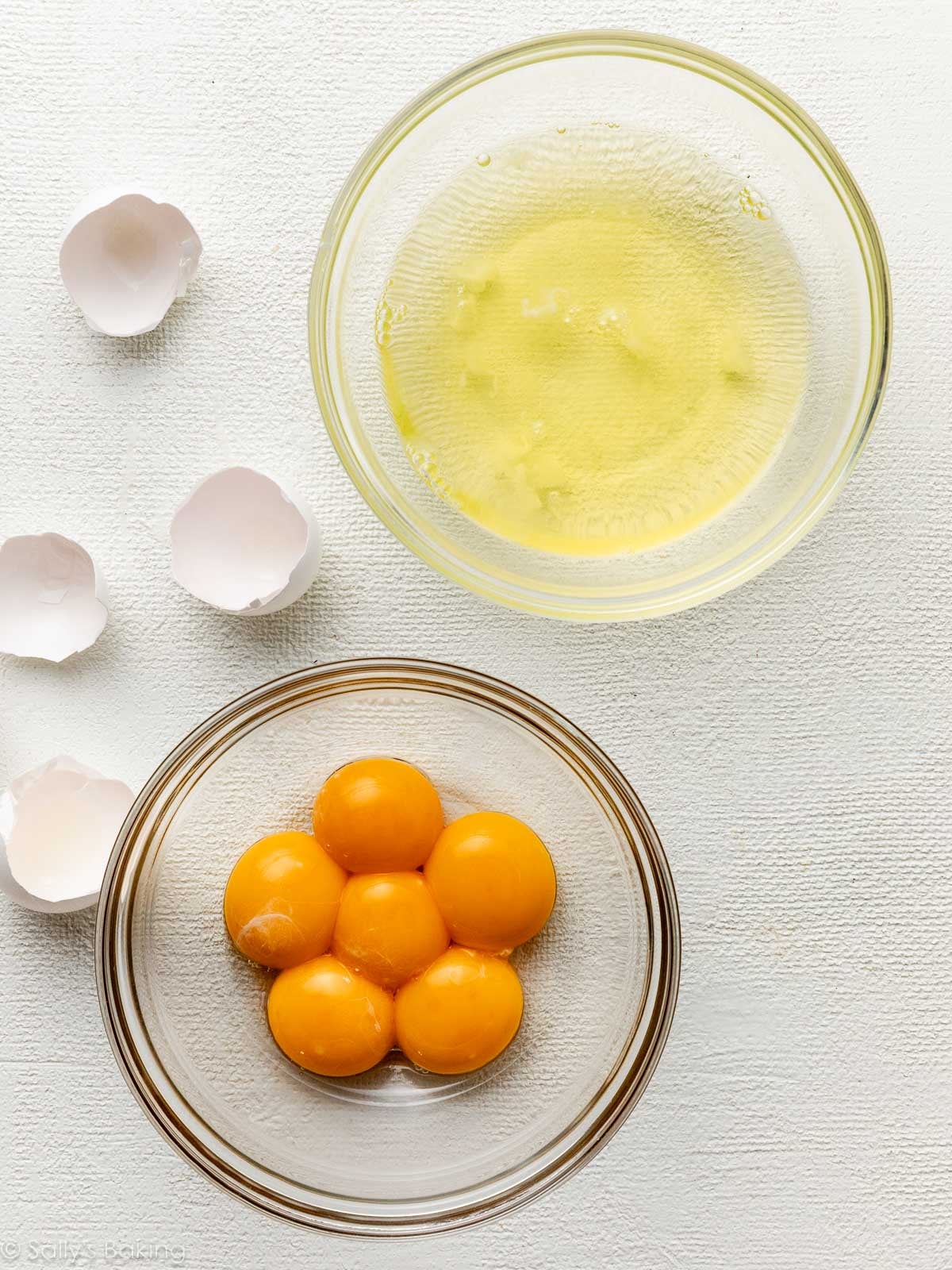
- Egg Separation: The precise separation of egg whites and yolks is paramount. Even a tiny speck of yolk in the whites can prevent them from whipping to their full volume and stability. The whites should be at room temperature for optimal whipping, as warm proteins are more elastic and can incorporate more air.
- Sifting Dry Ingredients: Sifting flour, sugar (partially), baking powder, and salt together ensures that the ingredients are thoroughly combined and aerated. This prevents lumps and contributes to an even, delicate crumb. A fine-mesh sieve is indispensable for this step.
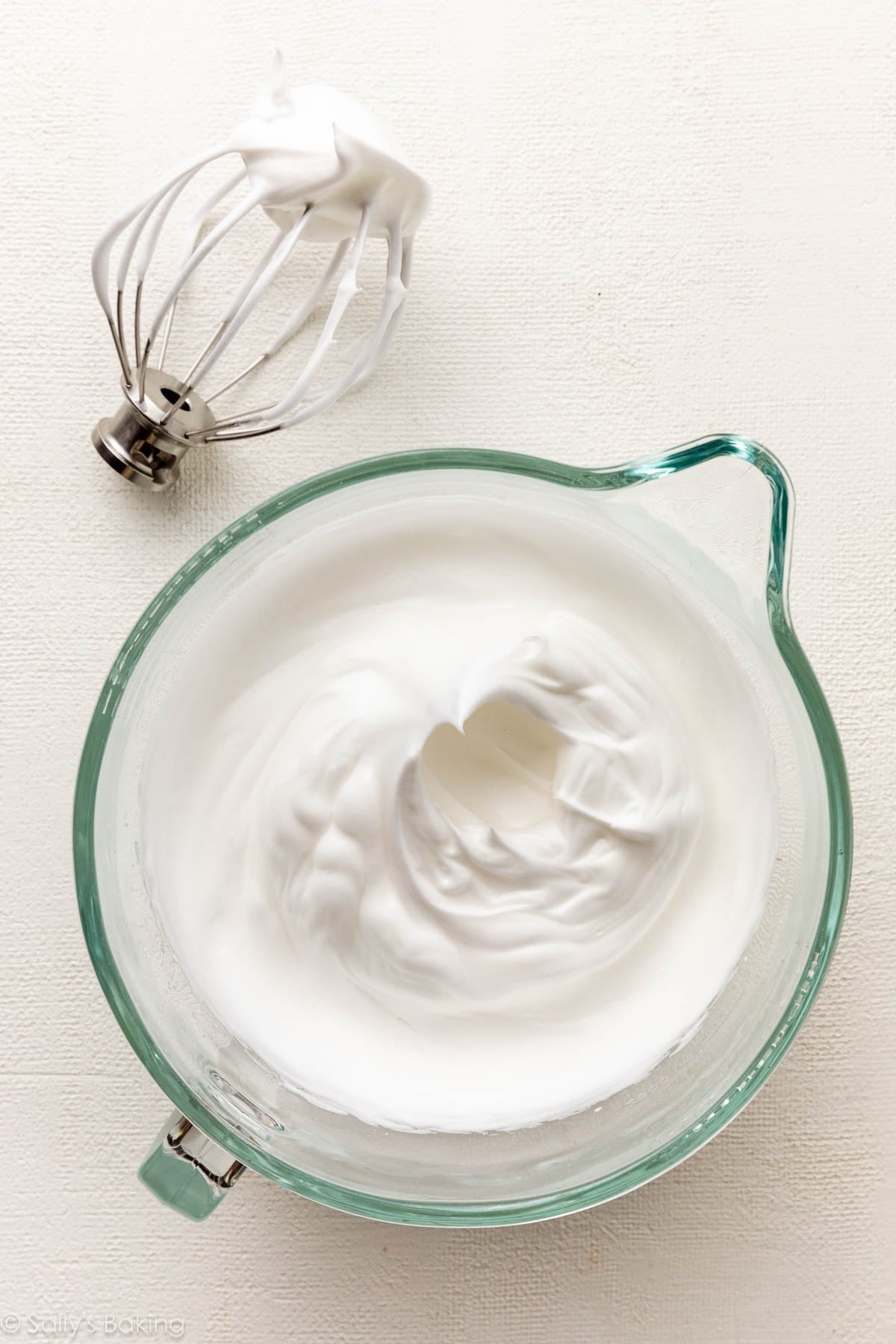
- Whipping Egg Whites to Stiff, Glossy Peaks: This is arguably the most crucial step. Egg whites, often with cream of tartar, are whipped until foamy, then sugar is gradually added. Continuous beating at high speed develops a stable meringue with stiff, glossy peaks. This meringue is the backbone of the cake’s structure, and under- or over-whipping can lead to collapse or a dense texture. The goal is firm peaks that hold their shape but are not dry or grainy.
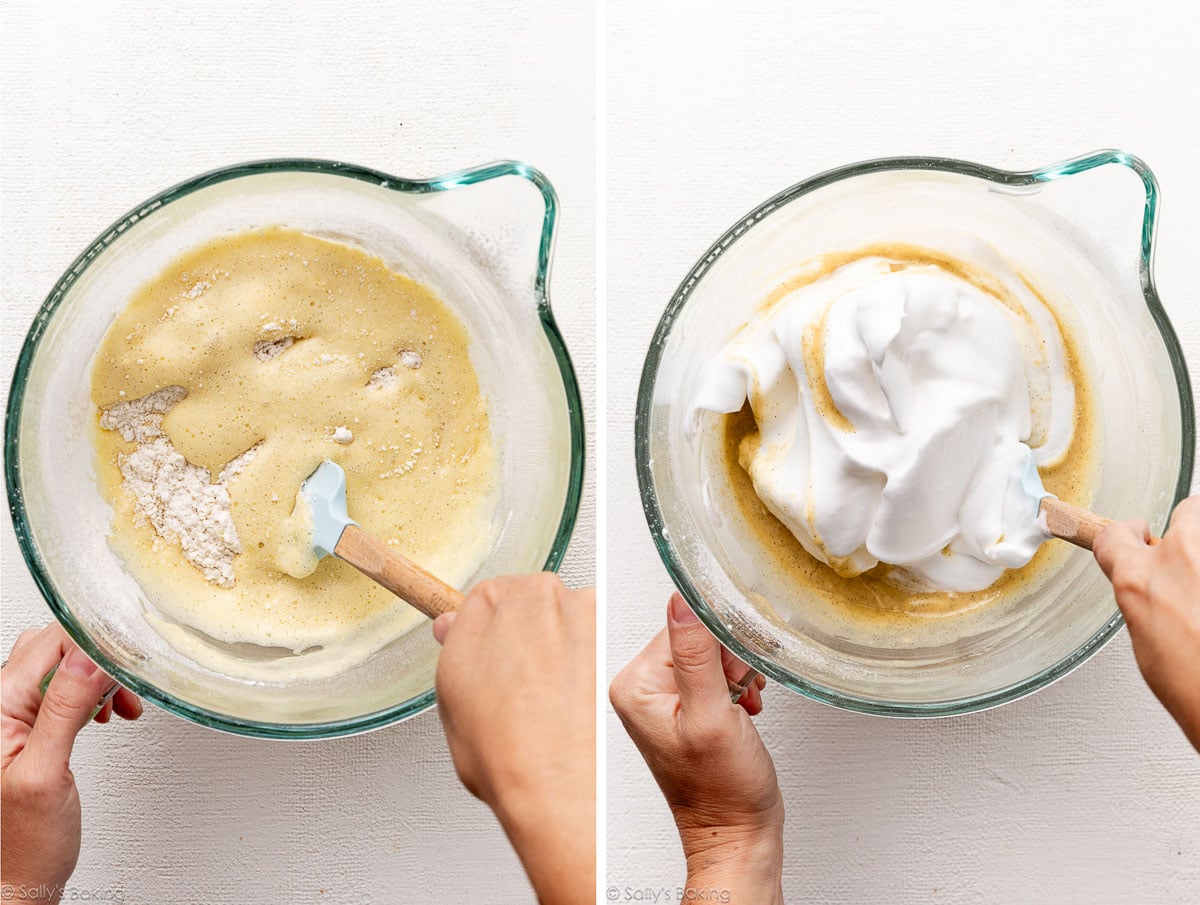
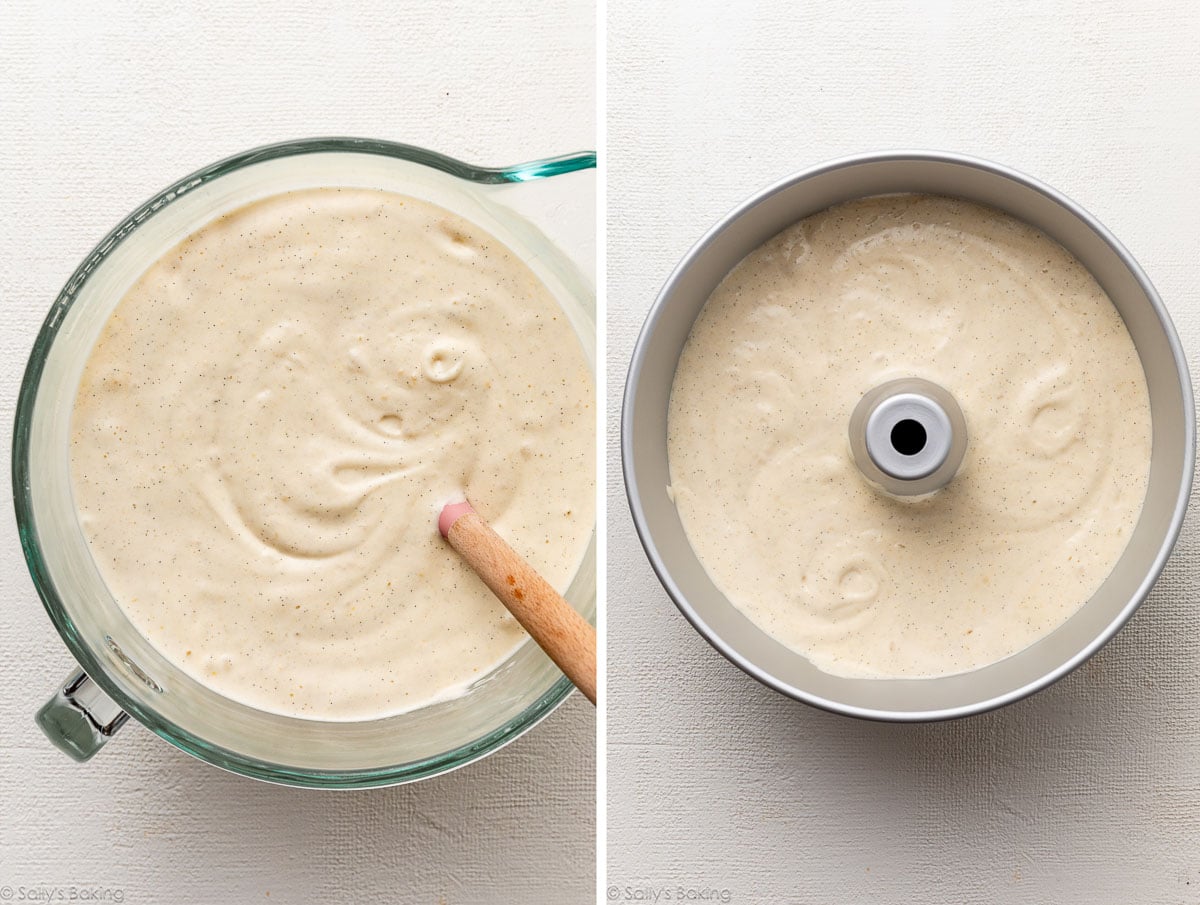
- Gentle Folding: Once the egg yolk mixture and dry ingredients are combined, the whipped meringue must be folded in carefully. This is a delicate operation, as the goal is to incorporate the airy meringue without deflating it. Starting with a smaller portion of meringue to lighten the batter, then gently folding in the rest using a cutting and lifting motion, preserves the trapped air, which is vital for the cake’s lift. Overmixing at this stage is a common pitfall that can result in a dense cake.
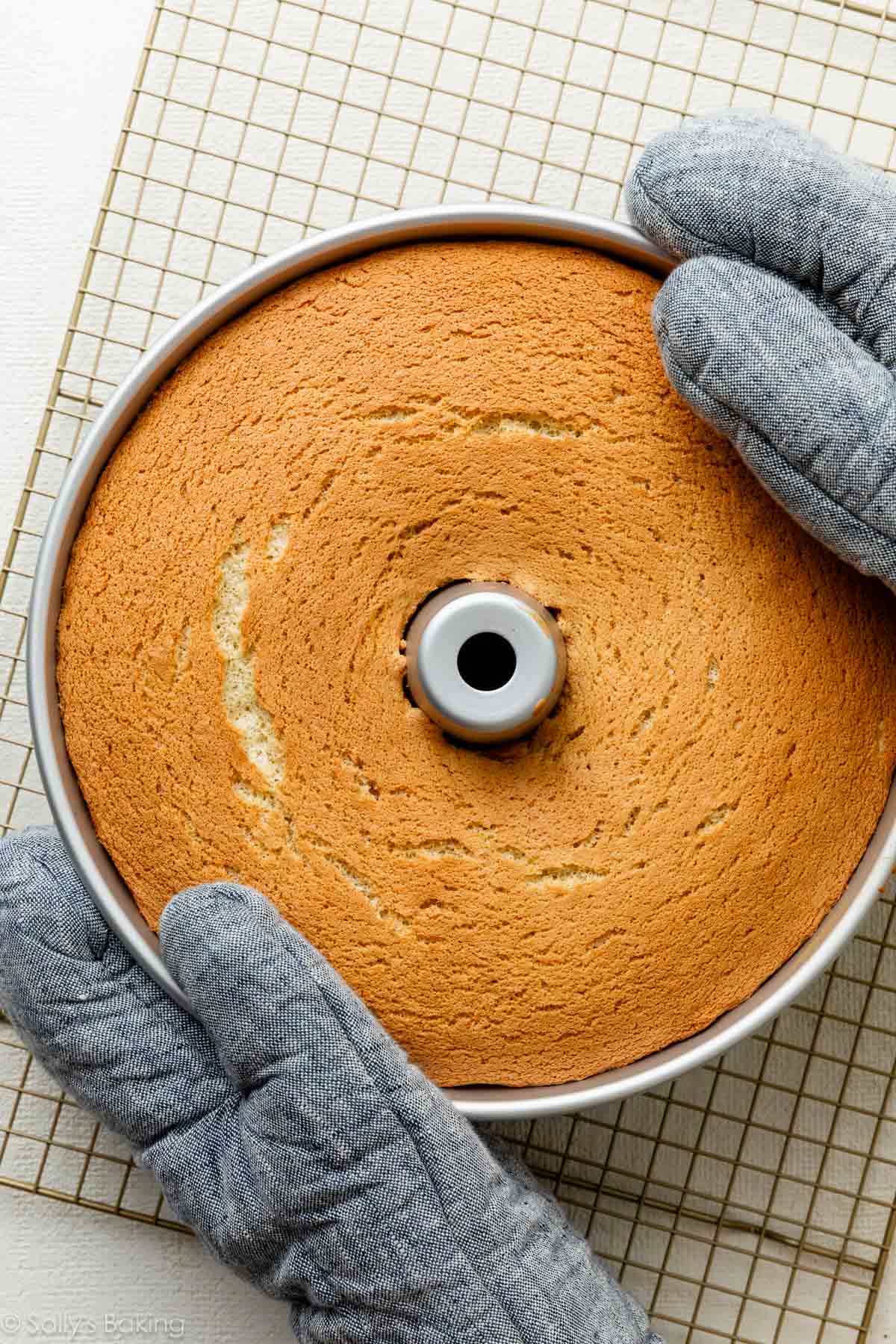
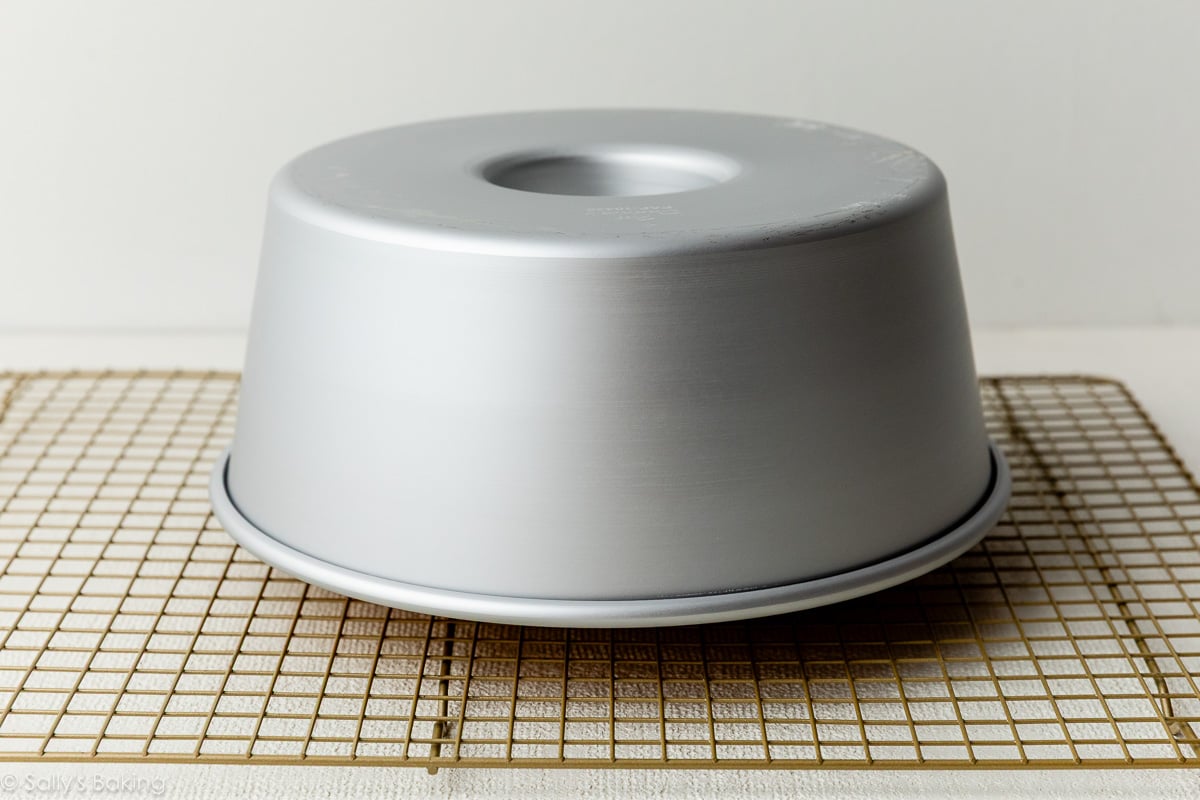
- The Ungreased Tube Pan: A unique and non-negotiable requirement for chiffon cake is baking it in an ungreased tube pan. The rough surface of the ungreased pan provides the necessary grip for the delicate batter to cling to as it rises, allowing it to climb to impressive heights. If the pan were greased, the batter would slide down the sides, resulting in a flat or collapsed cake. The central tube of the pan is also crucial, facilitating even heat circulation through the thick batter, ensuring the center bakes thoroughly without the edges becoming dry or overcooked.
- Cooling Upside Down: Immediately after baking, the chiffon cake in its tube pan must be inverted and cooled upside down. Many tube pans are designed with small "feet" for this purpose. This counter-intuitive step prevents the warm, delicate cake structure from collapsing under its own weight as it cools and sets. The inversion allows gravity to pull the cake downward, stretching its fragile cell structure and preventing shrinkage, thus preserving its lofty height and airy texture.
These techniques, when executed with care and precision, are the foundation of a truly successful chiffon cake, transforming simple ingredients into a remarkable culinary achievement.
Serving Versatility: From Simple Elegance to Layered Grandeur
The classic chiffon cake, with its inherent elegance and balanced flavor, offers immense versatility in how it can be presented and enjoyed. Its delicate sweetness and light texture make it a perfect canvas for various accompaniments, catering to diverse preferences and occasions.
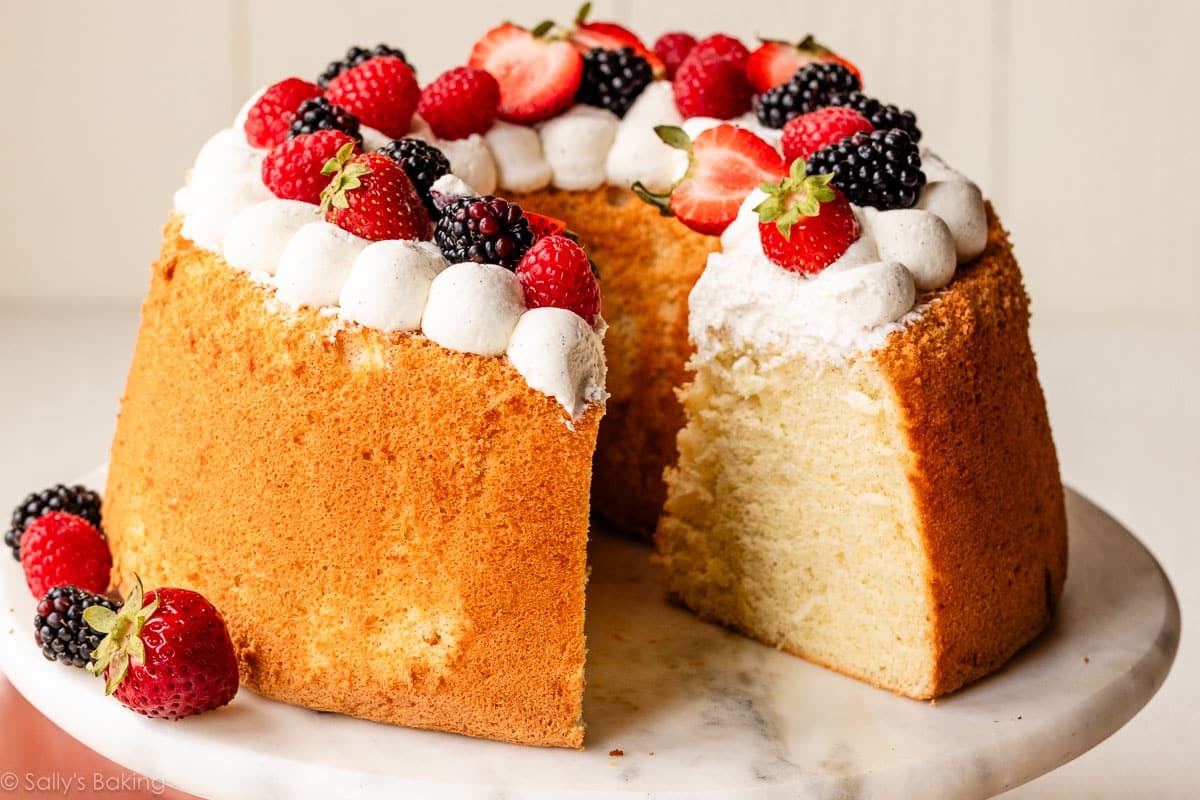
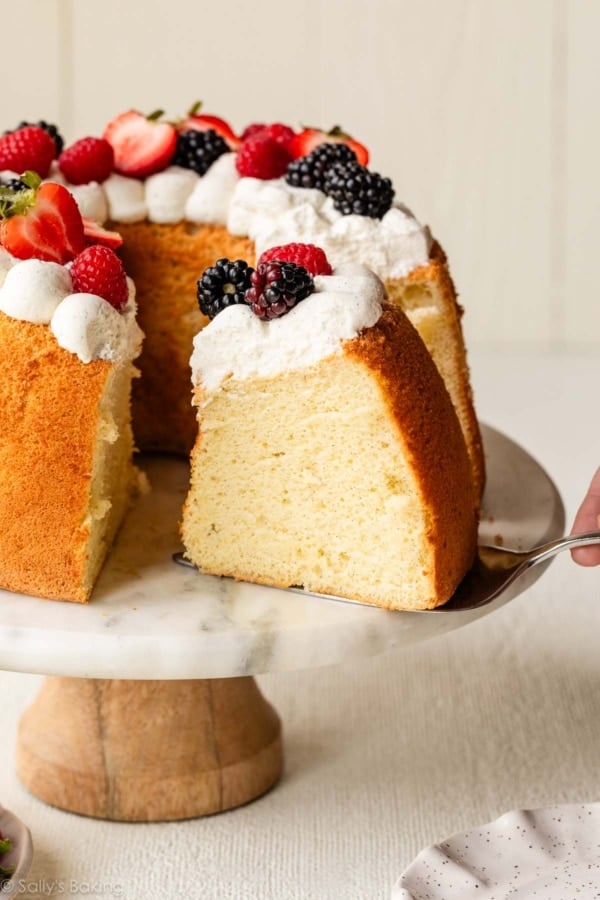
For a simple yet sophisticated presentation, a dusting of confectioners’ sugar is often all that’s needed to highlight its natural beauty. However, pairing it with fresh berries and a cloud of whipped cream elevates the experience. Many recipes, including this one, suggest a cream cheese whipped cream topping. This choice is particularly astute as it offers a slightly tangier flavor profile that beautifully complements the cake’s mild sweetness, while also providing a sturdier and more stable topping than traditional whipped cream, especially useful for warmer climates or longer serving times. The seasonal brightness of fresh berries – strawberries, raspberries, blueberries, or a mix – adds a burst of color, flavor, and a pleasant textural contrast to the soft cake.
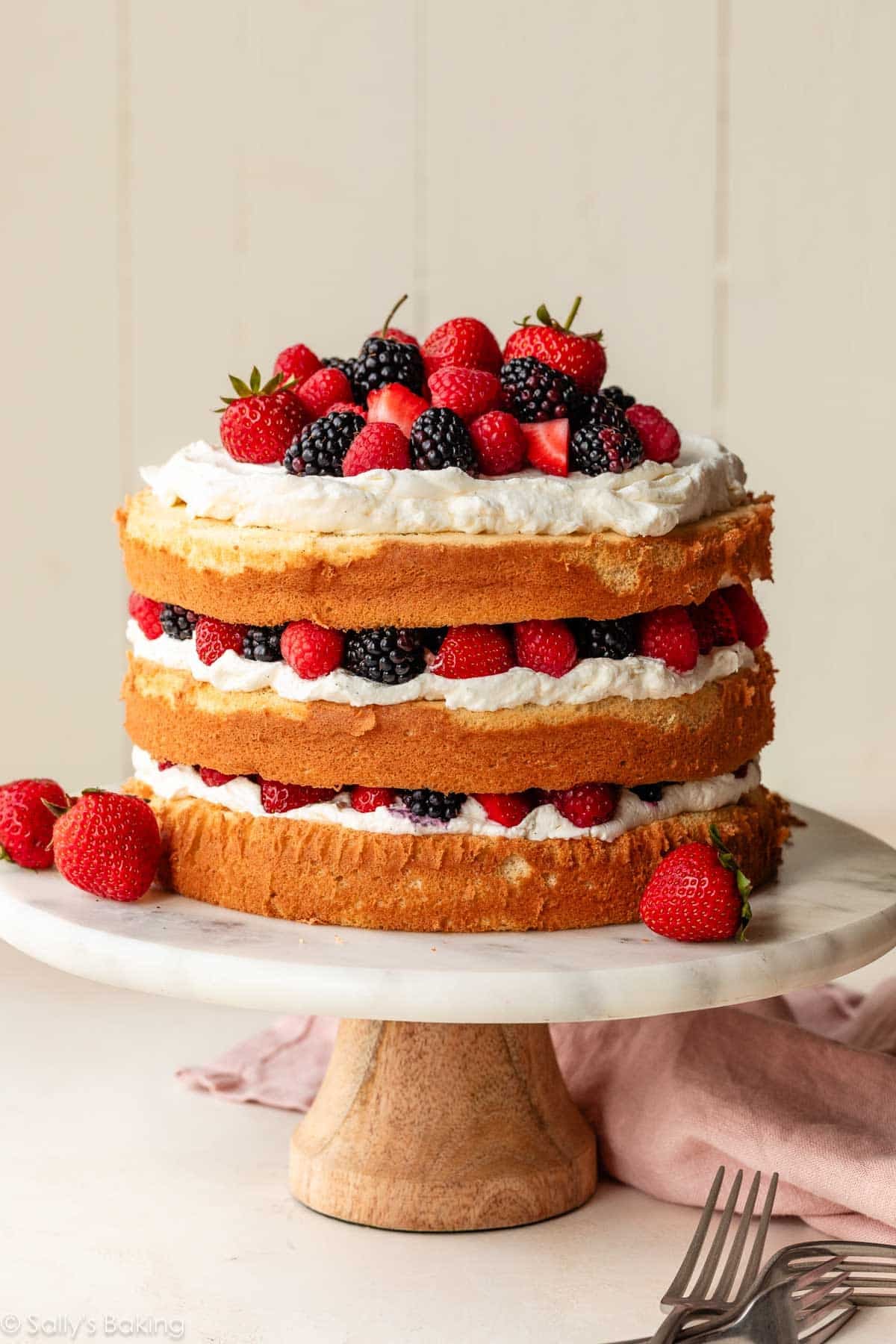
Beyond its simple elegance, the chiffon cake is also an outstanding foundation for more elaborate creations, particularly impressive layer cakes. Its inherent sturdiness, despite its lightness, makes it an ideal candidate for stacking. Bakers can either slice a cooled tube cake horizontally into multiple layers or, as an alternative, bake the batter in three separate 8-inch round baking pans. This adaptability allows for creative fillings and frostings, from fruit curds and mousses to various buttercreams, transforming the simple chiffon into a show-stopping centerpiece for birthdays, anniversaries, and other celebrations. The cake’s ability to remain moist even when refrigerated is a significant advantage for layered cakes, as it ensures the dessert stays fresh and delicious over several days.
It is important to note the specific pan requirements for chiffon cake. While adaptable to round pans for layers, it is emphatically recommended not to use a Bundt pan. The intricate designs and non-stick surfaces of Bundt pans, typically greased, are counterproductive to the chiffon cake’s need to cling to ungreased sides for ascent and can make unmolding a delicate cake nearly impossible without damage. The specific design of a tube pan, with its straight, ungreased sides and central core, is paramount for its characteristic height and structure.
Chiffon’s Enduring Appeal and Culinary Legacy
The chiffon cake’s appeal transcends mere taste and texture; it embodies a certain culinary ingenuity and adaptability that ensures its enduring popularity. Its lighter nature makes it a favored choice for spring and summer gatherings, offering a refreshing alternative to heavier, butter-laden desserts. For those seeking a dessert that is satisfying without being overly rich or sweet, chiffon cake presents a fabulous option.
Globally, the chiffon cake has found particular resonance in Asian culinary traditions, where its delicate sweetness and airy texture align well with local dessert preferences. It often serves as a base for elaborate, fruit-laden cakes and rolls, demonstrating its versatility across different flavor profiles and presentation styles. This cross-cultural adoption further solidifies its status as a truly classic and adaptable dessert.
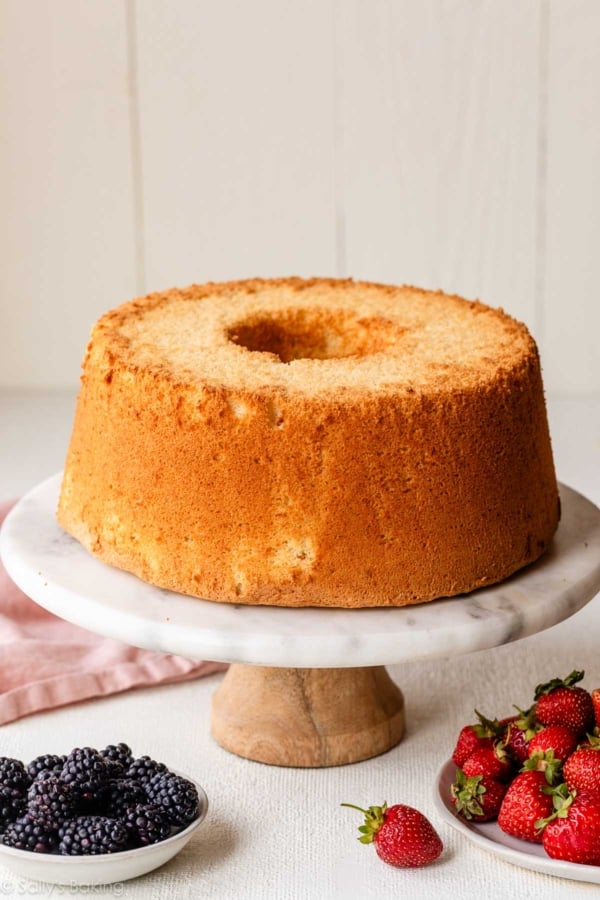
The process of baking a chiffon cake, while demanding precision, is also deeply rewarding. The transformation of simple pantry staples into such a tall, impossibly soft, and wonderfully light creation often elicits genuine surprise and admiration from those who partake. This element of delightful astonishment—the "You made this?!" reaction—is part of the chiffon cake’s charm and contributes to its reputation as an elegant yet accessible baking challenge.
Common Challenges and Expert Solutions
Despite its straightforward ingredient list, the chiffon cake can present a few challenges for the uninitiated baker. Understanding these common pitfalls and their solutions is key to consistently achieving success.
- Collapsed Cake: This is perhaps the most frequent issue. It can stem from several factors:
- Over or Under-Whipped Egg Whites: If whites are under-whipped, they lack the structural integrity to support the batter. If over-whipped, they can become dry and crumbly, unable to fold properly into the batter.
- Aggressive Folding: Deflating the whipped egg whites by folding them too vigorously will lead to a loss of air and a collapsed cake.
- Greasing the Pan: As previously discussed, greasing the pan prevents the batter from climbing, causing it to slide down.
- Under-Baking: An under-baked cake lacks the internal structure to hold its shape once removed from the oven and will often collapse.
- Not Cooling Upside Down: Skipping the inversion step immediately after baking allows gravity to compress the warm, tender crumb, leading to significant shrinkage and collapse.
- Dense or Rubbery Texture: This typically indicates overmixing the batter after adding the flour, which develops gluten excessively, or insufficient aeration from the egg whites.
- Dry Cake: While chiffon is known for moisture, a dry cake can result from over-baking, using too much flour, or incorrect ingredient ratios.
Culinary professionals and experienced bakers offer consistent advice to overcome these hurdles: take your time with the egg whites, ensuring they are whipped to the correct consistency; fold the meringue into the batter with utmost gentleness to preserve the air; strictly adhere to the ungreased tube pan rule; and never skip the crucial step of cooling the cake upside down. These techniques, while specific, are fundamental to mastering the art of chiffon cake baking and ensuring a light, tender, and beautifully structured result every time.
In conclusion, the classic chiffon cake stands as a testament to culinary innovation, a dessert that masterfully blends the best characteristics of different cake traditions into a uniquely light, moist, and delicately rich experience. From its secretive origins in Harry Baker’s kitchen to its global acclaim, the chiffon cake continues to be celebrated for its elegant simplicity and its profound versatility. By understanding its history, the science behind its unique composition, and mastering its key techniques, bakers can consistently produce a dessert that delights and impresses, securing its place as an enduring classic in the pantheon of beloved confections.