
The seemingly simple act of brewing coffee conceals a universe of intricate chemical interactions, where the quest for the perfect cup drives continuous innovation and meticulous scientific inquiry. At its core, coffee extraction involves dissolving a vast array of compounds from ground coffee beans into water, a process far more nuanced than merely steeping. The concentrations of these compounds in a brewed cup can span an astonishing nine orders of magnitude, each contributing to the final flavor profile, body, and aroma. This inherent complexity, rather than being a hindrance, is precisely what allows for the rich diversity and creative exploration in coffee brewing, enabling a spectrum of flavors from a single bean.
The Chemical Ballet of Coffee Extraction
Roasted coffee, even when prepared to perfection, is a complex matrix of soluble and insoluble compounds. The goal of brewing is not to extract everything, but rather to perform a "selective extraction," where desired compounds are dissolved at optimal concentrations while undesirable ones are minimized. If all compounds were extracted at the same rate, there would be little room for the artistry and variation that define modern coffee culture. Fortunately, this is not the case. Different chemical compounds possess unique solubilities and extraction kinetics, meaning some dissolve quickly, others slowly.
For instance, light acids (like citric and malic acid) and some volatile aromatics are extracted relatively quickly, contributing to bright, fruity notes. Sugars and certain amino acids follow, providing sweetness and body. Later, heavier acids (like quinic acid, often associated with bitterness) and larger molecular compounds (like melanoidins, which contribute to body and dark flavors) are extracted. A "total extraction," achieved by grinding extremely fine and steeping for extended periods—even boiling, akin to a Turkish coffee without additions—would yield an extraction approaching 30% of the bean’s mass. While strong, this often results in an overly bitter, muddy, and less refined beverage. The modern specialty coffee industry generally targets an extraction yield between 18% and 22% of the dry coffee mass, aiming for a balanced Total Dissolved Solids (TDS) concentration typically ranging from 1.15% to 1.35%. This precise targeting underscores the pursuit of selective extraction, where "uneven extraction" (meaning compounds are not all extracted to the same degree) is actually the desired outcome for optimal flavor balance.
Pour-Over: The Symphony of Control and Complexity
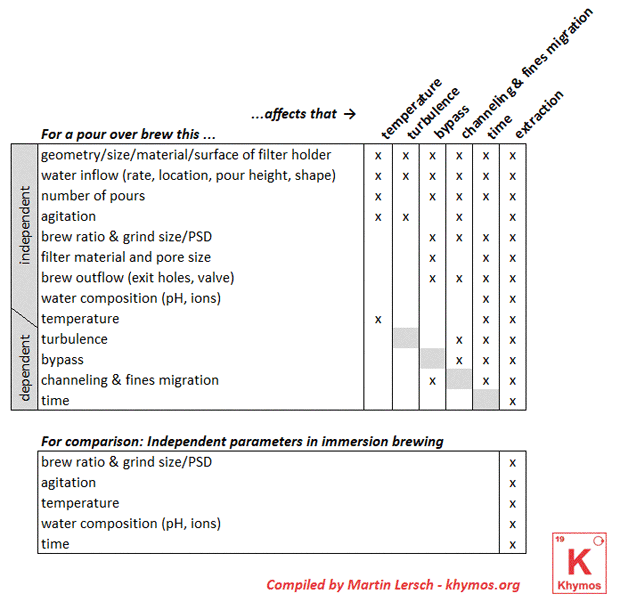
The pour-over, or percolation, technique epitomizes this pursuit of selective extraction. It involves pouring hot water over a bed of ground coffee, allowing gravity to filter the brew through a permeable medium. While deceptively simple in concept, the method offers an extraordinary number of adjustable parameters that significantly influence the final cup. These include, but are not limited to:
- Brew Ratio: The proportion of coffee to water.
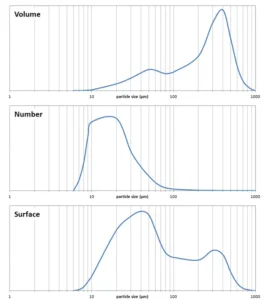
- Grind Size and Particle Size Distribution (PSD): Finer grinds increase surface area, speeding extraction but also potentially slowing flow and risking clogging. Particle size uniformity is crucial to prevent uneven extraction and channeling.
- Water Composition and Temperature: The mineral content of water (e.g., magnesium and calcium ions can enhance certain flavor extractions, while bicarbonates act as buffers) profoundly affects extraction, as does the water’s temperature, typically maintained between 90-96°C (195-205°F).
- Filter Material and Pore Size: Paper filters offer clarity, while metal filters allow more oils and fines through, contributing to body.
- Inflow Control (Pouring Technique): The speed, pattern, and height of water pouring influence agitation, saturation, and temperature stability. Tools like gooseneck kettles, water distributors (e.g., Gabi Dripmaster, Melodrip), and even automated pour-over machines are designed to optimize this.
- Coffee Bed Geometry and Depth: Influenced by the dripper shape (conical, flat-bottom, trapezoidal) and the amount of coffee used. A taller, narrower bed generally promotes better contact but slower flow, while a flat bed allows faster flow but risks channeling.
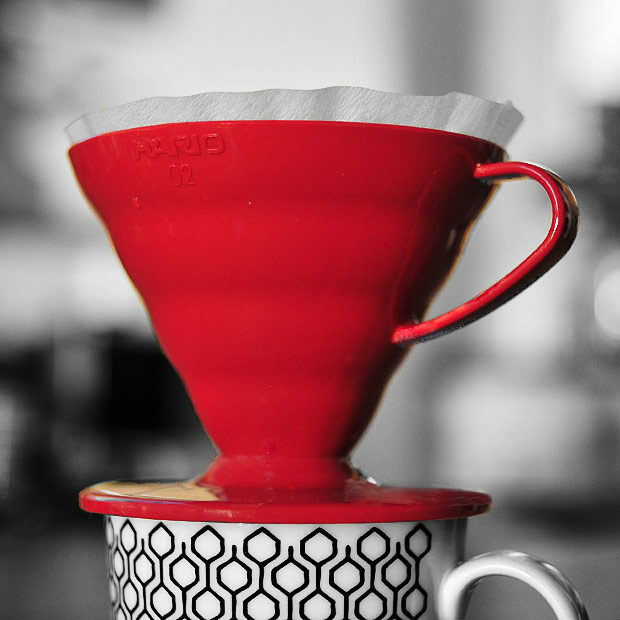
- Inside Wall Surface of the Dripper: Ridges or patterns on the inner walls of conical drippers (like the Hario V60) allow water to flow freely down the sides of the filter paper, preventing it from sticking and blocking flow. Smooth-walled drippers (like Chemex) intentionally block this side flow, forcing all water through the coffee bed, minimizing bypass.
- Exit Holes and Outflow Control: The number and size of holes at the bottom of the dripper, or the presence of a flow-restriction valve, dictate the draw-down time. Some drippers, like the Clever Dripper or Hario Switch, incorporate a shut-off valve, effectively combining immersion and percolation phases.
- Bypass: Critically, water that bypasses the coffee bed without interacting with the grounds merely dilutes the final brew. This can occur when water finds paths of least resistance, particularly with fine grinds, high water levels above the coffee bed, or dripper designs that facilitate side flow. Minimizing uncontrolled bypass is a key goal for consistent and efficient extraction.
The intricate correlations between these parameters introduce immense complexity. For instance, a finer grind might increase extraction yield but simultaneously slow flow, increase contact time, risk filter clogging, and potentially increase bypass if water accumulates above the coffee bed. The countless YouTube videos and online guides dedicated to pour-over techniques testify to this complexity, as baristas and enthusiasts relentlessly experiment to unlock optimal flavors. Despite the challenges, pour-over remains popular precisely because it grants professional and home brewers a high degree of control over the final outcome, allowing them to tailor the brew to specific beans and desired tastes.
However, this complexity also has a downside: it introduces unintended and random variations, fostering a fertile ground for "coffee preparation myths" and making it difficult for two individuals to achieve similar results even when ostensibly following the same "recipe," as most recipes lack sufficient detail on all influencing parameters.
A Historical Perspective on Brewing Innovation
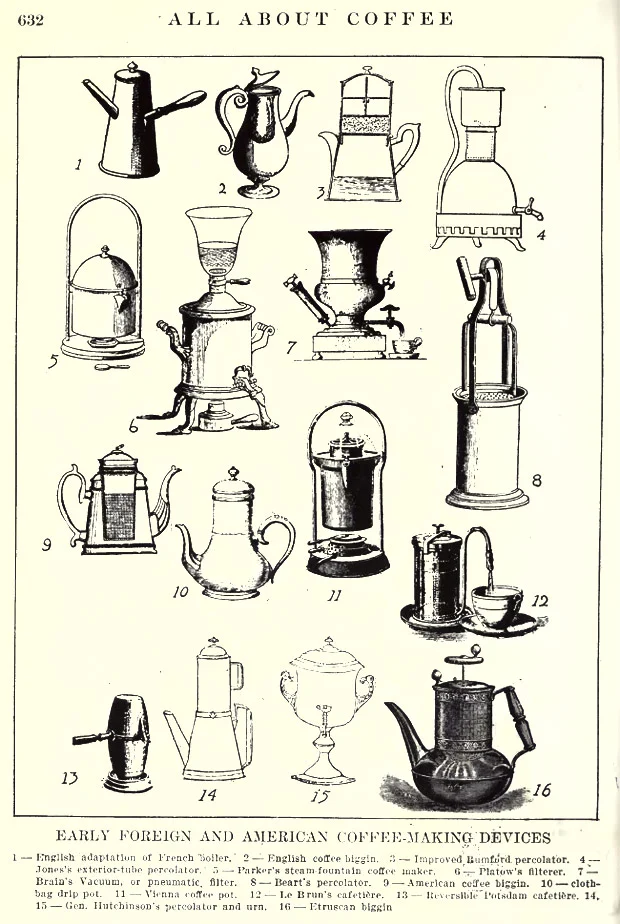
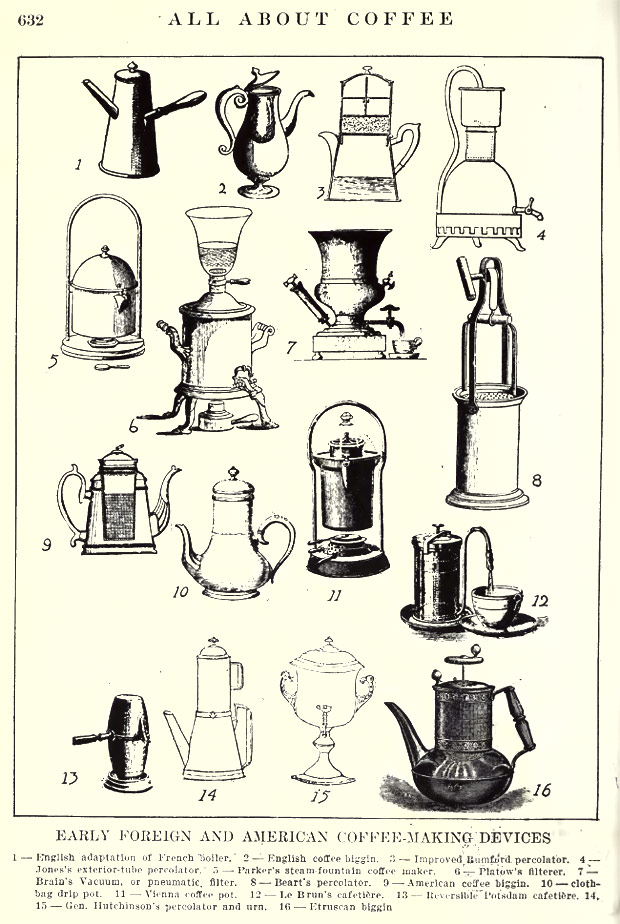
The quest for optimized coffee brewing is not new. Illustrations from W. A. Ukers’ 1922 tome, "All About Coffee," reveal a rich history of innovative coffee makers, demonstrating that inventors have been "untieing the coffee knot" for centuries. Early methods often involved boiling coffee grounds directly, leading to bitter and muddy brews. A significant turning point came in 1908 with Melitta Bentz’s invention of the paper filter, which revolutionized drip brewing by providing a cleaner cup free of sediment.
The 20th century saw the popularization of coffee percolators (distinct from pour-over percolation), which relied on convection to circulate hot water through coffee grounds. While convenient, these often over-extracted coffee due to repeated exposure to boiling water. The modern specialty coffee movement, gaining traction in the late 20th and early 21st centuries, renewed focus on precise control and selective extraction, leading to the resurgence and refinement of pour-over methods. Iconic designs like the conical Hario V60, the flat-bottomed Kalita Wave, and the elegant Chemex each represent distinct approaches to managing flow, extraction, and bypass, embodying the ongoing engineering and chemical optimization of the brewing process. The sheer diversity of drippers available today, with variations in material, shape, and features, underscores the industry’s relentless pursuit of better and more consistent brewing.
Immersion Brewing: The Pursuit of Repeatability
In contrast to the dynamic control of pour-over, immersion brewing offers a more robust and repeatable method. Here, all the coffee grounds are steeped in the full volume of hot water for a predetermined period. Initial stirring helps ensure full saturation and degasification. After the desired extraction time, the brewed coffee is separated from the grounds, typically by filtration or pressing. This method’s inherent simplicity makes it highly forgiving: two individuals following the same recipe are far more likely to produce similar results, making it a favorite for those prioritizing consistency and a less demanding brewing ritual.
Common examples include the French Press, Aeropress (especially in its inverted configuration), and the Clever Dripper. A key advantage of immersion, particularly when combined with pressure filtration (as in the French Press or Aeropress), is that brewing time can be controlled largely independently of grind size. As extraction time increases, so do Total Dissolved Solids (TDS) and Extraction Yield (EY), eventually leveling off as the system approaches equilibrium between the coffee brew and the grounds. While immersion brewing is also selective—especially given that grind sizes are typically coarser than for total extraction and water temperatures cool during the steep—it often results in a wonderfully balanced cup. Varying steep time, grind size, and brew ratio still allows for significant flavor customization within the robust framework.
The French Press, characterized by its relatively open wire mesh filter, allows a significant amount of "fines" (very small coffee particles) into the cup. These fines contribute to the coffee’s characteristic body and texture, often leaving a noticeable sediment at the bottom of the cup. While some appreciate this mouthfeel, others find the extended contact with fines can introduce undesired bitterness or muddiness. For a cleaner cup, French Press coffee can be post-filtered through paper, removing fines and some oils, resulting in a clearer, though sometimes less viscous, beverage. Despite its robustness, immersion coffee can sometimes be perceived as "muted" compared to a perfectly executed, nuanced pour-over, prompting continued exploration into hybrid methods.
Bridging the Divide: Hybrid Methods and Future Implications
The ongoing evolution of coffee makers reflects a continuous effort to synthesize the best attributes of both pour-over and immersion. Devices like the Clever Dripper and Hario Switch exemplify this, allowing for an initial immersion phase followed by a controlled percolation draw-down via a shut-off valve. These hybrid brewers aim to capture the repeatability of full immersion while retaining some of the clarity and flavor definition achievable through percolation. Newer innovations like the Delter Coffee Press and Tricolate further push the boundaries, often focusing on minimizing bypass and ensuring even water distribution across the coffee bed.
The vivid depiction of Gale Boetticher’s elaborate coffee setup in "Breaking Bad" serves as a cultural touchstone, encapsulating the aspirational pursuit of the "very best cup of coffee." This fictional quest mirrors the real-world dedication of coffee scientists, engineers, and baristas who continue to refine brewing methodologies and equipment. The implications of this continuous innovation are far-reaching, influencing consumer choices, driving product development, and fostering a deeper appreciation for the chemistry and craftsmanship involved in coffee. For the home brewer, it means an ever-expanding array of tools and techniques to explore, each offering a unique pathway to understanding and enjoying the complex beverage. The journey for the ultimate cup of coffee is an ongoing scientific and sensory adventure, promising further exciting developments as our understanding of extraction continues to grow.