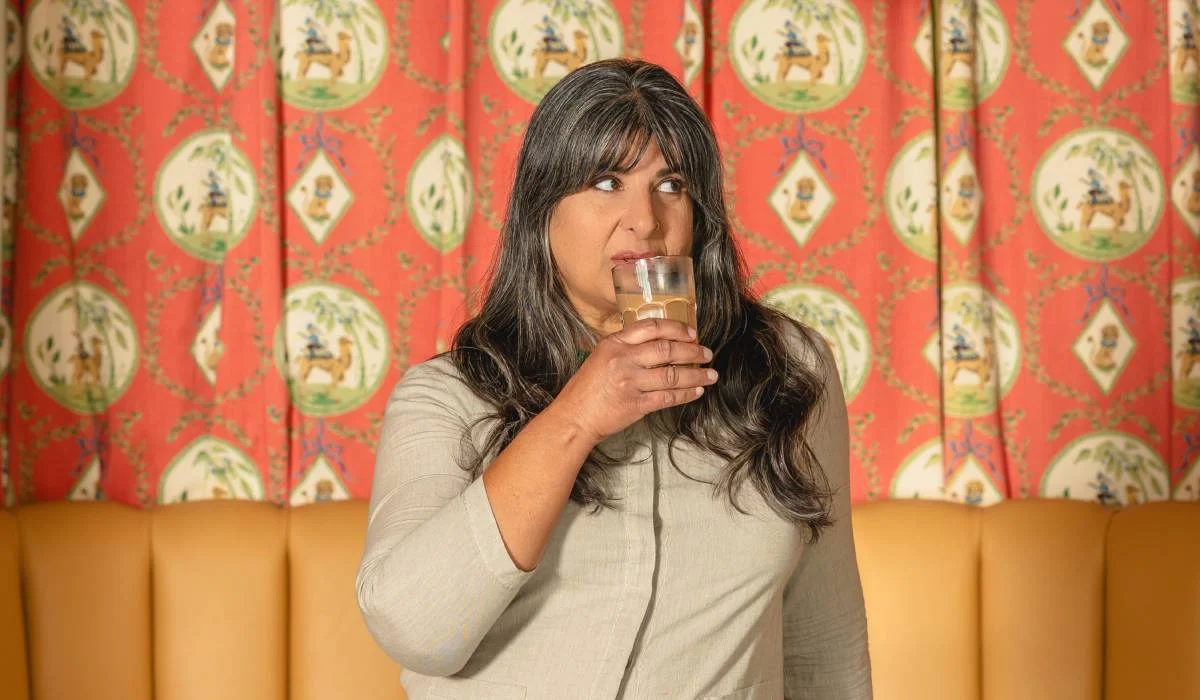

Preeti Waas, a two-time James Beard Award semifinalist, has transitioned her culinary vision from humble market stands to a sophisticated multi-concept operation that challenges Western perceptions of South Asian cuisine while navigating the profound personal and economic complexities of the modern hospitality industry. Her latest venture, located within the Horseshoe at Hub RTP (Research Triangle Park), represents a strategic expansion into one of North America’s most significant economic engines, serving as a testament to her family’s resilience following the tragic loss of her daughter, Ellie. This expansion is not merely a business growth move but a manifestation of Waas’s "stubborn refusal" to compromise on the authenticity of her heritage, even in the face of rising operational costs and the shifting landscape of the American dining experience.
The Strategic Expansion into Hub RTP and the Horseshoe Development
The opening of the newest Cheeni Indian Food Emporium marks a pivotal moment for Waas and the Research Triangle region. Hub RTP is the first major mixed-use development within the 7,000-acre Research Triangle Park, which serves as the headquarters for global giants such as IBM, Cisco, Fidelity, and various biotechnology leaders. The "Horseshoe" at Hub RTP is designed to function as a futuristic "downtown" for the park, offering a blend of retail, dining, and community spaces to a workforce traditionally confined to isolated corporate campuses.
Within this high-tech corridor, Waas has established a dual-concept presence. Adjacent to the main Cheeni restaurant is Nanny Goat, a boutique bodega designed to serve the local community and corporate commuters. Nanny Goat functions as a neighborhood market, offering locally sourced produce, artisan gifts, and curated grab-and-go items. The naming of the bodega carries significant historical and symbolic weight; it is named after the protective female goat in a herd, but it also pays homage to the 19th-century Nanny Goat Market in Philadelphia. That historic market was a sanctuary for Irish immigrants before it was destroyed during civil unrest, reflecting Waas’s own themes of refuge and community building through food.
A Chronology of Resilience: From YMCA Kiosks to James Beard Recognition
The trajectory of the Cheeni brand is a case study in organic growth and tactical pivoting. The concept began in 2017 with modest roots, operating out of tiny market stands and a kiosk at a Raleigh YMCA. These early iterations allowed Waas to test her recipes and build a loyal following, eventually leading to the opening of a fast-casual cafe in Raleigh. That location garnered significant critical acclaim, earning Eater’s "Best New Restaurant" award.
However, the path has not been without significant obstacles. In April 2024, Waas was forced to close the original Raleigh location, citing the unsustainable nature of rising operational costs—a challenge currently plaguing the entire hospitality sector. Despite this setback, the Cheeni brand continued to flourish in other areas. In late 2023, Waas opened Cheeni Durham, and by June 2024, she launched The Bar Beej.

The Bar Beej, a cocktail bar co-created with her daughter Amy Waas, represents a "kitchen-driven" approach to mixology. The menu utilizes the spices, produce, and flavor profiles inherent to an Indian home kitchen, often incorporating kitchen "discards" to create complex, zero-waste flavor profiles. This innovative approach was almost immediately recognized by the culinary establishment, earning a James Beard Award semifinalist nod for "Best New Bar" within its first year of operation.
Challenging the "Tikka Masala" Paradigm: A Commitment to Authenticity
A central tenet of Waas’s philosophy is the deconstruction of "Americanized" Indian food. She famously excludes chicken tikka masala from her menus, educating guests that the dish is not authentically Indian but rather a product of the 1970s Glasgow culinary scene. Instead, Waas focuses on regional South Asian traditions, offering a rotating menu that reflects seasonal availability and historical accuracy.
The menu at Cheeni Durham and RTP is meticulously categorized to guide guests through a traditional Indian dining experience:
- Chhota Khana & Chaat: This section focuses on small plates and street food, featuring items like keema samosas—crisp pastries filled with tender minced lamb.
- Kaaris & Such: Larger plates that explore regional diversity, such as the fish moilee, a silky coconut milk-based gravy from the Malabar coast, and the "fiery hot" vinegar-spiked lamb vindaloo, which honors the Portuguese-influenced traditions of Goa.
- Sigri Se (From the Grill): This section highlights tandoor-style cooking and grilled vegetables. A standout item is "The Rani," which features spice-crusted house-made paneer served with preserved lemon labneh and beetroot raita.
- Sigri Mein (Alongside): Waas emphasizes the distinction in Indian breads, offering a thicker, traditional vegan naan and flaky malabar paratha, designed to complement house-made achaars (pickles) and gravies.
In the RTP location, the dining format varies between lunch and dinner. Lunch offers accessible items like dosa waffles—a fermented rice and lentil take on the Western breakfast staple—served with sambar and chutneys. Dinner transitions into a more structured, six-course tasting format, priced at $50 for vegetarians and $55 for omnivores, offered exclusively for dine-in guests to preserve the integrity of the experience.
Economic Pressures and the Psychology of Pricing
Waas’s expansion comes at a time of extreme volatility for the restaurant industry. Food service operators are currently grappling with a "triple threat" of economic pressures: labor shortages, supply chain disruptions, and inflationary spikes in raw ingredients. For a chef committed to scratch cooking and high-quality spices—many of which are subject to fluctuating tariffs—maintaining price points is a constant struggle.
Waas has been transparent about the "customer dissatisfaction" that sometimes arises from menu pricing. She notes that while fixed costs—including fair wages for staff and the procurement of authentic ingredients—remain non-negotiable, the consumer’s ability to pay is being squeezed by macroeconomic factors. Her strategy for survival involves shifting the focus from "justifying prices" to "adding value," ensuring that every meal feels like a comprehensive, culturally immersive experience that cannot be replicated at home or in a standard fast-food setting.

Industry data supports Waas’s concerns. According to recent National Restaurant Association reports, nearly 90% of operators say their total food costs are higher than they were in 2019, while labor costs have risen by over 20% in many regions. Waas’s move toward a fixed-price dinner format at the RTP location is a strategic response to these trends, allowing for better inventory management and more predictable revenue streams.
The Human Element: Grit Born from Trauma and Grief
To understand the "stubbornness" Waas brings to her kitchen, one must look at her upbringing in India. Her childhood was marked by severe adversity, including an abusive, alcoholic father and an emotionally distant mother. For a young Preeti, food was initially a source of terror; she was tasked with cooking for her father under the threat of violence if the meal was not prepared quickly enough.
The transformation of her relationship with food occurred through motherhood. Waas recounts that the act of nourishing her own children allowed her to reclaim food as a tool of love and survival rather than one of fear. This "fire to feed people" became her driving force, leading her to open her first commercial ventures.
The most recent and profound challenge to the Waas family was the death of Preeti’s second daughter, Ellie, who passed away in 2023 at the age of 21. Ellie was a central figure at the original Cheeni, known for her intuitive hospitality and deep belief in her mother’s mission. It was Ellie’s performance during a visit from the Hub RTP development team that secured the contract for the new location. The developers were so moved by Ellie’s warmth and the "experience she provided" that they pursued Cheeni as a primary tenant. While Ellie did not live to see the RTP location open, Waas maintains that the restaurant exists because of her, and her spirit remains a foundational element of the space.
Implications for the North Carolina Culinary Landscape
The success and expansion of Cheeni represent a broader shift in the North Carolina food scene. The Research Triangle is increasingly becoming a destination for high-end, authentic ethnic cuisine that moves beyond the traditional "Southern BBQ" or "New American" tropes. Waas’s recognition by the James Beard Foundation places her among a vanguard of chefs who are diversifying the Southern palate and proving that there is a market for uncompromising, regional international food in the "New South."
As Waas focuses on keeping her doors open amidst global economic shifts, her story serves as a blueprint for other independent restaurateurs. It is a narrative of pivoting when necessary, educating the consumer, and grounding a business in a deeply personal mission. For Waas, the restaurant is more than a commercial enterprise; it is a vessel for heritage, a tribute to her daughters, and a refusal to let the hardships of the past dictate the quality of the present. Through Cheeni, Nanny Goat, and The Bar Beej, she continues to provide "nourishment" in every sense of the word, ensuring that her guests leave with a deeper understanding of both Indian culture and the grit required to bring it to the American table.