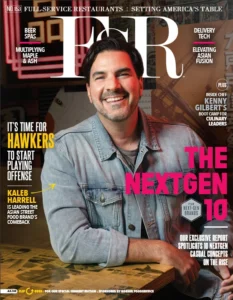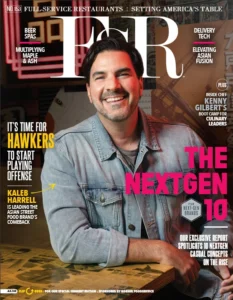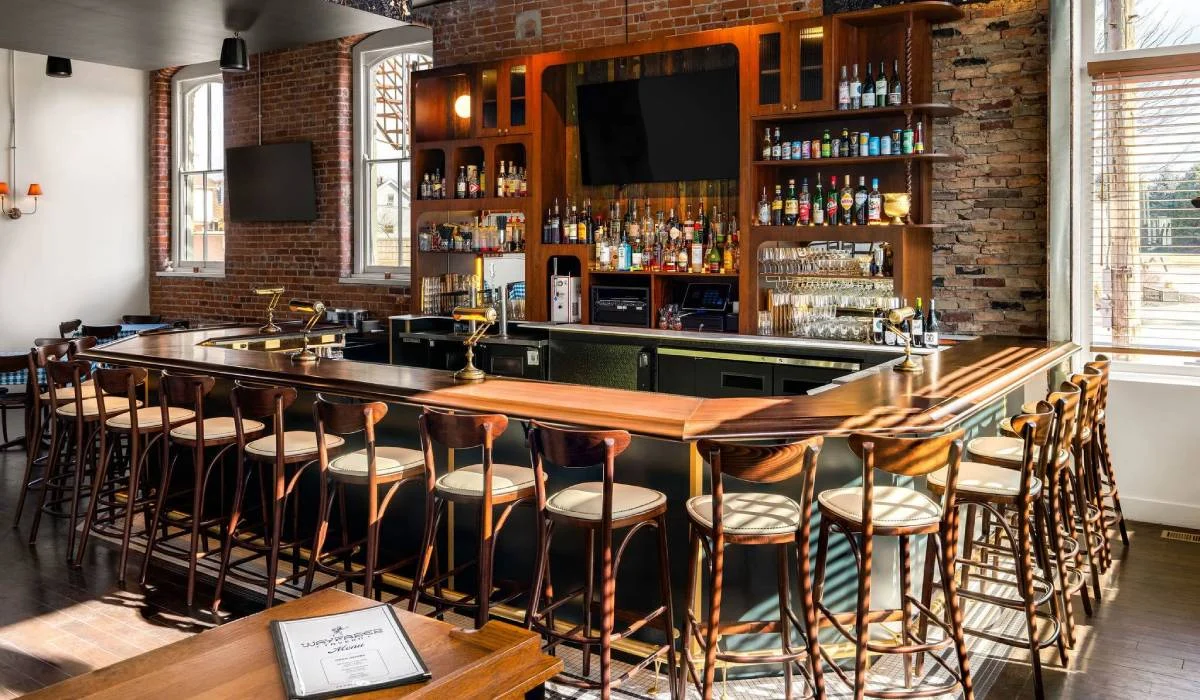

The landscape of the American restaurant industry is undergoing a period of profound transformation, characterized by a shift in consumer preferences, technological integration, and a volatile economic environment. At the center of this evolution is the role of specialized business-to-business (B2B) media, which serves as a critical resource for decision-makers navigating the complexities of the full-service restaurant (FSR) sector. As hospitality groups and independent operators seek to balance rising labor costs with the demand for premium guest experiences, platforms like FSR Magazine have pivoted to prioritize "NextGen" chains and innovative independent ventures. This strategic focus reflects a broader industry trend where agility, brand identity, and data-driven operations have become the primary drivers of long-term viability in a market projected to exceed $1.1 trillion in total sales by the end of the mid-2020s.
The Strategic Role of Specialized Media in the Hospitality Ecosystem
In an era of information saturation, the necessity for curated, industry-specific intelligence has never been more acute. The full-service restaurant sector—defined by establishments where waitstaff provide table service—encompasses a wide range of business models, from Michelin-starred fine dining to casual neighborhood bistros. For the decision-makers within these organizations, the challenges are distinct from those faced by quick-service (QSR) or fast-casual operators.
The mission of contemporary hospitality media is to "set the table" for these executives by providing insights into supply chain management, menu engineering, and real estate acquisition. Under the stewardship of entities like Arrowfly LLC, the focus has increasingly sharpened on three specific pillars: independent operators, multi-unit hospitality groups, and emerging "NextGen" chains. These segments represent the most dynamic areas of growth and innovation within the industry, often serving as the testing grounds for trends that eventually permeate the wider culinary world.
The Resurgence of the Independent Operator
Despite the scale and purchasing power of national franchises, independent restaurants remain the soul of the American dining scene. According to industry data, independent establishments account for more than half of the total full-service locations in the United States. These operators are currently navigating a "new normal" where the traditional metrics of success are being redefined.
Historically, independent restaurants operated on thin margins, often vulnerable to slight fluctuations in food costs or foot traffic. However, the post-pandemic era has seen a resurgence in consumer loyalty toward local brands. Diners are increasingly seeking "authentic" and "experiential" dining—qualities that independent restaurants are uniquely positioned to provide. To survive and thrive, these operators are adopting sophisticated business tools once reserved for large corporations, including advanced point-of-sale (POS) systems, AI-driven inventory management, and targeted digital marketing strategies. The focus of industry media has shifted to highlight these "scrappy" innovators who are successfully blending culinary artistry with rigorous financial discipline.
Defining the NextGen Chain: The New Frontier of Scalability
Perhaps the most significant development in the 2020s is the rise of the "NextGen" chain. Unlike the legacy casual-dining brands of the 1990s, which often struggled with over-standardization and declining brand relevance, NextGen chains are built on a foundation of "approachable excellence." These are emerging brands—typically with 5 to 50 units—that prioritize high-quality ingredients, unique interior design, and a strong digital footprint.
NextGen chains are often backed by private equity or established hospitality groups, allowing them to scale rapidly while maintaining the feel of a boutique restaurant. Examples include brands focused on "polished casual" dining, specialized brunch concepts, and "eatertainment" venues that combine high-end food with social activities. For industry analysts, these chains represent the future of the FSR space because they bridge the gap between the uniqueness of an independent and the operational efficiency of a large-scale franchise.
A Chronology of Industry Transformation: 2020–2026
To understand the current state of the full-service sector, it is essential to trace the timeline of events that have shaped the current market dynamics:
- 2020–2021: The Survival Phase. The global pandemic forced a total reimagining of full-service dining. Operators pivoted to off-premises sales, outdoor dining, and "ghost kitchen" models. This period saw the permanent closure of roughly 10% of U.S. restaurants but also spurred a massive leap in technological adoption.
- 2022–2023: The Great Recovery and Inflationary Pressure. As dining rooms reopened to full capacity, the industry faced a dual crisis: a severe labor shortage and record-high food inflation. This forced a massive restructuring of wages and a move toward smaller, more efficient menus.
- 2024: The Stabilization of the "New Normal." The industry reached a point of stabilization where technology became a standard requirement rather than a luxury. Full-service sales began to outpace inflation for the first time in three years, driven by a "revenge dining" sentiment among consumers.
- 2025–2026: The Era of Personalization and Data. Heading into 2026, the focus has shifted toward hyper-personalization. Using guest data collected through loyalty programs and reservation platforms, FSR operators are now able to tailor experiences to individual preferences, significantly increasing customer lifetime value.
Supporting Data: The Economic Impact of Full-Service Dining
The economic footprint of the full-service restaurant industry is a cornerstone of the broader U.S. economy. Recent data from the National Restaurant Association and various market research firms highlight several key trends:
- Revenue Growth: Total restaurant industry sales reached approximately $1.1 trillion in 2024, with the full-service segment contributing nearly 45% of that total.
- Labor Dynamics: The hospitality sector remains one of the largest private-sector employers. However, labor costs as a percentage of sales have risen from a historical average of 30% to nearly 35-38% in some high-cost urban markets, necessitating a focus on labor-saving kitchen technologies.
- Consumer Spending: Despite inflationary concerns, consumer spending on "food away from home" continues to grow. Millennials and Gen Z now represent the largest spending cohorts, with a preference for brands that demonstrate social responsibility and offer "Instagrammable" environments.
- Real Estate: There has been a notable shift in real estate strategy. Many FSR groups are moving away from traditional malls and toward mixed-use developments and suburban "lifestyle centers" where foot traffic is more consistent.
The Rise of Hospitality Groups and Multi-Concept Operators
A significant trend noted by industry observers is the consolidation of independent restaurants into "Hospitality Groups." Rather than operating as isolated entities, many successful chefs and entrepreneurs are forming umbrella organizations that manage multiple distinct concepts. This model allows for centralized administrative functions—such as human resources, accounting, and procurement—while allowing each restaurant to maintain its unique brand identity.
These groups are often the primary audience for FSR-focused media. By sharing resources, they can weather economic downturns more effectively than single-unit independents. Furthermore, hospitality groups are increasingly becoming the "incubators" for NextGen chains; a successful concept in one city is often refined and scaled into a regional or national brand.
Official Responses and Industry Sentiment
While official statements from major trade organizations remain optimistic, there is a palpable sense of cautious pragmatism among operators. "The days of ‘build it and they will come’ are over," noted one executive from a leading NextGen breakfast chain. "Today, you have to be a tech company that happens to serve great food. If you aren’t using data to understand your table turns, your labor spend, and your guest sentiment in real-time, you are flying blind."
Similarly, representatives from independent restaurant coalitions have emphasized the need for legislative support, particularly regarding credit card swipe fees and more flexible visa programs to address the ongoing labor shortage. The sentiment across the board is that while the demand for dining out is at an all-time high, the complexity of running a profitable full-service operation has never been greater.
Broader Impact and Future Implications
The evolution of the FSR sector has implications that extend far beyond the kitchen. As these restaurants integrate more deeply with technology, they are becoming significant players in the "data economy." The information gathered by a high-end hospitality group about consumer behavior is increasingly valuable to developers, retailers, and marketers.
Furthermore, the shift toward "NextGen" chains and sophisticated independents is redefining urban and suburban landscapes. Restaurants are no longer just places to eat; they are "anchors" for community development. The success or failure of a high-profile full-service restaurant can dictate the economic health of a city block or a new development project.
Looking toward the remainder of 2026 and beyond, the full-service restaurant industry will likely be defined by a "flight to quality." Consumers, increasingly discerning about where they spend their discretionary income, will gravitate toward brands that offer a seamless blend of high-quality cuisine, impeccable service, and digital convenience. For the media platforms that serve this industry, the challenge will be to continue providing the high-level strategic insights that allow these diverse operators to thrive in an increasingly competitive and complex global market. Through the lens of FSR Magazine and its peers, the story of the modern restaurant is one of resilience, innovation, and an unwavering commitment to the art of hospitality.