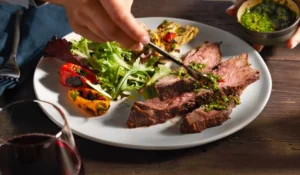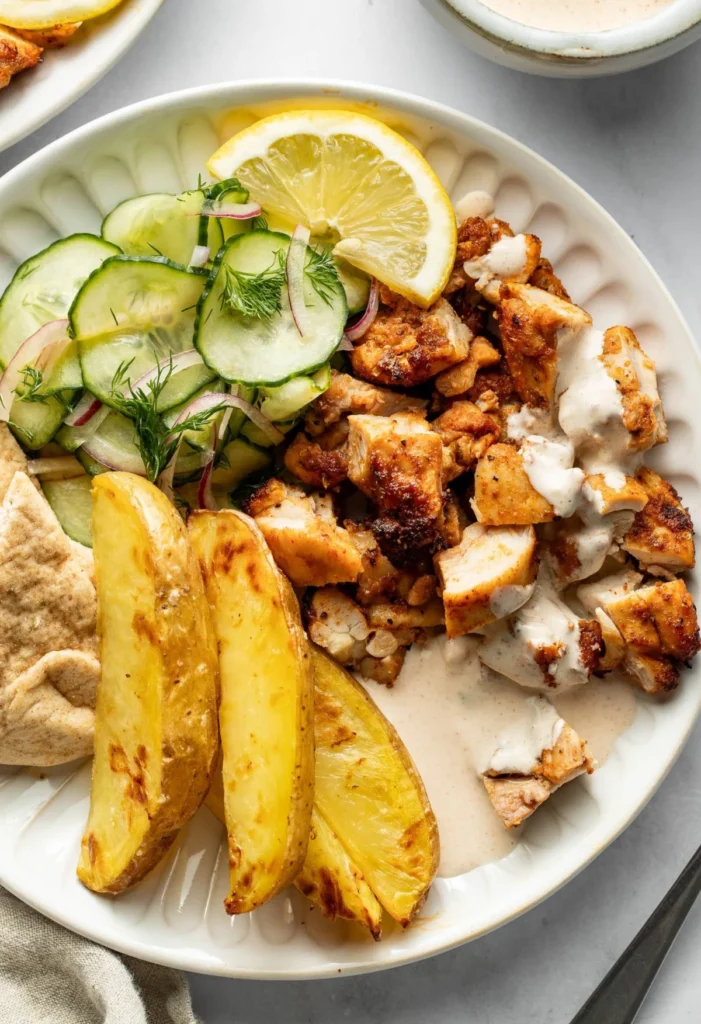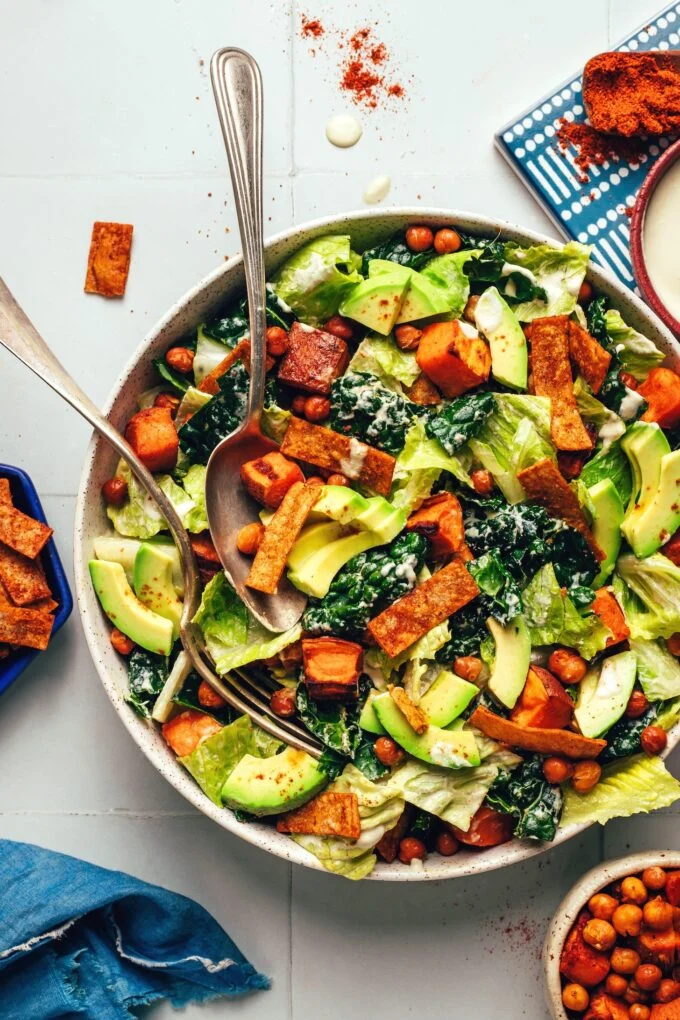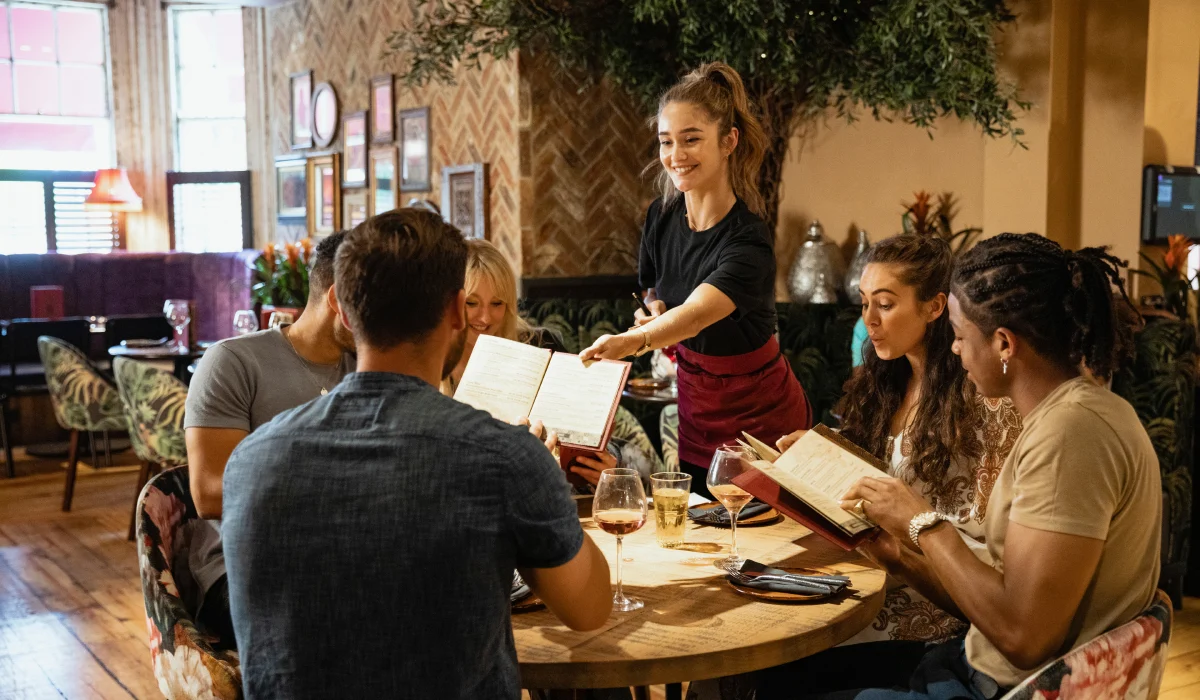

The current era, defined by the widespread adoption of GLP-1 medications such as Ozempic, Wegovy, and Mounjaro, presents a different set of challenges and opportunities. Unlike the restrictive calorie-counting regimes of the past, the physiological impact of GLP-1 drugs alters the nature of appetite itself. These medications slow gastric emptying and signal the brain to feel full sooner, meaning users are often less concerned with "points" or "carbs" and more focused on volume control and nutrient density. Consequently, these diners are increasingly looking for their favorite foods in smaller portions, with a specific emphasis on protein and fiber to maintain muscle mass and satiety. However, the desire for discretion remains a dominant force. Just as diners in the 1990s didn’t always want to be seen ordering the "diet plate," modern GLP-1 users often wish to covertly manage their intake without announcing their medical journey to the dining room. This shift suggests that the future of restaurant success lies not in creating a niche "GLP-1 Menu," but in redesigning menu architecture to accommodate a world of variable appetites.
The Evolution of Weight Management in the Dining Industry
To understand the current shift, one must look at the chronology of how the restaurant industry has historically interfaced with weight loss. In the late 20th century, the focus was almost entirely on fat reduction, leading to "low-fat" sections that often replaced lipids with sugar to maintain flavor. By the early 2000s, the Atkins and South Beach diets shifted the focus toward carbohydrates, leading to the "bunless burger" phenomenon and the introduction of lettuce wraps across fast-casual chains. The 2010s saw the implementation of federal calorie labeling mandates, which forced transparency but also led to the "shame-based" ordering patterns where diners felt pressured to choose the lowest number on the page.
The 2020s, however, mark the beginning of the "Appetite Economics" era. With an estimated 1 in 8 U.S. adults having tried a GLP-1 medication as of 2024, the sheer scale of the demographic is too large to ignore. Analysts at Morgan Stanley have projected that the market for these drugs could reach $100 billion by 2030, with a significant portion of that growth coming from consumers who were previously the highest-spending demographics in full-service and quick-service restaurants. This demographic shift is not a passing fad but a medicalized change in consumer behavior that requires a structural, rather than promotional, response from operators.
Analyzing the Data: Consumer Sentiment and Identity Rejection
Recent research from Curion Insights, which fielded a comprehensive study involving over 8,500 consumers, provides a data-driven roadmap for this transition. The findings highlight a significant gap between what consumers want to eat and how they want those choices to be labeled. According to the study, 58.5 percent of respondents indicated they would be likely to order smaller, protein-forward versions of popular menu items if they were offered. This suggests a massive latent demand for portion flexibility that goes beyond the traditional "half-portion" salads.
However, the resistance to being labeled remains a significant barrier. While nearly 60 percent of diners want the product, 37.4 percent explicitly stated they are not interested in a menu labeled as "GLP-1-friendly." This creates a potential marketing trap for restaurant operators. If a brand markets a section of the menu specifically to GLP-1 users, they risk repelling the very target market they intended to attract. The data shows that consumers are signaling a strong interest in the offering but a firm rejection of the identity.
When Curion asked what specifically would make a restaurant feel more accommodating to their current needs, the responses were telling:
- Flexible Portion Sizes: 39.2 percent (The top priority)
- Protein-First Framing: 28.0 percent
- Smaller Indulgent Options: 23.5 percent
- Clear GLP-1 Labeling: Only 9.1 percent
- General Wellness Framing (e.g., "Light" or "Balanced"): 11.4 percent
These figures suggest that the modern diner values autonomy and modularity over prescriptive "healthy" choices. They want the ability to order a high-quality steak or a signature pasta, but in a size that aligns with their reduced appetite, without the "diet" branding.
The Rise of the "Macro Chaser" and Fitness Overlap
The preferences of GLP-1 users do not exist in a vacuum; they mirror a broader cultural shift toward "macro-tracking" and protein prioritization. Social media platforms like TikTok and Instagram have popularized the "1 gram of protein per pound of body weight" goal, which has been adopted by fitness enthusiasts, people managing medical conditions like Polycystic Ovary Syndrome (PCOS), and general wellness seekers.
For years, these "macro chasers" have been driving trends in the Consumer Packaged Goods (CPG) world, where protein is now added to everything from popcorn to instant mashed potatoes. In the restaurant space, these consumers have historically relied on "menu hacks" and "secret menus" to get what they need—such as ordering multiple sides of grilled chicken or asking for double protein in a bowl while omitting the rice. The GLP-1 movement has simply brought these needs into sharper focus. A menu architecture that supports a diner with a reduced appetite also serves a marathon runner refueling after a workout or a fitness enthusiast tracking their daily protein intake. This overlap transforms the GLP-1 trend from a niche medical concern into a mainstream consumer requirement.
Operational Risks: The "Kids’ Menu" Workaround and Margin Erosion
One of the most pressing issues for restaurant operators is the "Kids’ Menu" workaround. Because many restaurants lack adult-sized small portions, GLP-1 users are increasingly turning to children’s meals as a practical solution. These meals are naturally smaller and simpler, making them an ideal fit for someone with reduced hunger.
Digital communities are accelerating this trend. A quick analysis of forums like r/Ozempic and r/Semaglutide on Reddit reveals thousands of users sharing "hacks" for ordering kids’ meals at national chains like Chipotle, Chick-fil-A, and Cheesecake Factory. Curion’s polling reinforces this: 24 percent of consumers currently using a GLP-1 medication admit they often order from the kids’ menu.
For restaurants, this represents a significant financial risk. Kids’ meals are frequently priced as "loss leaders"—low-margin items designed to attract families. When adults begin substituting high-margin entrées with low-margin kids’ meals, it erodes the restaurant’s profitability. To combat this, operators must introduce "intermediate" portions—adult-appropriate smaller sizes that are priced to maintain margins while still offering value to the consumer.
Industry Responses and Future Implications
While the CPG industry has been quicker to pivot, the restaurant sector is beginning to take notice. Smoothie King was among the first to overtly market a "GLP-1 Protein Power" smoothie, but other brands are taking a more subtle approach. Chipotle and Sweetgreen have leaned into "Protein Plates" and customizable bowls that allow for easy macro-tracking without explicit weight-loss branding.
As the industry moves forward, three clear imperatives for menu design have emerged:
- Portion Modularity: Moving away from a "one-size-fits-all" entrée model toward small, medium, and large options for signature dishes.
- Protein Prominence: Highlighting the protein content of dishes as a primary selling point, rather than focusing on what has been "removed" (like fat or carbs).
- Indulgence in Miniature: Recognizing that GLP-1 users still want flavor and indulgence, but in "high-intensity" smaller formats.
The ultimate challenge for operators is "satisfaction per bite." It is operationally simple to offer a smaller plate, but making that plate feel "worth it" to a discerning diner is difficult. Success in this new landscape will require engineering satiety through texture and protein density, using language that encourages trial without triggering the "diet" stigma, and pricing smaller portions so they feel like a smart choice rather than a penalty.
The winners in this movement will be the brands that move beyond the "diet section" mentality and embrace a flexible menu architecture. By letting guests choose the scale of their experience, restaurants can capture the loyalty of the growing GLP-1 demographic while simultaneously serving the needs of the broader, health-conscious public. The era of "appetite economics" is here, and it is fundamentally changing the way the world eats, one smaller, protein-packed plate at a time.