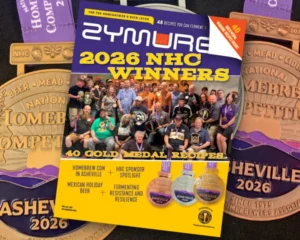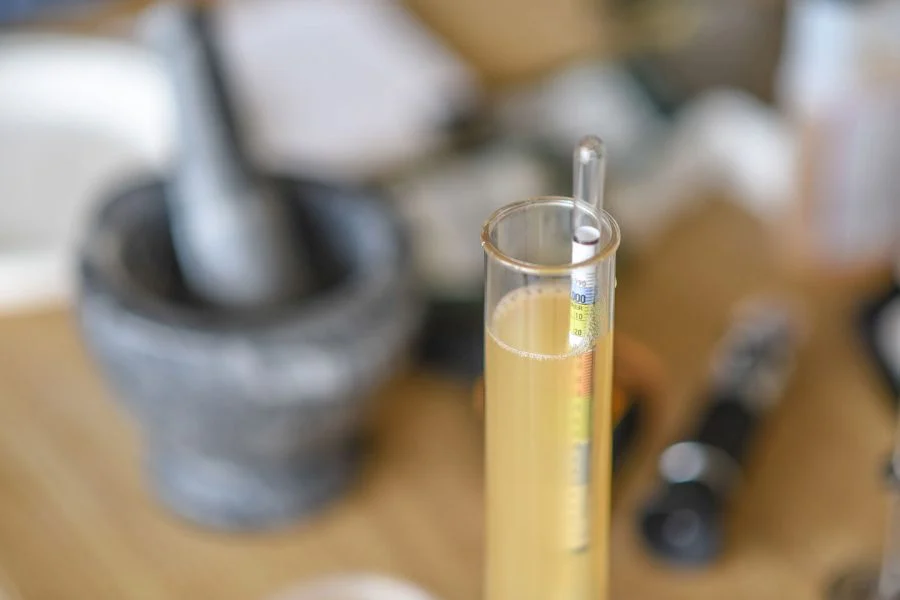

The intricate world of amateur brewing reached its annual zenith as the American Homebrewers Association (AHA) announced the results of the 2026 National Homebrew Competition Final Round. Among the thousands of passionate participants hailing from across the globe, Nicholas B. Griner of Ayer, Massachusetts, stood out for exceptional craftsmanship. A dedicated member of the Merrimack Valley Home Brew Club, Griner secured a prestigious gold medal in Category 26: Strong Belgian Ale.
Griner’s triumph was by no means small. In a fiercely competitive category featuring 128 meticulously crafted entries from elite amateur brewers nationwide, his Strong Belgian Ale managed to captivate the palates of the distinguished judging panel. The victory highlights not only Griner’s personal dedication to the craft of fermentation but also the rising prominence of regional brewing collectives, such as the Merrimack Valley Home Brew Club, in fostering top-tier brewing talent.
The National Homebrew Competition remains the world’s largest premier international beer, mead, and cider competition. Each year, it serves as the ultimate proving ground for hobbyist brewers looking to benchmark their creations against industry standards, utilizing guidelines set by the Beer Judge Certification Program (BJCP). Griner’s gold-medal-winning brew joins an elite archive of award-winning recipes that have historically guided both amateur enthusiasts and professional craft breweries in formulating innovative new beverages.
A Brief History and Evolution of the National Homebrew Competition
To understand the magnitude of Griner’s achievement, one must examine the rich history of the National Homebrew Competition. Established in the late 1970s concurrently with the legalization and resurgence of homebrewing in the United States, the event has grown from a modest gathering of enthusiast hobbyists into a massive international spectacle. The American Homebrewers Association, a division of the Brewers Association, coordinates the competition annually to promote awareness and appreciation of homebrewed beer, mead, and cider.
The modern incarnation of the competition is a grueling, multi-tiered evaluation process. It typically begins at the regional level in the early spring, where thousands of entries are submitted to various first-round sites across North America. Certified judges evaluate these entries using strict sensory criteria, including aroma, appearance, flavor, and mouthfeel. Only the highest-scoring entries—those receiving first, second, or third place in their respective subcategories at the regional level—advance to the highly anticipated National Final Round.
Category 26: Strong Belgian Ale, the division in which Griner triumphed, is notoriously difficult to master. Encompassing traditional styles such as Dubbel, Tripel, Quadrupel, and Belgian Golden Strong Ale, the category demands absolute precision from the brewer. Achieving the signature complex esters, phenolic spicy notes, and deceptive alcoholic warmth without harshness or flaws requires advanced temperature control, specialized yeast management, and exact ingredient selection. By prevailing over 128 peers in this specific arena, Griner demonstrated a mastery of advanced fermentation science that rivals professional brewmasters.
Chronology of the 2026 Competition Season
The road to the 2026 National Homebrew Competition Final Round spans several months of rigorous preparation, submission phases, and tiered judging. The timeline of the event reflects the immense logistical coordination required to manage thousands of distinct liquid entries submitted from far and wide.
Phase One: Recipe Development and Batch Brewing (Late Autumn 2025 – Early Winter 2026)
Months before the official submission window opens, competitors like Nicholas Griner spend countless hours refining their recipes, adjusting water chemistry, experimenting with specialty grains and candi sugars, and managing fermentation profiles. For a complex style like a Strong Belgian Ale, this phase often involves multiple test batches to dial in the exact flavor profile required to impress a BJCP judging panel.
Phase Two: Regional First-Round Judging (Spring 2026)
As winter transitions to spring, homebrewers ship or drop off their bottled or canned entries to designated regional coordination centers. A panel of certified and national-level BJCP judges inspects, pours, and scores every submission. Only the top-ranking beers advance past this rigorous initial bottleneck to secure a spot in the national final round.
Phase Three: The National Final Round and Medal Announcements (Mid-2026)
The surviving entries converge on the final judging site, where the ultimate gold, silver, and bronze medals are determined. The announcement of the 2026 winners, including Griner’s triumphant gold in Category 26, marks the culmination of the competitive calendar. Following the announcement, winning recipes are cataloged and made accessible to the broader community through the American Homebrewers Association platform, allowing fellow members to study and replicate the championship brews.

Analyzing the Craft: The Significance of Category 26
Category 26: Strong Belgian Ale occupies a unique and revered place within the pantheon of beer styles. Originating from the rich monastic traditions of Belgium—particularly Trappist and Abbey breweries—these styles are characterized by their deceptively high alcohol by volume (ABV) balanced by deeply complex flavor profiles.
When evaluating a Strong Belgian Ale, judges look for a delicate interplay between fruitiness (such as dark stone fruit, banana, or pear) and spiciness (clove, pepper, or herbal notes), supported by a malt backbone that can range from biscuity and caramel-laden to rich and dark. Furthermore, the alcohol must be warming rather than solvent-like or harsh.
Achieving this balance is notoriously difficult for homebrewers who may not possess commercial-grade temperature-controlled conical fermenters. Yeast health is paramount; Belgian strains are famous for expressing wildly different aromatic compounds depending on minute fluctuations in fermentation temperature. Griner’s ability to navigate these complex biochemical variables and present a flawless beer out of 128 direct competitors underscores a high level of technical proficiency.
The Role of Regional Clubs in Amateur Brewing Success
Behind every decorated homebrewer is often a robust support network of peers, mentors, and local organizations. Nicholas B. Griner’s affiliation with the Merrimack Valley Home Brew Club highlights the vital role that regional clubs play in elevating the standard of amateur brewing.
Local clubs provide a collaborative environment where members can share equipment, source specialty ingredients, and, most importantly, participate in honest, constructive peer review. Before submitting an entry to a national stage like the AHA competition, brewers typically rely on their local club meetings to conduct blind tastings and critique sessions. This localized feedback loop helps identify off-flavors, stylistic deviations, or structural imbalances that the original brewer might have missed.
The success of a club member directly elevates the reputation of the organization as a whole. The Merrimack Valley Home Brew Club has long cultivated a culture of technical rigor and experimentation, and Griner’s gold medal serves as a testament to the club’s ongoing commitment to brewing excellence. It also acts as an inspiration for newer members, demonstrating that dedication and adherence to traditional methods can yield recognition on the national stage.
Broader Implications for the Homebrewing Community and Craft Industry
The hobby of homebrewing has experienced significant cultural and economic shifts over the past decade. While the explosive growth of commercial craft breweries has made diverse beer styles widely accessible on supermarket shelves, the homebrewing community remains a vital engine of innovation and passion within the broader beverage landscape.
Competitions like the National Homebrew Competition serve several critical functions for the industry at large:
- Grassroots Innovation: Homebrewers are unburdened by commercial scale or immediate market pressures. They are free to experiment with obscure historical styles, wild fermentation techniques, and unconventional adjuncts. Many contemporary craft beer trends—from hazy IPAs to pastry stouts and barrel-aged sours—originated in the garages, basements, and kitchens of amateur brewers.
- Talent Pipeline: A significant percentage of professional craft brewers, head fermenters, and brewery owners begin their careers as award-winning homebrewers. Competitions provide a validated credential that can open doors for individuals looking to transition into commercial brewing or launch their own taprooms.
- Quality Education: By publishing medal-winning recipes and detailed judging score sheets, organizations like the American Homebrewers Association elevate the baseline skill level of the entire community. Brewers learn not just from their own successes, but from the collective wisdom of hundreds of national-level participants.
As the craft beverage sector continues to evolve, the accomplishments of individuals like Nicholas B. Griner remind observers that the heart of the industry lies in passion, precision, and the relentless pursuit of perfection. Griner’s gold medal in Category 26 is more than just an individual accolade; it is a celebration of the enduring art and science of homebrewing, setting a high benchmark for the next generation of fermentation enthusiasts across the nation.