
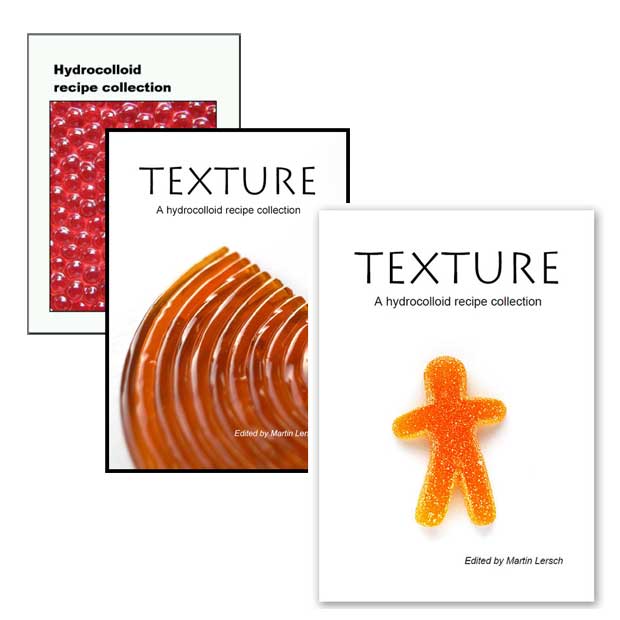
The definitive culinary reference guide for molecular gastronomy and modernist cuisine, "Texture – A hydrocolloid recipe collection," is preparing for its first update in six years. The upcoming release, designated version 3.1, promises an incremental revision aimed at refining existing entries, correcting typographical errors, and addressing feedback accumulated since the launch of version 3.0 in 2014. The project, widely regarded by food scientists, professional chefs, and culinary hobbyists as an indispensable compendium, relies heavily on crowdsourced contributions from a global community of kitchen innovators.
The announcement of the forthcoming revision marks another milestone in a project that has spanned well over a decade. The origins of the collection trace back to 2007, when the initial iteration, Texture v1.0, was first published online. It provided a groundbreaking systematic overview of hydrocolloids—substances that form gels, thicken liquids, or stabilize emulsions—demystifying ingredients that were previously confined to industrial food processing laboratories. The subsequent release of version 2.0 in 2008 expanded the breadth of the recipes, while version 3.0 in 2014 brought a major overhaul to formatting, categorization, and the inclusion of contemporary modernist techniques. For the past six years, the guide has remained static while the culinary world continued to evolve, making the upcoming version 3.1 a timely and eagerly anticipated refresh.
Editorial Focus and Community Collaboration
According to project communications, version 3.1 is structured as a maintenance release rather than a radical overhaul. The primary objective is to iron out wrinkles, clarify procedural instructions, and ensure maximum reproducibility for every formulation listed within its pages. The editorial team has emphasized that while direct replies to every individual submission over the past six years may not have been possible, all community feedback has been archived and carefully evaluated for inclusion in the forthcoming document.
Central to the development of this update is a renewed call for community participation. Culinary practitioners who have tested specific recipes and encountered inconsistencies or failures are encouraged to report their findings. Furthermore, the compilation effort is actively seeking high-quality photographic documentation to accompany the recipes. Experience has demonstrated that a recipe accompanied by a verified photograph serves as a reliable indicator of successful testing and replication. Clear instructions for submitting images are outlined in prior project documentation, enabling contributors to properly format and submit visual assets for editorial review.
Addressing Underrepresented and Missing Ingredients
A significant analytical focus of the version 3.1 update is the re-evaluation of specific hydrocolloids that have historically received less attention in modernist literature. While ingredients such as agar-agar, xanthan gum, and sodium alginate dominate contemporary modernist cookbooks due to their prominent roles in spherification and fluid gel creation, several natural gums remain underutilized in experimental cooking.
The upcoming revision specifically targets the expansion of recipes featuring guar gum, gum arabic, konjac, locust bean gum, and tara gum. These polysaccharides offer unique rheological properties, yet practical culinary applications that clearly demonstrate their full functional range are sparse in current mainstream literature. The curation team is actively collecting formulations that highlight how these specific gums can alter mouthfeel, control syneresis, and stabilize complex food matrices across a wider variety of dishes.
Simultaneously, the editorial process is reviewing the intentional and accidental omission of certain compounds. Proprietary commercial products, such as modified starches like Ultra-Tex and Pure Cote, alongside specialized wheat fibers like Trisol, have intentionally been kept sparse or omitted due to their proprietary nature and fluctuating commercial availability. Conversely, rare or novel hydrocolloids that may have been accidentally overlooked due to limited market penetration are being evaluated for inclusion on a case-by-case basis. Industry professionals and food scientists with insights into these omissions have been invited to submit commentary directly to the project coordinators.
Expanding the Non-Hydrocolloid Gels and Foams Category
Beyond traditional hydrocolloids extracted from plants, seaweeds, and microbial fermentation, the collection maintains a specialized category dedicated to non-hydrocolloid recipes. This section explores regional culinary traditions from around the globe where complex protein matrices, starches, or natural gelling mechanisms create unique textures without the addition of isolated commercial hydrocolloids.
Existing entries in this category encompass a diverse array of traditional preparations, including junket, cuajada, ginger milk custard, aiyu jelly, grass jelly, traditional gelled seafood sauces, various forms of tofu, and hominy. Version 3.1 seeks to broaden this anthropological and scientific exploration of texture by identifying additional regional gels and foams rooted in historical gastronomy.
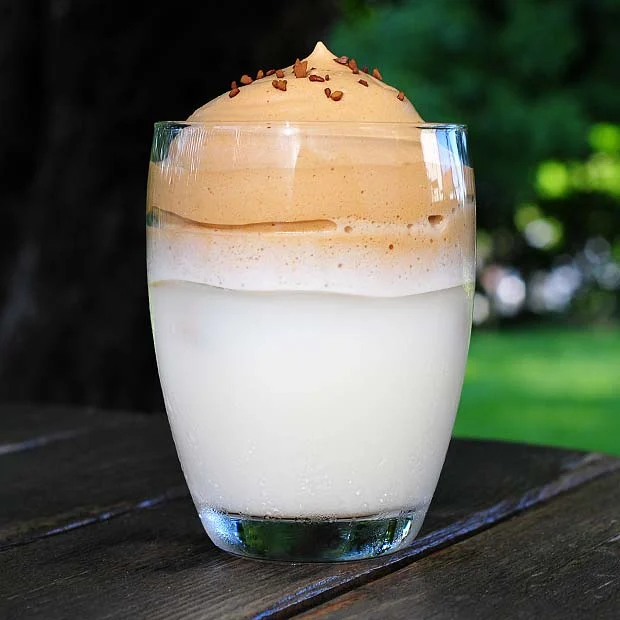
A notable inclusion in the upcoming release will be the viral culinary phenomenon that defined the early months of the global pandemic in the spring of 2020: Dalgona coffee foam. The whipped beverage, which achieved unprecedented international popularity via social media platforms, relies on the rapid incorporation of air into a concentrated mixture of instant coffee, sugar, and hot water to create a stable, persistent micro-foam. Its integration into the collection bridges the gap between internet culture and food science, illustrating how basic physical agitation can produce stable structural foams without specialized modernist additives.
Broader Implications for Culinary Science and Education
The continuous evolution of "Texture – A hydrocolloid recipe collection" underscores a broader shift in modern gastronomy toward open-source knowledge sharing. By democratizing access to the physical and chemical principles underlying food preparation, resources of this nature empower both home cooks and professional kitchens to manipulate texture with scientific precision.
The reliance on crowdsourcing reflects the decentralized nature of contemporary culinary research. As chefs around the world experiment with novel ingredients and techniques, digital compendiums serve as dynamic repositories that capture the collective intelligence of the global food community. The release of version 3.1 will not only correct historical oversights and integrate modern viral food trends like Dalgona coffee, but it will also reinforce the collaborative framework that sustains modern food science education. As preparations for the release continue, the project remains open to final submissions from the public, ensuring that the updated compendium accurately mirrors the current state of culinary experimentation.