
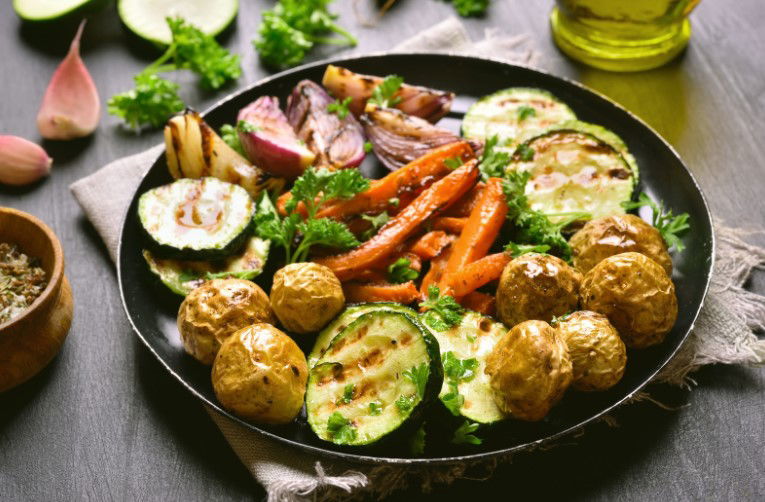
Roasted vegetables, a cornerstone of versatile and wholesome cooking, possess an inherent ability to stand alone as a satisfying meal. However, for those seeking to transform this simple yet nourishing dish into a more elaborate culinary experience, the question arises: what can elevate this humble offering to new heights? With over fifteen years of experience in professional kitchens, the author has consistently relied on roasted vegetables as a foundational element, gracing restaurant menus, banquet tables, and family meals alike, particularly as a strategic way to boost vegetable consumption for both children and adults. This article explores a curated selection of complementary dishes that harmoniously integrate with roasted vegetables across all seasons, offering a comprehensive guide for home cooks and culinary enthusiasts.
The Enduring Appeal of Roasted Vegetables
The art of roasting vegetables lies in its transformative power. High heat caramelizes natural sugars, yielding a depth of flavor and a pleasing texture that raw or boiled vegetables often lack. This method is celebrated for its relative simplicity, requiring minimal active cooking time and allowing for a wide array of vegetables to be utilized, from hearty root vegetables in the winter to vibrant summer produce. The ability to roast vegetables in spring, summer, fall, or winter underscores their year-round appeal and adaptability to seasonal availability, a concept gaining increasing traction as consumers become more aware of sustainable food practices and the benefits of eating in sync with nature’s cycles.
A Symphony of Flavors: Complementary Dishes to Roasted Vegetables
The following dishes have been selected for their ability to enhance, balance, or provide a contrasting element to the inherent sweetness and earthy notes of roasted vegetables, offering a well-rounded and satisfying dining experience.
1. The Comfort of Classic Beef Roast
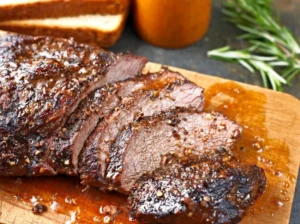
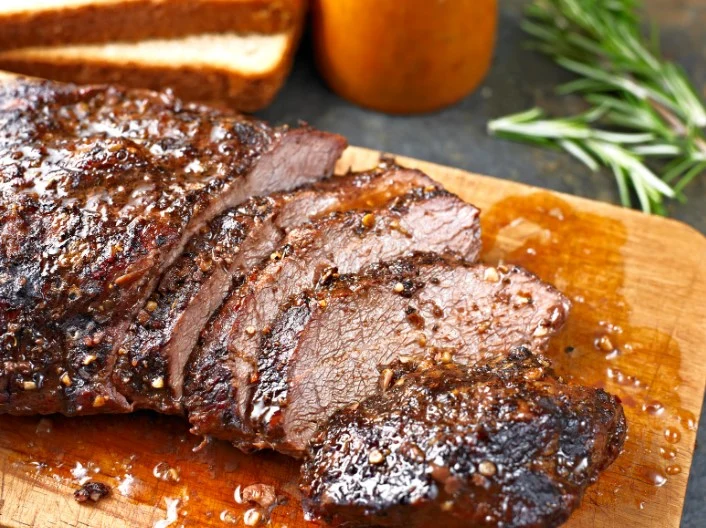
A robust beef roast emerges as a prime candidate for pairing with roasted vegetables, particularly during the colder months when a hearty, comforting meal is most desired. The inherent advantage of a beef roast is its "set-it-and-forget-it" nature, freeing up valuable stovetop space and time for the preparation and cooking of the accompanying vegetables. While the roast slowly tenderizes in the oven, the cook has ample opportunity to chop, season, and arrange their chosen vegetables.
The economic implications of a beef roast are also noteworthy. It’s a meal that scales exceptionally well, making it ideal for large family gatherings or entertaining. Furthermore, the delicious potential of leftovers, transforming into succulent sandwiches or being enjoyed for days, adds significant value. To elevate this pairing further, a rich gravy, made from the pan drippings, can tie the roast and vegetables together in a symphony of savory flavors. For those seeking guidance, a classic beef roast recipe with a perfect pan sauce can provide a solid foundation.

2. The Lightness of Pan-Seared Chicken Breast
For a lighter yet equally satisfying option, pan-seared chicken breast offers a nutrient-rich complement to roasted vegetables. The beauty of this pairing lies in its efficiency. While the vegetables occupy the oven, the chicken breast can be quickly seared in a skillet, achieving a desirable golden crust, and then finished in the oven alongside the vegetables. This multitasking approach ensures a complete meal is ready in a streamlined timeframe.
The textural contrast between a perfectly seared chicken breast and tender roasted vegetables is a culinary delight. The lean nature of chicken breast ensures that the meal remains balanced and not overly heavy, making it a suitable choice for weeknight dinners or those mindful of their protein intake. A well-executed pan-seared chicken breast recipe can provide the perfect foundation for this pairing.
3. The Sweet Harmony of Pork Chops
Pork chops, with their inherent ability to harmonize with sweet flavors, present a compelling partner for roasted vegetables, especially those with a natural sweetness like butternut squash or sweet potatoes. The culinary potential here is vast, allowing for creative flavor combinations.

To enhance this pairing, consider incorporating elements that play on the sweet and savory dynamic. Baked apple slices, a drizzle of apple cider reduction, or even a sophisticated apple demi-glace can elevate the dish to a gourmet level. Pork chops themselves offer flexibility in preparation, being amenable to both pan-searing and oven roasting. For a quick and impressive meal, a 15-minute pork chop recipe can be a game-changer.
4. The Hearty Embrace of Lasagna
Lasagna, a dish often considered a meal in itself, can also serve as a surprisingly effective and hearty side to roasted vegetables, particularly those with a Mediterranean profile such as zucchini, tomatoes, and red onions. Its rich, layered nature provides a substantial counterpoint to the lighter, caramelized flavors of roasted vegetables.
Crucially, lasagna is typically prepared and cooked in the oven, mirroring the cooking method of roasted vegetables. This shared oven space presents a logistical advantage, allowing for parallel cooking and freeing up stovetop burners for other components or garnishes. While lasagna can be labor-intensive, its ability to serve a larger group and the fact that its flavors often intensify upon reheating make it an excellent choice for meal preparation and gatherings. A well-regarded lasagna recipe can provide the blueprint for a satisfying accompaniment.

Pro-Tip: To optimize oven usage when preparing lasagna and roasted vegetables simultaneously, consider roasting the vegetables during the final hour of the lasagna’s cooking time. Ensuring adequate oven space is key to successful execution.
5. The Versatile Comfort of Soup
Soup, a universally loved comfort food, offers remarkable versatility as a side dish for roasted vegetables. It can provide a contrasting texture and temperature, and importantly, serve as a vehicle for a completely vegetarian or vegan meal. The type of soup can be strategically chosen to complement specific roasted vegetables.
For instance, a hearty minestrone can beautifully accompany Mediterranean-inspired roasted vegetables, while a classic chicken noodle soup pairs wonderfully with roasted root vegetables like potatoes, carrots, and onions. Creamy chowders, on the other hand, offer a luxurious pairing with roasted squash varieties. The sheer range of soup possibilities makes this an adaptable option for any roasted vegetable combination.

6. The Rich Indulgence of Risotto
While risotto requires dedicated attention and technique, the reward is a creamy, rich, and profoundly satisfying side dish that perfectly complements the rustic charm of roasted vegetables. For those new to its preparation, beginner-friendly risotto recipes offer clear instructions and valuable tips to ensure success.
A mushroom risotto, in particular, stands out as an exceptional pairing. Its deep, savory umami notes can enhance the natural flavors of a wide array of roasted vegetables, creating a sophisticated and deeply flavorful meal. The time investment in preparing risotto is often justified by its luxurious texture and complex taste profile.
7. The Savory Elegance of Quiche
Quiche, an egg-based savory pastry, introduces a significant protein element to a meal of roasted vegetables without necessarily adding meat. This makes it an excellent option for those seeking to incorporate more protein into a vegetarian meal or simply looking for a balanced dish.

Similar to lasagna, quiche is typically baked, aligning its cooking process with that of roasted vegetables and thus optimizing oven use. The inherent inclusion of vegetables within many quiche recipes creates a natural synergy with a side of roasted vegetables. A simple, five-ingredient broccoli quiche recipe can serve as a quick and delicious starting point.
8. The Italian Classic: Eggplant Parmesan
Eggplant Parmesan offers a delightful and slightly lighter alternative to chicken parmesan, making it an appealing choice for those looking to reduce meat consumption or create a vegetarian main course. Its soft, melt-in-your-mouth texture, combined with a crispy breaded exterior, provides a pleasing textural contrast to roasted vegetables, especially those with a Mediterranean flair.
While eggplant parmesan can be a more involved dish, the effort is often rewarded with a rich and satisfying result. The pan-frying of the eggplant slices before baking, as found in many classic recipes, contributes to a superior texture and depth of flavor.

9. The Plant-Based Powerhouse: Sliced Tofu Steaks
For a versatile vegan protein option, sliced tofu steaks are an excellent choice. Tofu readily absorbs marinades and seasonings, allowing it to be tailored to complement any flavor profile of roasted vegetables. Whether baked or seared, tofu steaks offer a substantial and protein-rich addition to a meatless meal.
The simplicity of preparing tofu steaks—slicing, seasoning, and cooking—makes it an accessible and quick option for completing a light, plant-based meal. The firm or extra-firm varieties are particularly recommended for their ability to hold their shape during cooking and their satisfying, "meaty" texture that can stand up to robust roasted vegetables.
Expert Insights and Frequently Asked Questions
Culinary professionals often emphasize the importance of proper cooking techniques to achieve optimal results with roasted vegetables. Key considerations include managing moisture and ensuring adequate heat for browning.

Should roasted root vegetables be covered?
Covering root vegetables during roasting primarily serves to trap moisture, leading to a steaming effect rather than browning. While harder vegetables like winter squash can benefit from covering to ensure they cook through, most other vegetables, particularly root vegetables, should be left uncovered to promote crisping and caramelization.
How do you keep roasted root veggies from getting soggy?
Preventing sogginess in roasted root vegetables hinges on a few critical factors: maintaining a high oven temperature, ideally around 400°F (200°C), and arranging the vegetables in a single layer on the baking sheet. Overcrowding the pan will inhibit proper air circulation and steam development, leading to a less desirable, soggy texture.
The thoughtful selection of complementary dishes can transform a simple plate of roasted vegetables into a complete and memorable culinary experience. By considering flavor profiles, textures, and cooking methods, home cooks can create harmonious pairings that satisfy diverse palates and dietary preferences. The enduring popularity of roasted vegetables, coupled with the creativity offered by these accompanying dishes, ensures a world of delicious possibilities for any meal occasion.