The culinary landscape of seasonal summer desserts is frequently defined by the arrival of peak-season produce, with the strawberry standing as a primary commodity in home kitchens across the United States. Recent anecdotal evidence from suburban households, highlighted by a widely circulated social media trend, suggests a shift in preference toward simplified, assembly-based desserts that prioritize fresh ingredients over complex baking techniques. At the center of this trend is the resurgence of the classic strawberry pie, a dish that has moved from a generational heirloom recipe to a staple of contemporary family dining.

Historical Context and Evolution of the Strawberry Pie
The strawberry pie has long been a fixture of American culinary history, particularly in the Midwest and Southern regions. Traditionally, these pies relied on a cooked strawberry gelatin base or a starch-thickened fruit filling set within a conventional flour-based crust. However, the current iteration gaining popularity—often categorized by its focus on "no-bake" or minimal-bake techniques—reflects a broader shift in consumer behavior toward efficiency and time-saving culinary practices.
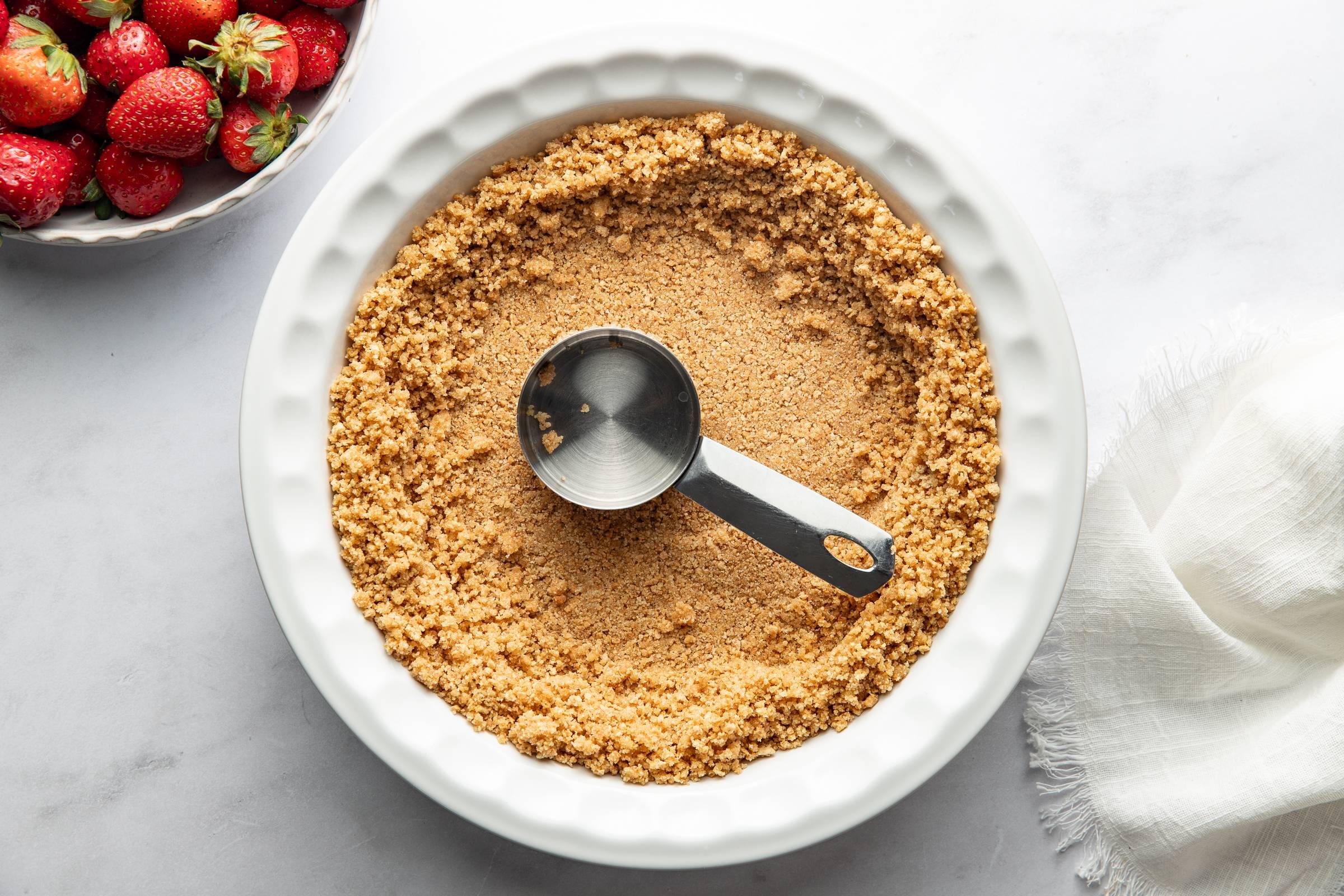
The transition toward the graham cracker crust represents a departure from traditional pastry work. Unlike standard flour-and-butter crusts, which require precise temperature control and blind baking to prevent shrinkage, the graham cracker crust is a byproduct of modern convenience. By combining crushed crackers with butter and a binding agent, home cooks can achieve a consistent texture that balances the high sugar content of fresh strawberries. This method has become increasingly popular in professional recipe development as a way to lower the barrier of entry for home cooks.
Data Trends in Seasonal Dessert Consumption
Market research indicates that demand for strawberry-based desserts peaks annually between late June and early August, corresponding with the harvest cycles in major growing states such as California, Florida, and Michigan. Data from food industry analysts suggests that during the summer months, consumer interest shifts away from heavy, oven-reliant pastries toward lighter, fruit-forward desserts.
Retail sales of strawberries typically see a double-digit percentage increase during the Fourth of July holiday week. This spike correlates with a surge in digital engagement regarding dessert preparation. According to recent search trends, queries for "easy" or "no-bake" summer desserts consistently outperform complex pastry recipes by a ratio of three-to-one during the mid-summer months. This suggests that the "easy strawberry pie" phenomenon is not merely a localized trend but a reflection of a wider demographic preference for accessible, high-reward culinary projects.

The Pedagogical Value of Home Cooking
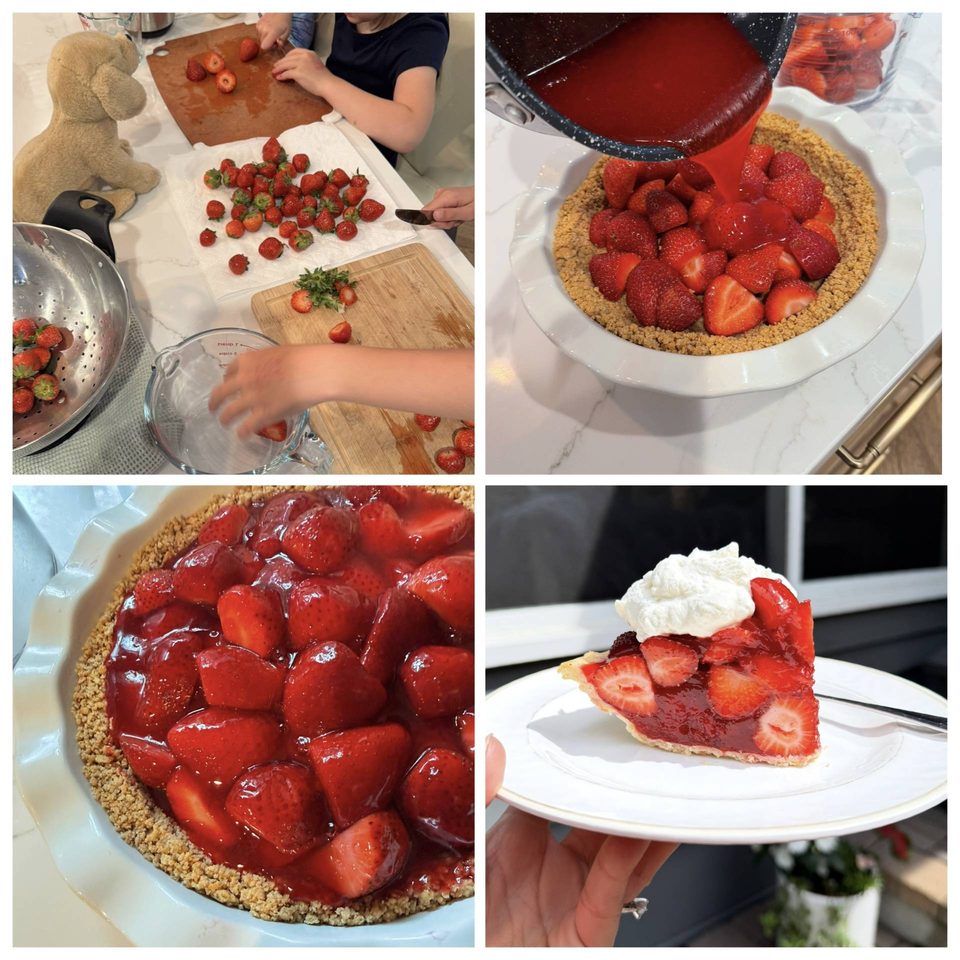
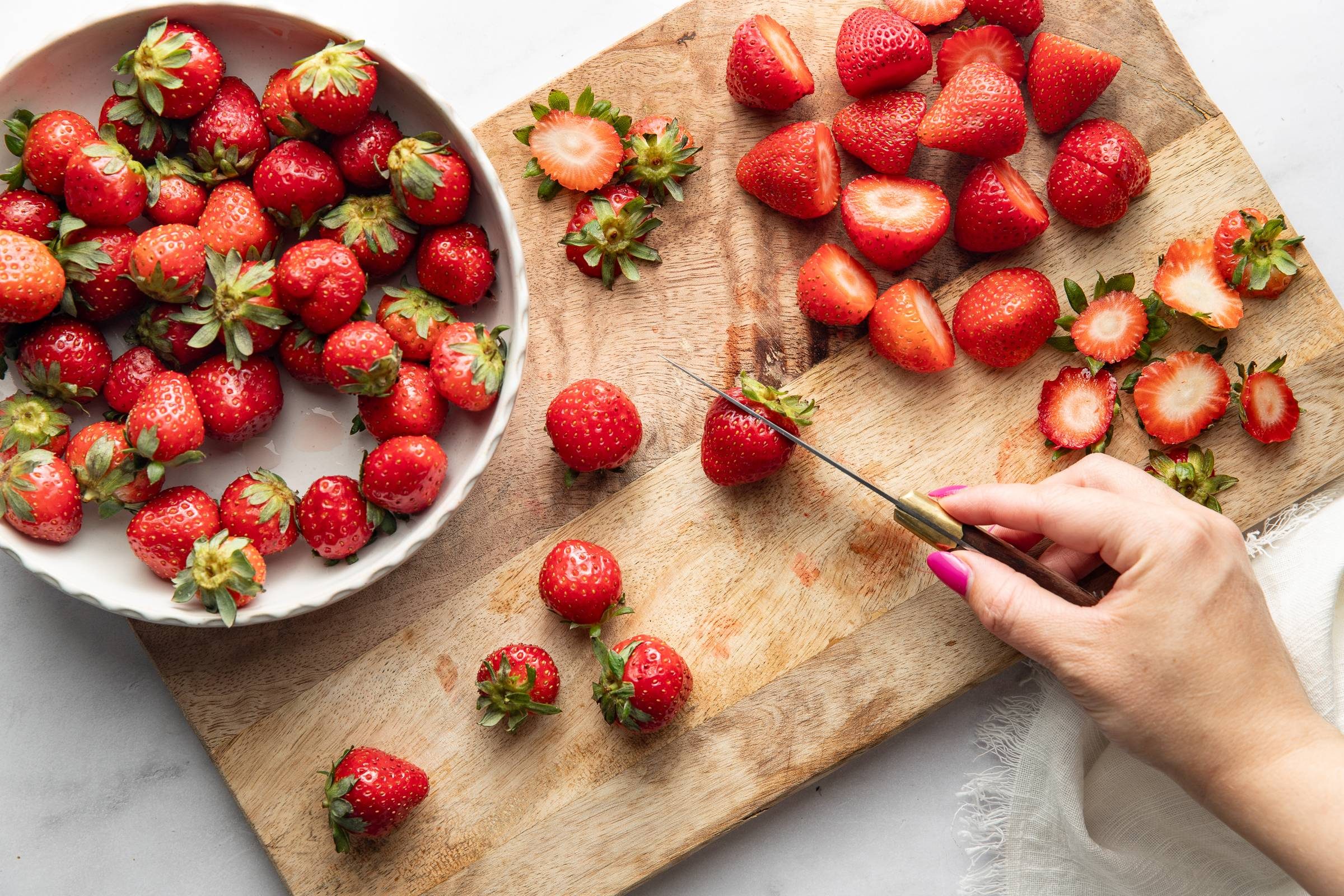
Beyond the nutritional and gustatory aspects of the dessert, the preparation of this dish has been identified as a key opportunity for domestic education. Culinary educators note that recipes involving assembly lines—such as washing, hulling, and slicing strawberries, followed by the systematic layering of ingredients—are ideal for developing fine motor skills and following sequential instructions in children.
By delegating the assembly process to younger family members, home cooks are essentially utilizing the recipe as a tool for experiential learning. This practice, often referred to as "culinary literacy," is cited by pediatric nutritionists as a method to increase children’s willingness to consume fresh produce. When a child participates in the transformation of raw ingredients into a finished dish, the psychological barrier to trying new foods is significantly reduced.
Technical Analysis of Recipe Composition
The structural integrity of the modern strawberry pie relies on the interaction between three distinct components: the crust, the fruit, and the topping.
- The Crust: The use of a graham cracker base provides a necessary structural contrast to the high moisture content of fresh strawberries. The inclusion of salt in the crust mixture acts as a flavor enhancer, balancing the inherent sweetness of the fruit.
- The Filling: By using fresh strawberries rather than macerated or cooked berries, the pie maintains a firm, crisp profile. The incorporation of a binding agent—typically a starch or a light gelatinous syrup—ensures that the fruit remains stationary once sliced.
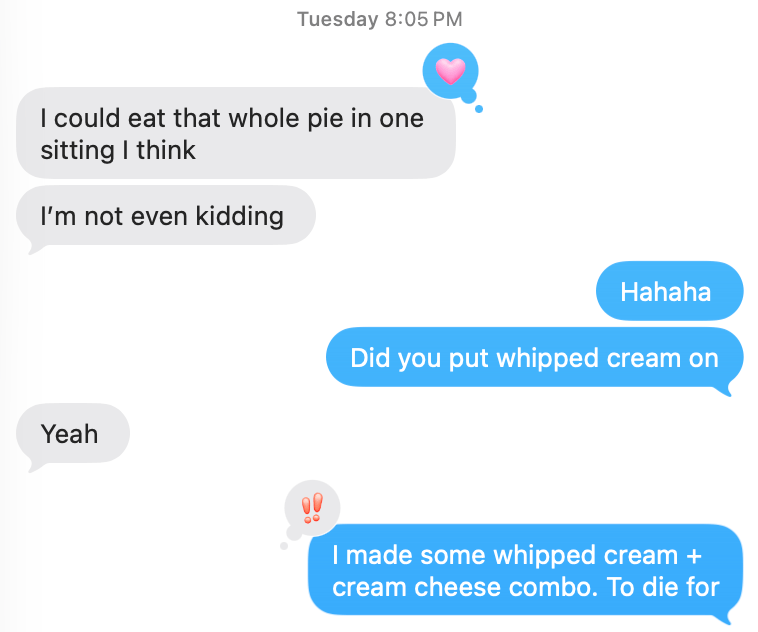
- The Topping: The inclusion of a cream cheese-based whipped topping introduces a fat-to-acid ratio that cuts through the intense sweetness of the berries. This is a departure from traditional whipped cream, which lacks the stability and tangy flavor profile that cream cheese provides.
Industry Implications and Social Connectivity
The act of sharing recipes via digital communication, such as text messaging, represents a democratization of culinary knowledge. Historically, recipes were passed through handwritten cards or published in regional cookbooks. Today, the rapid dissemination of successful recipes through social networks has created a "crowdsourced" approach to meal planning.

When a recipe achieves "unanimous" approval within a household, it often signals that the dish meets a specific set of criteria: ease of execution, high visual appeal, and universal flavor profile. The success of this particular strawberry pie is largely attributed to its visual "towering" aesthetic and its reliability as a crowd-pleaser for multi-generational gatherings.
Chronology of a Household Dessert Trend
The timeline of this specific recipe’s recent resurgence follows a predictable pattern common in the digital age:
- Initial Selection: A decision-making process involving the evaluation of several dessert candidates.
- Validation: The internal "vote" among family members, confirming the dish as a priority for the month.
- Preparation: The collaborative assembly phase, utilizing a division of labor.
- Consumption: The social event of presenting the finished product at the table.
This cycle, while simple in appearance, encapsulates the modern approach to domestic culinary management. It emphasizes the importance of family participation and the emotional reward associated with serving a self-prepared, high-quality dish.
Broader Impact on Home Cooking Trends
The persistence of the strawberry pie in modern kitchens suggests that despite the availability of pre-packaged, store-bought desserts, there remains a strong cultural value placed on the act of assembly. The "best feeling" described by many home cooks when presenting a finished dessert is a recognized psychological reward that reinforces the habit of home cooking.
As we move further into the summer season, the prevalence of such recipes is expected to remain high. The shift toward simplified, assembly-based desserts is likely to continue as long as time remains the primary constraint for the modern family. The success of this strawberry pie model offers a blueprint for future dessert development: prioritize seasonal, fresh ingredients, utilize labor-saving techniques, and integrate social or family-based participation to increase the overall value of the dining experience.
In conclusion, the strawberry pie remains a timeless example of how traditional flavors can be adapted to fit contemporary lifestyles. Through a combination of historical consistency and modern, time-conscious methodology, it continues to hold a significant place in the seasonal culinary cycle, proving that even the most "classic" of desserts can evolve to meet the needs of a new generation.