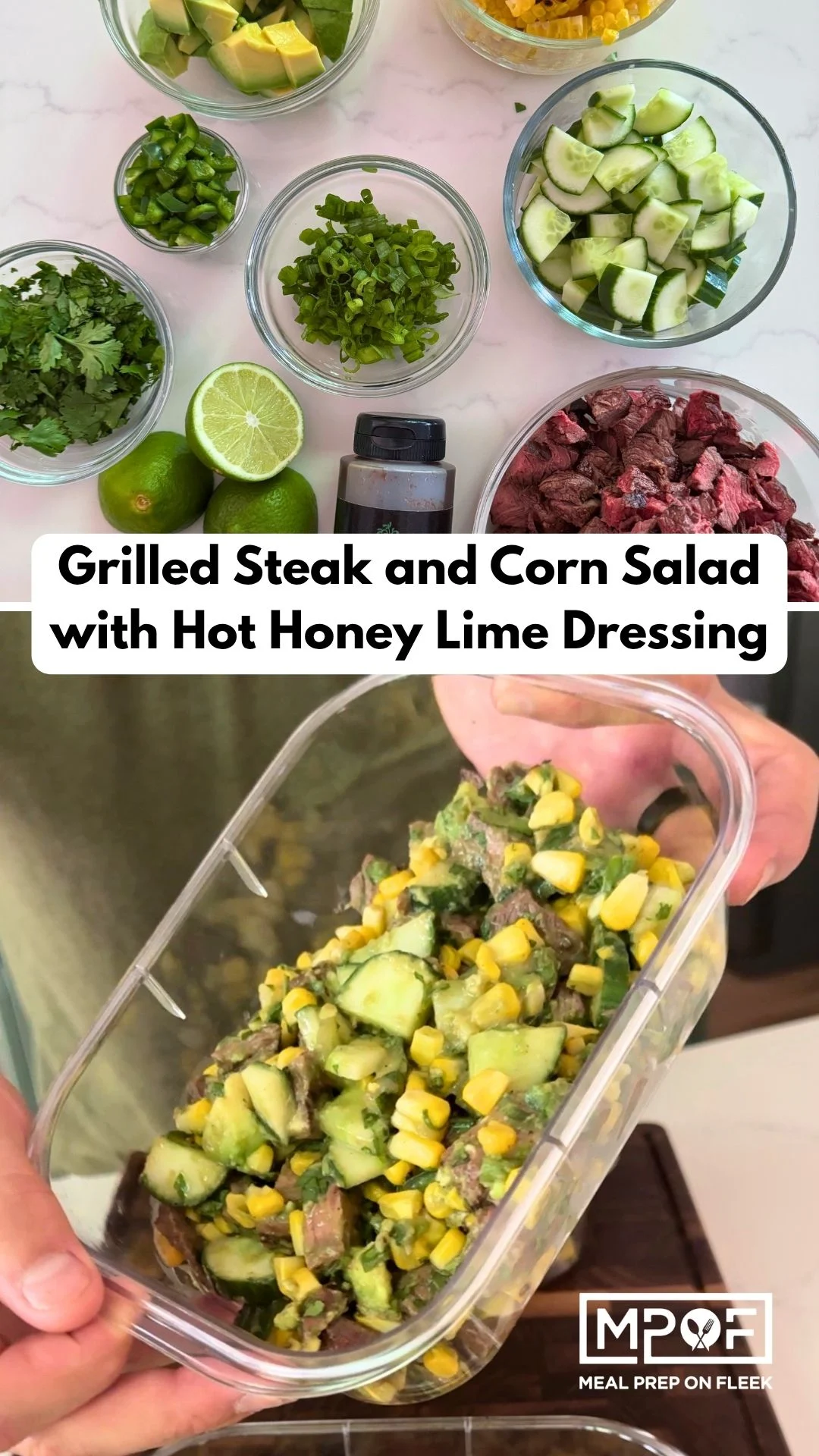

The culinary landscape for health-conscious meal preparation is currently undergoing a significant shift, moving away from traditional leafy green foundations toward more robust, nutrient-dense, and shelf-stable bowl compositions. A primary example of this evolution is the emergence of the grilled steak and corn salad, a high-protein, fiber-rich dish that eliminates the need for perishable lettuce. This recipe, gaining traction among professional nutritionists and meal-prep enthusiasts, emphasizes the strategic combination of charred proteins, complex carbohydrates, and vibrant aromatics to create a meal that maintains structural integrity for up to four days under proper refrigeration.
The Evolution of Modern Meal Preparation
Historically, the "salad" category in dietary planning has been dominated by cruciferous and leafy greens, which present significant logistical challenges for meal prep. Spinach, arugula, and romaine lettuce possess high water content, leading to rapid degradation, wilting, and oxidation when combined with acidic dressings or moisture-heavy proteins.
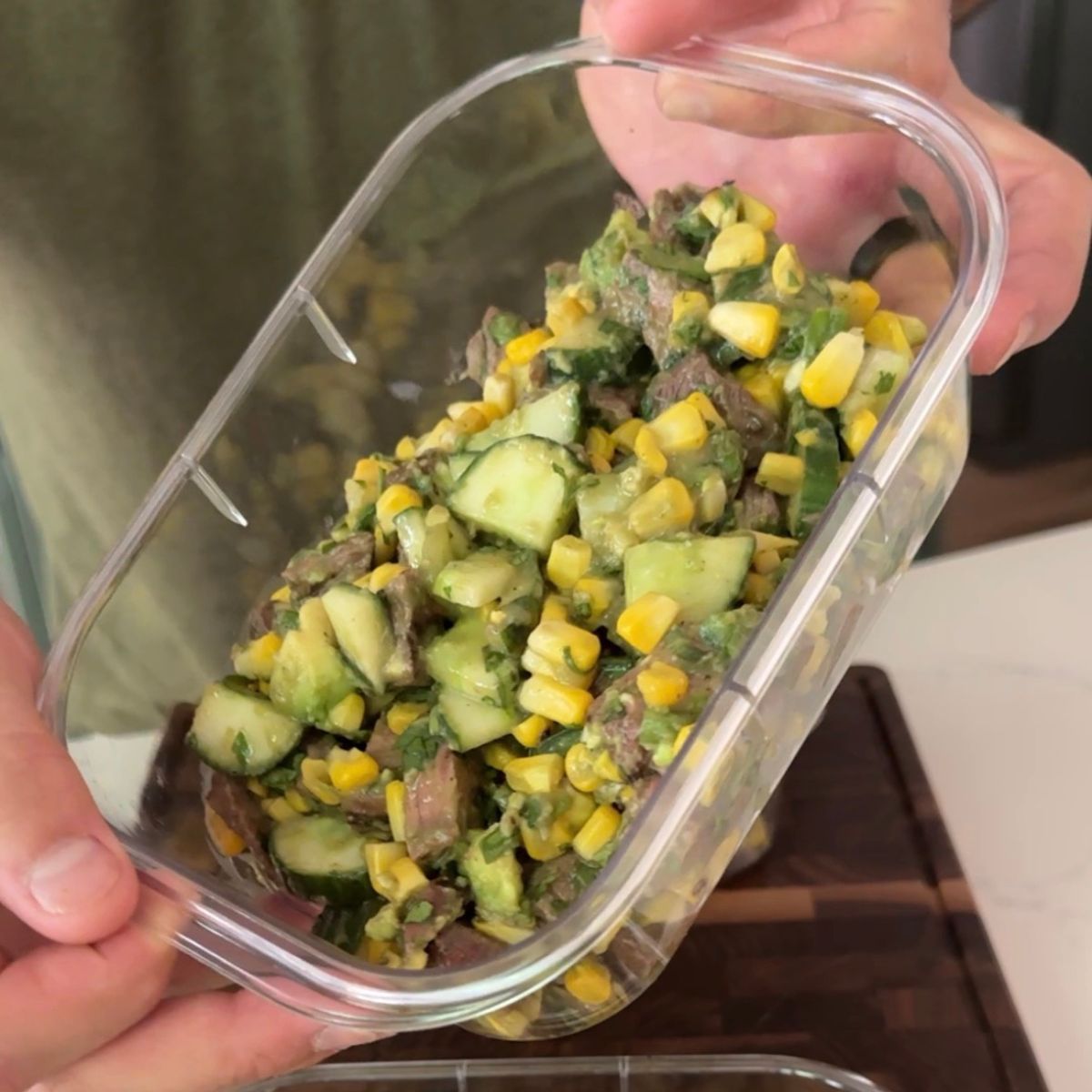
Food science experts suggest that shifting the base of a salad to ingredients with lower water activity—such as cucumbers, charred corn, and legumes—significantly extends the shelf life of a prepared meal. The grilled steak and corn salad serves as an industry case study in this trend. By utilizing the Maillard reaction—the chemical process that creates flavor through the browning of proteins and sugars—on steak and corn, the dish achieves a depth of flavor that offsets the lack of traditional greens.
Chronology of Preparation and Implementation
The preparation process for this dish is structured around the principles of thermal efficiency and moisture control. The standard operating procedure for this meal involves a six-stage sequence:
- Thermal Conditioning: The grill is preheated to an optimal range of 425°F to 450°F. This temperature threshold is critical for achieving a crust on the protein while preventing the internal overcooking of the fibers.
- Protein Sealing: The steak, typically a flank or skirt cut, is patted dry to remove surface moisture, facilitating an efficient sear. It is seasoned solely with sodium and black pepper to maintain the integrity of the natural beef flavor.
- Vegetable Caramelization: Corn on the cob is subjected to direct heat for 8 to 10 minutes. The objective here is partial caramelization, which enhances the sweetness of the kernels and provides the "smoky" profile essential for the dish’s complexity.
- Resting Phase: Following the sear, the protein must undergo a 5 to 10-minute resting period. During this time, the redistribution of muscle juices occurs, ensuring that the moisture remains within the meat rather than leaching into the salad bowl upon slicing.
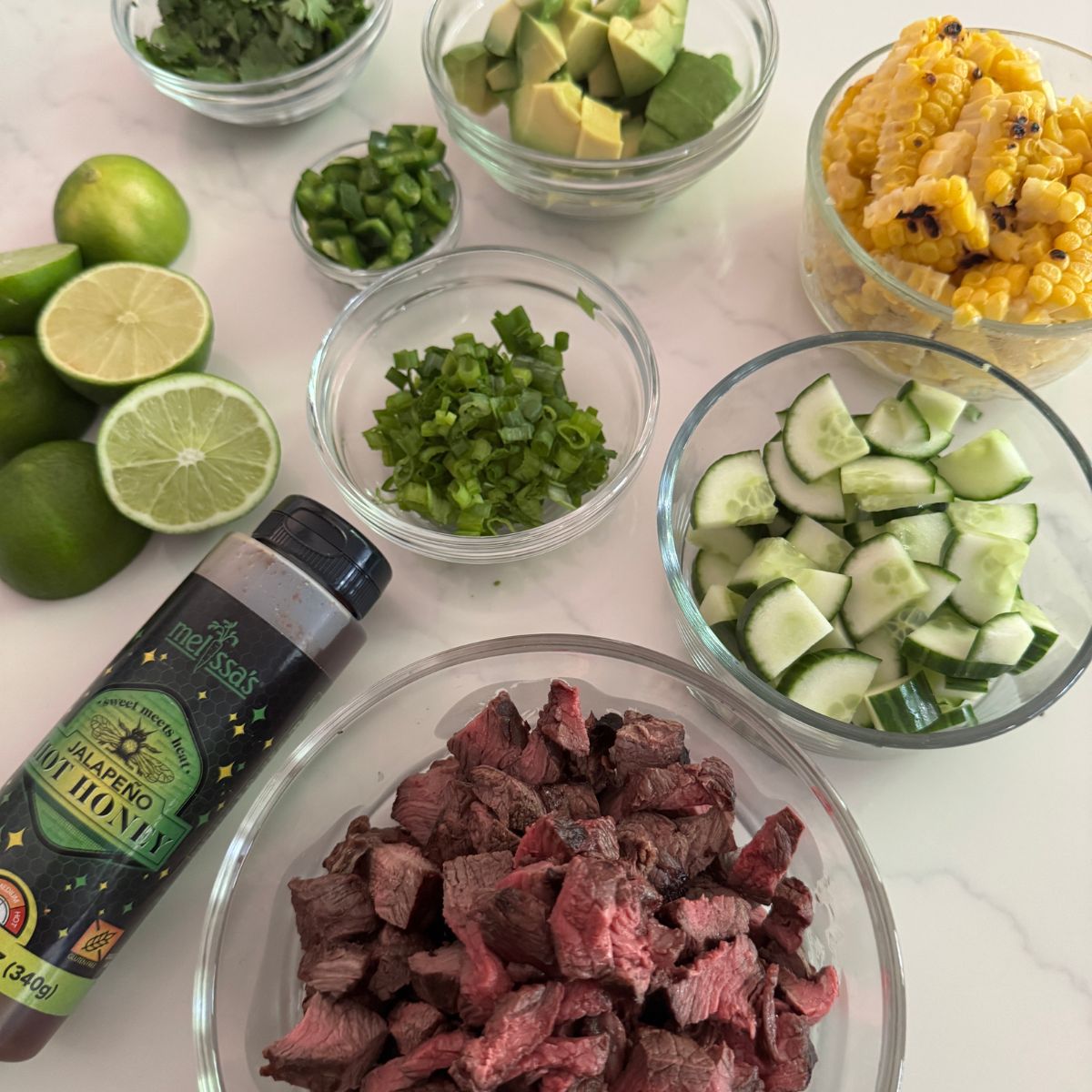
- Component Assembly: The secondary vegetables—cucumber, jalapeño, cilantro, and green onions—are prepared. The cucumber provides the necessary textural contrast, acting as a functional replacement for the crunch typically provided by lettuce.
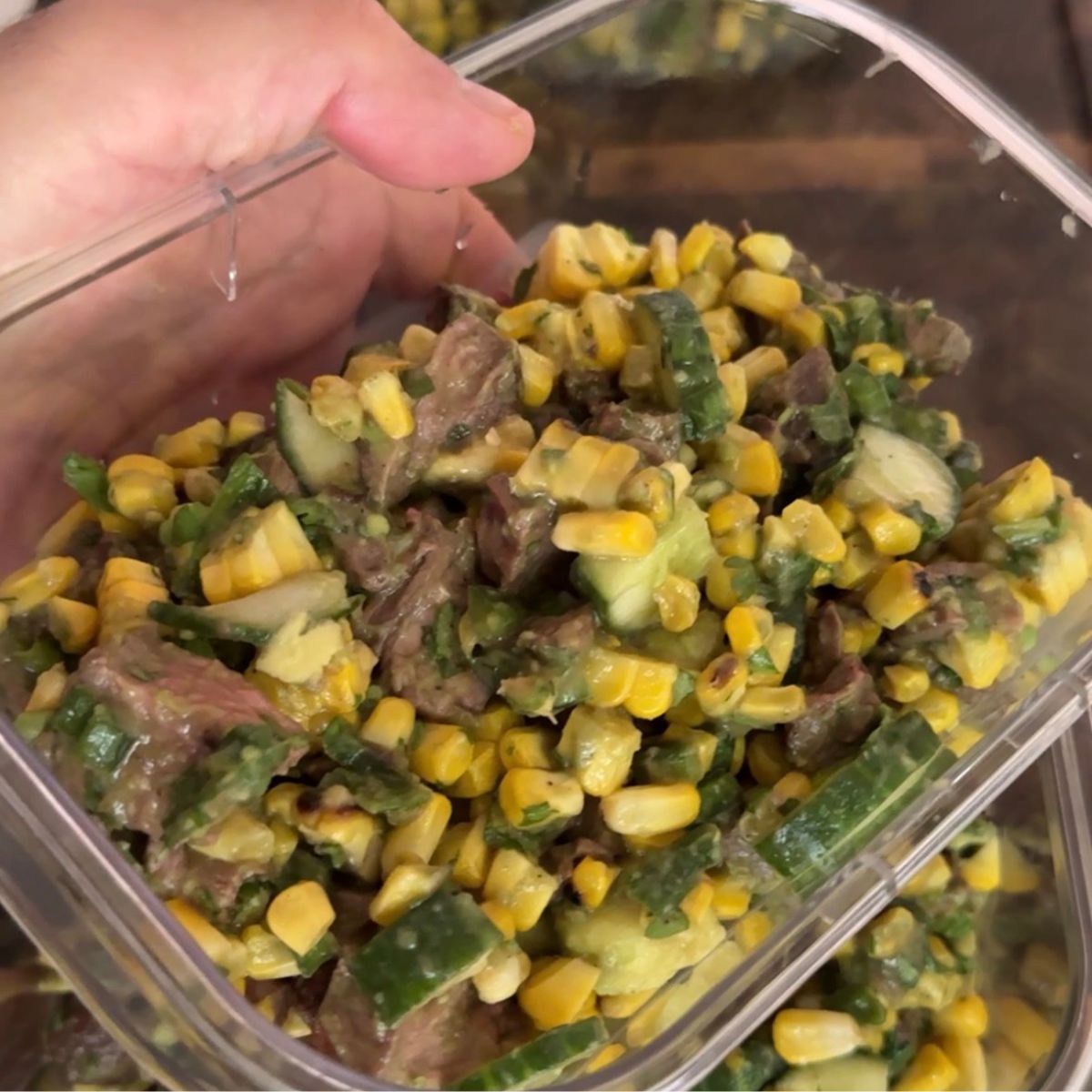
- Emulsification: The dressing, a mixture of lime juice, olive oil, and hot honey, serves as a bridge between the smoky charred corn and the savory beef.
Nutritional Data and Metabolic Impact
From a metabolic perspective, this dish is classified as a high-protein, moderate-fat meal. Nutritional analysis indicates that a standard serving provides approximately 450 to 500 calories, with an emphasis on satiety.
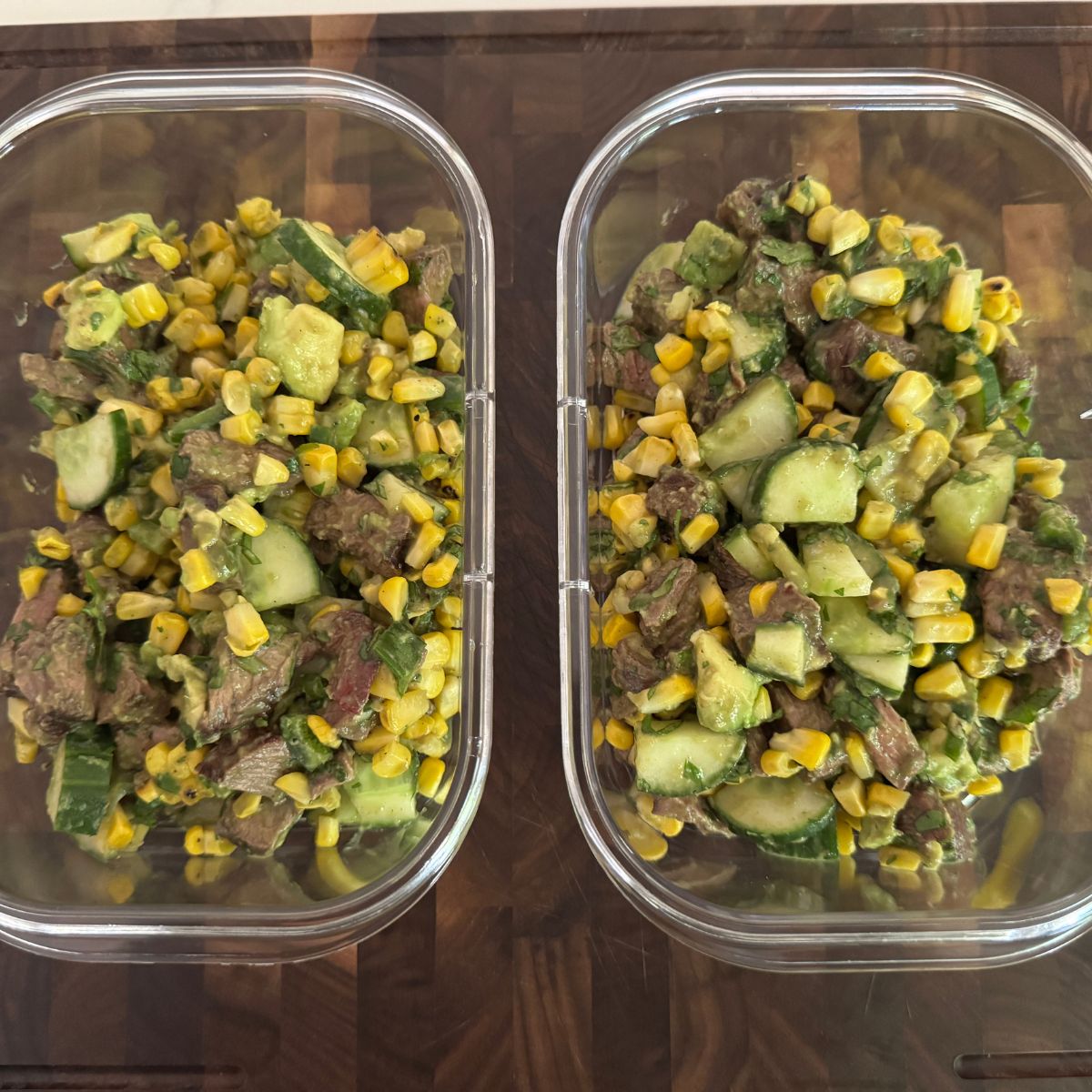
The protein source, specifically beef, provides essential amino acids and B12, while the corn provides a source of complex carbohydrates and resistant starch. The inclusion of avocado introduces monounsaturated fatty acids, which are essential for cardiovascular health. The use of hot honey and lime creates a glycemic-neutralizing effect; the acidity of the lime juice can help moderate the insulin response to the carbohydrates found in the corn.
Data Note: Nutritional outcomes may vary depending on the fat content of the steak cut selected, such as sirloin versus flank, and the specific variety of hot honey used.
Culinary Implications and Storage Logistics
The shift toward "no-lettuce" salads has broad implications for food waste reduction. In the United States, leafy greens are among the most wasted food products due to their short shelf life. By replacing lettuce with more durable ingredients, consumers can extend the viability of their meal-prep batches from 24 hours to nearly 96 hours.
Food safety standards dictate that for maximum longevity, components should be stored in airtight, modular containers. The separation of the dressing and the avocado is considered an industry best practice. Adding the lipid-rich avocado and the acidic dressing immediately prior to consumption prevents the premature enzymatic browning (oxidation) of the avocado and the softening of the cucumber’s cell walls.
Expert Perspectives on Flavor Profiles
Culinary consultants highlight the "Hot Honey" trend as a key factor in the dish’s popularity. The combination of heat (capsaicin from the jalapeño and honey-based chili infusions) and acidity (citric acid from the lime) stimulates multiple sensory receptors simultaneously. This creates a "flavor bridge" that connects the dense, umami-rich steak with the sweet, charred corn.
The use of "against-the-grain" slicing for the steak is not merely an aesthetic choice; it is a structural necessity. By slicing perpendicular to the muscle fibers, the connective tissue is physically shortened, significantly improving the mouthfeel and digestibility of the protein. This technique is particularly vital when using tougher, more flavorful cuts like flank or skirt steak, which are standard for this application.
Broader Impact on Consumer Diet Trends
The transition toward meals that do not rely on leafy greens reflects a broader trend toward "functionality-first" eating. Modern consumers, particularly those balancing high-intensity professional schedules with health goals, prioritize convenience and durability in their meal planning.
The grilled steak and corn salad represents a rejection of the "salad as a side dish" mentality. Instead, it posits the salad as a self-contained, balanced meal that requires no additional supplements. By utilizing ingredients that hold up to the rigors of the refrigerator, this dish provides a replicable, scalable solution for individuals looking to maintain high-protein dietary intake without the constant need for daily meal preparation.
As food costs fluctuate and inflation impacts the price of fresh produce, the ability to store and reuse components of a meal for several days has become a significant factor in household economics. This dish, with its emphasis on simple, versatile ingredients, provides a baseline model for sustainable and efficient home cooking, proving that complex, satisfying flavors do not require complex, perishable ingredients.