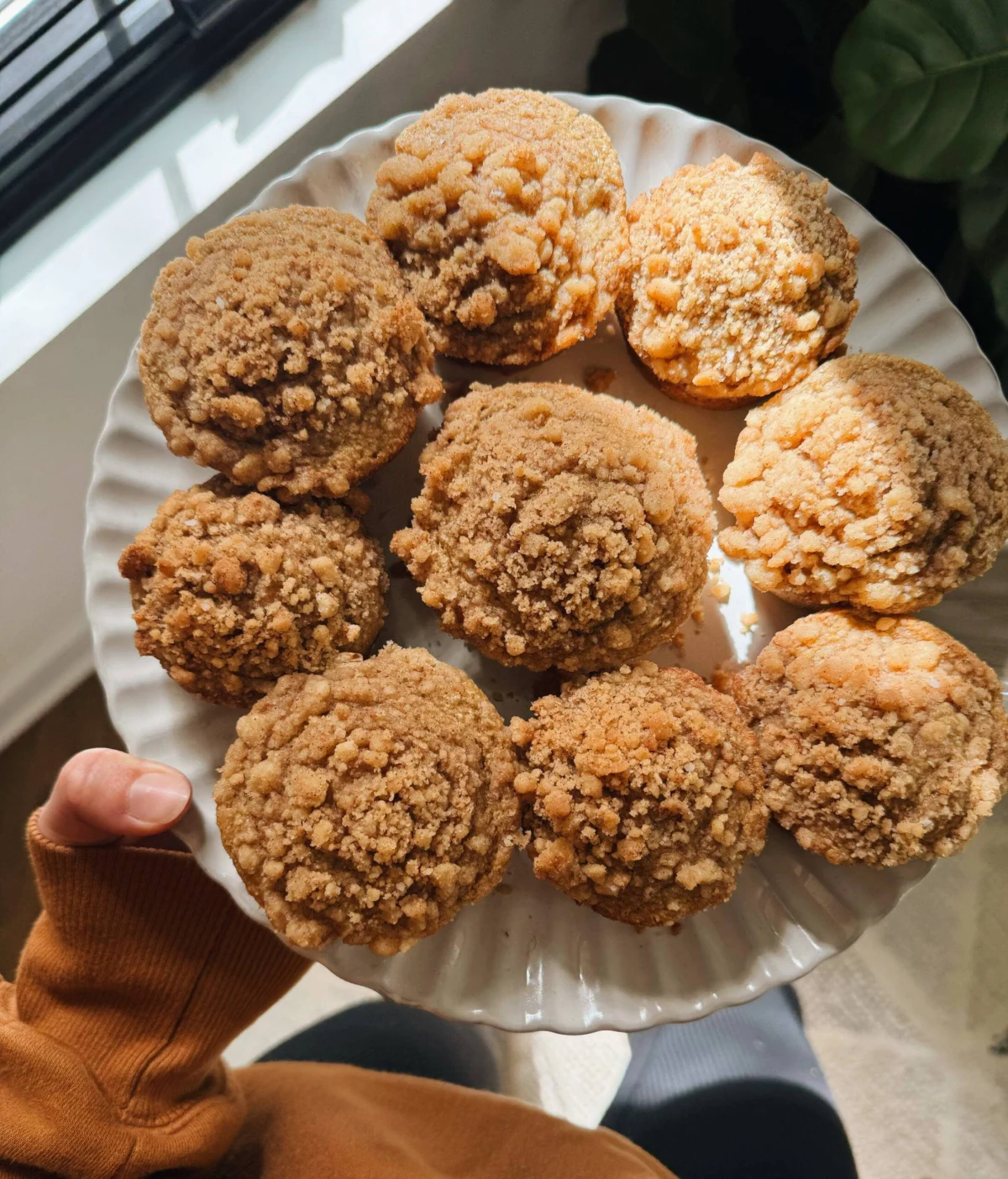

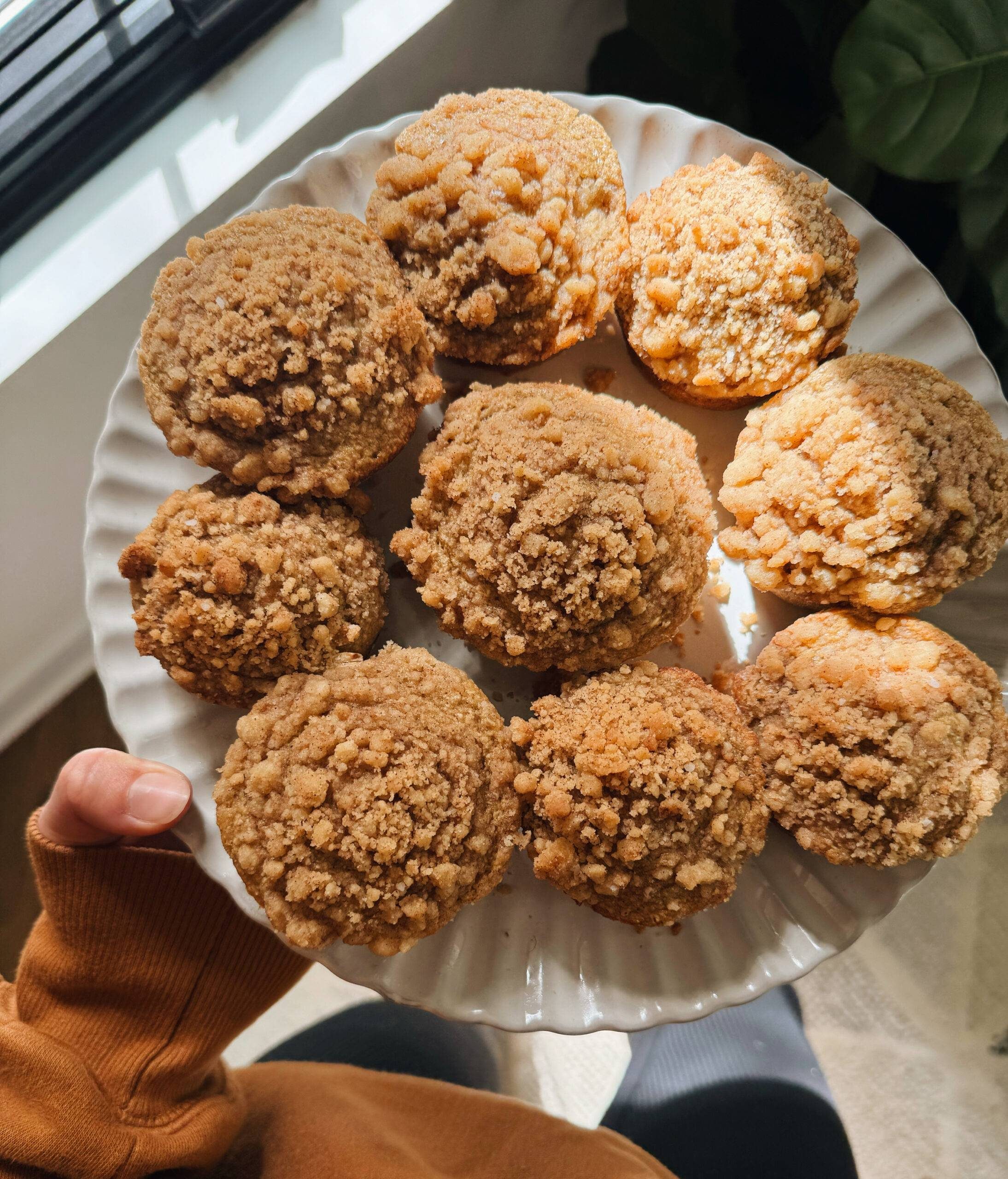
The intersection of seasonal dietary shifts and the burgeoning trend of meal-prepping has led to a significant increase in the popularity of nutrient-dense, portable breakfast options. Among the most notable entries in this category are apple streusel muffins, which have gained traction for their ability to blend traditional fall flavors with the practical demands of modern, time-constrained morning routines. This shift in consumer behavior reflects a broader movement toward home-based meal preparation, driven by both economic factors and a desire for healthier, transparent food choices.
The Rise of Meal-Prep Culture
Meal preparation has evolved from a niche fitness-community habit into a mainstream household practice. According to industry analysis, the meal-prep sector has seen consistent growth over the past five years, with an increasing number of families prioritizing home-cooked, pre-portioned meals to navigate busy schedules. Apple streusel muffins serve as a quintessential example of this transition. By utilizing foundational ingredients such as oats, fresh produce, and whole grains, these muffins cater to the demand for "wholesome" nutrition—a term now widely used by health-conscious consumers to describe foods that are minimally processed and nutrient-dense.
The appeal of such recipes lies in their scalability and convenience. For families, the ability to produce a week’s worth of breakfast or snack items in a single baking session represents a significant time-saving measure. Nutritionists have noted that when households control the ingredient list—specifically reducing refined sugars and increasing fiber content through the inclusion of fruits and oats—the overall nutritional quality of the diet improves compared to reliance on commercially manufactured breakfast pastries.
Chronology of the Apple Harvest Trend
The seasonal alignment of apple-based baked goods is not coincidental; it follows the traditional harvest cycle that peaks between late August and October. Historically, the use of apples in baking has served as a method for utilizing seasonal surpluses. In recent years, culinary trends have emphasized the integration of these harvest staples into "meal prep" formats, shifting the perception of muffins from an indulgent dessert item to a functional, daily breakfast solution.
In early autumn, consumer interest in baking-related searches historically rises by approximately 40% compared to summer months. This period serves as the baseline for the introduction of new recipe variations. The current trend toward streusel-topped muffins demonstrates a consumer preference for textural variety—specifically the contrast between a soft, fruit-filled crumb and a crunchy, sugar-based topping—while maintaining the structural integrity required for transportation in lunchboxes or commute-friendly packaging.

Nutritional Composition and Ingredient Analysis
From a nutritional standpoint, the efficacy of meal-prep muffins is determined by the ratio of macro-nutrients. Traditional recipes are often criticized for high caloric density and low satiety. However, modern iterations, including the apple streusel variety, incorporate specific adjustments:
- Whole Grains: The use of oats or whole-wheat flour provides a higher fiber content, which contributes to blood sugar stability throughout the morning.
- Fruit Integration: Fresh apples provide natural sweetness and hydration, allowing for a reduction in added sugar without sacrificing flavor profile.
- Healthy Fats: Replacing heavy oils with moderate amounts of butter or plant-based alternatives allows for a controlled fat content while maintaining the necessary moisture for the baking process.
Data from recent dietary surveys indicate that consumers are increasingly seeking snacks that serve dual purposes: providing immediate energy while also offering long-term nutritional value. The "wholesome" classification is subjective but generally correlates with recipes that omit preservatives, artificial flavorings, and high-fructose corn syrup, all of which are absent in standard home-baked apple muffins.
Economic and Practical Implications
The economic shift toward home baking is a response to the rising costs of processed convenience foods. By purchasing base ingredients in bulk—such as flour, oats, and seasonal apples—households can significantly lower the cost per serving of breakfast items. This cost-efficiency is a primary driver for the sustained popularity of meal-prep recipes.
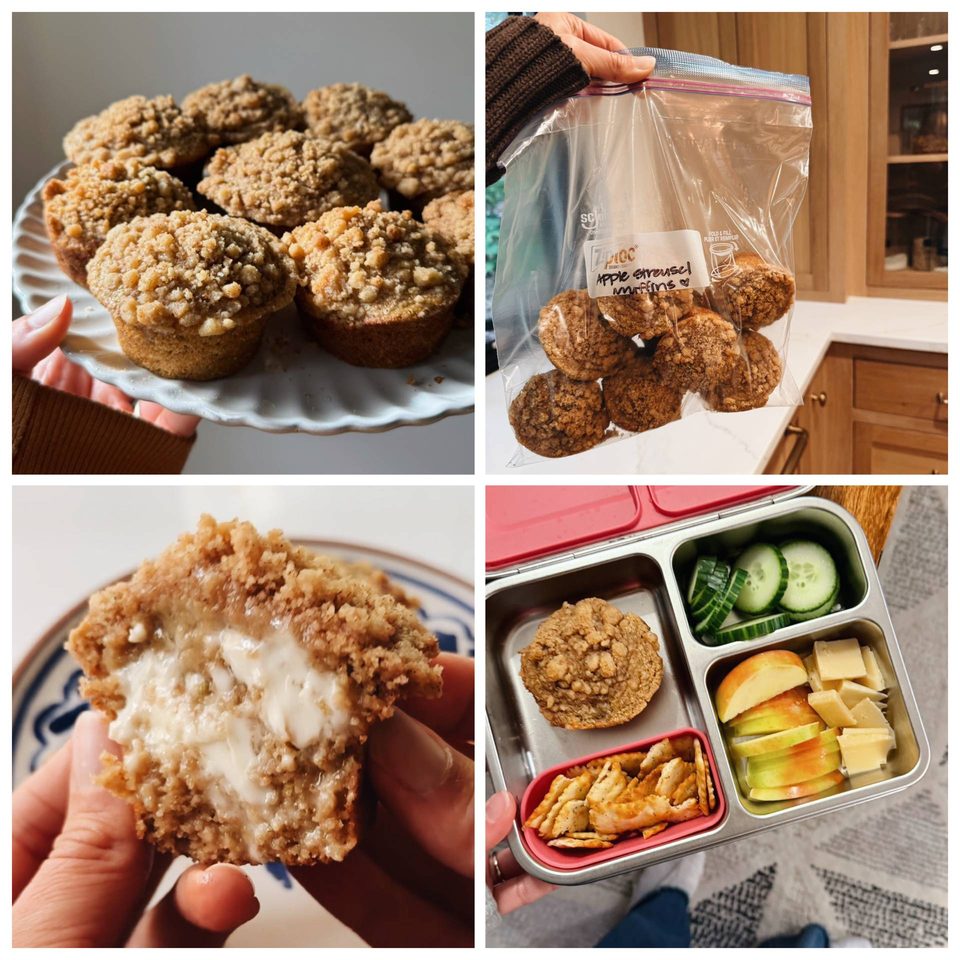
Furthermore, the "lunchbox culture" has prompted a need for items that remain palatable after several hours of storage. Muffins, when stored in airtight containers, maintain their texture and moisture better than many other portable breakfast alternatives. This durability has made them a staple for school lunches and office snacks, effectively bridging the gap between convenience and quality.
Culinary Psychology and Consumer Preferences
The psychological appeal of "streusel" should not be underestimated in a culinary context. Market research suggests that textural contrast is a key driver in consumer satisfaction. A muffin that features a crunchy, crumbly top alongside a soft, moist center provides a more complex sensory experience, which often leads to higher levels of satisfaction and, consequently, repeat consumption.
This preference for "comfort-oriented" breakfast foods—characterized by warm, aromatic spices like cinnamon and nutmeg—is a physiological response to cooling weather. As temperatures drop, there is a measurable increase in the consumption of warm beverages and baked goods. The ritual of consuming these items, often paired with coffee or tea, provides a psychological buffer against the stress of morning routines, contributing to the "dream life" sentiment often expressed by home-cooks who prioritize these intentional morning moments.

Broader Impact on Home Cooking Trends
The proliferation of online recipe-sharing platforms has accelerated the dissemination of these meal-prep concepts. Unlike traditional cookbooks, which were static, current digital platforms allow for real-time feedback and iterative improvements. When a recipe, such as an apple streusel muffin, receives widespread adoption, it often leads to a "halo effect" where consumers become more interested in other similar preparations, such as pumpkin or zucchini variations.
This ripple effect has tangible impacts on food waste reduction. By providing a structured way to use surplus produce—like a surplus of apples from a trip to an orchard or a bumper crop of zucchini from a garden—these recipes encourage a more sustainable approach to food consumption. The trend suggests that as consumers become more adept at meal-prepping, they are also becoming more resourceful, utilizing home-baking as a strategy for both financial management and waste mitigation.
Conclusion
The enduring popularity of apple streusel meal-prep muffins is rooted in a synthesis of practicality, nutrition, and seasonal preference. By optimizing the breakfast experience for efficiency and flavor, these items have secured a place in the daily routines of many households. As the trend continues to evolve, it is likely that the focus will remain on refining these foundational recipes to accommodate diverse dietary needs, such as gluten-free or dairy-free requirements, while maintaining the essential characteristics that make them a preferred choice for the modern, busy consumer. The movement represents a broader cultural appreciation for the intersection of traditional baking methods and contemporary, high-speed lifestyle demands.