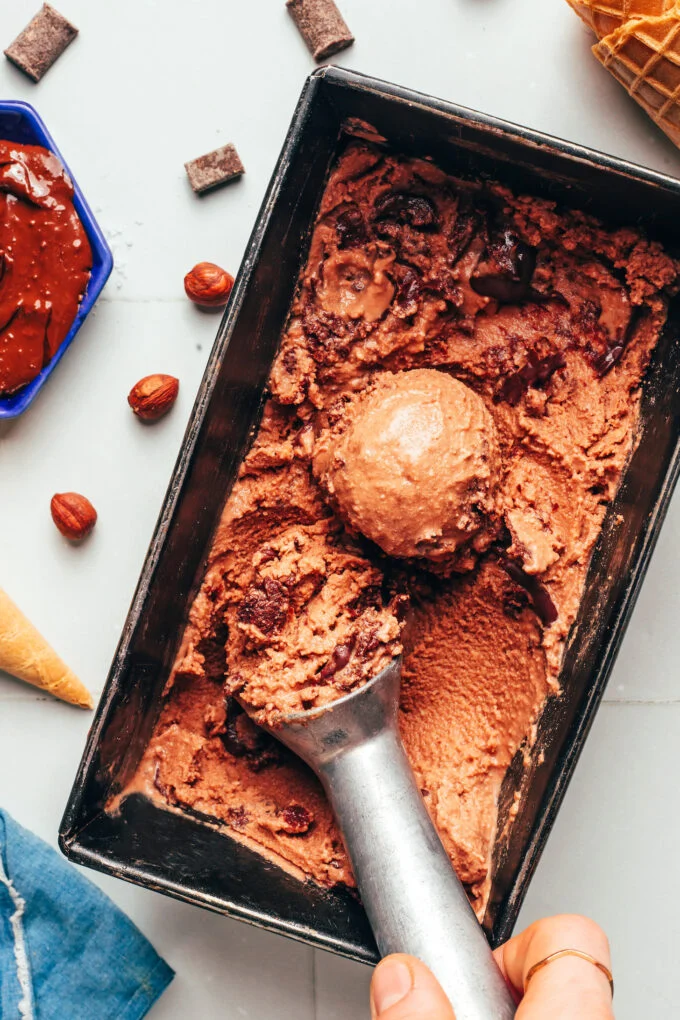

The rising demand for dairy-free alternatives is rooted in broader dietary shifts. According to recent market analysis from the Plant Based Foods Association, the plant-based ice cream market has seen a consistent compound annual growth rate of approximately 10% over the last five years. Consumers are increasingly seeking products that offer the same sensory experience as traditional dairy—specifically regarding mouthfeel and creaminess—without the inclusion of animal-derived ingredients.
Historical Context and Ingredient Evolution
The evolution of the hazelnut-chocolate flavor profile dates back to the post-World War II era, when the scarcity of cocoa led Italian confectioners to extend their supply by mixing in roasted hazelnuts. This combination, known historically as gianduja, became the precursor to the modern global phenomenon of Nutella.
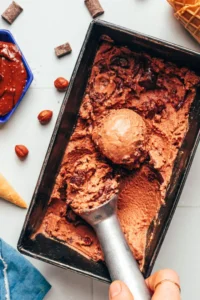
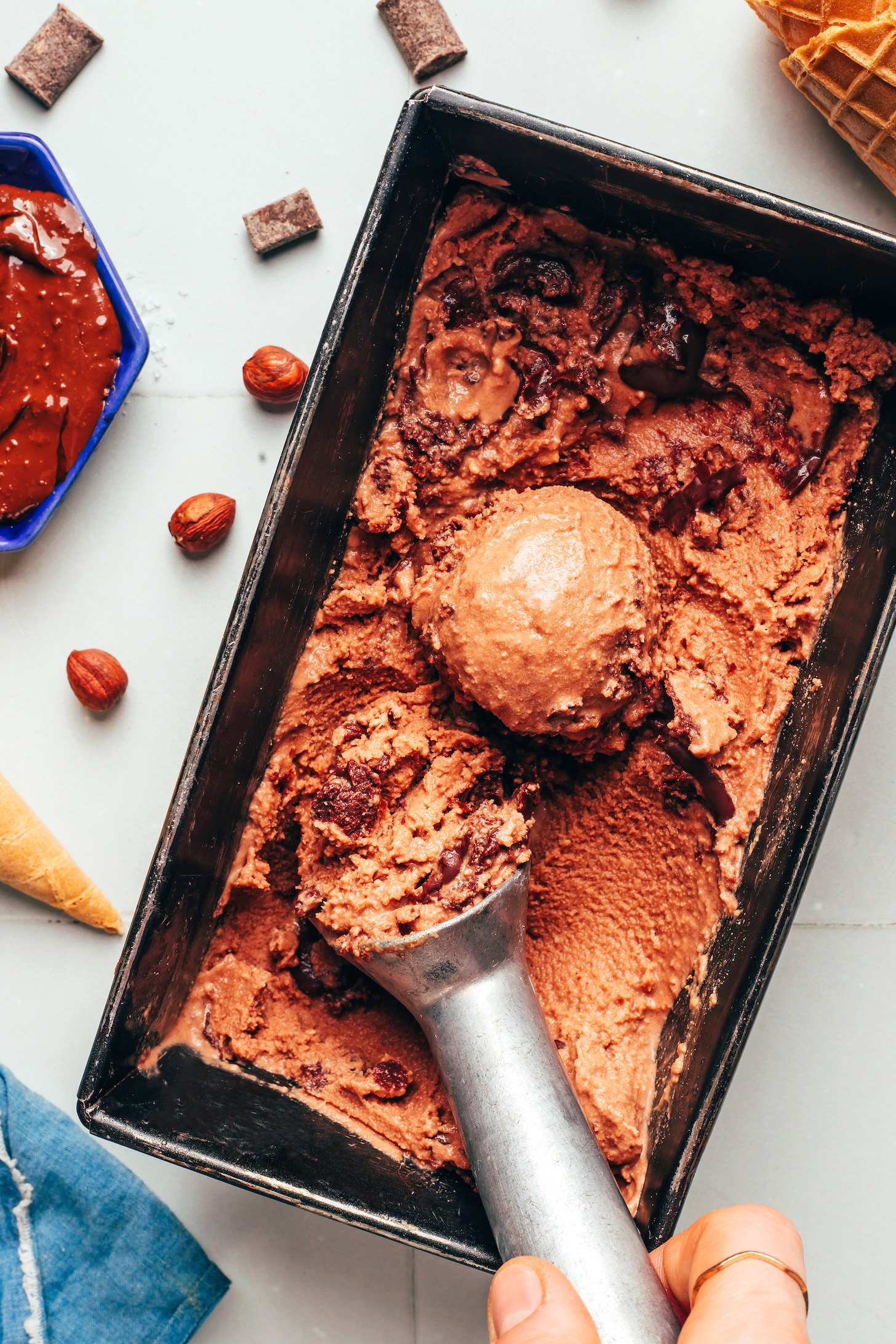
In the contemporary context, the challenge for home cooks and food scientists alike has been replicating this iconic flavor profile while adhering to strict vegan protocols. Traditional gelato often relies on milk fat and egg yolks to achieve a smooth, stable emulsion. The methodology behind the new six-ingredient vegan formulation replaces these stabilizers with the high fat content inherent in coconut milk and the natural oils extracted from roasted hazelnuts.
By prioritizing the roasting process—which serves to liberate natural oils and soften the structural integrity of the hazelnut—producers and home cooks can create a nut butter base that functions as an effective fat source. When emulsified with chilled coconut milk, the resulting mixture achieves a viscosity comparable to traditional dairy-based bases before the churning process begins.
Procedural Chronology of the Formulation
The production of this vegan alternative follows a specific, repeatable sequence designed to maximize texture and flavor intensity. The process is broken down into three distinct phases:
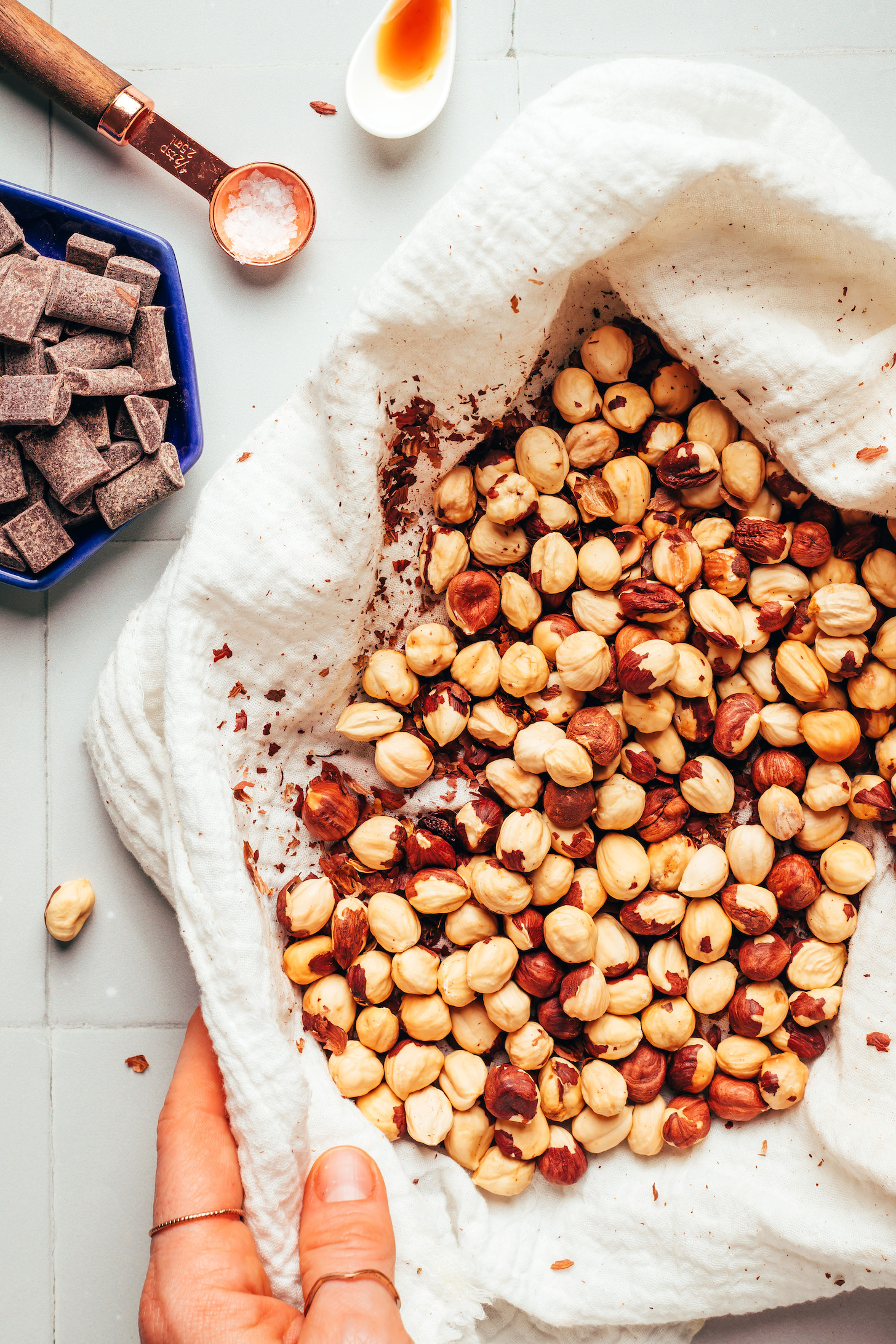
- Thermal Processing: The hazelnuts are subjected to controlled heat to trigger the Maillard reaction. This process is critical for developing the roasted notes associated with premium chocolate-hazelnut products. Once the skins are removed, the nuts are processed into a fine paste.
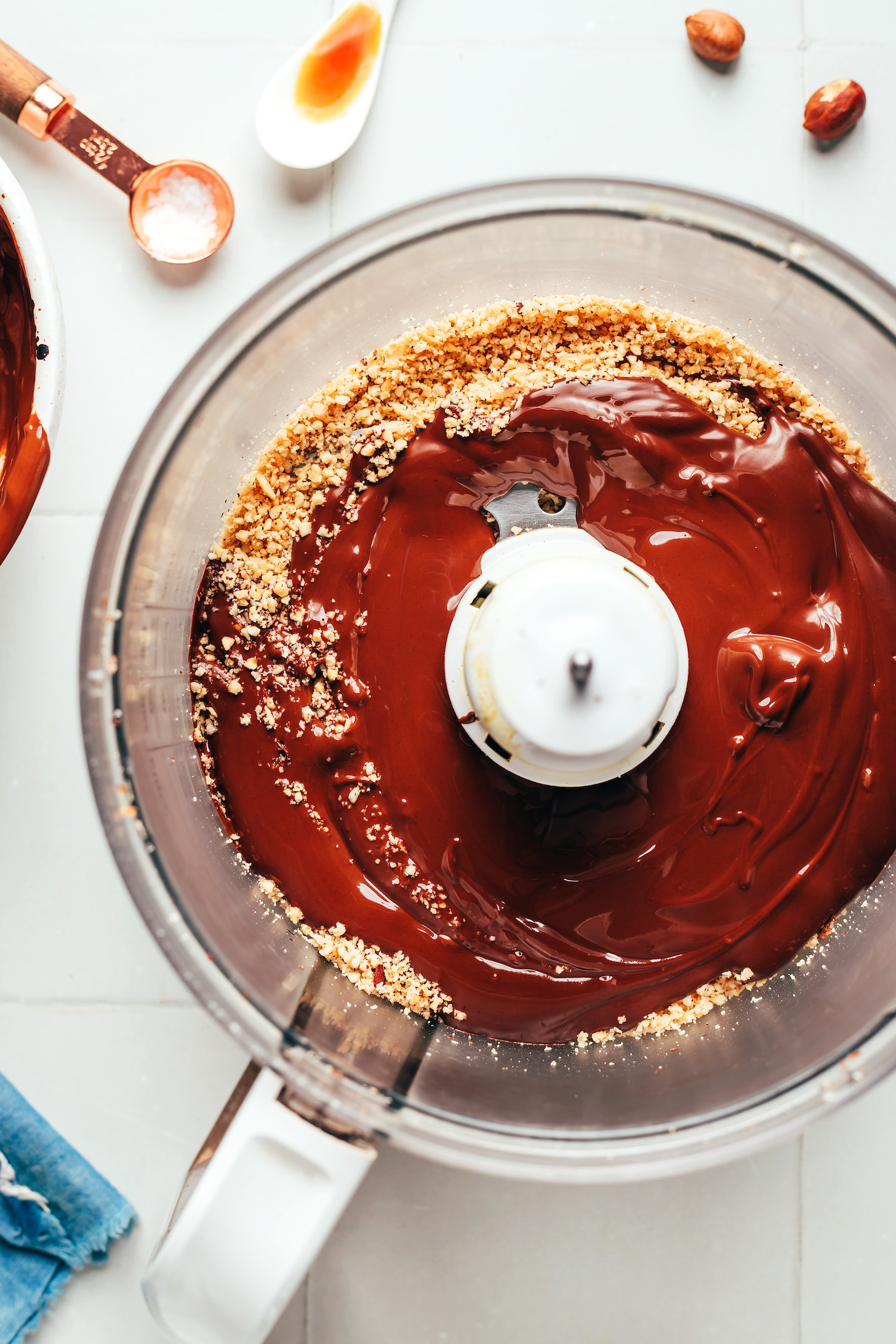
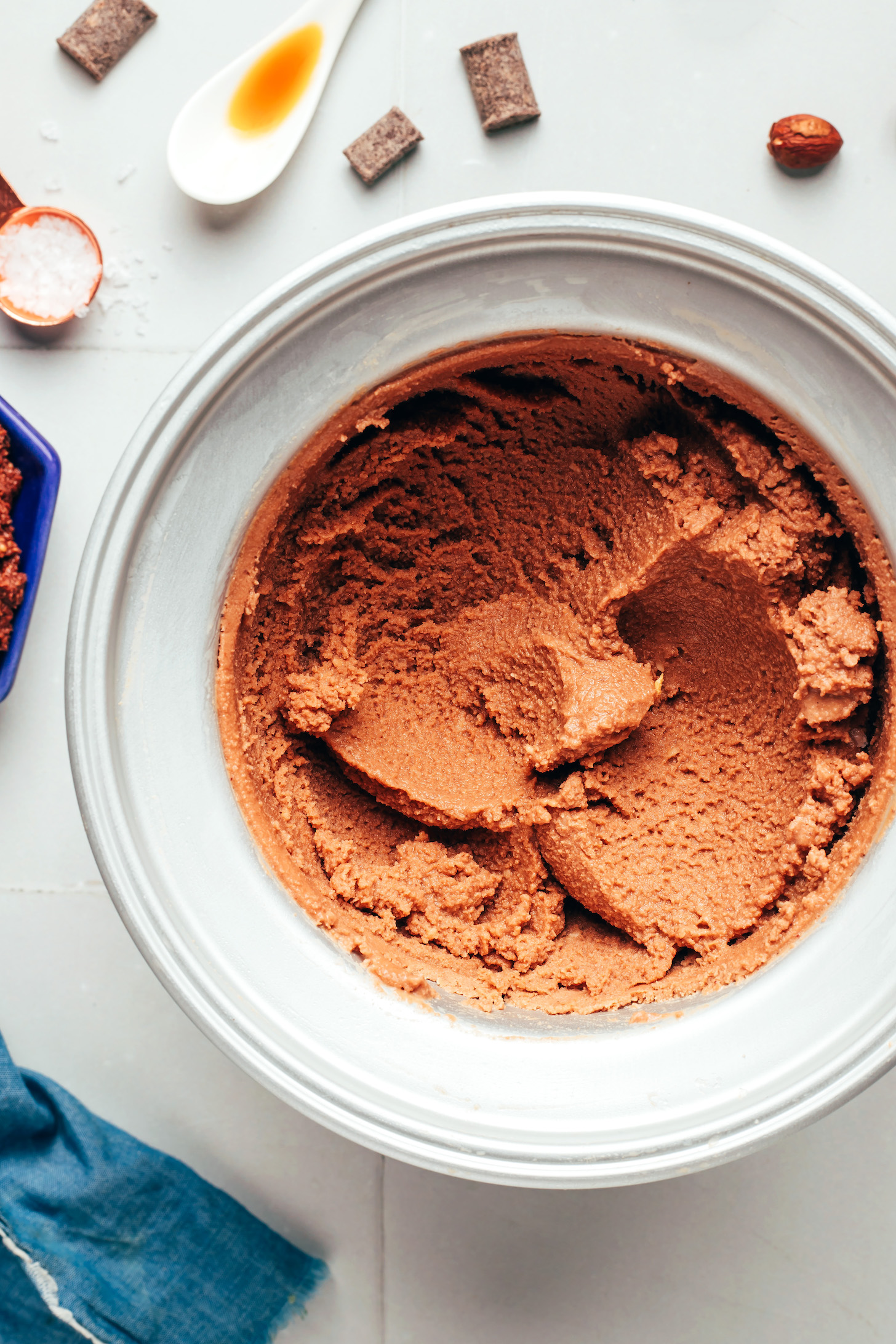
- Emulsification: The hazelnut paste is blended with high-quality melted chocolate, cane sugar, and a stabilized form of light coconut milk. The use of light coconut milk is a strategic choice, as it provides enough fat to prevent ice crystal formation without overpowering the delicate hazelnut flavor with excessive coconut notes.
- Controlled Cooling and Aeration: The mixture undergoes a mandatory refrigeration period of at least 60 minutes. This pre-cooling step is essential for reducing the temperature of the mix to the optimal range for the ice cream machine, typically between 35°F and 40°F. The final stage involves churning, where the introduction of air creates the "fluffy" consistency requested by modern consumers.
Supporting Data and Nutritional Composition
Analysis of the nutritional profile of this six-ingredient recipe reveals a shift in macronutrient distribution compared to traditional dairy-based ice creams. A standard half-cup serving contains approximately 277 calories, with 21.2 grams of fat, of which 9.4 grams are saturated. The lack of cholesterol—a direct result of the plant-based ingredients—is a significant selling point for health-conscious demographics.
The use of coconut milk as the primary liquid base provides a stable medium for the sugar and fat, contributing to the 21.5 grams of carbohydrates per serving. While the recipe remains a dessert item, the reduction in ingredient complexity allows for a clearer understanding of the caloric source, which resonates with the "clean label" trend currently dominating the food and beverage industry.
Industry Implications and Market Trends
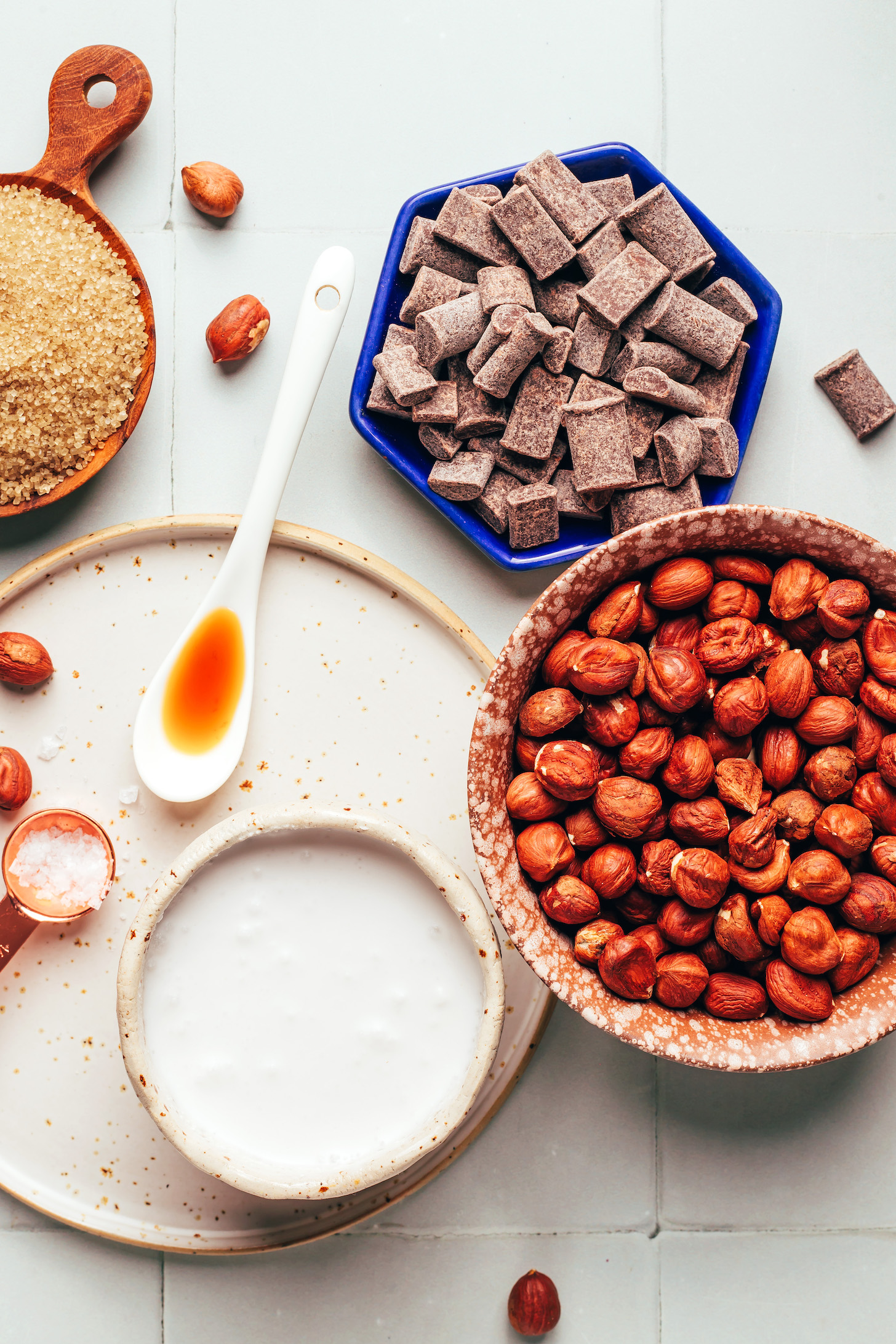
The introduction of simplified, high-quality vegan recipes into the public domain has broader implications for how consumers interact with their food. By providing a framework that requires only six ingredients—hazelnuts, chocolate, coconut milk, sugar, vanilla, and salt—the barrier to entry for creating high-end, allergen-friendly desserts is lowered.
This trend is also reflected in the hospitality sector, where cafes and restaurants are increasingly pivoting toward in-house production of dairy-free items. By using readily available ingredients like coconut milk and raw nuts, establishments can cater to the rising number of consumers identifying as lactose-intolerant or vegan, without the high costs associated with purchasing specialized, pre-packaged vegan ice cream bases.
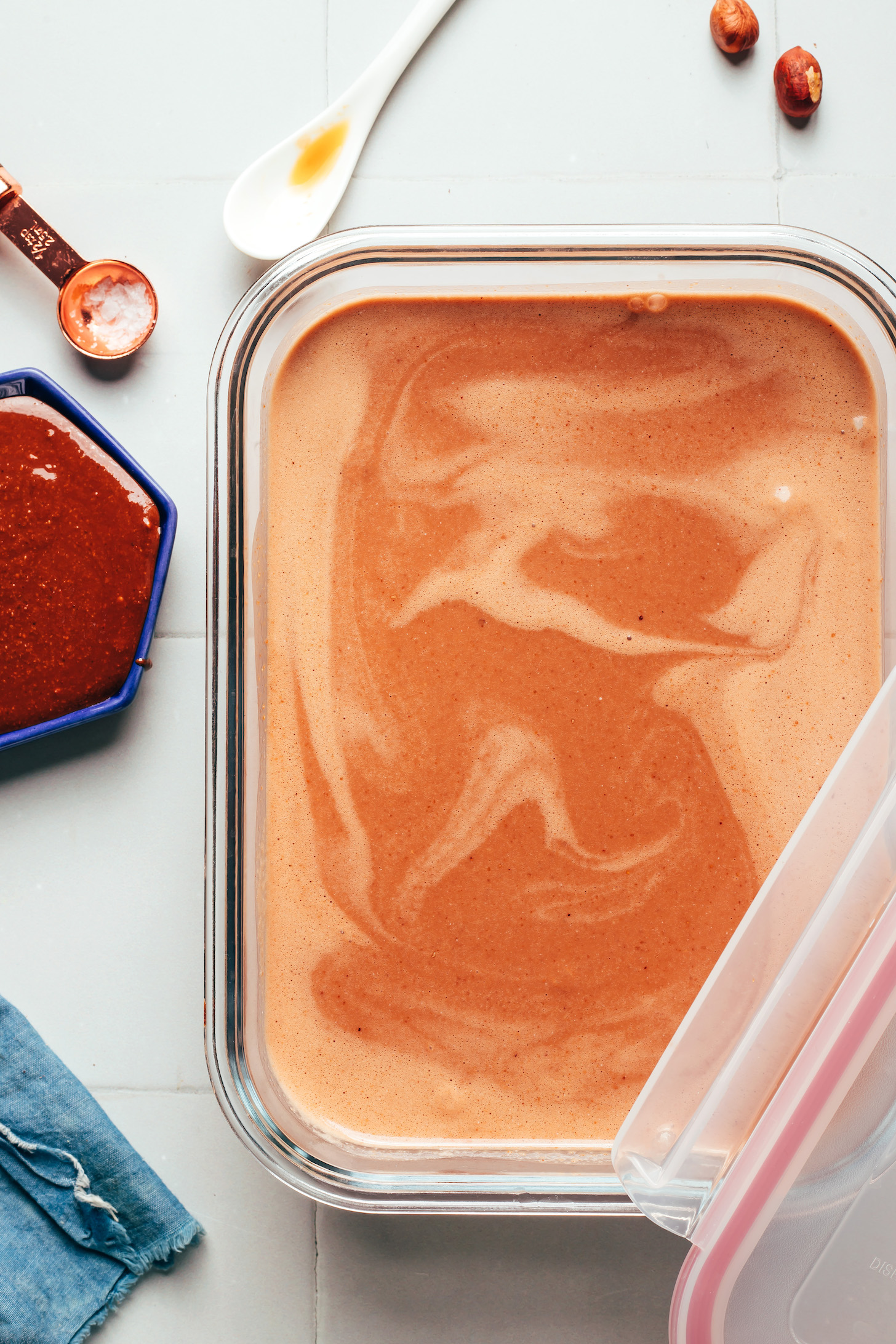
Furthermore, the emphasis on "swirling" techniques—where a portion of the hazelnut-chocolate mixture is added post-churn—mirrors the industrial practices of high-end gelato makers. This technique ensures a varied texture and flavor intensity, providing a premium experience that was previously difficult to replicate outside of a commercial kitchen.
Future Outlook for Plant-Based Confections
As the sector continues to mature, experts anticipate further innovation in the use of alternative milks. While coconut milk remains the industry standard for its emulsification properties, researchers are currently exploring the use of oat and cashew bases to further refine the flavor profiles of dairy-free desserts.
The success of the six-ingredient model suggests that the future of home-based dessert preparation is leaning toward efficiency and transparency. Consumers are no longer content with long lists of unrecognizable chemical stabilizers; instead, they are prioritizing recipes that offer transparency in sourcing and simplicity in execution.
The ability to create a "masterpiece" dessert with a limited inventory of ingredients also addresses the sustainability concerns that drive much of the vegan movement. By reducing the number of processed components, the overall carbon footprint associated with the production and transportation of these ingredients is effectively minimized.

Conclusion
The emergence of this simplified vegan hazelnut-chocolate ice cream serves as a case study for the broader culinary shift toward accessible, plant-based luxury. By utilizing foundational techniques such as dry-roasting and cold-emulsification, home cooks can achieve a level of quality that was once reserved for artisanal shops. As the industry continues to evolve, it is likely that the focus will remain on the intersection of simplicity, nutrition, and sensory satisfaction, ensuring that the plant-based market remains a significant player in the global food economy.
For those interested in the technical aspects of these preparations, the focus remains on ingredient quality. Using high-fat coconut milk with natural emulsifiers like guar gum remains the gold standard for achieving the desired creamy consistency. As more consumers adopt these practices, the gap between commercial dairy-based ice cream and its plant-based counterparts continues to narrow, marking a significant advancement in modern food science and home cooking.