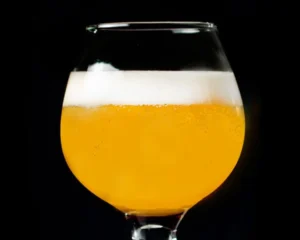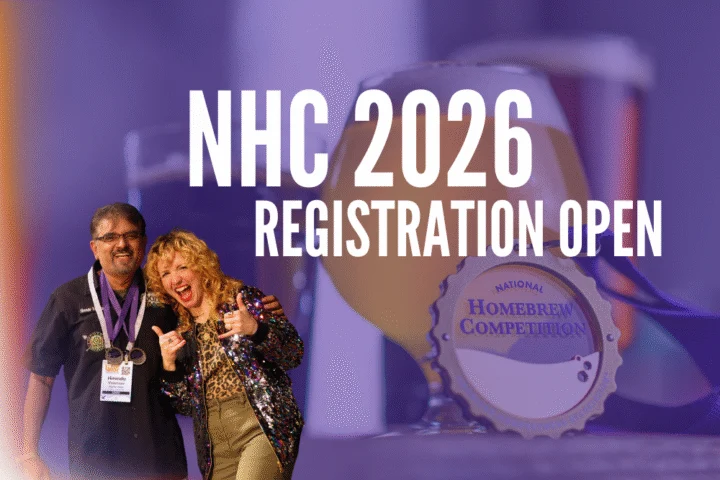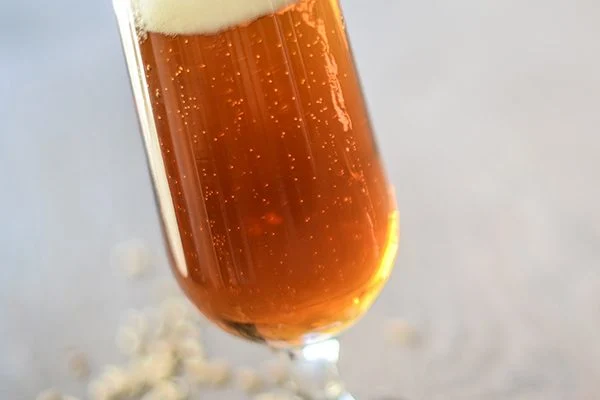

The vibrant and fiercely competitive world of American craft brewing celebrated a major milestone as the results of the 2026 National Homebrew Competition Final Round were officially announced. Among a sea of exceptionally talented participants, Jeff Zwetsch and Don Frakes of Anaheim, California, stood out on the podium. Representing the esteemed Ace Brewing Society, the duo secured a highly coveted gold medal in Category 1: Pale American Beer. Their winning brew triumphed over a formidable field of 104 entries, showcasing a masterclass in balance, precision, and adherence to classic style guidelines.
This victory highlights not only the dedication of individual hobbyists but also the robust regional brewing culture flourishing in Southern California. As the annual competition continues to set the benchmark for amateur brewing excellence, the triumph of Zwetsch and Frakes serves as a testament to the meticulous standards upheld by members of the Ace Brewing Society and the broader homebrewing community nationwide.
The Anatomy of a Championship Pale American Beer
Category 1: Pale American Beer is traditionally one of the most heavily contested and scrutinized classifications in the National Homebrew Competition. Encompassing styles such as American Pale Ale, American Amber Ale, and cream ales, judges look for a delicate harmony of malt sweetness, clean hop bitterness, and refreshing drinkability. Unlike bold imperial stouts or heavily hopped double IPAs, pale American beers leave zero room for technical flaws. Off-flavors, improper carbonation, or an imbalance in water chemistry are instantly exposed in such a clean, accessible style.
Zwetsch and Frakes approached their winning recipe with scientific precision and a deep respect for traditional brewing techniques. According to colleagues within the Ace Brewing Society, the winning formulation relied on carefully sourced domestic pale malts, classic Pacific Northwest hop varieties, and a rigorous fermentation temperature-control schedule. Achieving gold out of 104 elite entries requires not just a great recipe, but flawless execution from mash to bottle or keg. The judges praised the beer’s brilliant clarity, crisp mouthfeel, and harmonious aromatic profile, which ultimately elevated it above the competition.
Background Context and Evolution of the National Homebrew Competition
The National Homebrew Competition, organized annually by the American Homebrewers Association (AHA), is the largest amateur beer, mead, and cider competition in the world. Established in the late 1970s alongside the modern homebrewing renaissance, the event has grown from a modest gathering of passionate hobbyists into a massive international tournament.
The competition operates through a rigorous two-tier judging system. First, regional competitions are held across multiple zones in the United States and abroad. Only beers that achieve high scores in these preliminary rounds advance to the National Homebrew Competition Final Round. In the final phase, entries are evaluated by elite panels of BJCP (Beer Judge Certification Program) certified judges, cicerones, and professional brewers.
Over the decades, the competition has served as an incubator for the American craft beer industry. Countless commercial craft breweries—many of which now distribute regionally or nationally—began as basement operations perfecting recipes for this very competition. Wins at the national level carry immense prestige, acting as a hallmark of brewing mastery and technical expertise.

Chronology of the 2026 Tournament Season
The path to gold for Zwetsch and Frakes represents the culmination of a months-long journey that began long before the final medals were tallied. Understanding the timeline of the National Homebrew Competition illuminates the scale of commitment required by participating brewers:
- Late Autumn (Previous Year): Brewers across the country begin fine-tuning recipes, harvesting yeast cultures, and sourcing specialty grains in anticipation of the upcoming competition cycle.
- Early Spring: Registration opens for the National Homebrew Competition. Entrants submit detailed style categorizations and bottle counts for preliminary evaluation.
- Mid-Spring (First Round): Regional judging centers evaluate thousands of entries. Judges provide detailed sensory feedback sheets, scoring beers based on aroma, appearance, flavor, and mouthfeel.
- Late Spring: Results from the first round are compiled, and advancing entries are carefully packaged and shipped to the final round evaluation site.
- Early Summer (Final Round): The ultimate showdown takes place. A panel of master judges evaluates the finalists to determine the gold, silver, and bronze medalists across all official AHA style categories.
- Summer Announcement: Winners are officially announced to the public, setting off celebrations within local brewing clubs and validating months of rigorous experimentation.
Perspectives from the Craft and Homebrewing Community
While individual accolades belong to Zwetsch and Frakes, their success reflects the collaborative nature of modern homebrewing clubs. Organizations like the Ace Brewing Society play a critical role in fostering talent by providing constructive feedback, shared equipment access, and educational seminars.
Representatives from regional brewing organizations noted that achievements like this one elevate the standard for all members. "When local brewers take home gold on a national stage, it validates the countless hours spent cleaning equipment, monitoring fermentation profiles, and studying brewing science," noted a regional club liaison. "It inspires newer members to push their boundaries and refine their craft."
Furthermore, professional brewers frequently monitor the National Homebrew Competition results to identify emerging trends and exceptional amateur talent. Many commercial craft breweries utilize pilot systems or collaborative brewing arrangements to scale up winning amateur recipes, bringing award-winning homebrews directly to consumer taprooms.
Broader Implications for the Craft Beer Industry
The triumph of Anaheim-based brewers at the national level underscores the decentralization of brewing excellence in the United States. While historical brewing hubs in the Pacific Northwest and the Northeast continue to produce world-class beer, Southern California has firmly established itself as an epicenter of both commercial and amateur brewing innovation.
As raw material costs fluctuate and consumer palates shift toward clean, highly drinkable, and sessionable styles, the prominence of Pale American Beer in competition highlights a market return to foundational brewing principles. Consumers and judges alike are placing renewed value on technical execution over sheer alcoholic strength or experimental adjuncts.
For the American Homebrewers Association, the continued growth and participation numbers in the National Homebrew Competition—surpassing over a hundred entries in single categories like Pale American Beer—demonstrate that the hobby remains robust and deeply engaging. As homebrewers continue to experiment with advanced techniques such as mixed-culture fermentations, bespoke water profiling, and sustainable brewing practices, the bridge between amateur experimentation and professional innovation grows ever stronger.
For Jeff Zwetsch and Don Frakes, their gold medal serves as a permanent fixture in their brewing resumes and a shining moment for the Ace Brewing Society. As they look toward future competitions, their success remains an inspiring benchmark for hobbyists nationwide who aspire to brew the best beer possible.