
The American restaurant industry is currently undergoing a transformative period defined by a return to fundamental consumer priorities: value, quality, and the comfort of routine. According to the newly released YouGov 2026 U.S. Restaurant Brand Rankings, established market leaders are solidifying their positions by aligning their operational strategies with these core pillars. The report, which provides a comprehensive overview of consumer sentiment across casual dining, quick-service restaurants (QSR), and specialty dining, indicates that while brand scale remains a significant factor, the ability to maintain relevance through consistent delivery is the primary driver of market share.
Casual Dining: Olive Garden and Texas Roadhouse Lead the Segment
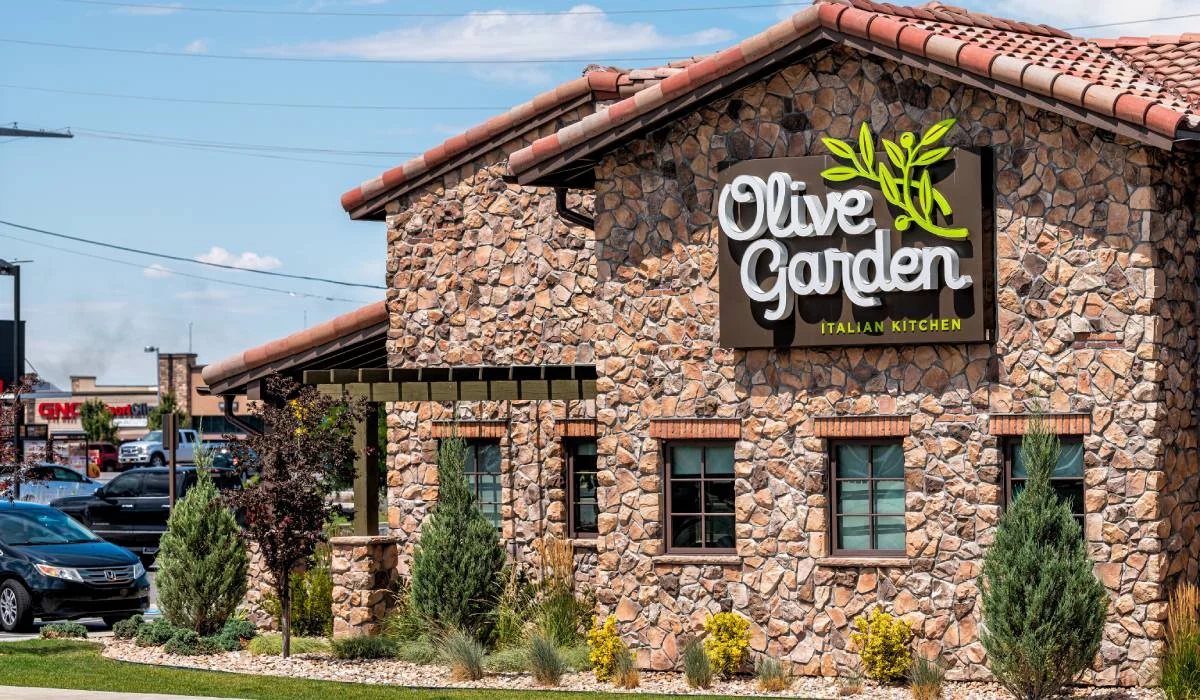
In the casual-dining sector, Olive Garden has maintained its status as the most considered brand in the United States. The Darden Restaurants flagship recorded a consideration score of 30.7 percent, meaning nearly one in three American adults would consider dining at the chain when planning a meal out. This dominance is largely attributed to the brand’s strategic focus on value perception. For the 2026 reporting period, Olive Garden ranked first among its casual-dining peers in value, a metric that calculates the net difference between consumers who perceive a brand as offering good value for the money versus those who do not.
Following closely in the rankings are Texas Roadhouse and Applebee’s. While Olive Garden leads in overall consideration and value, Texas Roadhouse has successfully carved out a niche as the leader in quality perception. The steakhouse chain’s emphasis on hand-cut steaks and made-from-scratch sides has resonated with a demographic that is increasingly willing to trade up for perceived culinary excellence, even within the casual-dining framework. This dichotomy between Olive Garden’s value-led appeal and Texas Roadhouse’s quality-led appeal highlights a bifurcated consumer base that seeks either the most "bang for their buck" or the highest possible food standard within a mid-range price point.
The Dominance of Quick-Service Restaurants and Frequency Trends
The YouGov report underscores the continued dominance of the fast-food industry in the daily lives of Americans. The data reveals that fast-food consumption has become a deeply ingrained routine for a majority of the population. Approximately two-thirds of U.S. adults report purchasing fast food at least once a month, while a significant 30 percent of the population does so on a weekly basis.
McDonald’s continues to be the undisputed leader in terms of reach and consideration. With nearly 40 percent of consumers expressing a willingness to purchase from the brand, McDonald’s leverages its massive physical footprint and marketing budget to remain at the forefront of the consumer’s mind. However, the report indicates that "reach" does not always equate to "quality" in the eyes of the public.
While McDonald’s leads in consideration, Chick-fil-A remains the gold standard for quality perception in the fast-food category. Ranking number one in quality, Chick-fil-A’s success is attributed to its consistent service model and specialized menu. The brand’s ability to maintain high quality scores despite its rapid expansion suggests a successful scaling of corporate culture and operational standards. Other high-performers in the quality sub-category include sandwich-focused chains such as Jersey Mike’s and Firehouse Subs, which benefit from a "fresh-sliced" or "premium ingredient" brand narrative.
The Value Wars: Wendy’s, Taco Bell, and the Price-Sensitive Consumer
As inflationary pressures and economic shifts continue to influence household budgets, the "value" metric has become a critical battleground for QSR brands. According to the report, Wendy’s has overtaken its competitors to rank as the top brand for value in the fast-food segment. This shift is likely the result of aggressive promotional pricing and the success of "bundled" meal deals that appeal to budget-conscious families.
Taco Bell and Domino’s follow Wendy’s in the value rankings, holding the second and third spots, respectively. Taco Bell’s performance is particularly noteworthy as it also leads the "Tacos and Burritos" category, suggesting that its brand identity is inextricably linked to affordability. For frequent fast-food diners—those who eat out multiple times per week—value and discounts are cited as the most influential factors in their decision-making process. Beyond price, this demographic also prioritizes clean dining environments and the availability of promotions, indicating that the "experience" of fast food still matters, even at a lower price point.
Methodology and Chronology of the 2026 Rankings
The findings of the YouGov 2026 U.S. Restaurant Brand Rankings are derived from a rigorous data collection process spanning a full year. The data was gathered between March 1, 2025, and February 28, 2026, utilizing YouGov’s proprietary tools: CategoryView, BrandIndex, and BrandIndex Voices.
The research utilized nationally representative samples of U.S. adults to ensure that the data reflects the broader population’s sentiments. Several key metrics were used to determine the rankings:
- Consideration Scores: The percentage of consumers who would consider a brand when next in the market to purchase food or drink.
- Quality and Value Scores: These are calculated as "net scores," derived by subtracting negative perceptions from positive perceptions among consumers who are aware of the brand.
- Eligibility: To ensure statistical reliability, the rankings only included brands that had been tracked for at least six months and maintained a minimum sample size of 300 respondents.
This year-long tracking period allows for the smoothing out of seasonal fluctuations, such as holiday promotions or limited-time summer offers, providing a more accurate "baseline" of brand health.
Category Leaders and Specialty Dining
The report also provides a granular look at specific food categories, identifying the "best in class" for various menu staples:
- Burgers: Five Guys remains the top-rated burger brand, continuing its streak of high consumer favorability based on customization and freshness.
- Sandwiches: Subway leads the sandwich segment, benefiting from its ubiquitous presence and "Eat Fresh" positioning.
- Pizza: Pizza Hut holds the top position, fending off competition from Domino’s and Papa Johns through a combination of delivery reliability and brand heritage.
- Chicken: Chick-fil-A maintains its stronghold on the chicken category, a segment that has seen intense competition over the last several years.
- Fries: Despite heavy competition and various "fry wars," McDonald’s remains the clear leader in the French fry category, a menu item that often serves as a primary driver for foot traffic.
In the specialty dining and coffee segment, the rivalry between Starbucks and Dunkin’ remains the central story. Both brands dominate consideration scores, but Starbucks holds the lead in coffee quality perception. Meanwhile, in the frozen dessert category, Cold Stone Creamery has emerged as the top ice cream brand, favored for its "premium" experience and in-store preparation style.
Official Responses and Strategic Analysis
The data points toward an industry where "reliable customer experience" is the most valuable currency. Ashley Brown, Senior Director at YouGov America, emphasized that the current market rewards brands that do not lose sight of the basics.
"Restaurant brands that succeed today are those that consistently deliver on the fundamentals—value, quality, and a reliable customer experience—while also adapting to evolving consumer expectations," Brown stated. "What this data makes clear is that brand strength isn’t just about awareness or scale; it’s about relevance. Whether it’s McDonald’s maintaining broad appeal, Chick-fil-A excelling on quality, or Starbucks and Dunkin’ competing closely in specialty dining, the brands that win are those that understand exactly what matters most to their customers and deliver on it every day."
Industry analysts suggest that the emphasis on "routine behavior" mentioned in the report is a sign of "brand fatigue" among consumers who are overwhelmed by choice. In response, successful chains are doubling down on loyalty programs and mobile app integration to "lock in" these routines. By making the ordering process frictionless and rewarding repeat visits, brands are moving beyond mere transactions to become a scheduled part of the consumer’s week.
Broader Implications for the Future of Dining
The 2026 rankings suggest several long-term implications for the U.S. restaurant landscape. First, the divide between "Value Leaders" and "Quality Leaders" is likely to widen. Brands that attempt to be everything to everyone may find themselves squeezed out by specialists like Texas Roadhouse on one end and Wendy’s on the other.
Second, the importance of "clean dining environments" as a top-three factor for frequent diners indicates a shift in post-pandemic expectations. Consumers are no longer willing to overlook physical plant issues in exchange for fast service; the environment is now a core component of the perceived value.
Finally, the report highlights the resilience of the American diner. Despite fluctuating economic conditions, the frequency of dining out remains high. However, the "consideration" phase of the consumer journey has become more competitive. Brands can no longer rely on history alone; they must prove their value and quality daily to remain in the "consideration set" of the modern, informed, and price-sensitive American consumer. As the 2026 data shows, the winners are those who have successfully turned a meal into a dependable, high-value habit.