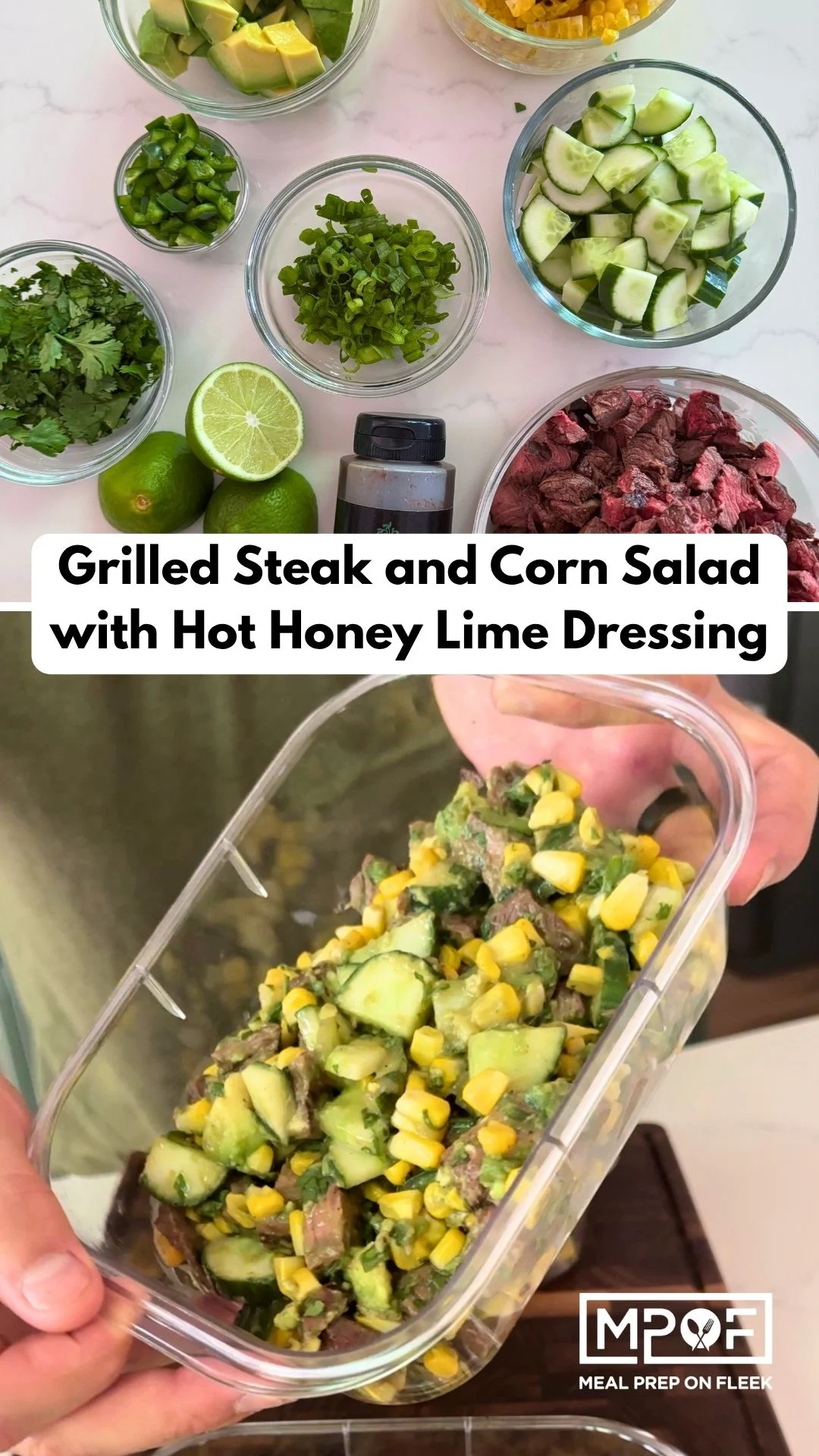

The culinary landscape has witnessed a growing trend toward "non-traditional" salads that prioritize robust protein and complex textures over standard leafy greens. A notable addition to this movement is the Grilled Steak and Corn Salad with Hot Honey Lime Dressing, a dish that redefines the parameters of a lunch or dinner bowl by focusing on structural integrity and nutritional density. Unlike conventional salads that rely on lettuce—a vegetable prone to wilting and oxidation—this preparation utilizes a foundation of charred vegetables and premium proteins to ensure longevity, making it a viable candidate for modern meal-prep logistics.
Nutritional Architecture and Ingredient Selection
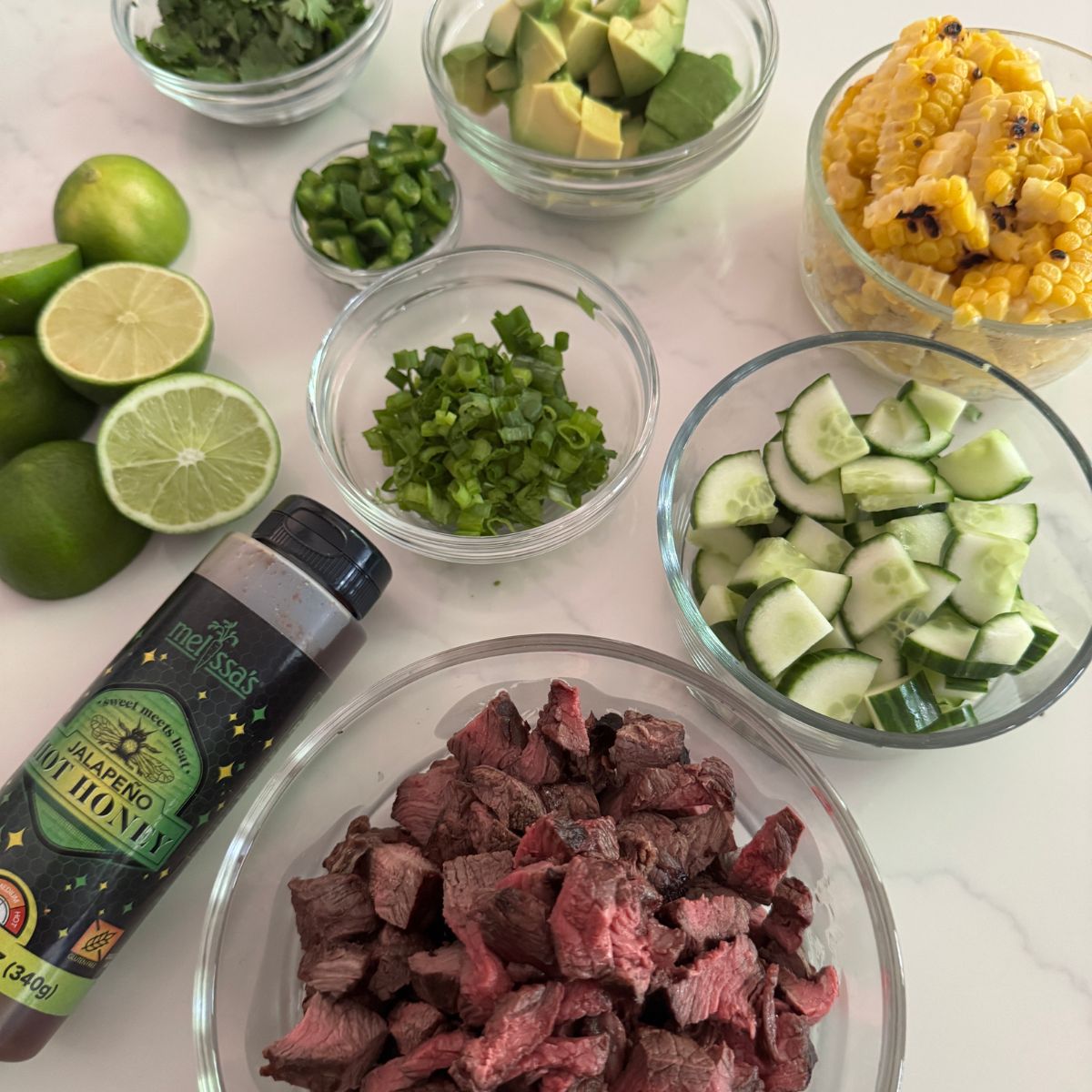
The shift away from lettuce-based salads is rooted in a desire for higher caloric density and improved storage performance. Traditional iceberg or romaine lettuces contain upwards of 95 percent water, which leads to structural collapse when exposed to acidic dressings or ambient humidity. By contrast, the Grilled Steak and Corn Salad utilizes cucumber, grilled corn, and avocado as its primary base.
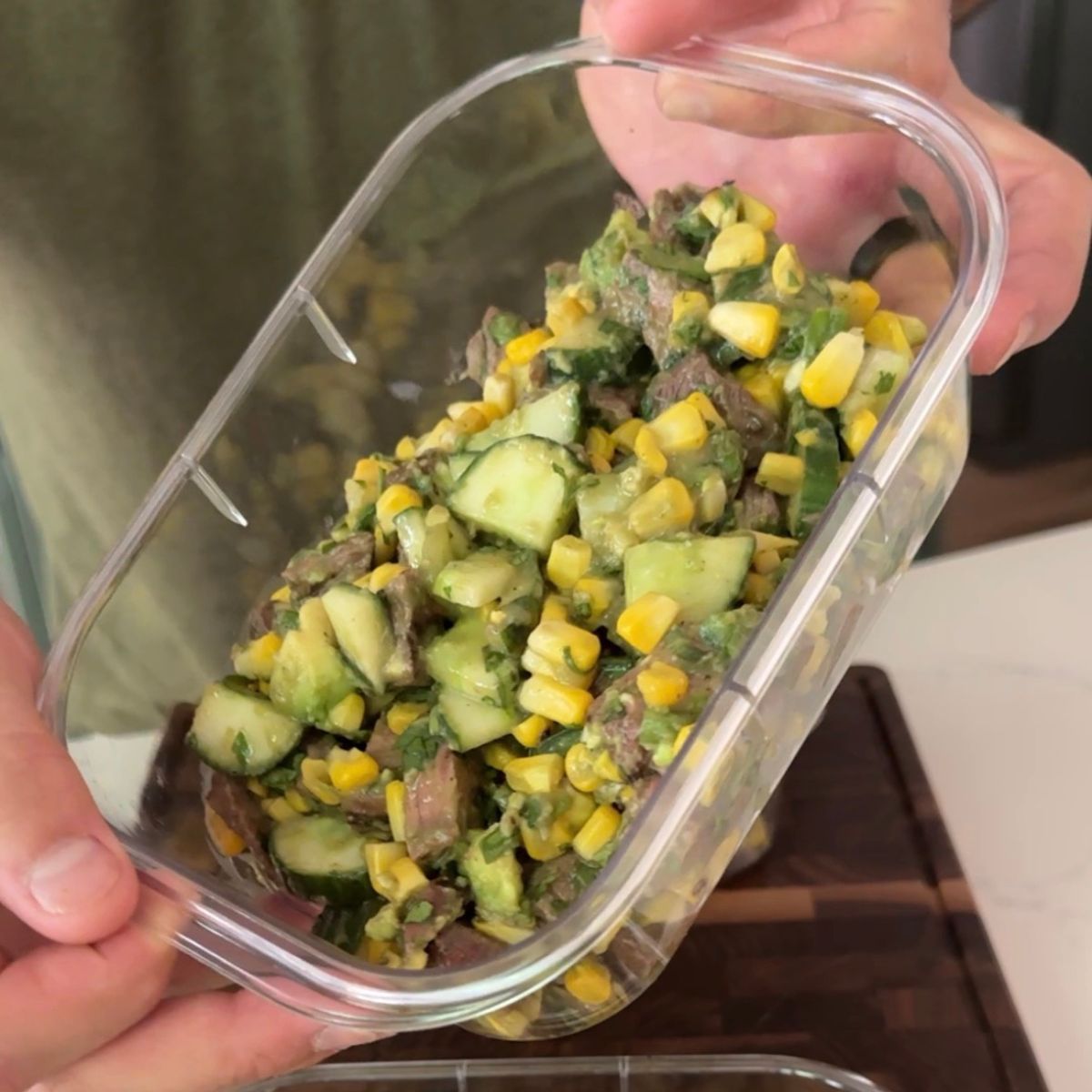
From a nutritional standpoint, this combination offers a superior macronutrient profile. Steak provides a high-quality source of complete protein and essential minerals such as iron and vitamin B12. Sweet corn contributes complex carbohydrates and dietary fiber, while avocado introduces heart-healthy monounsaturated fats. When combined with the hot honey lime dressing, the dish achieves a balance of flavors—acidity from the citrus, sweetness from the honey, and heat from the capsaicin in the jalapeño—that stimulates the palate without requiring the heavy, oil-based emulsions often found in traditional bottled dressings.
Chronology of Preparation
Achieving the optimal flavor profile for this dish requires a methodical approach to heat management. The preparation process can be divided into four distinct phases:
- Thermal Conditioning: The grill must reach an internal temperature of 425°F to 450°F. This high-heat environment is essential for the Maillard reaction, a chemical process between amino acids and reducing sugars that gives browned food its distinctive flavor.
- Protein Sealing: The steak, typically a lean cut such as flank or sirloin, is patted dry to remove surface moisture. This step is critical; moisture creates steam, which prevents the development of a flavorful crust. The steak is grilled until it reaches an internal temperature of 125°F to 130°F (for medium-rare) and then subjected to a mandatory resting period of 5 to 10 minutes.
- Vegetable Charring: Corn is grilled for approximately 8 to 10 minutes. The objective is not to cook the kernels through, but to achieve a degree of caramelization that complements the natural sweetness of the crop.
- Final Integration: The dressing—an emulsion of lime juice, honey, and chili—is prepared separately. Ingredients are integrated only at the point of service to maintain the textural contrast between the crunchy cucumber and the tender steak.
The Science of Steak Preparation
A critical technical aspect of this recipe is the method of slicing. To optimize the tenderness of the final product, the steak must be cut against the grain. Muscle fibers in cuts like flank or skirt steak are long and tough; slicing perpendicular to these fibers effectively shortens the muscle, creating a more pleasant mouthfeel. This technique is a standard practice in professional culinary environments to ensure that even tougher cuts of meat are rendered palatable.
Logistics and Meal Prep Implications
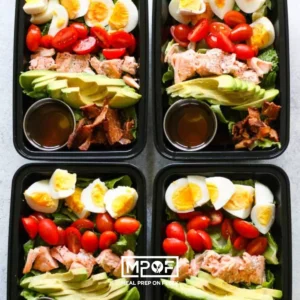
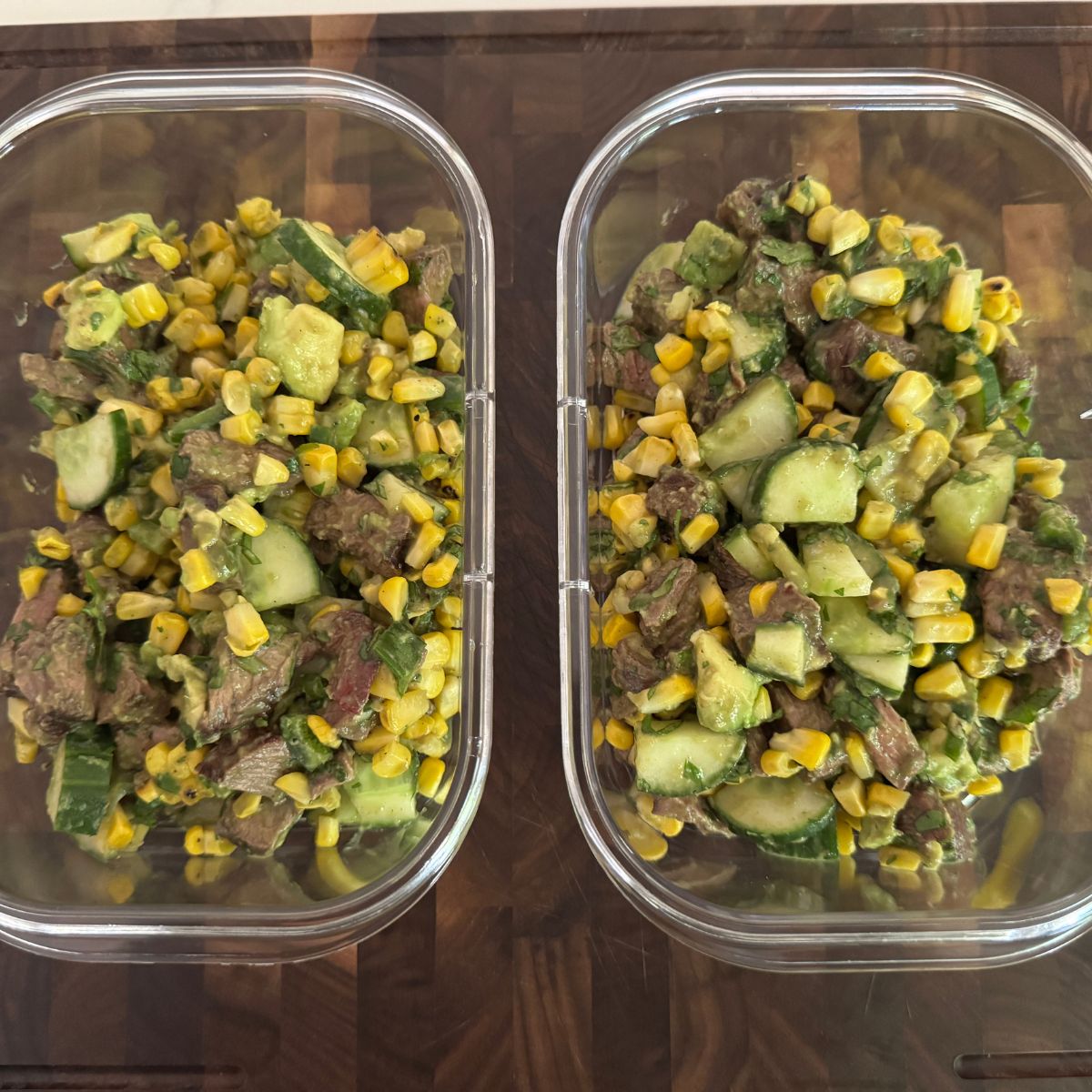
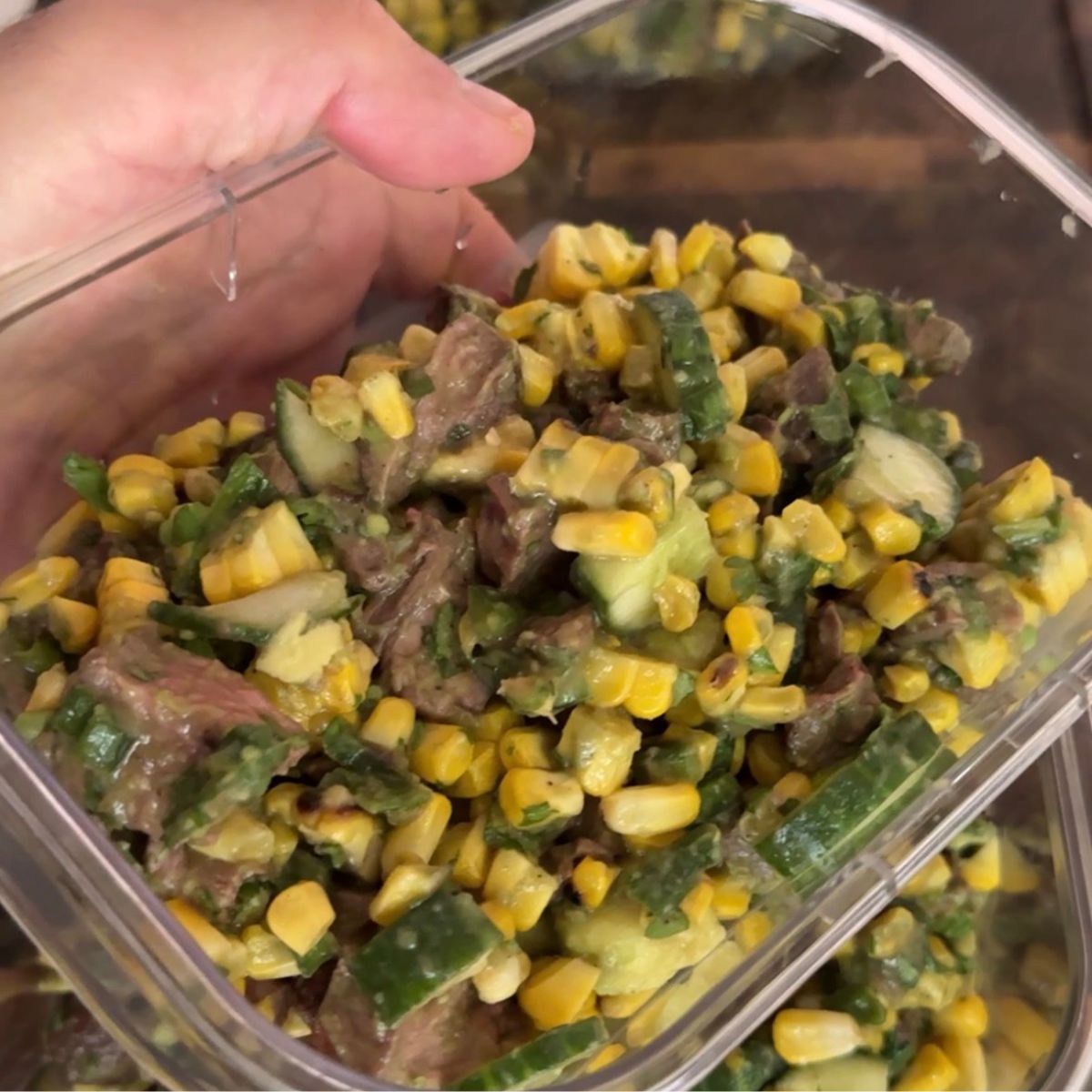
The rise of the "no-lettuce" salad is largely a response to the practical demands of busy consumers. In professional food service and home meal prep, the primary challenge is the "shelf-life gap." Leafy salads typically lose their quality within 24 hours of dressing. By utilizing denser vegetables, this salad can remain viable in an airtight container for three to four days.
Industry experts suggest that the "build-your-own-bowl" model, which separates dressing and delicate fats like avocado, is the most efficient way to maintain freshness. By keeping the lipid-heavy avocado away from the acidic lime dressing until the final moment, the dish avoids the enzymatic browning—known as oxidation—that occurs when the avocado’s flesh is exposed to air and acid.
Economic and Dietary Considerations
The cost-to-protein ratio of this dish positions it as an economical choice for those prioritizing fitness-oriented meal planning. While the initial investment in steak may be higher than traditional plant-based salads, the satiety provided by the protein significantly reduces the need for frequent snacking. Furthermore, the gluten-free and dairy-free nature of the base recipe makes it an inclusive option for individuals with specific dietary restrictions, including those following Paleo or clean-eating protocols.
Expert Perspectives on Flavor Profiling
Culinary critics note that the use of "hot honey"—honey infused with chili peppers—is a sophisticated shortcut to balancing acidity. The lime juice provides the "brightness" needed to cut through the richness of the steak, while the honey provides a necessary counter-balance to the heat of the jalapeño. This push-pull dynamic is a hallmark of balanced cooking, ensuring that no single element dominates the flavor profile.
Broader Implications for Modern Dining
The popularity of this salad reflects a broader shift in consumer behavior: a move toward "functional food." Modern diners are increasingly less interested in "rabbit food" and more focused on meals that offer tangible metabolic benefits. The integration of high-protein, fiber-rich, and fat-balanced meals suggests that the future of casual, healthy dining lies in dishes that can be prepared in bulk without sacrificing quality.
As food preparation trends continue to evolve, the focus on technical execution—such as proper searing, ingredient selection, and storage science—remains paramount. This steak salad serves as a case study for how simple, high-quality ingredients can be elevated through standard culinary techniques. By removing the dependency on lettuce, the dish successfully bridges the gap between a light appetizer and a robust, restorative meal.
Summary of Best Practices
To replicate the results of this dish consistently, home cooks and meal-prep enthusiasts should observe the following guidelines:
- Temperature Control: Never rely on guesswork; use a digital meat thermometer to ensure the steak reaches the desired internal temperature, avoiding both the danger of undercooking and the loss of quality associated with overcooking.
- Resting Phase: The resting period is not optional. It allows the redistribution of juices throughout the meat, ensuring that every slice is succulent.
- Component Separation: The durability of the salad is dependent on the separation of wet and dry components. The dressing should be treated as a finishing touch rather than a marinade.
- Customization: The formula allows for significant versatility. Whether substituting the steak for chicken, shrimp, or a plant-based protein, the structural ratio of the salad remains consistent, ensuring the dish remains a reliable staple in any meal-prep repertoire.
In conclusion, the Grilled Steak and Corn Salad represents a transition toward pragmatic, high-performance nutrition. By discarding the traditional reliance on perishable greens, the recipe provides a durable, flavorful, and nutritionally dense alternative that caters to the logistical realities of contemporary life. Whether served at a gathering or portioned for a week of lunches, it stands as an example of how culinary efficiency can align with high-quality, whole-food ingredients.