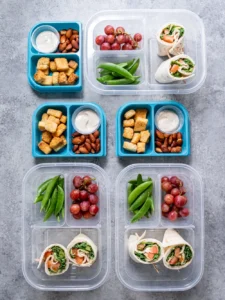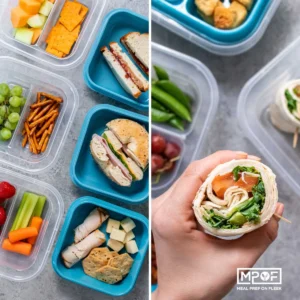

The transition from the relaxed pace of summer to the structured environment of the academic year brings a distinct set of logistical challenges for families and educators alike. As school bells ring across the country, the morning rush often prioritizes speed over nutrition, leading to a reliance on processed, pre-packaged convenience foods. However, a growing movement toward proactive meal preparation—often referred to as "meal prepping"—is reshaping how households manage the high-demand morning and midday windows. By dedicating specific blocks of time during the weekend to menu planning, grocery procurement, and batch cooking, families can mitigate the daily chaos while ensuring consistent access to nutritionally balanced meals.
The Evolution of the School Lunch Landscape
The logistical burden of the school year is measurable. Data from the National Center for Education Statistics suggests that the average school year spans approximately 180 days, during which time parents and guardians are tasked with providing or facilitating lunch for their children. In an era of packed extracurricular schedules and high-stakes academic performance, the cognitive load associated with daily decision-making—specifically regarding nutrition—often leads to "decision fatigue."
Historically, school lunches were predominantly either provided by school districts or packed in simple containers. Today, the focus has shifted toward high-efficiency, nutrient-dense, and cost-effective preparation. Meal prepping, once a niche practice among fitness enthusiasts, has become a mainstream strategy for household management. Experts note that when meals are prepared in advance, there is a statistically significant decrease in the consumption of high-sodium, high-sugar snacks, as individuals are less likely to rely on impulse buys at grocery stores or school vending machines.

Establishing a Systematic Approach to Food Safety
While the benefits of meal prep are clear, the process requires adherence to strict food safety protocols to prevent the risk of foodborne illnesses. According to the United States Department of Agriculture (USDA), nearly 97% of home food handlers fail to follow the recommended hand-washing procedures, a lapse that significantly increases the potential for cross-contamination during the preparation phase.
For families preparing meals for the week, the process should adhere to a structured safety timeline:

- Strategic Procurement: Grocery shopping should be completed with a pre-defined list to avoid unnecessary exposure to non-essential items. Perishable goods—specifically dairy, meats, and leafy greens—should be selected last to ensure they remain at the optimal temperature for the shortest possible duration during transport.
- The Two-Hour Rule: Perishable items must be refrigerated or frozen within two hours of purchase. In warmer climates or during summer months, this window narrows to one hour if ambient temperatures exceed 90°F.
- Sanitization Protocols: Surfaces and utensils must be sanitized before and after contact with raw proteins. The use of separate cutting boards for produce and raw meat is a non-negotiable standard for preventing cross-contamination.
Chronology of a Successful Meal Prep Week
Efficiency in the kitchen is not a matter of speed, but of methodology. A successful weekly cycle generally follows this chronological progression:
- Friday/Saturday: Menu Synthesis. Assessing the upcoming week’s schedule, including after-school sports and extracurricular commitments, informs the type of meals required. High-energy, portable breakfasts are prioritized for busy mornings, while nutrient-dense lunches are structured for the school day.
- Saturday/Sunday Morning: Procurement. Leveraging digital inventory tools and shopping lists, the physical acquisition of ingredients occurs.
- Sunday Afternoon: The Prep Phase. This is the core of the operation. This includes batch-cooking grains, roasting proteins, and washing/chopping vegetables. By preparing components rather than fully assembled meals, families maintain freshness throughout the week.
- Monday through Friday: Execution. The final assembly of lunchboxes takes minutes, reducing the cognitive load on parents and ensuring children have consistent access to healthy fuel.
The Role of Infrastructure and Storage
The success of a meal prep strategy is heavily dependent on the quality of storage infrastructure. The industry has seen a surge in specialized containers designed for thermal retention and portion control.
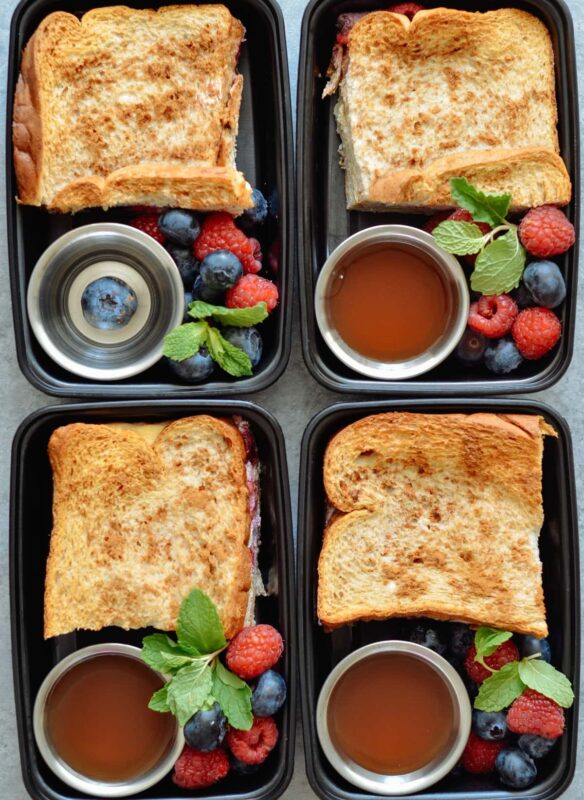
For cold lunches, the use of insulated bags is standard practice, but the thermal integrity of the food depends on the "cold source" ratio. Experts recommend at least two cold sources—such as frozen water bottles or reusable ice packs—to keep the internal temperature of the lunch box below 40°F, the threshold at which bacterial growth accelerates.
For hot meals, the use of a preheated thermos is essential. By filling an insulated container with boiling water for five minutes prior to adding hot food, the user primes the interior surface, allowing the meal to retain its temperature for several hours. This method is particularly effective for soups, stews, or proteins that benefit from being served warm.

Supporting Educators and Professional Staff
The demand for streamlined meal solutions extends beyond the household to the faculty lounge. Teachers, who often operate on rigid, unforgiving schedules with limited access to kitchen facilities, face unique challenges. The "Teacher Meal Prep" movement has gained traction as a response to the lack of time available for midday nutrition.
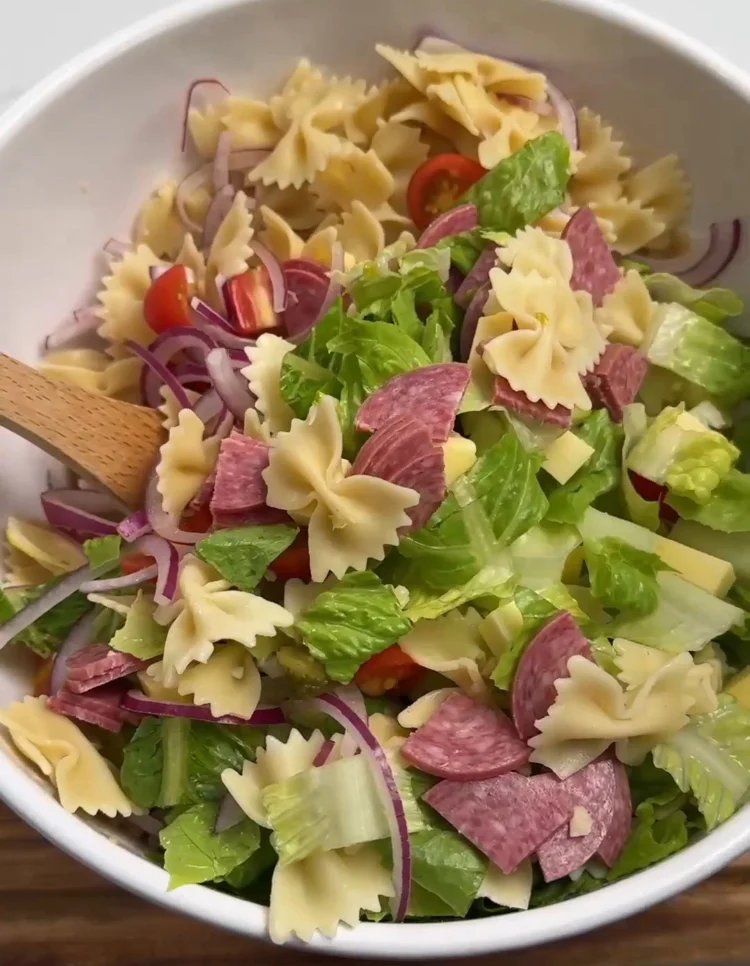
By designing meals that do not require reheating—such as grain bowls, cold pasta salads, or protein-rich wraps—educators can ensure they remain energized throughout the day. The implementation of meal plans tailored specifically for professionals allows for a transition away from the "cafeteria trap," where the only available options are often high in refined carbohydrates.

Broader Implications for Student Performance
There is a well-documented correlation between nutritional intake and cognitive function in children. Blood glucose stability, supported by balanced meals containing complex carbohydrates, protein, and healthy fats, is essential for maintaining focus during afternoon lessons. Conversely, meals high in simple sugars often lead to rapid energy spikes followed by lethargy, which can negatively impact a student’s ability to engage with curriculum material.
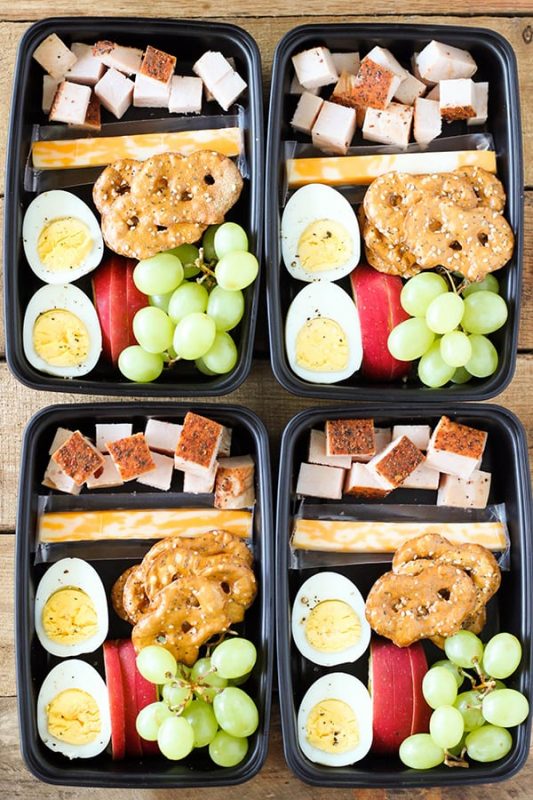
By shifting toward home-prepared meals, families exercise greater control over the macronutrient profiles of their children’s diets. This not only supports physical health but also fosters an early understanding of food preparation and nutritional literacy. When children are involved in the meal prep process—selecting vegetables at the grocery store or helping assemble bento-style boxes—they exhibit a higher degree of dietary compliance and a greater willingness to consume a wider variety of foods.
Conclusion: The Long-Term Value of Consistency
The practice of meal prepping is fundamentally an exercise in risk management and resource allocation. While the initial investment of time on a weekend may seem significant, the long-term dividend—in the form of improved health outcomes, reduced food waste, and lowered financial expenditure—is substantial.
As families navigate the complexities of the academic calendar, the ability to automate routine tasks like meal preparation serves as a stabilizer. Whether through the use of batch-cooked breakfast items like portable pancakes and egg cups, or the assembly of diverse, protein-rich lunch boxes, the goal remains the same: to remove the friction from healthy eating. In an increasingly fast-paced world, the simple, consistent act of preparing one’s own food remains one of the most effective tools for maintaining physical well-being and logistical order.