
If you’ve heard of billionaire Bryan Johnson, you’ve likely encountered the phrase bio age testing. Johnson, the high-profile founder of Kernel and the subject of the Netflix documentary Don’t Die, has become the face of a modern "longevity movement" defined by an aggressive, data-driven quest to reverse the effects of aging. Johnson claims to have achieved a biological age significantly younger than his chronological age through a multi-million dollar regimen that includes dozens of daily supplements, hyperbaric oxygen therapy, and rigorous lifestyle protocols. While his methods have sparked both fascination and skepticism—including a New York Times investigation that questioned the veracity of his claimed age reversal—the broader industry of "bio age" assessment is rapidly moving from the fringes of Silicon Valley into the mainstream.
Biological age, or "bio age," is a concept distinct from chronological age, which simply measures the passage of time since birth. Instead, bio age refers to the physiological status of an individual’s cells, tissues, and organs. It serves as a marker for how well—or how poorly—an individual is aging relative to the population average. The central premise is that by measuring specific biomarkers, individuals can identify "leaks" in their physiological health and implement targeted interventions to slow or even reverse the aging process.
The Evolution of Longevity Science
The pursuit of life extension is as old as civilization, but the shift toward quantitative biomarker testing marks a new era. Historically, aging was viewed as an inevitable decline. Today, researchers in the field of geroscience, such as Dr. David Sinclair and Dr. Steve Horvath, have reframed aging as a malleable biological process.
The chronology of this movement accelerated in the early 2010s with the development of the "epigenetic clock." In 2013, Dr. Horvath published research detailing how DNA methylation—a chemical process that modifies the DNA molecule—could be used to calculate a person’s biological age with high precision. This discovery provided a scientific bedrock for a new market of consumer-facing health tests. Over the last decade, these tests have evolved from laboratory curiosities into accessible, mail-order kits. Podcasts hosted by influential figures like Peter Attia, Joe Rogan, and Andrew Huberman have further propelled the topic, framing it as a critical component of "proactive medicine."
Understanding the Biomarkers of Aging
To assess biological age, commercial tests typically analyze specific markers. DNA methylation remains the gold standard for these assessments. By examining the patterns of methyl groups attached to DNA, companies like those providing the "DunedinPACE" or "Horvath Clock" analysis can estimate an individual’s "pace of aging."
However, traditional medicine has tracked biological health through biomarkers for decades. Blood pressure, fasting glucose, lipid panels (cholesterol), and C-reactive protein (a marker of systemic inflammation) remain the most reliable predictors of cardiovascular health, which is the leading cause of mortality worldwide. Critics of the modern longevity industry argue that consumers often prioritize expensive, experimental epigenetic tests over the fundamental, clinically validated blood work that a primary care physician can provide.
The Five Pillars of Free Biomarker Assessment
For the average individual, high-tech testing is not a prerequisite for longevity. Several scientifically validated, free assessments can provide a comprehensive picture of one’s physiological status.
1. The Sitting-Rising Test (SRT): This test assesses neuromuscular strength, balance, and flexibility. Participants are asked to sit on the floor and stand back up without using their hands, knees, or shins for support. A 12-year study of 4,200 adults demonstrated a strong correlation between low SRT scores and increased mortality risk, likely due to the test’s ability to highlight functional decline.
2. Grip Strength: Often underestimated, grip strength is a reliable proxy for overall muscle mass and systemic health. Research published in The Lancet has indicated that grip strength is a better predictor of all-cause mortality than blood pressure. A simple squeeze test using a tennis ball or a dynamometer can offer immediate insight into one’s physical resilience.
3. Single-Leg Balance: Balance requires the integration of neurological, sensory, and musculoskeletal systems. The ability to stand on one leg for 10 seconds is a standard clinical screen. Inability to maintain balance for age-appropriate durations is frequently associated with an increased risk of falls, a primary cause of injury-related mortality in the elderly.
4. The Pittsburgh Fatigability Scale: Unlike simple exhaustion, chronic fatigue can signal underlying metabolic or systemic issues. The Pittsburgh Fatigability Scale allows individuals to quantify their physical and mental exhaustion following specific activities, providing an objective score that can help identify the need for clinical intervention.
5. Body Composition Analysis: While body mass index (BMI) is a common metric, it fails to distinguish between fat and lean muscle mass. Muscle is an endocrine organ, secreting anti-inflammatory substances that protect against age-related diseases. Using a tape measure to track waist-to-hip ratio and body fat percentage remains one of the most effective, low-cost methods for monitoring metabolic health.
Clinical vs. Commercial Testing
The distinction between doctor-ordered testing and commercial "bio-hacking" is critical. A standard blood panel ordered by a physician covers markers like Apolipoprotein B (ApoB), Hemoglobin A1C, and lipid profiles. These are actionable; for example, high LDL cholesterol can be managed through diet, exercise, or statin therapy, with clear evidence of reduced cardiovascular events.
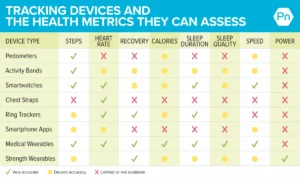
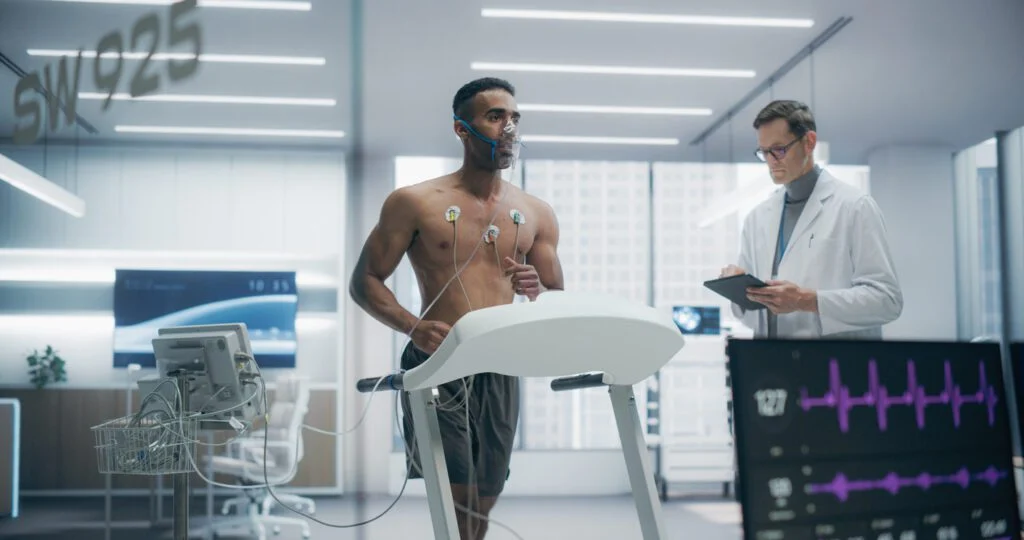
In contrast, commercial telomere tests—which measure the protective caps on chromosomes—are often criticized by the medical community. While telomere shortening is a hallmark of aging, the commercially available qPCR tests are not standardized, leading to results that may lack clinical utility. Similarly, VO2 max—the maximum volume of oxygen an athlete can use—is a powerful predictor of longevity, but it is best measured in a clinical setting with a metabolic mask. While smartwatches provide estimates, they lack the accuracy required for high-stakes medical decision-making.
The Risks of Data Without Action
The primary danger of the current "bio age" trend is the potential for "data paralysis" or the pursuit of proprietary, unproven interventions. When consumers receive a "bio age" result, there is a tendency to look for a "quick fix" in the form of supplements or experimental treatments. However, there is no substitute for the "big rock" strategies of lifestyle medicine: consistent sleep hygiene, resistance training, a fiber-rich diet, and the management of chronic stress.
Furthermore, biological age is not a static number. It fluctuates based on environmental inputs. A period of intense professional stress can temporarily accelerate epigenetic aging, while a return to recovery-focused habits can slow it down. Experts warn that individuals should be wary of any company that pairs a test result with a high-pressure sales pitch for specific, branded supplements.
Implications for the Future of Wellness
The democratization of biomarker testing represents a shift in the patient-provider relationship. As more individuals arrive at their annual physicals with data from continuous glucose monitors, wearable fitness trackers, and epigenetic reports, the burden on the medical system is to synthesize this information into actionable health plans.
The "don’t die" philosophy popularized by figures like Bryan Johnson, while controversial in its intensity, has undoubtedly accelerated public interest in preventive health. Yet, the consensus among researchers remains clear: the most effective way to extend "healthspan"—the period of life spent in good health—is not through expensive plasma infusions or obscure testing, but through the rigorous application of fundamental lifestyle pillars.
Ultimately, if a test reveals a high biological age, the solution is rarely a single "longevity pill." Instead, it is an invitation to re-examine the basics of physical activity, nutrition, and recovery. In the pursuit of a longer life, the most sophisticated tool remains the consistent, boring, and scientifically irrefutable practice of healthy living.