
The Shift Toward Efficient Meal Architecture
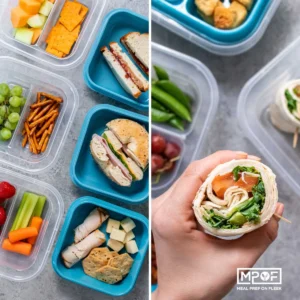
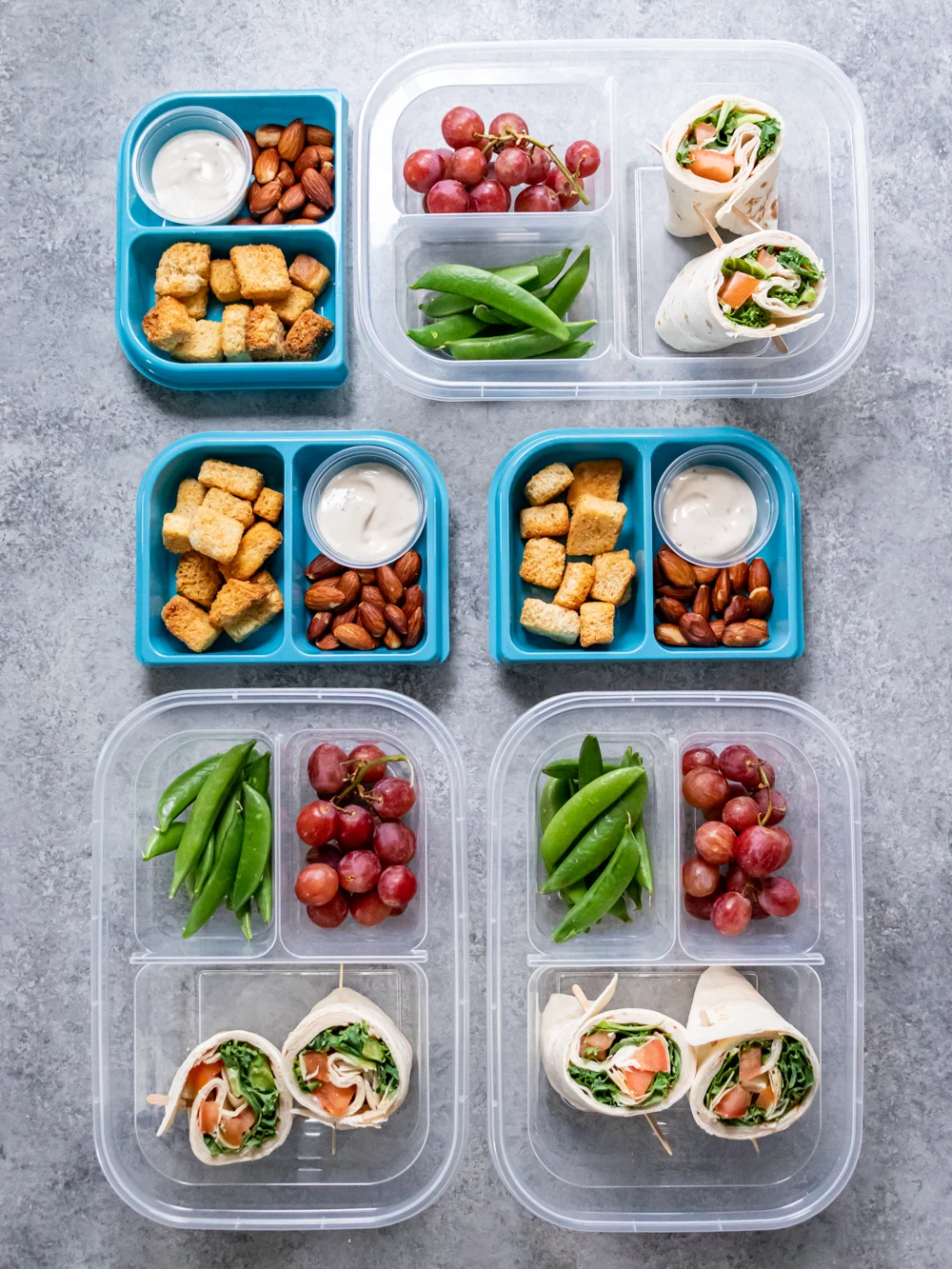
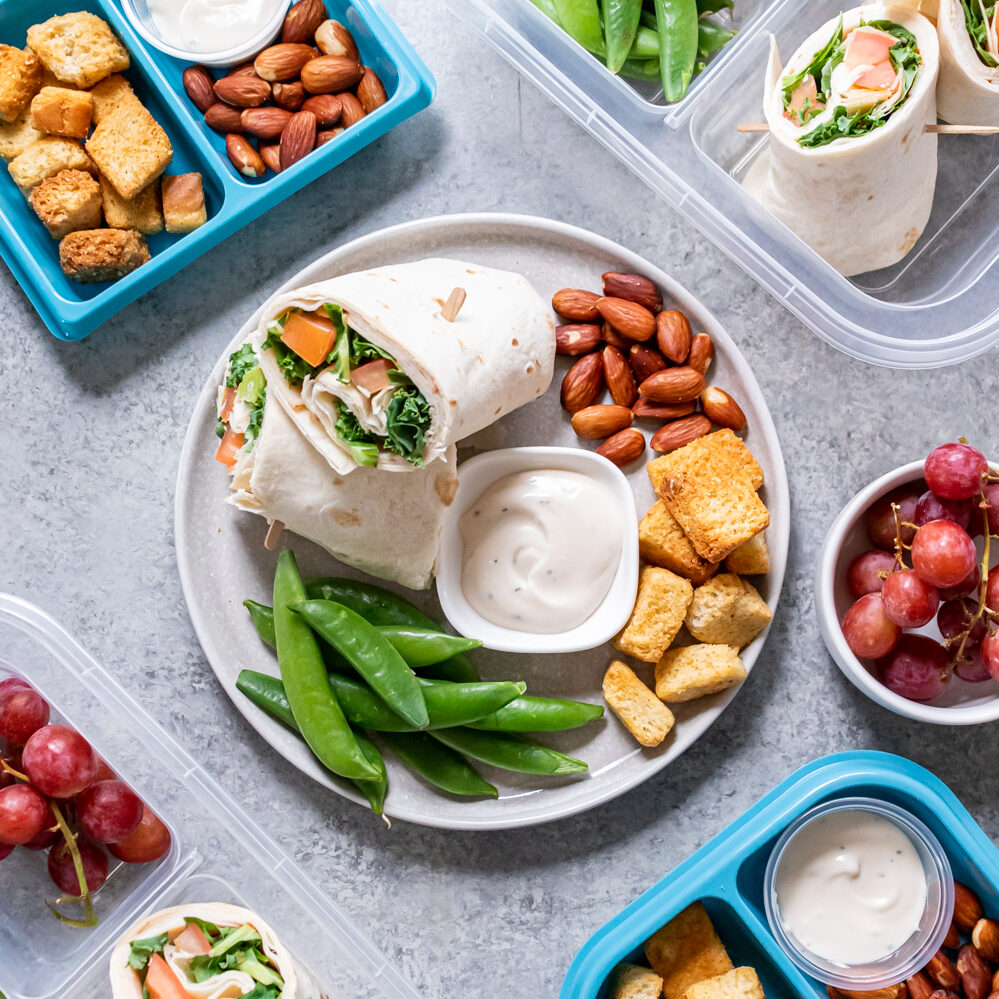
The fundamental appeal of the Chicken Caesar Wrap Bento Box lies in its structural efficiency. Unlike traditional lunch preparations that often require multi-stage cooking or complex reheating processes, the bento box model relies on cold-assembly techniques. This shift is significant in the context of the food service and home-cooking industry; it prioritizes "assemblage" over "preparation." According to recent trends in domestic kitchen management, individuals are increasingly opting for "no-cook" strategies that leverage high-quality, pre-prepared ingredients. This approach effectively reduces the time commitment for a full week of lunches to approximately 15 minutes, a stark contrast to the hours typically required for traditional batch cooking.
Chronology of the Bento Methodology
The adoption of bento-style meal prep in Western markets has occurred in distinct phases. Initially, the concept was popularized as a niche interest for those seeking to control caloric intake. However, in the last decade, particularly between 2018 and 2024, the surge in popularity of digital meal-planning platforms and social media-driven culinary communities has institutionalized the practice.
The current standard for these boxes involves a specific, iterative assembly process:
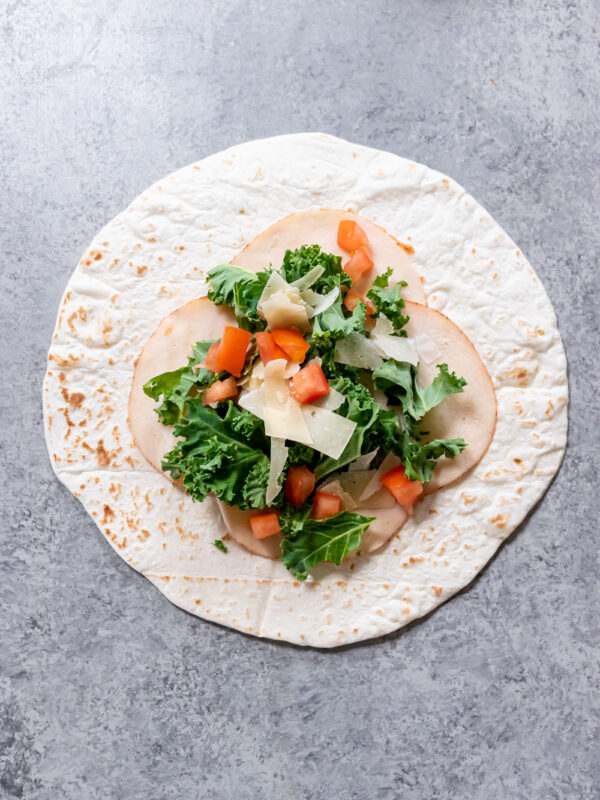
- The Base Layer: Utilizing high-fiber, nutrient-dense wraps as the primary vessel.
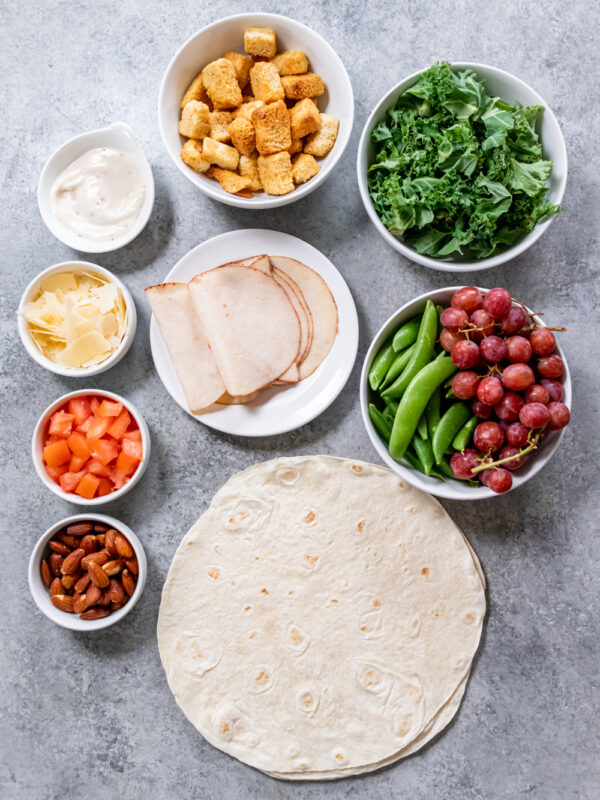
- Protein Integration: Incorporating lean proteins such as rotisserie-style chicken or high-protein meat alternatives.
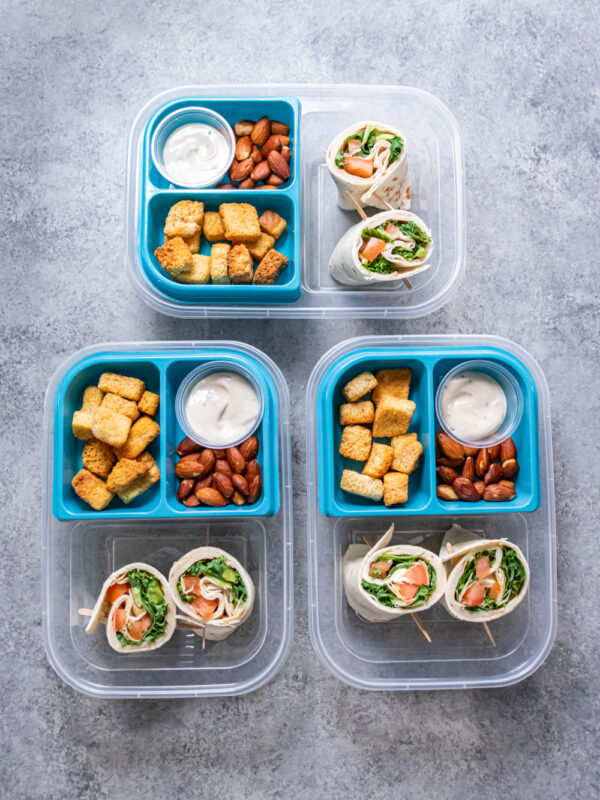
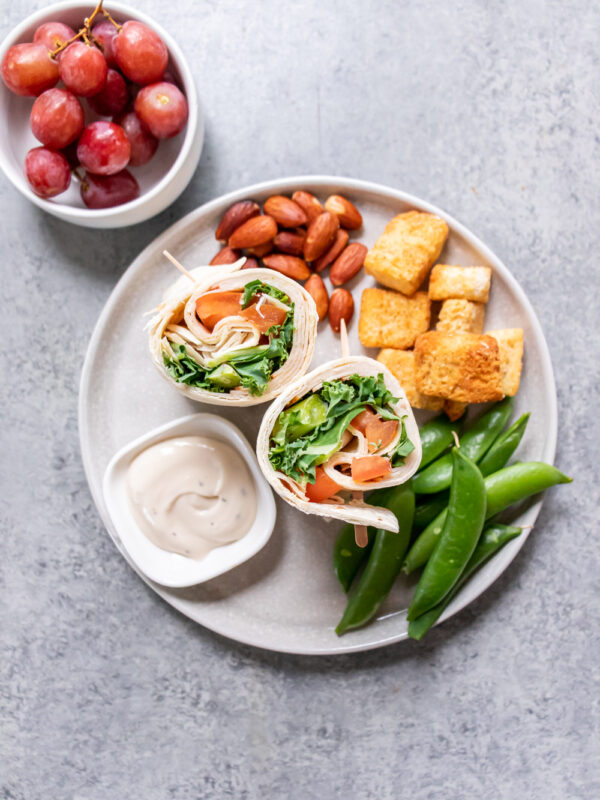
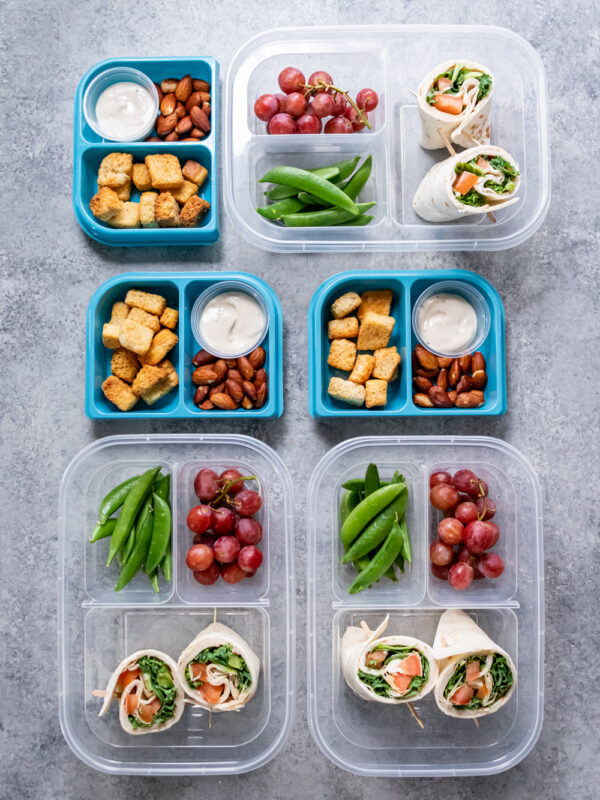
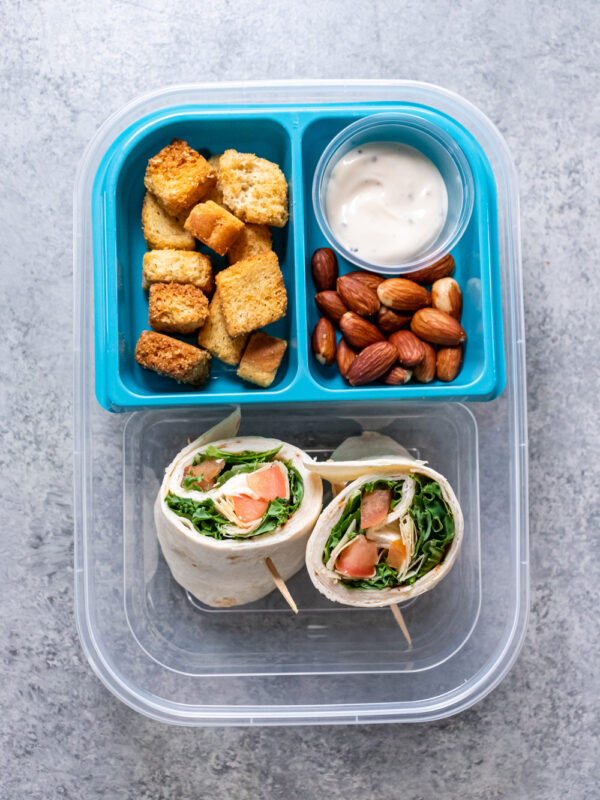
- The "Three-Component" Rule: Balancing the main dish with a fruit, a vegetable, and a textured element (like almonds or croutons) to satisfy satiety cues through varied mouthfeel.
- Separation of Liquids: A crucial logistical step involves keeping dressings or sauces in isolated, spill-proof compartments to prevent the degradation of fresh greens—a technique that preserves the structural integrity of the food for up to 72 hours under refrigeration.
Nutritional Data and Macronutrient Balancing
A standard Chicken Caesar Wrap Bento Box, when portioned correctly, provides a robust nutritional profile. Data analysis of the average 520-kilocalorie serving reveals a strategic distribution of macronutrients: approximately 24 grams of protein, 62 grams of carbohydrates, and 22 grams of healthy fats. The inclusion of 11 grams of fiber is particularly noteworthy, as it addresses a common deficiency in the modern diet.
From a nutritional science perspective, this balanced ratio is designed to stabilize blood glucose levels throughout the afternoon. By incorporating complex carbohydrates from the wrap and healthy fats from accompanying nuts, the meal avoids the "post-lunch slump" often associated with high-glycemic index cafeteria foods. Experts in nutritional behavioral science suggest that the physical act of "partitioning" food—the cornerstone of the bento box—is associated with better portion control and improved dietary adherence.
Implications for School and Professional Environments
The broader implications of the bento box trend extend into the educational and corporate sectors. For school-aged children, the transition away from pre-packaged, processed snack foods toward fresh, assembled lunches has been linked to improved focus and sustained energy. Educational institutions that have encouraged or permitted "bento-style" lunch programs report a reduction in food waste, as students are more likely to consume ingredients they have selected or prepared themselves.
In the corporate world, the rise of the "desk lunch" has necessitated food options that are portable, leak-proof, and do not require communal microwave access. The Chicken Caesar Wrap configuration satisfies these requirements perfectly. By removing the need for thermal regulation (reheating), the bento box democratizes access to fresh, healthy eating in environments where kitchen facilities may be limited or absent.
Sustainability and Environmental Considerations
The movement toward DIY bento boxes also serves a secondary, environmental function. By utilizing reusable, multi-compartment containers, consumers significantly reduce their dependence on single-use plastics and pre-packaged convenience items. This transition aligns with broader sustainability goals, as it encourages the bulk purchase of produce and dry goods, thereby reducing the carbon footprint associated with individual packaging and food-transport logistics.
Expert Perspectives on Food Safety and Storage
While the assembly of these meals is straightforward, food safety remains a primary concern for practitioners. Industry guidelines emphasize that for meals intended for multi-day consumption, the chain of cold-storage must remain unbroken.
"The efficacy of the bento method is entirely dependent on the moisture barrier," says a representative from a leading culinary research firm. "When proteins and dressings are kept separate, the degradation of the greens—a common complaint in meal prep—is virtually eliminated. The 3-day window for these wraps is the ‘sweet spot’ for maintaining both food safety and texture."
Future Trends in Portable Nutrition
As we look toward the future of meal prep, the focus is shifting toward "modularity." The next generation of bento containers is expected to integrate further with smart-kitchen technology, including modular cooling elements that can be docked in refrigerators and then transferred to lunch bags.
Furthermore, the customization of these boxes is becoming more sophisticated. There is a clear trend toward diversifying the "protein base" of the Caesar wrap—moving beyond traditional poultry to include sustainable plant-based proteins, chickpeas, or lean fish. This flexibility ensures that the bento box remains a viable tool for diverse dietary needs, including gluten-free, dairy-free, and high-protein athletic diets.
Economic Impact
From an economic standpoint, the shift toward these meal-prep strategies has had a measurable impact on household food budgets. The cost-per-meal of a homemade Chicken Caesar Bento Box is significantly lower than the cost of comparable pre-packaged salads or takeout lunches. By purchasing ingredients in bulk and utilizing them across several days, households can realize savings that, when extrapolated over a calendar year, total hundreds of dollars. This economic incentive is likely to sustain the popularity of the bento-style lunch, regardless of broader economic fluctuations.
Conclusion
The Chicken Caesar Wrap Bento Box is more than a simple lunch solution; it is a manifestation of contemporary efficiency. By integrating nutritional balance, economic pragmatism, and logistical convenience, it provides a replicable framework for healthy living in a fast-paced society. Whether for the professional navigating a tight meeting schedule or the parent coordinating school meals, the methodology behind this approach offers a sustainable path toward better dietary habits. As research into the psychology of eating continues to evolve, it is highly probable that the bento box will remain a fixture in the modern kitchen, representing a successful convergence of tradition and modern necessity.