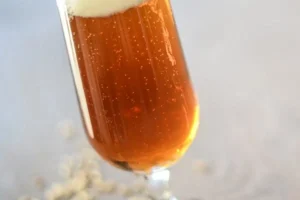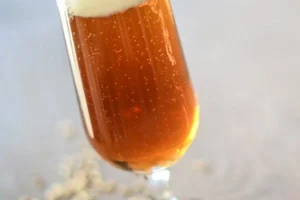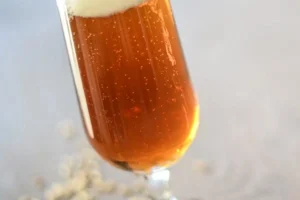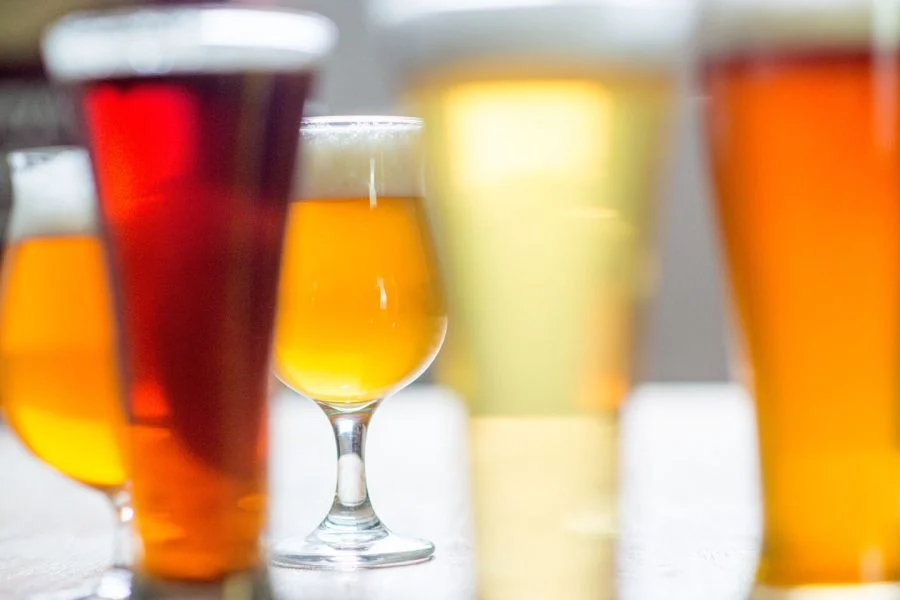

The art of craft brewing reached a new pinnacle in the Mile High City as Mark Pennick, a dedicated resident of Denver, Colorado, and a prominent member of The Brew Crew brewing club, captured the gold medal in Category 24: Saison at the highly anticipated 2026 National Homebrew Competition Final Round. Pennick’s triumph is no small feat in the hyper-competitive world of amateur fermentation; his meticulously crafted farmhouse ale outshone a formidable field of 73 exceptional entries from across the country, showcasing a masterclass in balance, yeast management, and traditional brewing techniques.
The announcement was made during the culminating events of the National Homebrew Competition, an annual gathering that serves as the premier benchmark for amateur brewers globally. By securing the top spot in the Saison category, Pennick has etched his name among the elite practitioners of the craft, validating months of recipe formulation, precise temperature control, and sensory evaluation.
The Anatomy of a Gold-Standard Saison
To understand the magnitude of Pennick’s victory, one must examine the rigorous standards of Category 24: Saison. Rooted in the French-speaking Wallonia region of Belgium, the traditional Saison style was originally brewed by farmhands during the cooler months to sustain seasonal agricultural workers through the scorching summer months. Modern interpretations require a delicate interplay of rustic fruitiness, spicy phenols, a dry finish, and high effervescence, all driven by expressive, high-attenuating ale yeasts.
Judges in the National Homebrew Competition evaluate entries against stringent Beer Judge Certification Program (BJCP) style guidelines. A gold-medal-winning Saison must exhibit flawless execution without off-flavors, striking a harmonious balance between earthy hop notes, complex grain bills, and the characteristic peppery, clove-like esters produced by specialized fermentation profiles. Pennick’s recipe successfully navigated these exacting parameters, captivating a panel of veteran judges who evaluated color, clarity, aroma, mouthfeel, and overall impression.
Background and Context of the National Homebrew Competition
Organized by the American Homebrewers Association (AHA), the National Homebrew Competition is the largest annual amateur beer, mead, and cider competition in the world. Since its inception, the event has acted as the incubator for the modern craft beer revolution, serving as a launchpad for countless commercial craft breweries that began in home kitchens, garages, and basements.
The competition operates through a rigorous multi-tier judging structure. It typically begins at the regional level, where thousands of entries are submitted across dozens of distinct categories spanning ales, lagers, wild ales, historical brews, and specialty beverages. Only the highest-scoring entries advance to the final round, where they face a national panel of Grand Master and Master-level BJCP judges.
Earning a medal in this environment requires dedication, precision, and an intimate understanding of brewing science. For Mark Pennick and The Brew Crew, this victory represents the culmination of years of collective knowledge-sharing, peer review, and continuous experimentation within Denver’s vibrant homebrewing community.

Chronology of the Competition Season
The road to the 2026 podium is a months-long marathon for participating brewers. The competitive cycle generally commences with registration and recipe planning in the late winter, followed by brew days in the spring to ensure optimal aging and conditioning for the submission windows.
- Recipe Formulation and Brewing (Late Winter to Early Spring): Brewers fine-tune water chemistry, grain selections, and yeast strains. For a Saison, managing fermentation temperatures is critical, often requiring brewers to allow temperatures to rise naturally to encourage complex phenolic and ester development.
- First-Round Regional Judging (Mid-Spring): Entries are collected at regional sites across the United States. Judges evaluate thousands of beers, narrowing the field down to the top-scoring contenders eligible to move forward.
- Final Round Evaluation (Summer): The surviving entries converge for the final round. Master judges conduct blind tastings, scoring each beverage on a 50-point scale.
- Medal Announcement and Ceremony: The winners are formally announced, revealing which amateur recipes set the national standard for the year.
The Role of Local Clubs: The Brew Crew Advantage
Pennick’s success highlights the vital ecosystem of local homebrewing clubs, such as Denver’s The Brew Crew. Amateur brewing is frequently romanticized as a solitary pursuit, but in reality, it is a deeply collaborative discipline reliant on shared equipment, constructive criticism, and community support.
Clubs like The Brew Crew provide an invaluable testing ground for aspiring commercial and elite amateur brewers. Regular club meetings feature sensory panels where members critique each other’s batches, offering honest feedback on flaws such as diacetyl, oxidation, or phenolic harshness. This peer review network enables brewers to troubleshoot technical challenges far more effectively than they could in isolation. Pennick’s gold medal reflects not only his individual skill but also the collective expertise nurtured within his local brewing network.
Industry Implications and the Broader Craft Beer Landscape
While the National Homebrew Competition celebrates amateur artistry, its implications ripple throughout the broader commercial beverage industry. Historically, the homebrewing community has been the R&D department for the commercial craft beer sector. Many of the flavor profiles, hopping techniques, and historical beer revivals that dominate taprooms today were first perfected by homebrewers experimenting in small batches.
Saisons and farmhouse ales hold a unique place in the contemporary market. While heavy IPAs and pastry stouts have dominated consumer trends over the past decade, there is a persistent, sophisticated demand for dry, food-friendly, highly carbonated ales like Saisons. Pennick’s victory underscores the enduring appeal of traditional European styles executed with precision.
Furthermore, competitions of this caliber provide a tangible pathway for amateur talent to transition into the professional sphere. Many commercial head brewers and brewery founders trace their origins back to medals won on the AHA stage. Whether Pennick chooses to scale his recipe for a commercial pilot system or continues to refine his craft purely for the passion of homebrewing, his accomplishment places him among the most talented practitioners of fermented arts in the nation.
Accessing Winning Recipes and Educational Resources
The American Homebrewers Association maintains an extensive, publicly accessible and member-exclusive repository of medal-winning recipes, allowing enthusiasts to study the exact grain bills, hop schedules, mash temperatures, and yeast strains utilized by champions like Mark Pennick. These resources serve to elevate the baseline knowledge of the homebrewing community, ensuring that techniques are preserved, shared, and continuously improved.
As the craft beverage sector continues to evolve through innovations in ingredient sourcing, fermentation science, and equipment accessibility, competitions like the National Homebrew Competition remain the gold standard for measuring excellence. Mark Pennick’s triumph in Category 24 stands as an inspiring testament to the patience, science, and artistry required to brew a world-class Saison.