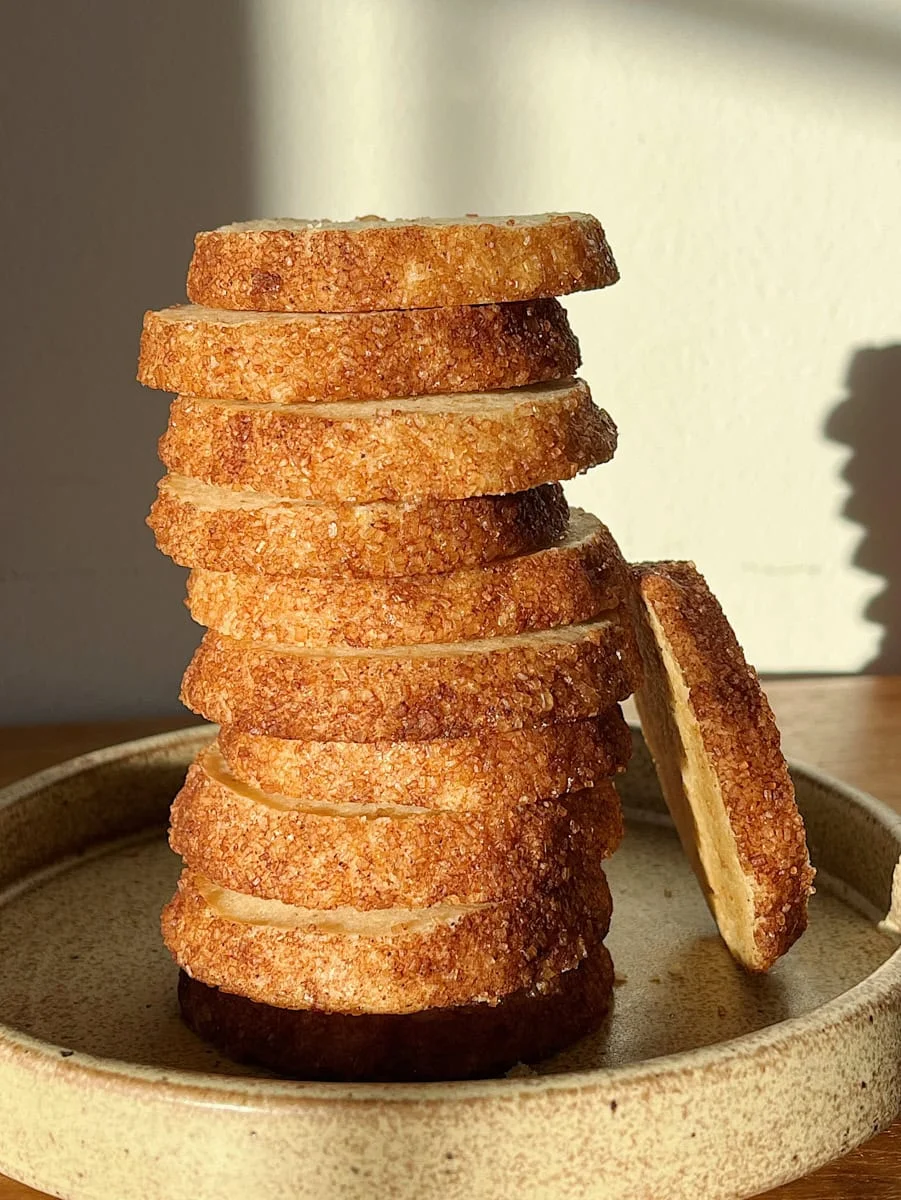

The art of baking, particularly during the bustling holiday season, often calls for efficient methods that yield delicious results without demanding an excessive time commitment. Slice-and-bake cookies, renowned for their straightforward preparation and the ability to produce a generous quantity from a single batch, emerge as a prime candidate for festive gatherings and cookie exchanges. These cookies, featuring a simple vanilla-infused dough enhanced by a classic cinnamon-sugar coating, embody this practicality, offering a nostalgic "cinnamon toast" flavor profile that is both comforting and crowd-pleasing.
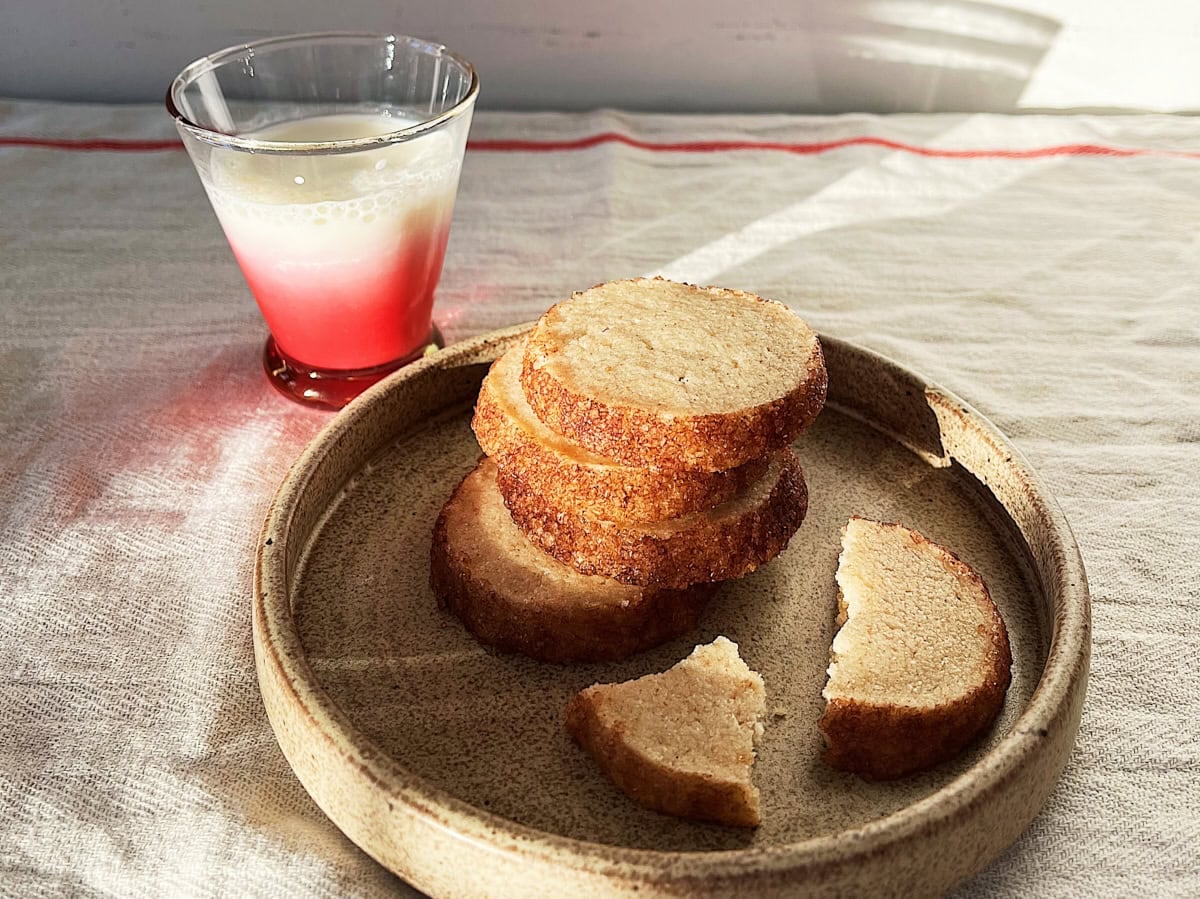
The appeal of slice-and-bake cookies lies in their inherent simplicity. Unlike traditional drop cookies that require precise scooping or roll-out cookies demanding careful shaping, this method streamlines the process. The dough, typically requiring minimal ingredients and often prepared in a single bowl, can be made in stages, allowing bakers to divide the preparation over time. This flexibility is invaluable for those balancing multiple holiday tasks. The resulting cookies, while perhaps lacking the visual fanfare of intricately decorated confections, possess an undeniable charm and a deeply satisfying taste that quickly makes them a favorite.
A key element contributing to the unique texture and flavor of these particular sourdough discard cookies is the adjusted flour ratio. While a standard cookie ratio often follows a 1:2:3 ratio of sugar to butter to flour by weight, this recipe deviates to create a dough that is less stiff and floury. The standard ratio, particularly for a slice-and-bake cookie that doesn’t rely on eggs for chewiness or aeration, can result in a dense outcome. This recipe opts for a more balanced approach, utilizing 250 grams of all-purpose flour alongside 35 grams of sourdough starter discard. This adjustment brings the ratio of sugar (150 grams) to butter (226 grams) to flour closer to 1 : 1.5 : just under 2. This modification ensures a tender crumb that harmonizes beautifully with the rich butter flavor.
The quality of the butter used in these cookies plays a significant role in their overall taste. Given the simplicity of the ingredient list, the distinct flavor of high-quality butter, particularly European-style butter with its higher fat content and richer taste, can elevate the cookies from good to exceptional. This nuanced flavor becomes more pronounced in recipes where it is a dominant component.
The inclusion of sourdough starter discard is not merely a nod to the growing popularity of sourdough baking but a functional ingredient that contributes to the cookie’s character. Unlike many shortbread-style cookies that eschew water, the discard, even in its unfed state, introduces a subtle tang and moisture. While some bakers might consider browning the butter to evaporate excess water, a technique employed in other sourdough discard recipes like sugar cookies or chocolate chip cookies, this recipe leverages the inherent moisture of the discard. This approach simplifies the process further, as no additional steps are needed to manage the water content. The discard acts as a binder and contributes a depth of flavor that distinguishes these cookies from their conventional counterparts.
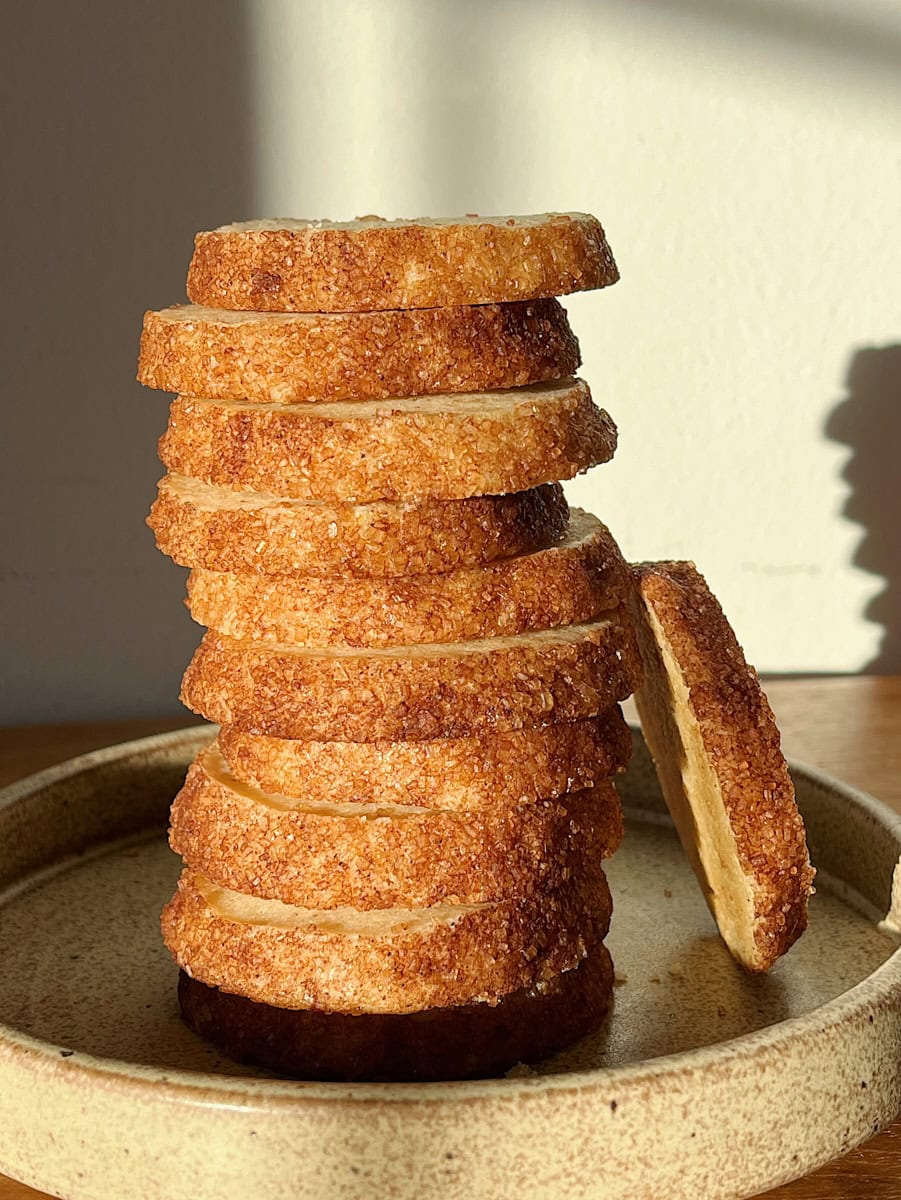
For those seeking to personalize their holiday treats, these cookies offer a versatile canvas for flavor experimentation. Beyond the classic vanilla, a spectrum of additions can be incorporated to enhance their complexity. Citrus zests, such as lemon, grapefruit, or orange, can infuse a bright, zesty note. Alternative extracts like rose water, orange flower water, or almond extract can provide more exotic or intense aromatic profiles. For a hint of umami and nutty depth, a touch of toasted sesame oil is an inspired choice. Texture can be introduced with finely chopped chocolate or toasted nuts, adding delightful crunch and richness. Furthermore, powdered teas like matcha and hojicha, or even finely ground tea leaves such as Earl Grey, can lend unique and sophisticated flavors. These flavorings can be seamlessly integrated into the dough or used in variations of the sugar coating, offering a wide array of customization options.
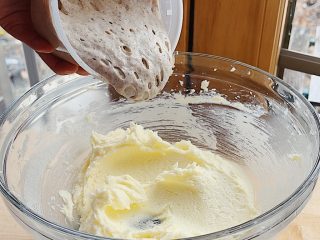
The preparation of the cookie dough itself is facilitated by the use of an electric mixer, whether a hand beater or a stand mixer. These appliances efficiently cream the butter and sugar, a crucial step in achieving the desired dough consistency. However, for bakers with sufficient arm strength, the dough can certainly be made by hand, underscoring the recipe’s accessibility.
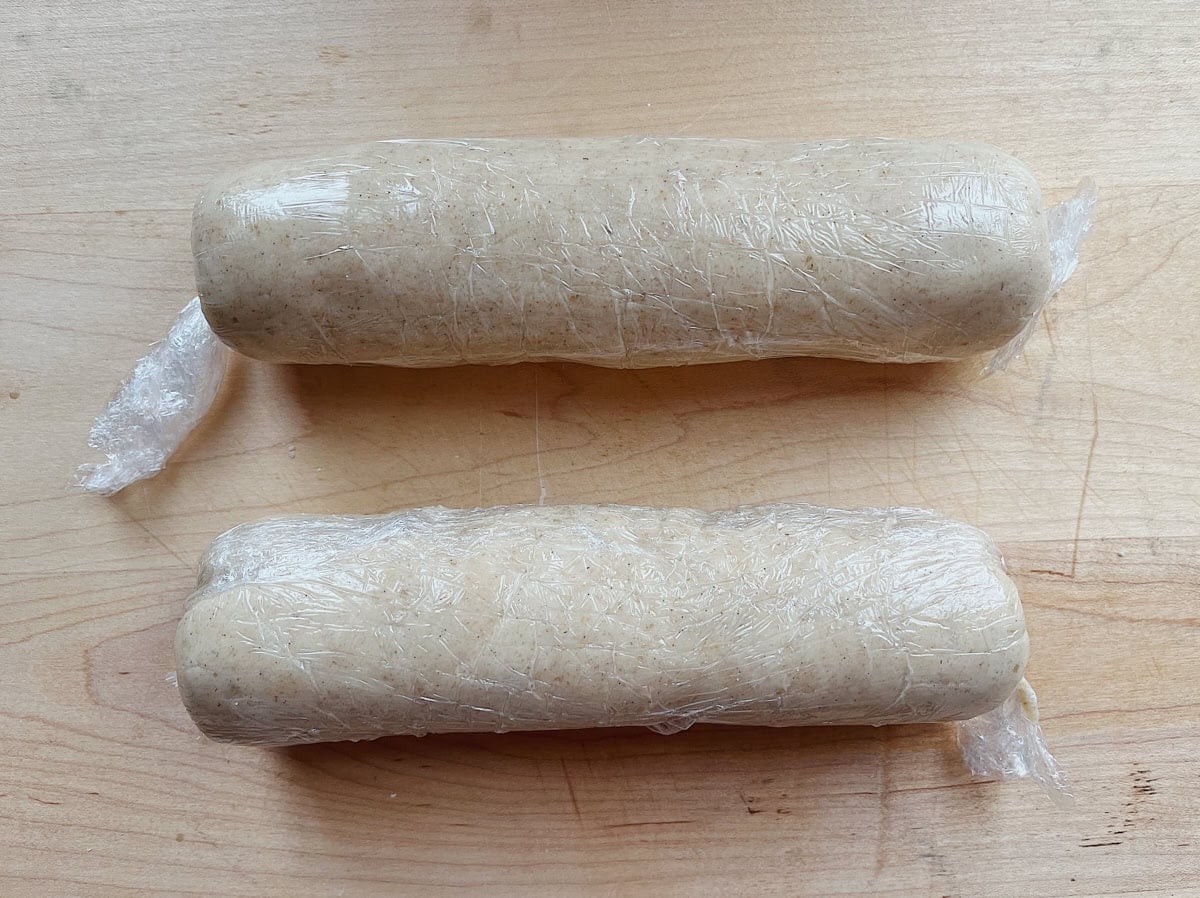
A critical step in achieving well-formed, neat cookie rounds is adequate chilling of the dough. Due to the higher butter-to-flour ratio, the dough can be quite soft and pliable. Without sufficient chilling, this can lead to excessive spreading during baking. A minimum of two hours in the refrigerator allows the butter to resolidify, firming up the dough and ensuring that the cookies maintain their shape when exposed to the heat of the oven. This chilling period is paramount for achieving the desired aesthetic and texture.
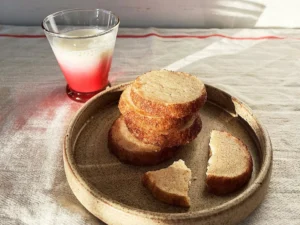
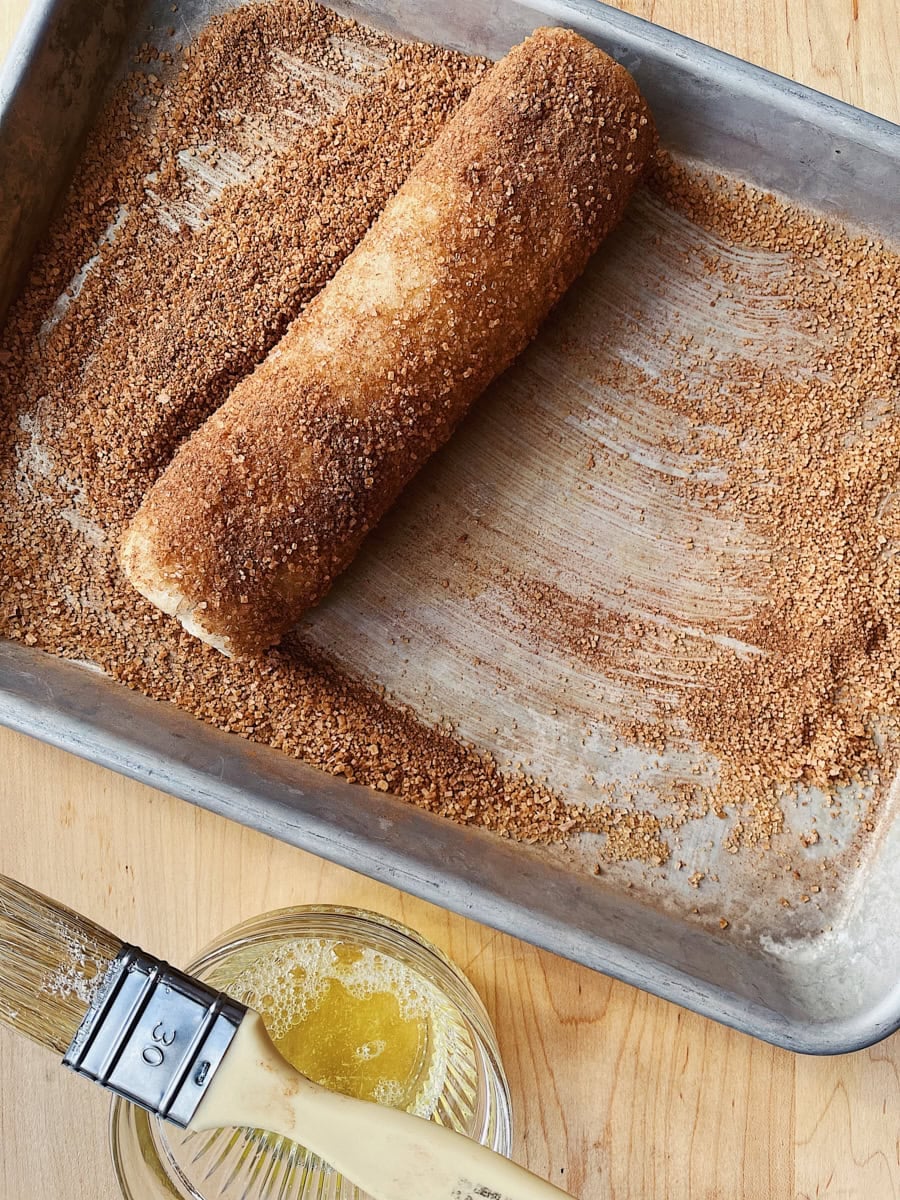
The signature "cinnamon toast" flavor is amplified by the Demerara sugar and cinnamon coating applied to the cookies. This simple yet effective finishing touch not only adds sweetness and warmth but also provides a delightful textural contrast. For those looking to explore alternative flavor profiles for the coating, ground cardamom or sumac offer intriguing spice variations, while toasted white or black sesame seeds provide a nutty crunch and visual appeal.
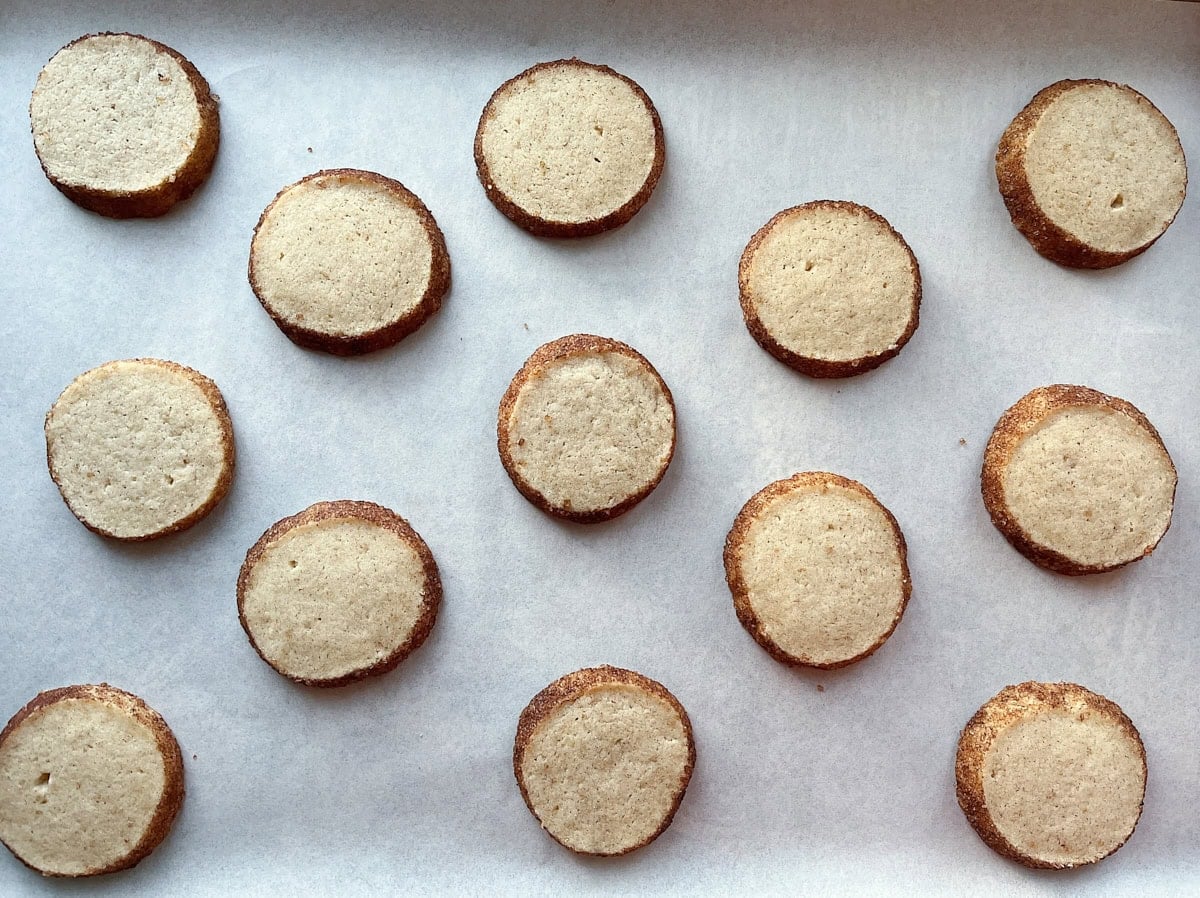
Baking time is another consideration for achieving optimal results. Due to the moisture content introduced by the sourdough starter discard, these cookies do not develop the same deep golden-brown color on top as some other cookie varieties. Therefore, bakers should rely on visual cues, particularly the undersides of the cookies, to gauge doneness. Unlike a gooey chocolate chip cookie where slight underbaking is often desirable, an underbaked slice-and-bake cookie can be less appealing. A minimum of 14 minutes of baking is recommended to ensure the cookies are properly set and cooked through.
The inclusion of sourdough starter discard in baking recipes has seen a significant surge in popularity over the past decade, particularly among home bakers who maintain active sourdough starters. The discard, the portion of starter that is typically removed before feeding, was once often discarded without a second thought. However, bakers have discovered its potential to add unique flavors and textures to a wide array of baked goods, from breads and pancakes to cakes and cookies. This recipe capitalizes on that trend, transforming a byproduct of sourdough maintenance into a star ingredient.
The FAQ section addresses common queries, offering further guidance on flavor variations, alternative flour substitutions, and storage methods. For instance, the article suggests swapping up to 60 grams of all-purpose flour with heartier grains like whole wheat, rye, or spelt, or even incorporating buckwheat flour for an earthy note. A small amount of medium-grind cornmeal can also be added for an extra layer of crunch.
Concerns regarding reusable wraps are also addressed, with a recommendation against beeswax-based wraps due to potential leeching of the wax into the dough. Instead, parchment paper is suggested for wrapping and subsequent baking. The freezing capabilities of these cookies are also highlighted. Sliced and coated cookies can be frozen for up to three months, allowing for convenient baking on demand. Baking from frozen requires only an additional 2-4 minutes.
Achieving perfectly round cookies is a matter of dough consistency and shaping. While the dough can be slightly challenging to form into a perfectly uniform log, minor imperfections in shape are often embraced as part of the homemade charm. For those who prefer a pristine appearance, a simple trick involves using a glass or round biscuit cutter to gently reshape the cookies while they are still warm on the baking sheet.
The broader implications of recipes like these extend to the burgeoning zero-waste movement within home cooking. By finding delicious and practical applications for ingredients that might otherwise be discarded, bakers can reduce food waste and embrace a more sustainable approach to their culinary endeavors. This aligns with a growing consumer consciousness around environmental impact and resourcefulness in the kitchen.

Beyond the immediate enjoyment of these delightful cookies, the article points towards a larger collection of sourdough starter discard recipes, encouraging further exploration of this versatile ingredient. This positions the recipe within a broader context of culinary innovation and resourcefulness, offering readers a gateway to a wealth of creative baking possibilities. The emphasis on practical, delicious, and adaptable recipes underscores the enduring appeal of home baking, especially when it aligns with modern values of efficiency and sustainability.