
The casual dining landscape of the 1980s and 1990s was defined by flamboyant decor, oversized portions, and energetic social atmospheres, with few brands capturing that cultural zeitgeist quite like Chi-Chi’s. Founded in 1975 by Marno McDermott and former Green Bay Packers star Max McGee, the Mexican-themed restaurant chain became a runaway commercial success. At its peak, the brand operated more than 200 locations nationwide, serving millions of patrons legendary bottomless chips and salsa, sizzling fajitas, and deep-fried chimichangas.
However, changing consumer tastes, aggressive corporate expansion, and a devastating hepatitis A outbreak in 2003—which originated at a Pennsylvania franchise—dealt a fatal blow to the enterprise. The parent company filed for Chapter 11 bankruptcy, and by the fall of 2004, every single Chi-Chi’s location across the United States had shuttered its doors, relegating the once-dominant brand to the annals of culinary history.
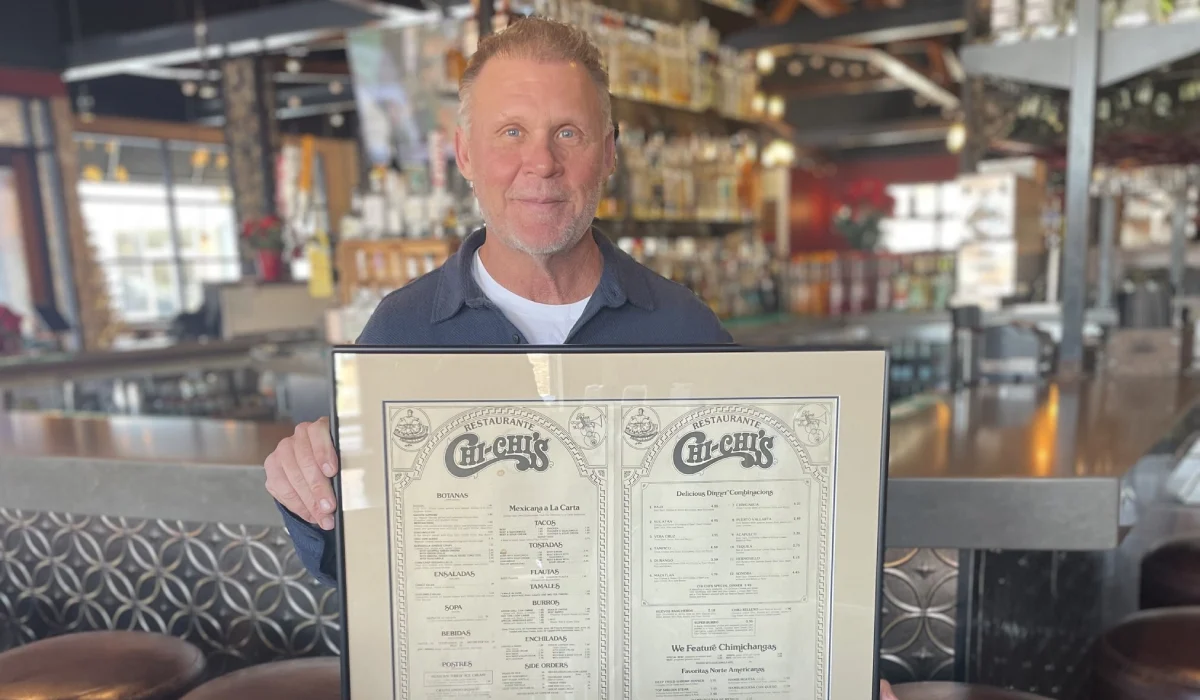
That narrative changed dramatically on October 6, 2023. Exactly two decades after the brand’s disappearance from the domestic restaurant scene, Chi-Chi’s made a triumphant return with the opening of a flagship location in St. Louis Park, Minnesota, a bustling suburb of Minneapolis. Now, as the restaurant celebrates its crucial one-year anniversary, the comeback is entering a fascinating new chapter. Spearheaded by Michael McDermott—son of co-founder Marno McDermott—the brand is navigating the delicate tightrope of honoring deep-seated nostalgia while modernizing its offerings to win over a discerning, younger generation of diners who never experienced the original chain.
A Personal Mission Rooted in Legacy
For the current Chief Executive Officer, the resurgence of Chi-Chi’s is far more than a standard corporate turnaround; it is an intensely personal endeavor. Michael McDermott grew up intimately familiar with the inner workings of the hospitality industry, spending his childhood around the restaurants before carving out his own successful career as a restaurateur, building concepts like the contemporary Asian-American chain Kona Grill.
Despite a quarter-century spent developing and managing separate dining concepts, bringing Chi-Chi’s back was never part of the master plan. The revival was born out of serendipity. A couple of years ago, McDermott was evaluating one of his existing restaurant concepts, feeling that its lifecycle had run its course. While searching for a fresh concept to replace it during a morning meditation session, the idea flashed into his mind: bring Chi-Chi’s back.
After running the concept past trusted industry colleagues and receiving an overwhelmingly positive response, McDermott set the wheels in motion. The move carried immense emotional weight. Although he was only nine or ten years old when his family moved to Arizona during the brand’s early development phases—long before it achieved national ubiquity—the memories remained vivid. More importantly, he recognized the profound weight of stewardship attached to his father’s legacy. For McDermott, resurrecting the brand was an opportunity to pay homage to his family name while delivering a relevant, high-quality dining experience to modern consumers.
Bridging the Gap: Nostalgia Meets Modern Dining Trends
Reviving a defunct legacy brand presents a formidable strategic challenge. Longtime patrons return seeking a specific emotional connection, yearning for the exact flavors and atmospheric warmth they remember from decades past. Simultaneously, sustainable long-term growth requires appealing to Millennials and Generation Z diners who possess no firsthand memories of the original establishments.
McDermott and his culinary team approached this challenge by intentionally framing the comeback as a modernization rather than a mere replica. The St. Louis Park location carefully incorporates subtle nods to the past—such as familiar hanging plants, rich woodwork, and traditional Mexican tilework—while updating the overall architectural layout and interior design to meet contemporary expectations for sleek, comfortable dining environments.
The menu underwent a similar philosophical evolution. To appease loyalists, the kitchen reinstated several high-demand original favorites, including the iconic Chimichanga, the signature Mexican Pizza, the cult-favorite Corn Cake, and the Twice-Grilled BBQ Burrito. However, to capture the palates of younger, food-savvy diners, the brand integrated popular contemporary Mexican street-food trends into the core menu, such as slow-cooked Birria Tacos and tender Short Rib Tacos.
This dual-track strategy ensures that multi-generational dining parties find common ground. Grandparents can relish the flavors of their youth, while their grandchildren experience fresh, scratch-made Mexican cuisine crafted to contemporary culinary standards.
Evolution of the Menu: Value-Engineered Offerings for Today’s Consumer
As the restaurant approached its one-year milestone, leadership actively solicited and incorporated customer feedback to refine operations. One of the most prominent consumer requests centered around lunch options. In an economic climate where diners are increasingly price-conscious and pressed for time, the standard dinner-sized portions and associated price points did not align with midday dining habits.
Responding directly to this data, Chi-Chi’s rolled out a value-engineered lunch lineup priced strategically between $10 and $15. A prime example of this adaptation involves the brand’s signature chicken chimichanga. Traditionally constructed in a large, 10-inch tortilla, the heavy portion often proved difficult for guests to finish during a quick lunch break.
To solve this, the kitchen introduced the "Mini-Chimi," utilizing an 8-inch tortilla. The smaller portion successfully satisfies lunch appetites without sacrificing the signature quality, crispiness, and flavor profile expected from the brand, allowing operators to lower the price point from $17 to a more accessible $14. The successful lunch rollout also saw the return of fan favorites like Seafood Nachos and Margarita Chicken Tacos, pairing scratch-made nostalgia with everyday economic value.
To commemorate its one-year anniversary in spectacular fashion, management executed a brilliant marketing ploy by temporarily rolling back select menu prices to 1976 levels for a single day. Guests were treated to nostalgic specials including $3.25 chimichangas and $1.25 house margaritas, driving substantial foot traffic and localized media buzz.
Strategic Expansion Plans and Future Outlook
With a successful first year under its belt, the executive team is actively laying the groundwork for broader regional and national expansion. The playbook for growth, however, is calculated and deliberate, avoiding the rapid, overleveraged expansion that contributed to the brand’s financial collapse in the early 2000s.
McDermott notes that real estate developers and prospective multi-unit franchisees from the Midwest and the East Coast have reached out expressing strong interest in bringing Chi-Chi’s to their respective markets. While discussions are ongoing and exploratory site visits have taken place, no formal franchise agreements have been signed.
Instead, McDermott plans to open a select number of additional corporate-owned flagship stores. This measured approach allows the company to rigorously test, refine, and prove out the updated restaurant model, supply chain logistics, and labor structures before introducing a franchise program to external partners. Securing the necessary capital to adequately back these long-term corporate growth initiatives remains the immediate priority before ink meets paper on major real estate leases.
Industry Implications and Expert Analysis
The resurrection of Chi-Chi’s is part of a broader, highly successful trend in the American restaurant industry: the nostalgia-driven reboot. In recent years, legacy brands across various sectors have attempted to tap into retro consumer sentiment, capitalizing on the psychological comfort consumers seek in familiar, pre-millennium cultural touchstones.
However, industry analysts note that nostalgia alone cannot sustain a restaurant past the initial honeymoon phase of opening week curiosity. Concepts like Chi-Chi’s must prove operational excellence, adapt to modern labor realities, and maintain rigorous food quality standards to survive in a fiercely competitive casual dining sector dominated by established regional and national Mexican chains.
By prioritizing scratch-made ingredients, listening to consumer demands regarding portion sizes and pricing, and carefully scaling through corporate-owned test markets before pursuing franchising, McDermott’s team is demonstrating a disciplined strategic vision.
As Chi-Chi’s looks beyond its first successful year back in business, the ultimate test will be whether the brand can successfully transition from a beloved regional novelty in Minnesota into a resilient, scalable national powerhouse. If the enthusiastic reception of the past twelve months is any indication, the storied Mexican brand has successfully found the recipe for blending yesterday’s legacy with tomorrow’s culinary expectations.