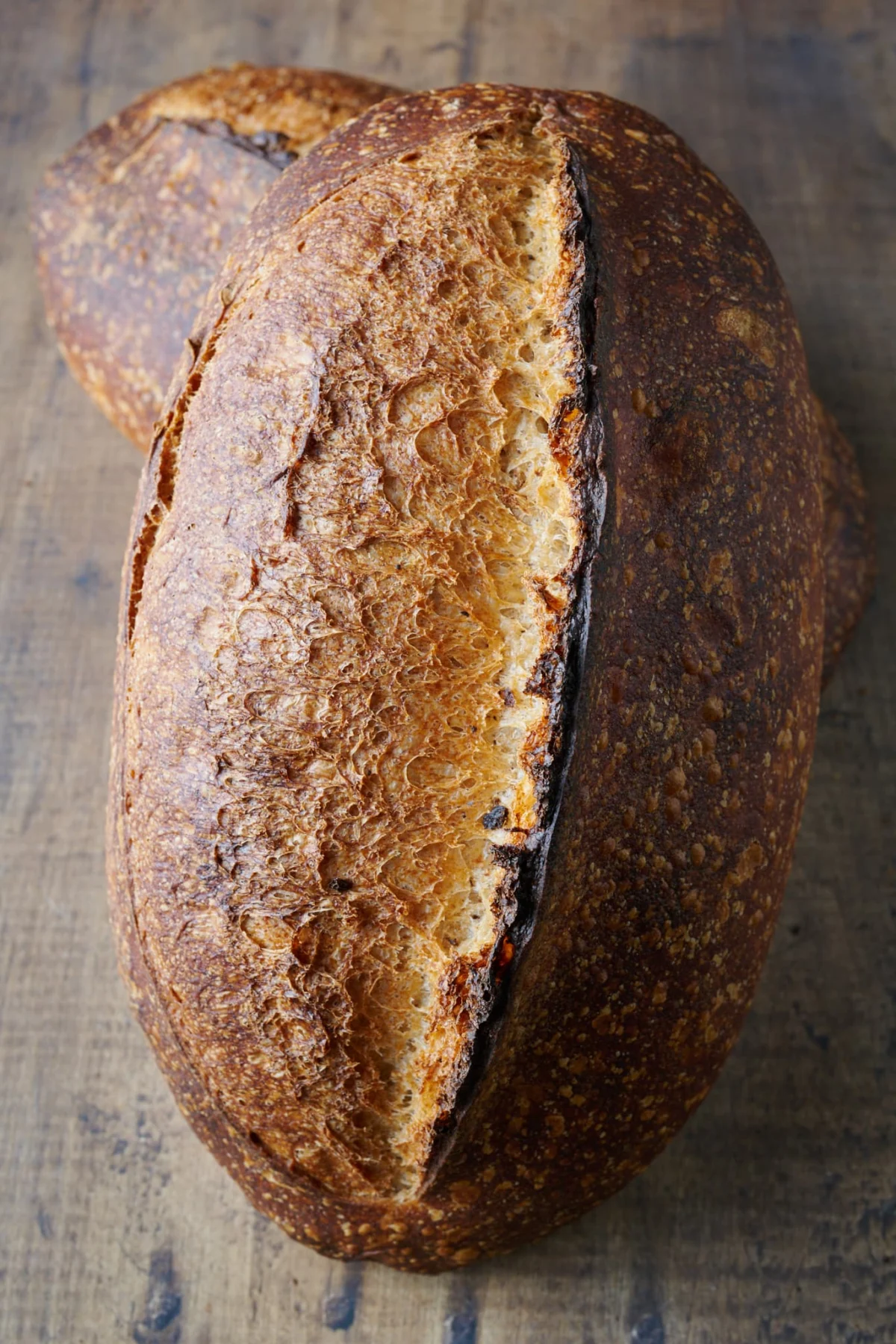

The quest for the ideal sourdough loaf is a journey marked by a delicate balance of sensory experiences. While the deep, crackling crust and the subtle artistry of its shaping often capture initial attention, the internal structure – the crumb – frequently becomes a focal point for bakers, particularly those new to the craft. However, seasoned bakers understand that while an open crumb is a testament to successful fermentation and dough development, it is by no means the sole determinant of a truly great sourdough. Flavor, universally acknowledged as paramount, is the true hallmark of a masterpiece, with texture serving as a sophisticated complement rather than a primary driver. This comprehensive guide delves into the intricate factors that contribute to achieving a desirable open crumb, while reinforcing the enduring primacy of flavor in the world of sourdough.
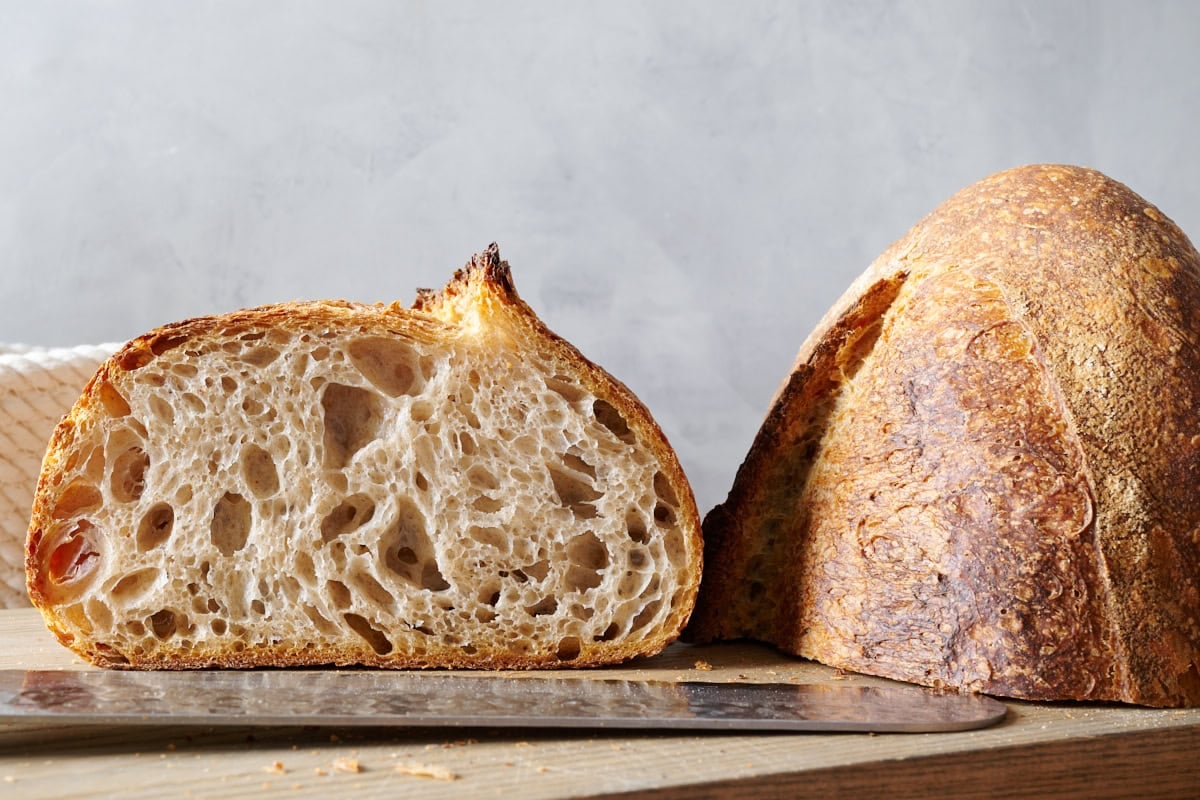
The allure of an open crumb lies in its visual complexity and its promise of a light, airy texture. When a loaf is sliced, it reveals a network of well-distributed air pockets, a direct result of the gluten structure trapping the carbon dioxide produced by the symbiotic relationship of wild yeasts and lactic acid bacteria. This intricate web is a visual indicator of vigorous fermentation, meticulous dough development, and careful handling throughout the baking process. The result is a tender, ethereal interior that enhances the overall eating experience, transforming a simple slice of bread into something genuinely pleasurable.
Understanding the Open Crumb: More Than Just Holes
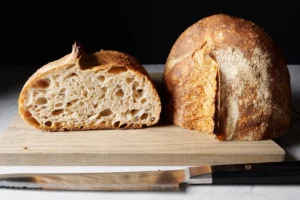
At its core, an open crumb refers to a loaf with a light, even texture characterized by well-distributed air pockets, free from dense, gummy patches or excessively large, gaping caverns. The visual appeal of such a crumb is undeniable, but its presence is a sophisticated indicator of underlying processes. It signifies a dough that has fermented properly, developed a strong yet extensible gluten network, and been handled with the care required to preserve its delicate structure. When coupled with the profound flavor inherent in properly fermented sourdough, this textural quality elevates the bread to an exceptional level.
The Shadow of Underproofing: Mistaking Openness for Perfection
A common pitfall for aspiring sourdough bakers is mistaking underproofing for an exceptionally open crumb. While an underproofed loaf might exhibit large, irregular holes, this is often a sign of insufficient fermentation time. The gluten structure, not yet fully relaxed and expanded by the gases, can lead to erratic oven spring and an uneven distribution of air pockets, often accompanied by denser, tighter areas. True openness is characterized by uniformity and consistency, a hallmark of a dough that has reached its optimal fermentation point.
The key to distinguishing true openness from the illusion of underproofing lies in observing the dough’s behavior. A sufficiently proofed dough will exhibit a gentle rise, a yielding yet resilient texture, and will respond appropriately to the "poke test" – the indentation should slowly spring back. Underproofed dough, conversely, will spring back too quickly, indicating a lack of gas accumulation and a tighter gluten matrix. Overproofing, on the other hand, leads to a dough that is too weak, collapsing upon indentation and resulting in a dense, sometimes gummy interior. Achieving the perfect proof point is a nuanced skill honed through practice and an understanding of the dough’s sensory cues.

Flour Selection: The Foundation of a Resilient Crumb
The choice of flour plays a pivotal role in achieving an open crumb. For a more open and airy interior, white flour with a higher protein content is generally preferred over whole wheat. This higher protein content translates to a greater capacity for gluten formation, creating a more robust and elastic network capable of trapping and expanding with the gases produced during fermentation. This is akin to the difference between a flimsy balloon that bursts easily and a high-quality one that can inflate significantly without tearing. The stronger gluten network provides a greater margin for error and a higher capacity for developing those coveted open pockets.
However, there is a delicate balance. Flour with an excessively high protein content (typically above 13%) can lead to a crumb that, while open, may also become chewy and unpleasantly tough. The sweet spot for many bakers lies between 11% and 13% protein for white flour. High-extraction flours, such as Type 85, can also contribute to an open crumb, particularly when properly hydrated, while also enhancing flavor complexity.
Whole wheat flour, while rich in nutrients and flavor, presents a different challenge. The presence of bran and germ in whole wheat flour can interfere with gluten development, making it more difficult to achieve the same level of openness as with white flour. While a 50% whole wheat loaf will inherently have a denser crumb than an all-white flour loaf, this is often considered a worthwhile trade-off for the enhanced flavor and nutritional profile. The baker’s intention dictates the ideal flour choice, recognizing that different flours yield different textural outcomes.

The Sourdough Starter: A Catalyst for Fermentation
The health and vitality of the sourdough starter are fundamental to the success of any sourdough bread, including those with an open crumb. A consistently fed and well-maintained starter, kept at an optimal temperature (around 74-78°F or 23-25°C), ensures vigorous leavening activity. The timing of starter use is also critical. It should be employed when it has just reached its peak ripeness – characterized by a bubbly, aerated appearance, a pleasant, slightly tangy aroma, and a significant increase in volume.
Using starter that is too young can result in insufficient leavening, while starter that has become overly acidic and has begun to recede can introduce an excess of protease enzymes into the dough. These enzymes, while beneficial in moderation, can break down gluten structure excessively if left unchecked, leading to a weaker dough and a tighter crumb. Therefore, understanding the signs of a ripe starter is paramount for harnessing its full potential in achieving an open crumb.
Hydration: The Key to Extensibility and Steam
Higher dough hydration levels generally facilitate the creation of an open crumb. The increased water content renders the dough more extensible, allowing it to stretch and expand more readily without tearing. During baking, the excess water also contributes to steam production, which plays a crucial role in pushing the crumb open.

However, this is not an absolute requirement, and higher hydration comes with its own set of challenges. Doughs with more water are inherently more difficult to handle and require greater skill in developing adequate gluten strength. Pushing hydration beyond the flour’s capacity can result in a soupy, structurally weak dough, regardless of strengthening techniques. The ideal hydration level is a nuanced balance: enough water to create a supple, extensible dough that can accommodate gas expansion, but not so much that it becomes unmanageable. For many bakers working with mostly white flour, hydration levels between 70% and 80% are common, but this is highly dependent on the specific flour used. A high-protein white flour might handle 85% hydration with ease, while a softer all-purpose flour might struggle at 75%. The goal is a dough that feels alive, silky, and responsive.
Dough Development: Building a Strong, Elastic Network
Sufficient gluten development is essential for an open crumb. The process of mixing and folding the dough builds a network of gluten strands that can effectively trap the gases produced during fermentation. Underdeveloped dough will have a weak structure, leading to the collapse of gas pockets and a dense, tight crumb. Conversely, over-mixing can result in a dough that is too elastic and resistant to expansion, again leading to a closed crumb.
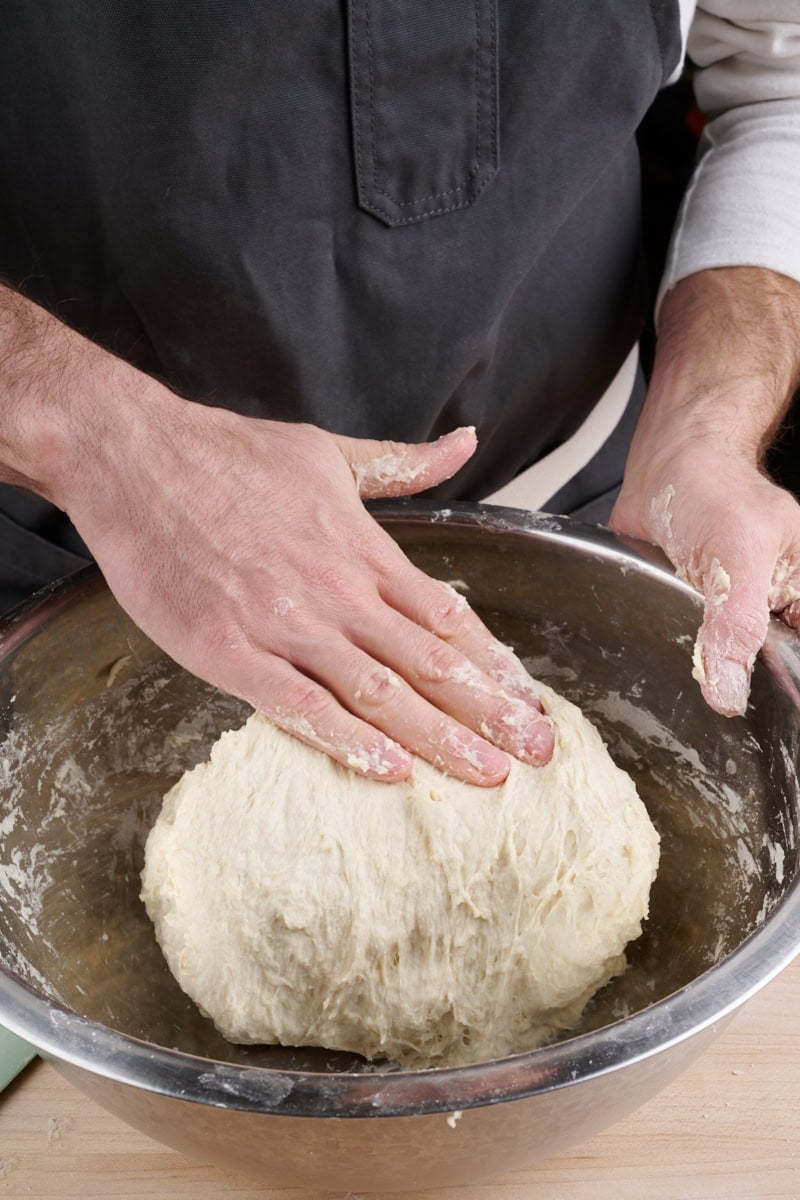
Most home bakers, particularly those mixing by hand, tend to underdevelop their dough. The dough may feel tight and elastic but lack the smoothness and structural integrity needed for optimal gas retention. It is often beneficial to mix for a few minutes longer than feels comfortable, employing techniques such as stretch-and-folds in the bowl, slap-and-folds, or using a stand mixer on a medium speed. The dough should become smooth, elastic, and capable of forming a thin membrane when stretched – approaching the windowpane test. When in doubt, err on the side of slightly more mixing.

Gentle Handling: Preserving the Delicate Structure
The hours of fermentation and dough development create a delicate network of gas pockets, each encased in a thin gluten wall. Rough handling during preshaping and final shaping can rupture these bubbles, breaking them down into smaller, less effective pockets and resulting in a tighter crumb. Gentle, deliberate movements are crucial, especially when shaping the dough. Pressing too hard or slapping the dough against the counter can undo the careful work of fermentation. The goal is to maintain the integrity of the gas pockets, allowing them to expand uniformly during baking.
The Batard Advantage: Shape and Structure
In practice, oval-shaped loaves, or batards, often exhibit a more open crumb than round boules. This phenomenon can be attributed to two primary factors. Firstly, batard shaping typically requires less aggressive tensioning than boule shaping. The rolling motion used to form a batard is generally gentler and preserves the airy structure developed during bulk fermentation more effectively than the tucking and tightening involved in shaping a boule, which can compress those developing gas pockets.
Secondly, the shape itself influences the baking process. The elongated profile of a batard allows heat to penetrate more rapidly and evenly. This is analogous to comparing a long, thin baguette to a thick, round miche; the baguette, with its slender cross-section, is more prone to developing a wild, irregular crumb, while the miche tends towards a denser, more uniform interior. While an open crumb can certainly be achieved with a boule, transitioning to a batard can be a beneficial strategy for bakers struggling with a persistently tight interior.

Proofing to Perfection: The Final Frontier
The final proof is a critical stage where the dough undergoes its last significant transformation before baking. The goal is to achieve a specific level of aeration, typically a 75% to 80% increase in height, leaving enough reserve strength for oven spring. Pushing the proof too far leads to the breakdown of the gluten network by protease enzymes, diminishing the dough’s ability to trap gas and resulting in a sluggish spread rather than a dramatic rise in the oven. While overproofed bread can possess excellent flavor, its texture will likely be denser.
A well-proofed dough feels light and airy, yielding gently to the touch. The poke test serves as an excellent indicator: an indentation should slowly spring back, signifying a balance between sufficient gas accumulation and structural integrity. If the dough springs back too quickly, it requires more proofing time. If it remains indented, it may be overproofed and should be baked immediately.
The Autolyse Technique: Enhancing Extensibility
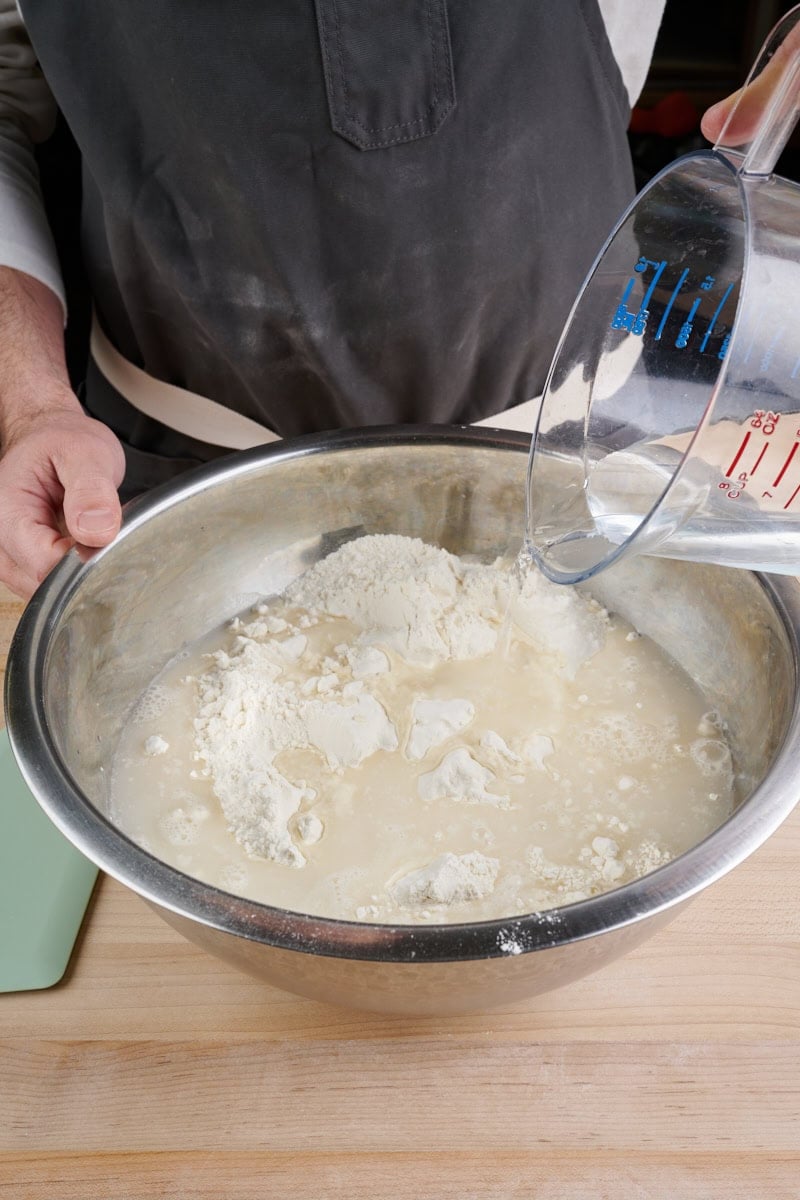
The autolyse technique, which involves resting a mixture of flour and water before incorporating salt and leavening agents, can significantly enhance dough extensibility. During this resting period, natural enzymes in the flour begin to break down protein bonds, making the dough more pliable and less resistant to stretching. This is particularly beneficial when working with high-protein white flours, which can be quite elastic. An autolyse of 30 minutes to an hour can tame the flour’s natural resistance, allowing the dough to expand more freely and accommodate gas bubbles without tearing, thereby contributing to a more open crumb.
Conclusion: A Holistic Approach to Sourdough Excellence
Achieving an open crumb in sourdough bread is not the result of a single magic bullet but rather a harmonious interplay of various factors. From the judicious selection of flour and the precise timing of starter usage to the nuanced art of hydration, dough development, gentle handling, and accurate proofing, each step contributes to the final outcome. While the visual appeal of an open crumb is undeniable, it is the profound flavor, developed through slow fermentation, that truly defines a superior sourdough loaf.
Bakers are encouraged to experiment, observe, and record their processes. Understanding how each element influences the dough and the final bread is key to developing intuition and achieving consistent results. Ultimately, the pursuit of the perfect crumb should not overshadow the joy of baking and the pleasure of eating delicious bread. Whether dense and hearty or light and airy, the most satisfying sourdough is the one that brings happiness to the baker and delight to those who share it. The journey of sourdough is a continuous learning process, with the bread itself serving as the most insightful teacher.
Open Crumb Bread FAQs
How can I avoid an excessively open crumb?
For those who prefer a less open crumb, a gentle degassing of the dough before final shaping can help redistribute gases more evenly, reducing the size of individual air pockets. This can be achieved by gently patting the dough flat with a flat hand just before shaping.
My bread has an open crumb but is gummy or tough. What could be the cause?
This issue can arise from using flour with an overly high protein percentage. Extremely strong white flours, while promoting openness, can sometimes lead to a chewy or tough texture in the final product. Finding the right balance is key.
What’s next in my sourdough journey?
For those seeking a reliable recipe for a creamy, open crumb, "My Best Sourdough Recipe" is a highly recommended starting point, renowned for its transformative results.