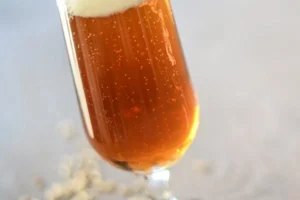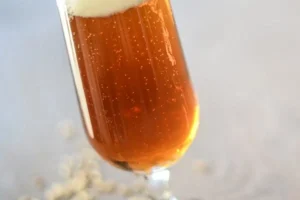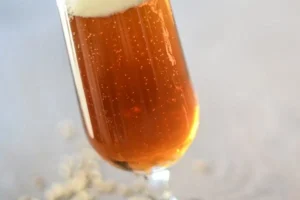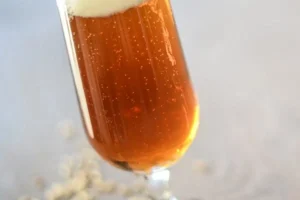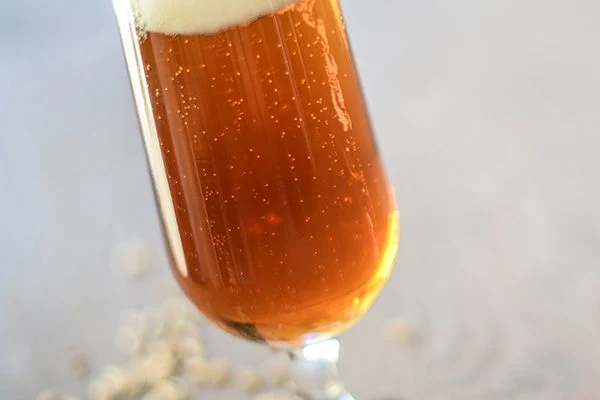

San Diego’s vibrant craft brewing community has added another accolade to its extensive resume, as local brewer Benjamin Frymark secured a gold medal at the highly competitive final round of the 2026 National Homebrew Competition. Representing the prominent local club QUAFF (Quality Ale and Fermentation Fraternity), Frymark triumphed in Category 20: Strong American Ale. His winning brew distinguished itself in a massive and fiercely contested field, claiming the top prize out of 83 exceptionally crafted entries submitted from across the nation.
This victory underscores not only Frymark’s precise command of brewing chemistry and technique but also highlights the enduring prominence of Southern California as a powerhouse for amateur and professional brewing innovation alike. The National Homebrew Competition, organized annually by the American Homebrewers Association (AHA), stands as the largest amateur beer competition in the world, serving as a critical proving ground for the rising stars of the commercial craft beverage industry.
The Anatomy of a Championship Brew: Category 20 Demystified
Strong American Ale is widely recognized by master judges as one of the most demanding styles to brew and evaluate. Encompassing a broad spectrum of robust ales—including double IPAs, American strong ales, and specialty wood-aged variations—the category requires a delicate balance of aggressive hop profiles, complex malt foundations, and high alcohol by volume (ABV) contents without falling victim to harsh bitterness or solvent-like alcohol heat.
To claim gold among 83 entries, Frymark’s recipe had to survive rigorous preliminary evaluations before advancing to the final judging table. Entries in the National Homebrew Competition are assessed by a panel of nationally and internationally certified judges under the strict guidelines of the Beer Judge Certification Program (BJCP). Beers are evaluated blindly based on aroma, appearance, flavor, mouthfeel, and overall impression. Achieving a gold medal in a category as intensely profile-driven as Strong American Ale speaks volumes about the meticulous control Frymark maintained over mash temperatures, fermentation kinetics, and hop utilization.
The Prestige and Rigor of the National Homebrew Competition
The path to a gold medal at the National Homebrew Competition is neither short nor simple. The event operates through a multi-tiered structure designed to filter tens of thousands of hopeful entries down to the absolute pinnacle of homebrewing excellence.
The process typically begins in the early spring with regional first-round competitions held across various zones in the United States. Brewers submit their bottled or kegged creations, hoping to secure first-, second-, or third-place ribbons in their respective style categories. Only the highest-scoring entries advance from these regional contests to the final round, where they compete on a national scale against the best homebrewed creations from across North America and beyond.
For decades, the competition has acted as a vital incubator for the broader craft beer industry. Countless professional craft brewery founders, head brewers, and head innovators cut their teeth in the homebrewing community before scaling up their operations. Winning a gold medal at this level serves as an immediate validator of a brewer’s skill, often opening doors to professional collaborations, commercial brewing contracts, or the launch of new independent commercial breweries.
QUAFF and the Culture of San Diego Brewing Excellence
Frymark’s success is intrinsically tied to the robust community framework provided by his homebrew club, QUAFF. Based in San Diego, QUAFF is widely recognized as one of the most active, decorated, and respected homebrew clubs in the United States. Founded in the late 20th century as San Diego’s craft beer scene was beginning to germinate, the club has consistently fostered an environment of shared knowledge, constructive peer review, and collective passion.

In San Diego—a city celebrated internationally as a capital of craft brewing—the line between amateur and professional brewing is remarkably thin. Many professional brewmasters regularly attend club meetings, participate in educational seminars, and offer mentorship to amateur enthusiasts. Within this ecosystem, clubs like QUAFF function as grassroots R&D laboratories where experimental recipes, unconventional hop combinations, and traditional style interpretations are continuously tested and refined. Frymark’s gold medal victory is the latest in a long tradition of QUAFF members earning national recognition, further cementing the organization’s reputation as a nursery for world-class brewing talent.
The Broader Implications for the Homebrewing Community
Beyond individual triumph, Frymark’s victory arrives at a fascinating time for the American homebrewing landscape. Over the past several years, the hobby has experienced significant shifts, driven by changing consumer demographics, economic fluctuations, and the maturation of the commercial craft beer market.
Organizations like the American Homebrewers Association continue to play an essential role in sustaining interest, providing educational resources, and maintaining quality standards across the hobby. Initiatives such as the publication of medal-winning recipes allow the broader community of hobbyists to learn directly from top-tier competitors, accelerating the collective skill level of homebrewers worldwide.
Industry observers note that successes in national competitions help revitalize engagement in the hobby. When local brewers achieve national acclaim, it inspires a new wave of hobbyists to invest in equipment, join local clubs like QUAFF, and experiment with advanced techniques such as water chemistry profiling, mixed-fermentation brewing, and advanced hop dosing.
Economic and Cultural Impact on the Craft Beverage Sector
While amateur homebrewing is legally distinct from commercial enterprise, its cultural and economic spillover effects are profound. Innovation in commercial craft breweries frequently traces its origins back to the garage setups and kitchen counters of passionate homebrewers. Styles such as the New England IPA, various pastry stouts, and experimental sour ales were largely perfected by homebrewers years before achieving mainstream commercial dominance.
By pushing the boundaries of Category 20: Strong American Ale, brewers like Frymark contribute to the continuous evolution of beer styles. As consumer tastes mature and demand shifts toward complex, high-character beverages, the experimentation conducted by national-level homebrewers provides a valuable roadmap for commercial breweries seeking their next successful seasonal or year-round release.
Official Responses and Industry Outlook
While individual competitors often maintain a modest profile regarding their personal recipes—frequently reserving their exact technical specifications for club presentations or specialized brewing publications—the reaction from the broader regional brewing community has been overwhelmingly enthusiastic. Representatives from local San Diego brewing circles have lauded the win as a testament to the rigorous standards upheld by West Coast homebrewers.
As the craft beer industry navigates a mature marketplace characterized by fierce competition and changing consumer preferences, quality remains the ultimate differentiator. The triumph of Benjamin Frymark at the 2026 National Homebrew Competition demonstrates that dedication to craft, adherence to technical precision, and the support of a knowledgeable community remain the foundational pillars of brewing excellence. For Frymark and the members of QUAFF, this gold medal serves not only as a monumental achievement in its own right, but also as a powerful affirmation of San Diego’s enduring status as a global epicenter of brewing innovation.