
As the autumn season transitions into colder temperatures, consumer interest in culinary habits shifts toward nutrient-dense, warming, and sustainable food sources. This seasonal adjustment is supported by dietary research suggesting that as daylight hours decrease and temperatures drop, the body’s metabolic demand for thermogenic and comforting foods increases. The current culinary landscape reflects this trend, with a significant rise in the popularity of roasted root vegetables, legume-based soups, and protein-forward bowls that prioritize long-term health outcomes over processed alternatives.
The Seasonal Shift in Nutritional Consumption
The transition into fall is marked by the harvest of specific agricultural products that are central to a balanced diet. According to agricultural data, the peak season for cruciferous vegetables, such as Brussels sprouts and kale, as well as root vegetables like sweet potatoes and carrots, occurs between September and November in the Northern Hemisphere. These ingredients are rich in essential vitamins, including A, C, and K, as well as dietary fiber, which plays a critical role in maintaining gut health during the transition between seasons.
Nutritionists emphasize that the "cozy" appeal of fall cooking is not merely psychological; it is a response to the biological need for complex carbohydrates and proteins that sustain energy levels. By utilizing preparation methods such as roasting, slow-cooking, and simmering, home cooks can maximize the bioavailability of nutrients in these seasonal crops.

Categorizing the Fall Culinary Landscape
Current food trends identify three primary pillars of healthy fall eating: nutrient-dense grain and vegetable bowls, protein-rich soups and stews, and fiber-heavy salads that incorporate seasonal produce.
Nutrient-Dense Bowls and Plant-Forward Proteins
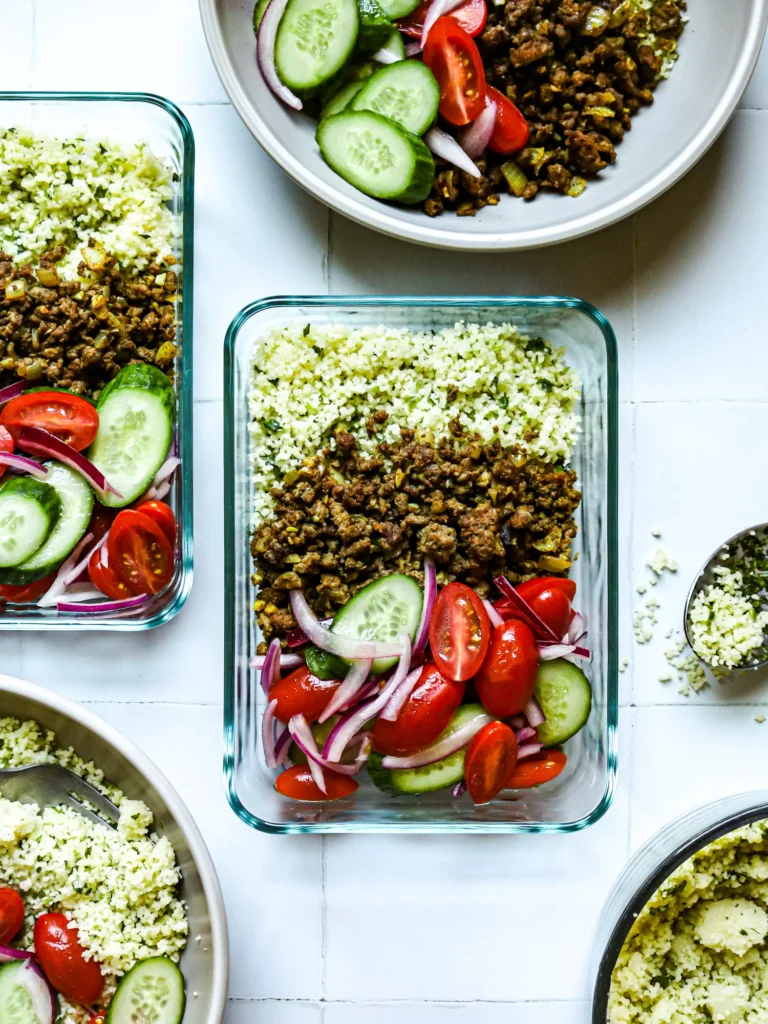
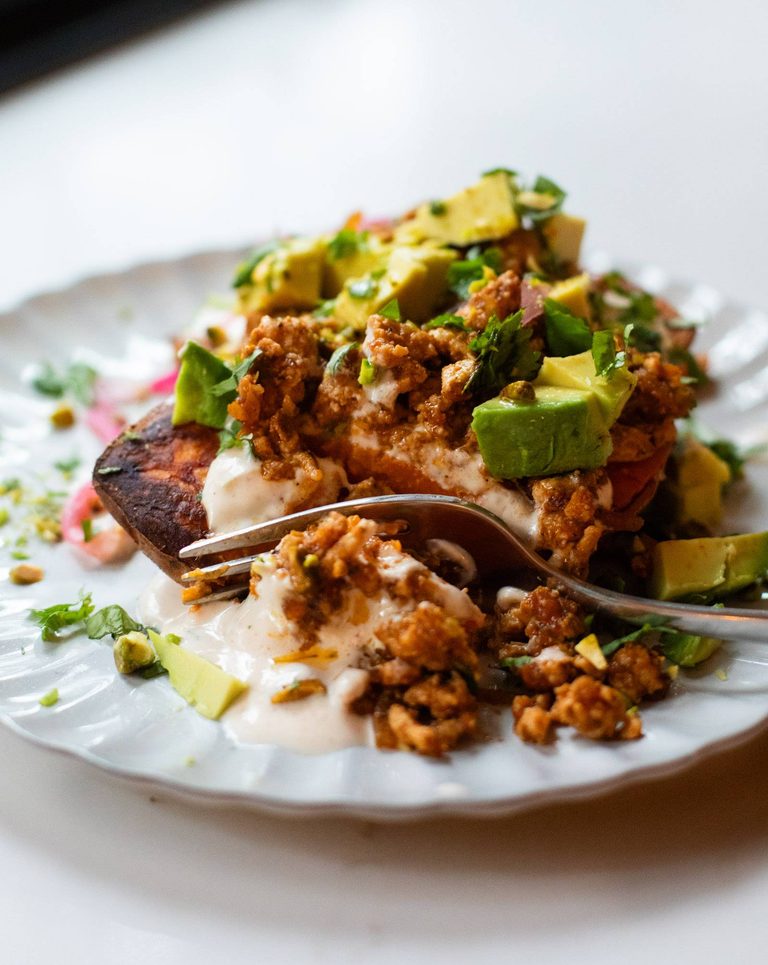
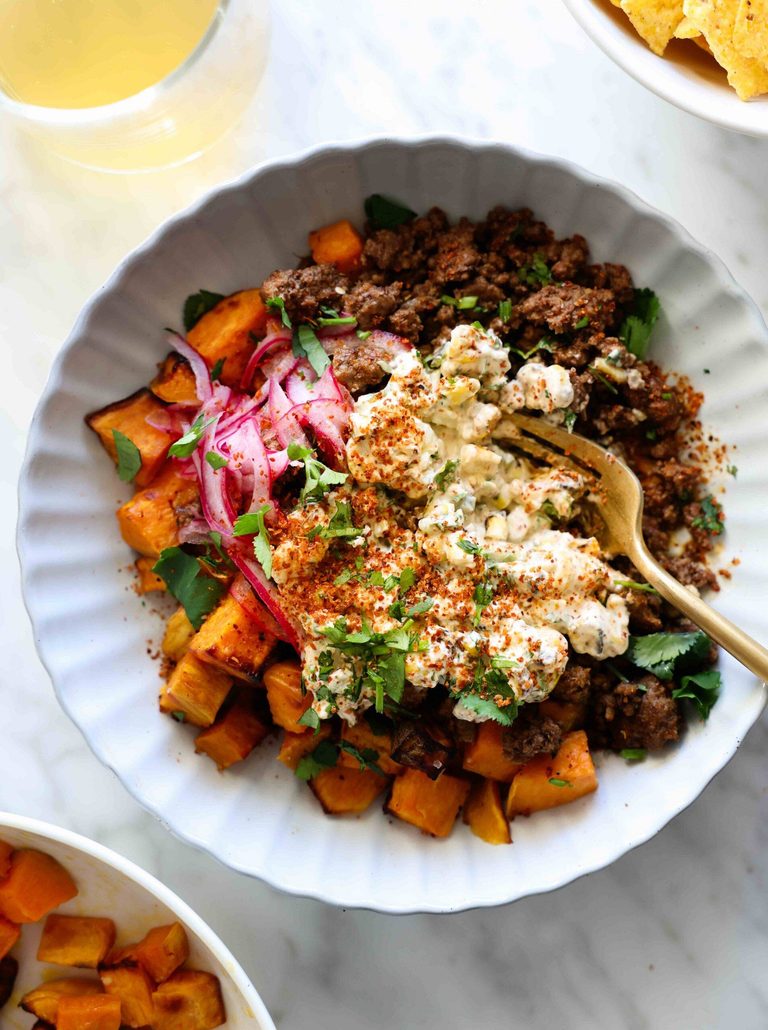
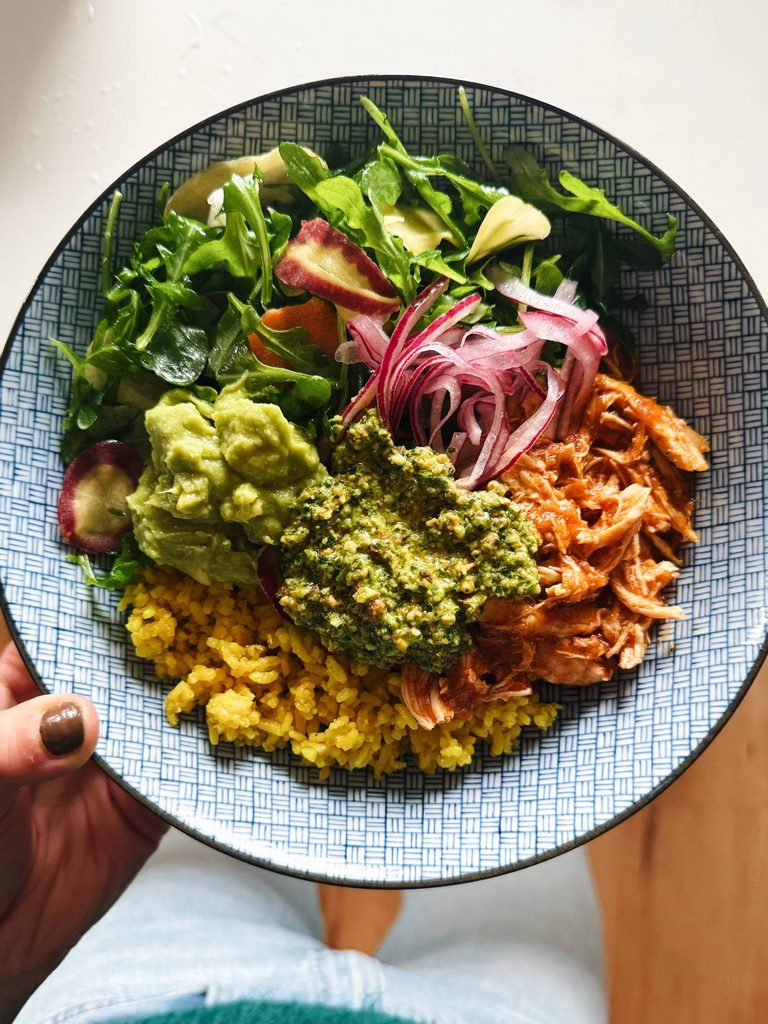
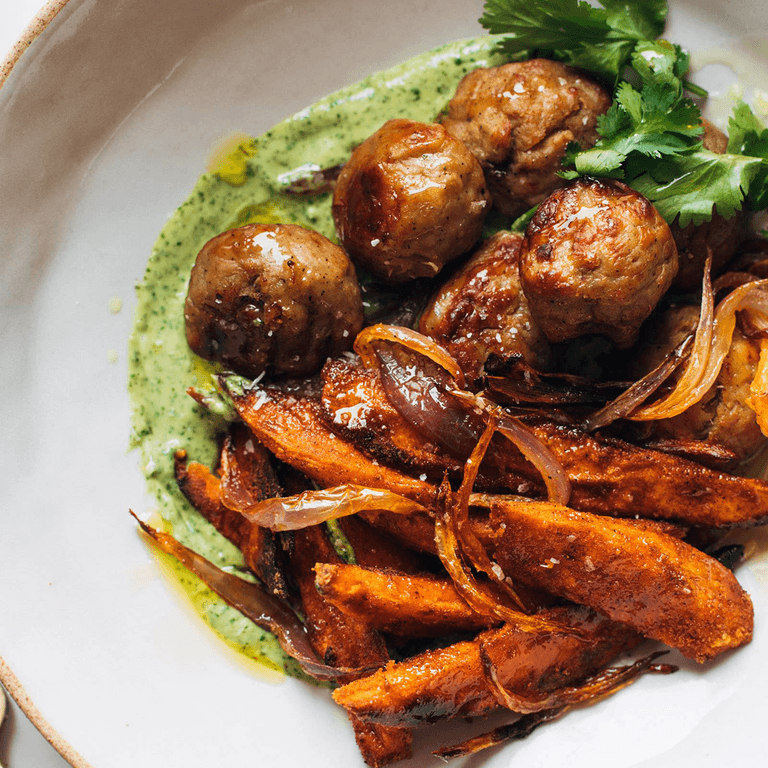
Modern meal planning has increasingly adopted the "bowl" format, which allows for the controlled integration of macronutrients. Dishes such as roasted sweet potato stacks with chipotle sauce, street corn beef bowls, and maple-mustard tempeh bowls represent a movement toward combining complex carbohydrates with high-quality proteins. Data indicates that these meals are highly efficient for meal prep, as they utilize roasting—a hands-off cooking method—to prepare bulk quantities of vegetables and proteins simultaneously.
The Role of Soups and Broths
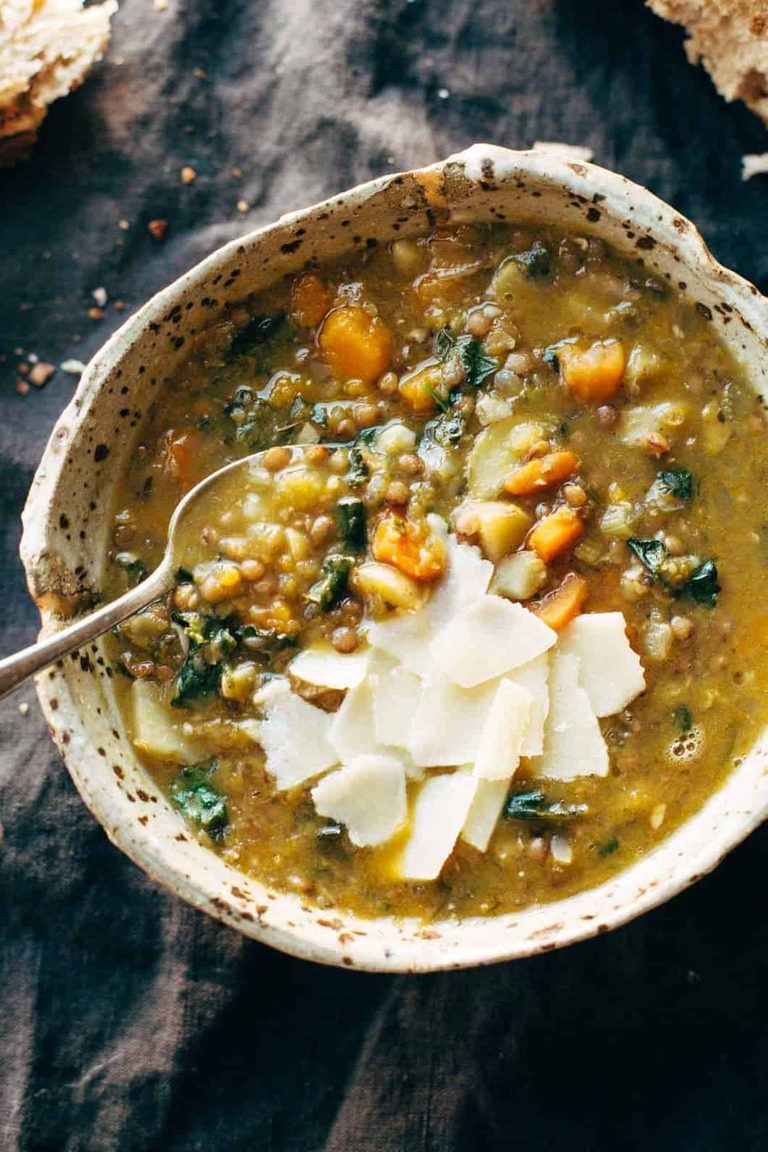
Soups and stews remain the most efficient way to achieve high nutrient density in a single sitting. The integration of lentils, chickpeas, and lean meats—such as ground beef or chicken—into broths provides essential minerals like iron and zinc. The "healing" properties often attributed to chicken and rice soups or red curry lentil soups are rooted in the anti-inflammatory properties of ingredients like ginger, turmeric, and garlic, which are frequently cited in clinical nutrition studies as beneficial for immune system support during the flu and cold season.
Salads and Micro-Nutrient Density
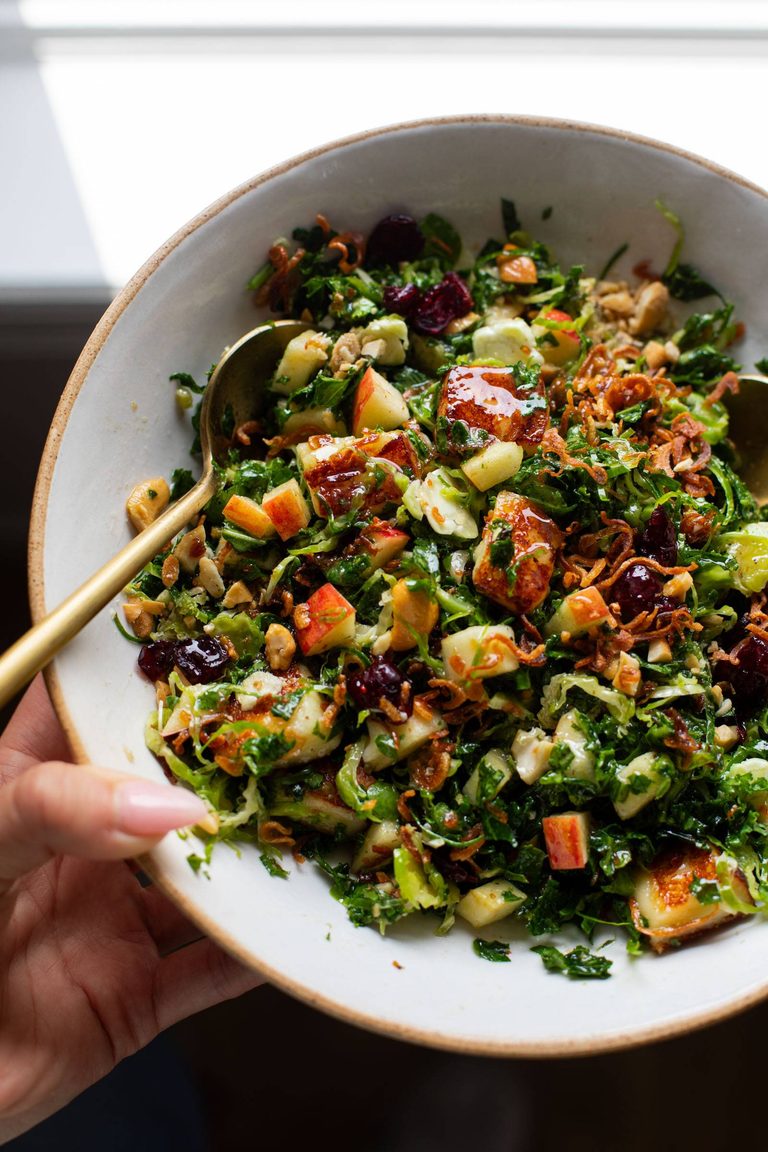
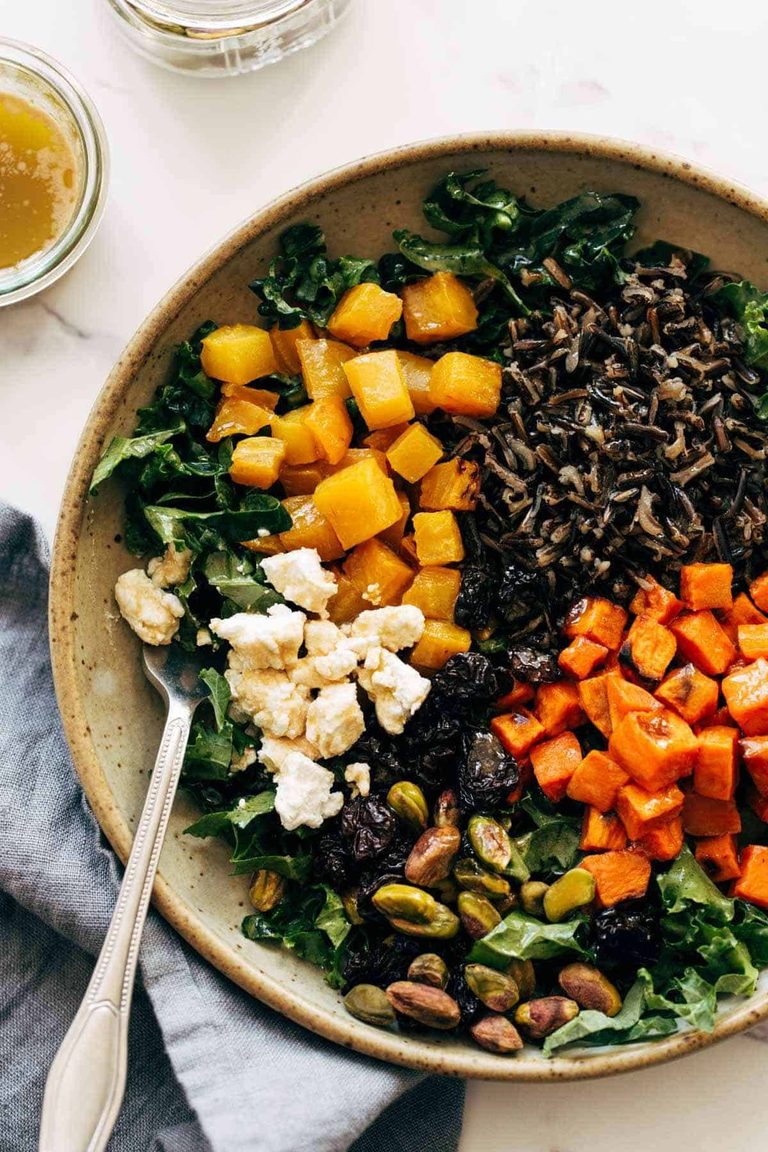
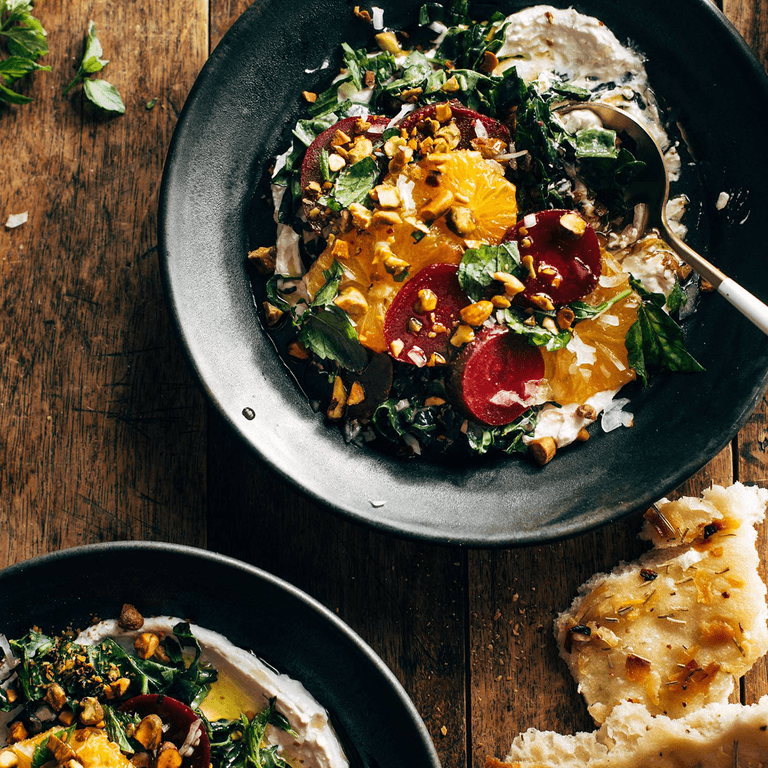
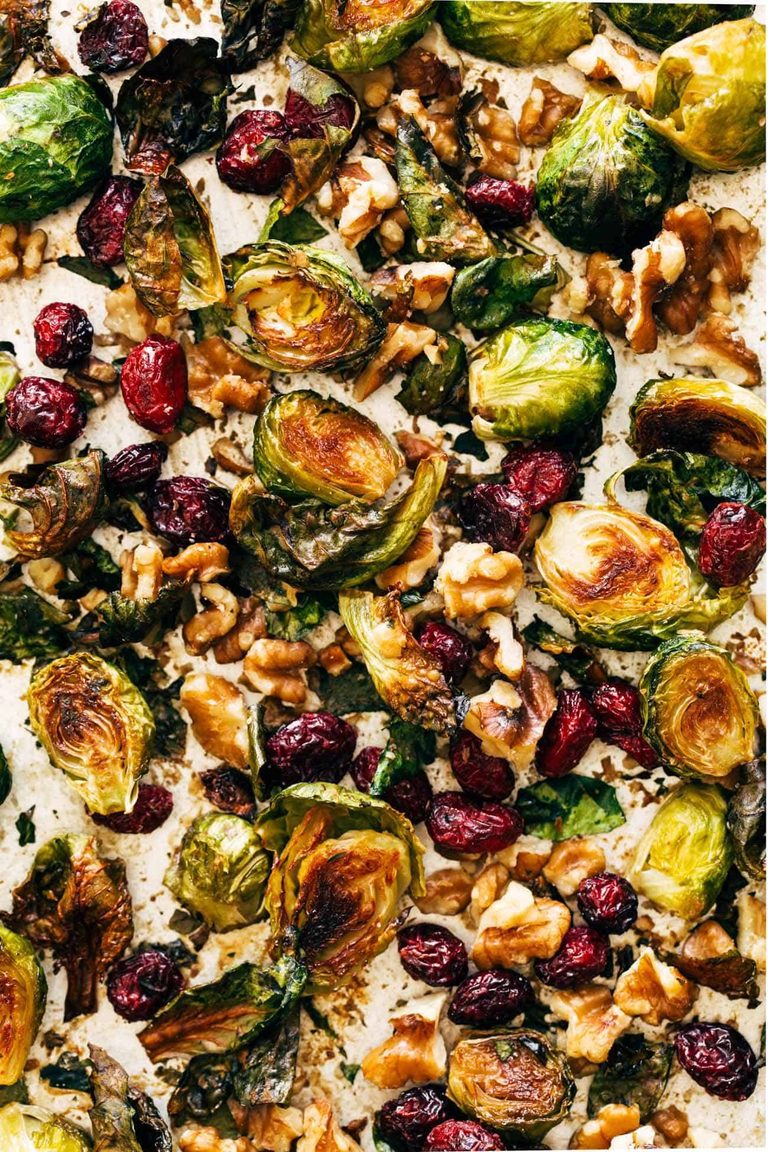
While salad consumption is often associated with summer months, fall salads utilize heartier greens. The integration of kale and shaved Brussels sprouts provides a robust base that can withstand heavier dressings, such as apple maple vinaigrettes or balsamic reductions. The addition of dried fruits, nuts, and cheeses—such as goat cheese or truffle-infused ricotta—balances the bitterness of late-season greens with healthy fats and quick-energy sugars.
Economic and Practical Implications for Consumers
The rise in home-cooked, ingredient-focused meals during the autumn months has significant economic implications for households. Inflationary pressures on grocery prices have led many consumers to seek out cost-effective, shelf-stable proteins. Legumes, such as chickpeas, lentils, and black beans, have seen increased sales volume as they serve as versatile, low-cost foundations for meals.

Furthermore, the "batch cooking" methodology—commonly used in preparing dishes like detox crockpot lentil soups or large-scale curry preparations—allows for greater efficiency in time management. By reducing food waste through the creative use of leftover roasted vegetables in salads or grain bowls, families can mitigate the rising costs of food while maintaining a high nutritional standard.

Chronology of Seasonal Dietary Adaptation
The adaptation to fall eating generally follows a structured timeline dictated by local harvest cycles:

- Early September: Transition phase, marked by the continued use of summer herbs alongside the arrival of early-season apples and kale.
- Late September to Mid-October: Primary harvest phase. This period sees the integration of heavy root vegetables and the start of slow-cooker and roasting trends.
- Late October to November: Deep autumn phase. Focus shifts to nutrient-dense, calorie-efficient meals that prioritize immune support and warmth, such as curries, stews, and roasted squash dishes.
Expert Perspectives on Seasonal Nutrition
Public health advocates and dietitians often point to the importance of "whole-food" eating patterns as a primary defense against seasonal fatigue. "The shift in diet during the fall months is an opportunity to re-engage with cooking techniques that emphasize long-term wellness," notes a spokesperson for a regional nutrition board. "When we move away from processed, ready-to-eat meals toward ingredients that require preparation—like roasting carrots or simmering lentils—we inherently increase our intake of fiber and antioxidants."
There is also a growing consensus among food industry analysts that the demand for "functional" ingredients—foods that provide health benefits beyond basic nutrition—is reaching an all-time high. Items such as ginger, turmeric, and fermented foods like sauerkraut are no longer considered niche; they are becoming staple pantry items for households aiming to boost gut health.
Broader Impact and Future Trends
The implications of this shift toward "intentional eating" are profound. As more individuals prioritize the preparation of healthy meals at home, there is a subsequent decrease in the reliance on high-sodium, ultra-processed convenience foods. This behavioral change contributes to broader public health outcomes, including improved glycemic control and better weight management during the sedentary winter months.
Furthermore, the focus on seasonal ingredients aligns with sustainability goals. By purchasing produce that is currently in harvest, consumers reduce the carbon footprint associated with long-distance food transport and cold-chain storage. As the market continues to evolve, the integration of global flavors—such as Thai curries, Mexican-inspired chipotle sauces, and Mediterranean-style tahini dressings—with local, seasonal produce demonstrates a maturing of the home-cooking landscape.
Conclusion
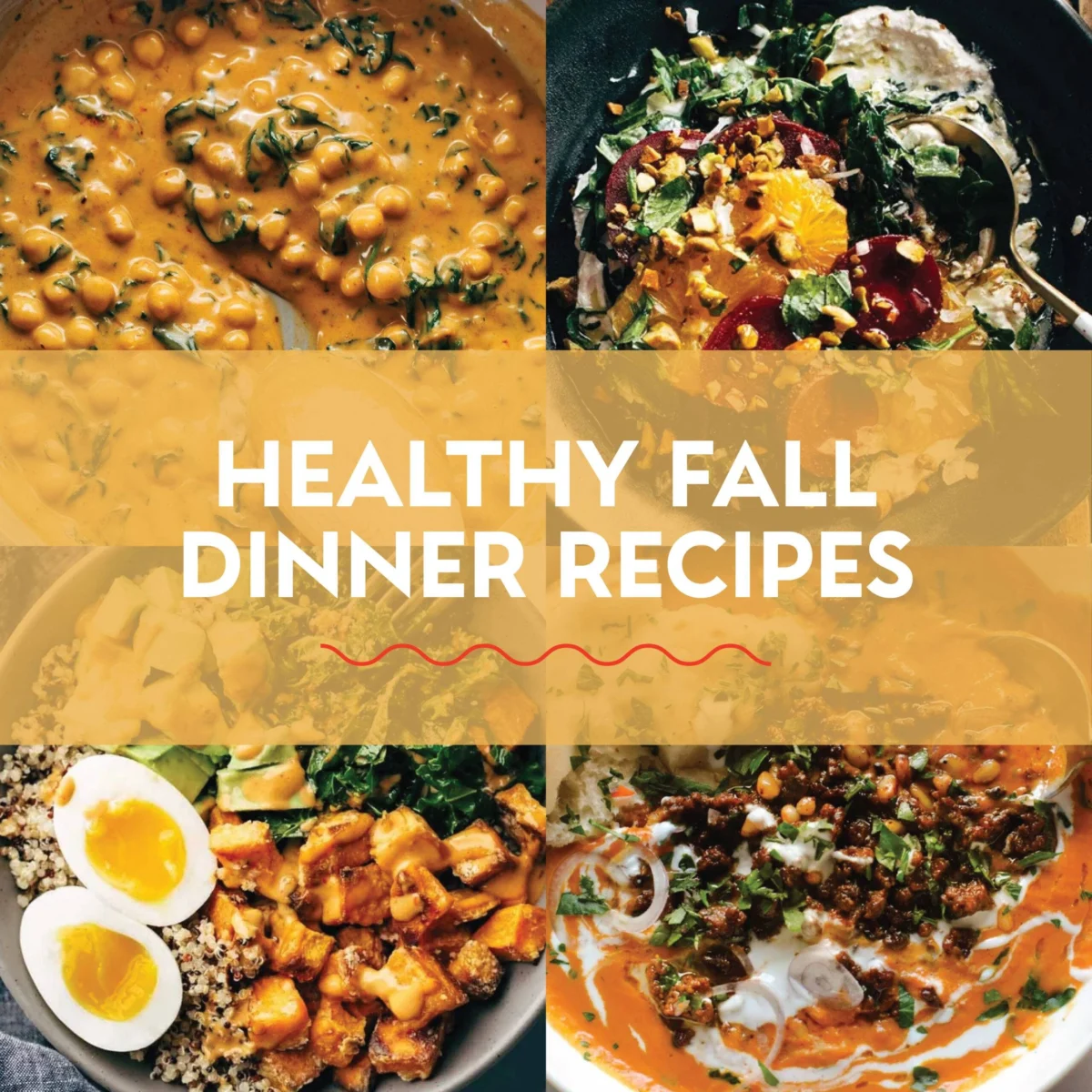
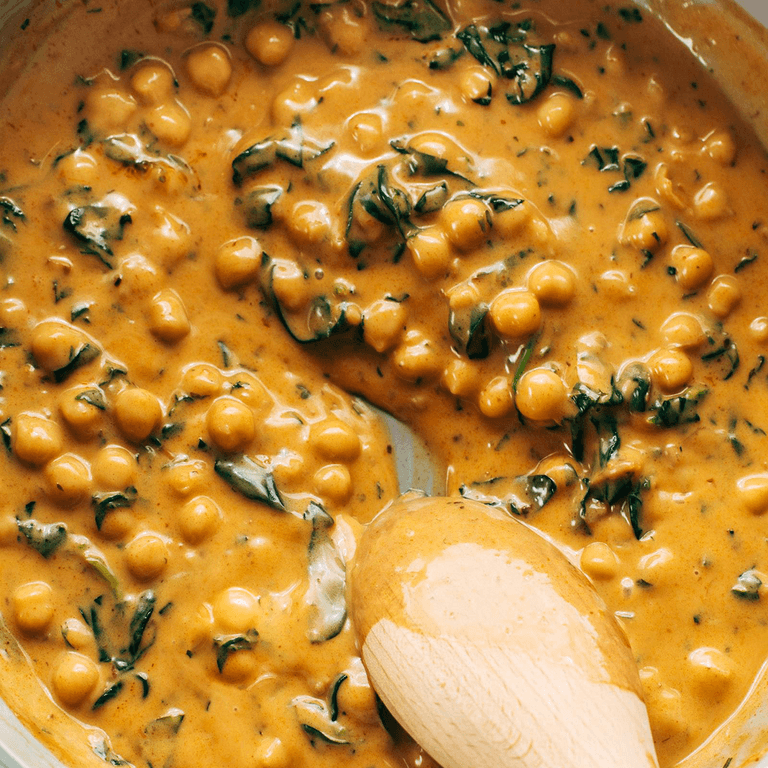
The return of fall dinner preparation is not merely a seasonal routine; it is a deliberate approach to health that leverages the natural bounty of the harvest. Whether through the efficiency of a 20-minute chickpea curry or the long-simmering comfort of a country chicken stew, the modern approach to fall nutrition is defined by versatility, economic prudence, and a focus on nutrient-dense ingredients. As consumers continue to refine their culinary skills, the emphasis will likely remain on dishes that provide maximum physical nourishment with minimal environmental and financial impact. The data supports a clear conclusion: a diet rooted in seasonal, whole-food ingredients is the most effective strategy for navigating the physiological and nutritional demands of the autumn season.